Last spring, my neighbor texted me a photo of her new porch lantern still sitting in its box, along with one question: "Is it worth paying someone to hang this?" Honestly, it's the question I hear most about entry lighting. Swapping a porch light looks like a fifteen-minute job on a home-improvement show, yet the cost to install porch light electrician pros quote for that same job swings wildly from one house to the next. I've watched two neighbors on the same street pay completely different amounts for what sounded like identical work. The difference was almost never the fixture itself. It was what hid behind the siding: whether a junction box existed, how the wire got there, and whether the electrical panel had any room left. In this guide, I'll walk you through how electricians actually price this job, the three scenarios that decide your number, what each one runs in 2026, and the questions that keep a quote honest. By the end, you'll know whether yours is a quick swap, a half-day project, or a job worth bundling with other electrical work — before you ever pick up the phone.
The Short Answer
If there's already a fixture and a junction box beside your door, hiring an electrician is mostly paying for a service call, and it's a quick, low-hundreds visit for most homes. The price climbs when there's no box, no wire, or no spare room in your panel, because then you're buying hours of skilled labor instead of minutes. The fixture itself is almost never the expensive part of this job. Below, I break down the three scenarios that set your price, what each one runs in 2026, and how to get a quote you can actually trust.
Why a "Simple" Porch Light Swap Isn't Always Simple
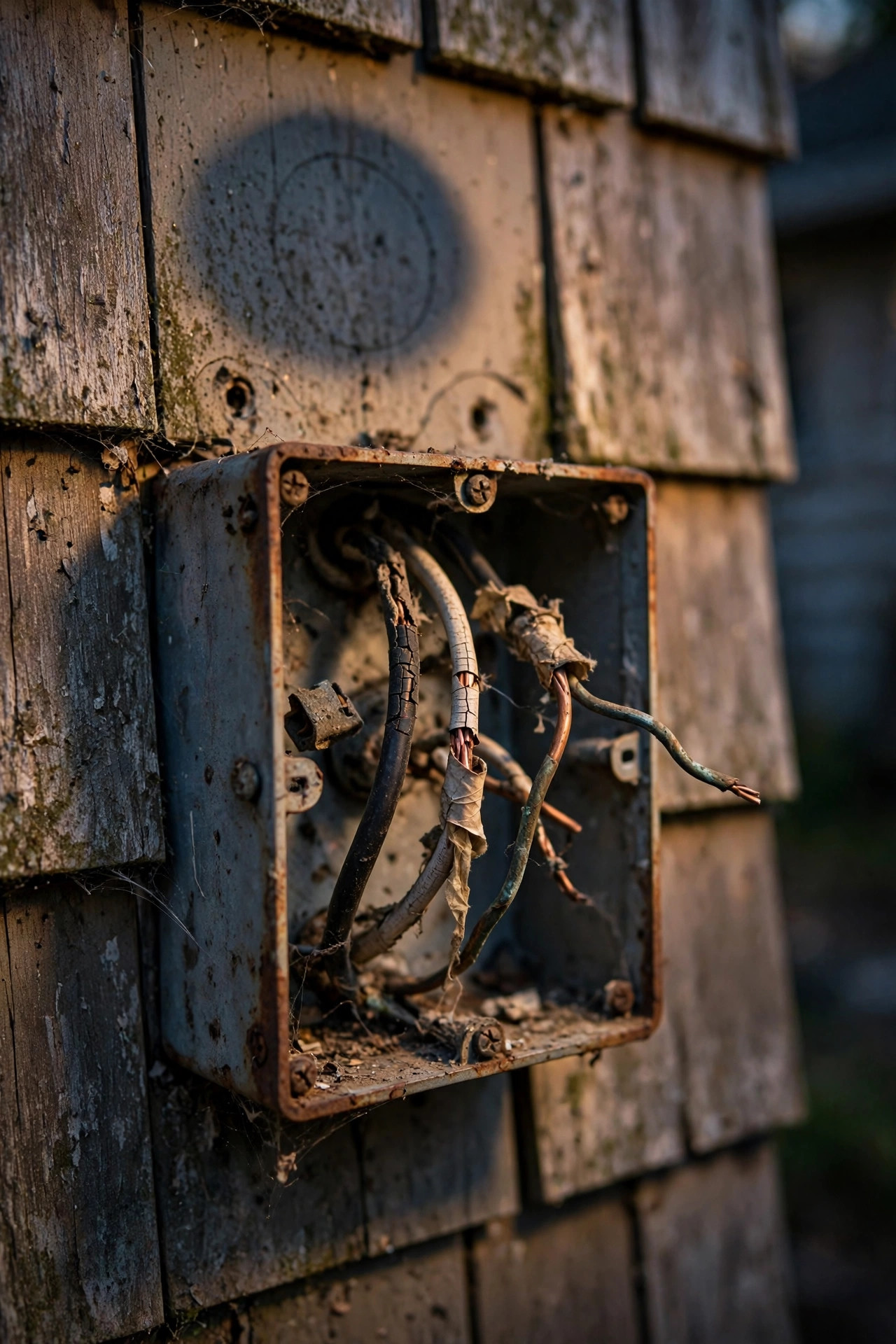
Here's what most of us don't see when we look at our porch light: code requires that fixture to mount on a proper electrical junction box, with the wire connections tucked safely inside it. On newer homes, that's exactly what's there, and a swap really is simple. On older homes, I regularly find fixtures screwed straight into siding with splices buried behind them, cloth-wrapped wire from another era, or no ground wire at all. Any of those turns a swap into a small repair job, because a good electrician won't hang a new fixture on unsafe wiring and just leave.
The wall itself matters too. Brick, stone, and stucco all take more time and care than vinyl siding, and a fixture mounted high over a stairway needs ladder work that a ranch entry doesn't. Even the mounting height plays in: the sweet spot is roughly 65 to 67 inches from the porch floor to the center of the fixture, and if the old box sits somewhere awkward, moving it adds time. None of this is a reason to panic — it's just why an electrician who quotes sight unseen is guessing, and why your neighbor's price isn't a promise of yours. It's also why two identical-looking lanterns, on two identical-looking porches, can come back with genuinely different labor lines on the estimate.
The Cost to Install Porch Light Electrician Pros Quote, Explained
Most electricians price small jobs one of two ways. The first is a flat rate for a defined task — a straightforward fixture swap, for instance — which is the number I prefer, because you know it before work starts. The second is time and materials: an hourly labor rate plus parts, which can be fair for detective work but makes the final bill a moving target. Either way, nearly every company has a service-call minimum, a floor price that covers the truck, the drive, and the first chunk of time. That's why a twenty-minute job and a fifty-minute job often cost the same.
A phone quote is usually a ballpark built on your description, and it firms up once the electrician sees the wall, the box, and the panel. Sending clear photos ahead of time — the existing fixture, where a new one would go, and your breaker panel with the door open — gets you a much more accurate number. Ask whether the quote includes the permit if one is needed, patching any holes, and hauling the old fixture away; those line items are where surprise charges like to hide. And if you're having two or three fixtures done, expect the per-fixture price to drop, since the expensive part — getting there and setting up — only happens once.

Scenario One: Swapping an Existing Fixture
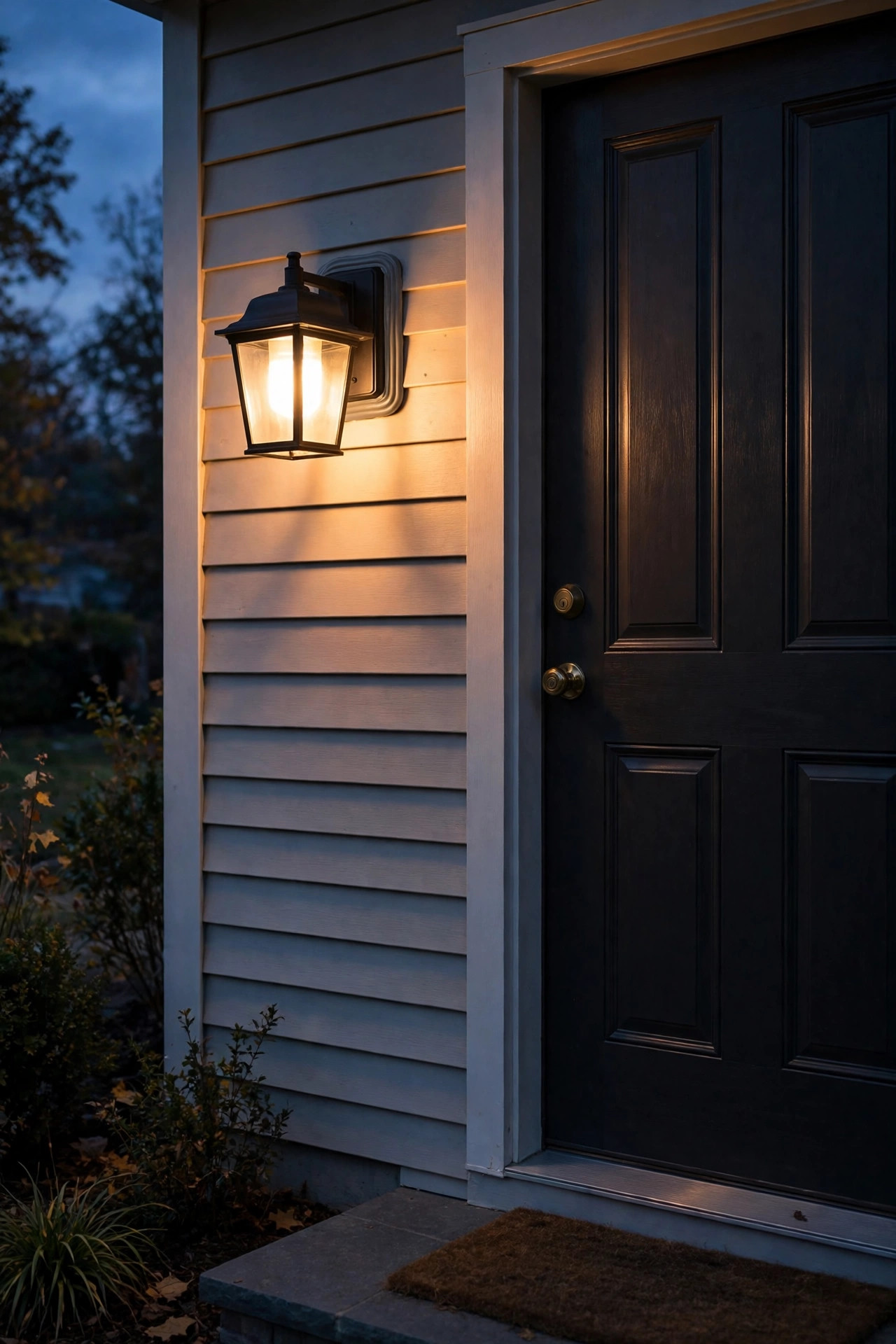
This is the best-case scenario, and happily the most common one. The box is there, the wiring is sound, and the new lantern just needs to go up where the old one came down. Here's what a pro actually does in that visit: kill power at the breaker and verify it's off with a tester, remove the old fixture, inspect the box and wire ends, fit the new mounting bracket, connect ground, neutral, and hot in the right order, seat the fixture, and seal the top edge against weather.
A tidy swap like this usually takes half an hour to an hour on site. It's also the moment to make two small decisions that save a return trip later. First, bulb choice: a warm 2700K LED in the 450 to 800 lumen range suits most porches beautifully without glaring into the street. Second, if your porch light runs on a dimmer, confirm the new bulb is dimmer-compatible, because older dimmers and newer LEDs don't always get along. If the old mounting left a ghost outline of a larger fixture on your siding, tell the electrician before the visit — sometimes a slightly bigger backplate covers it neatly, and that's a five-dollar decision made in the store instead of a repaint discovered afterward.

Scenario Two: Adding a Fixture Where There's No Box Yet
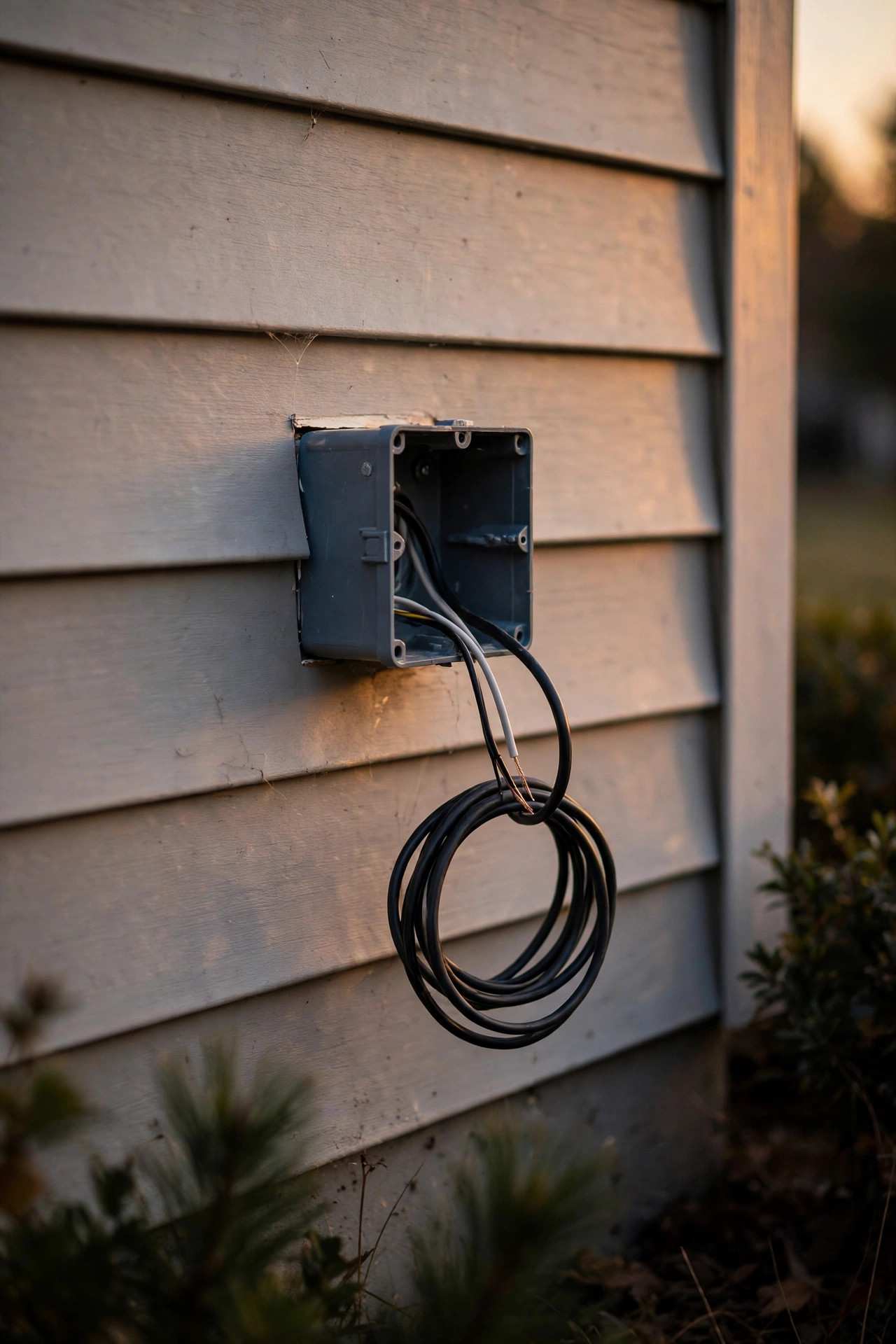
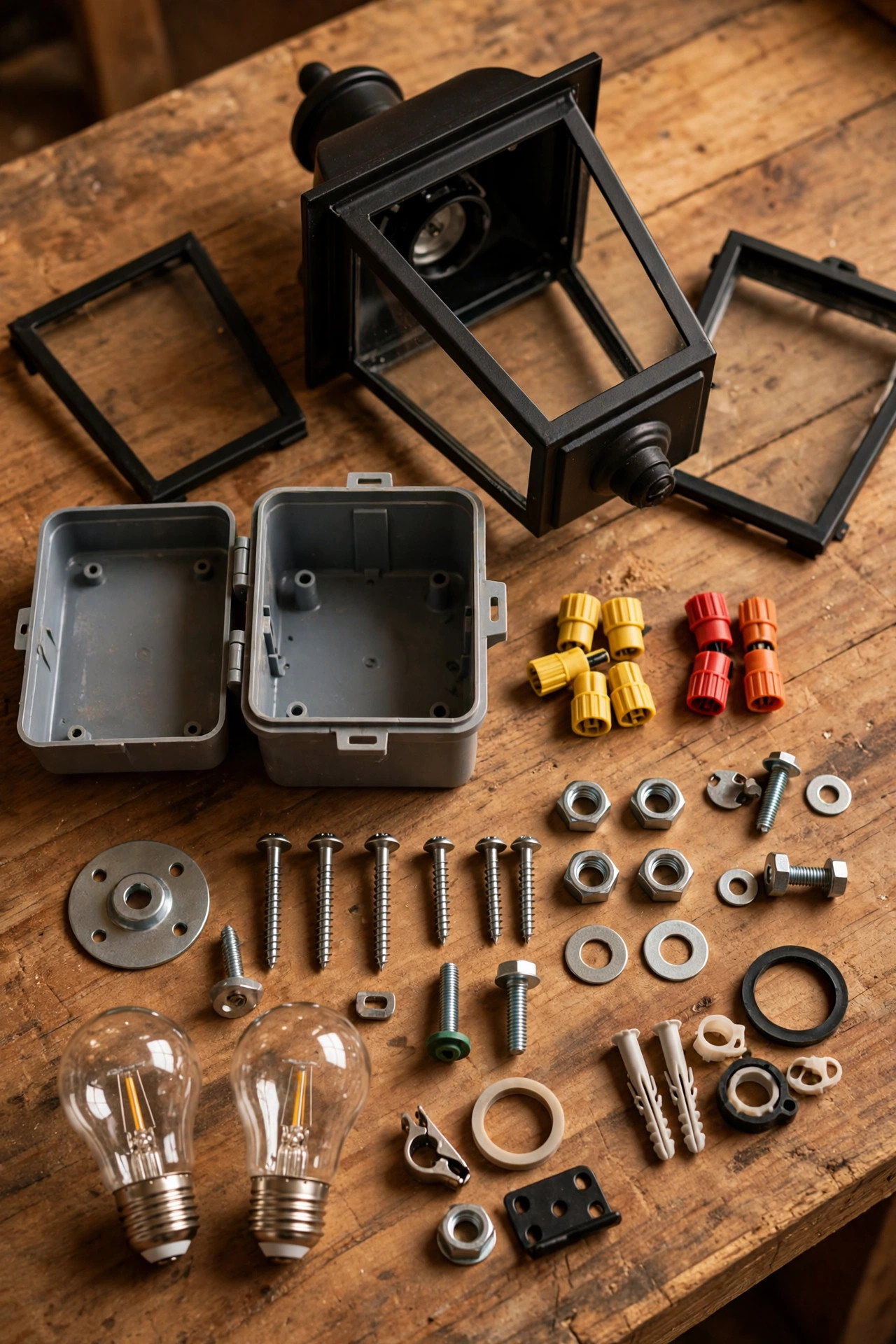
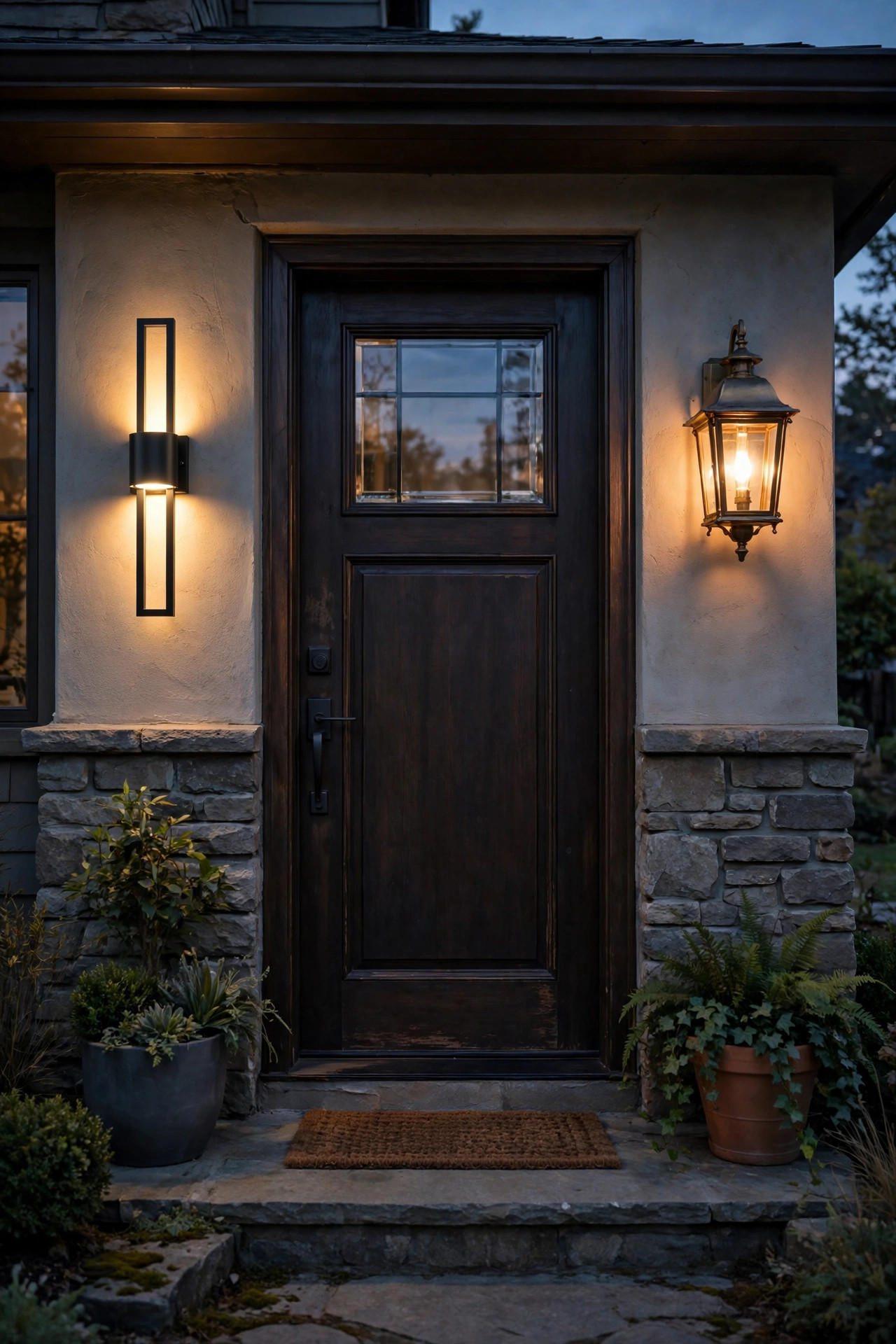
This is where the real money enters the picture, and it's the scenario behind most "how did it cost that much?" stories. If you want a light beside a door that has never had one — a side entry, a garage door, a dark corner of the porch — the electrician has to create the whole setup: cut in a junction box, then find a way to feed it power.
The feed is the variable. Sometimes there's an attic above the porch roof, and the wire can be fished through with nothing more than a small access hole. Sometimes the new box can tap a nearby switch or outlet on the same wall. And sometimes it means opening a channel in the drywall or siding, which means patching afterward — and patching is sometimes a separate trade's work, so ask who handles it. Expect this scenario to fill half a working day rather than an hour, and expect the quote to reflect the fishing and finishing, not the fixture. My honest advice: this is the version of the job where getting the placement right really matters, because moving a fished wire later costs almost as much as installing it did. Stand outside at dusk with a flashlight first and live with the spot for an evening or two.
Scenario Three: A Brand-New Circuit or a Long Run
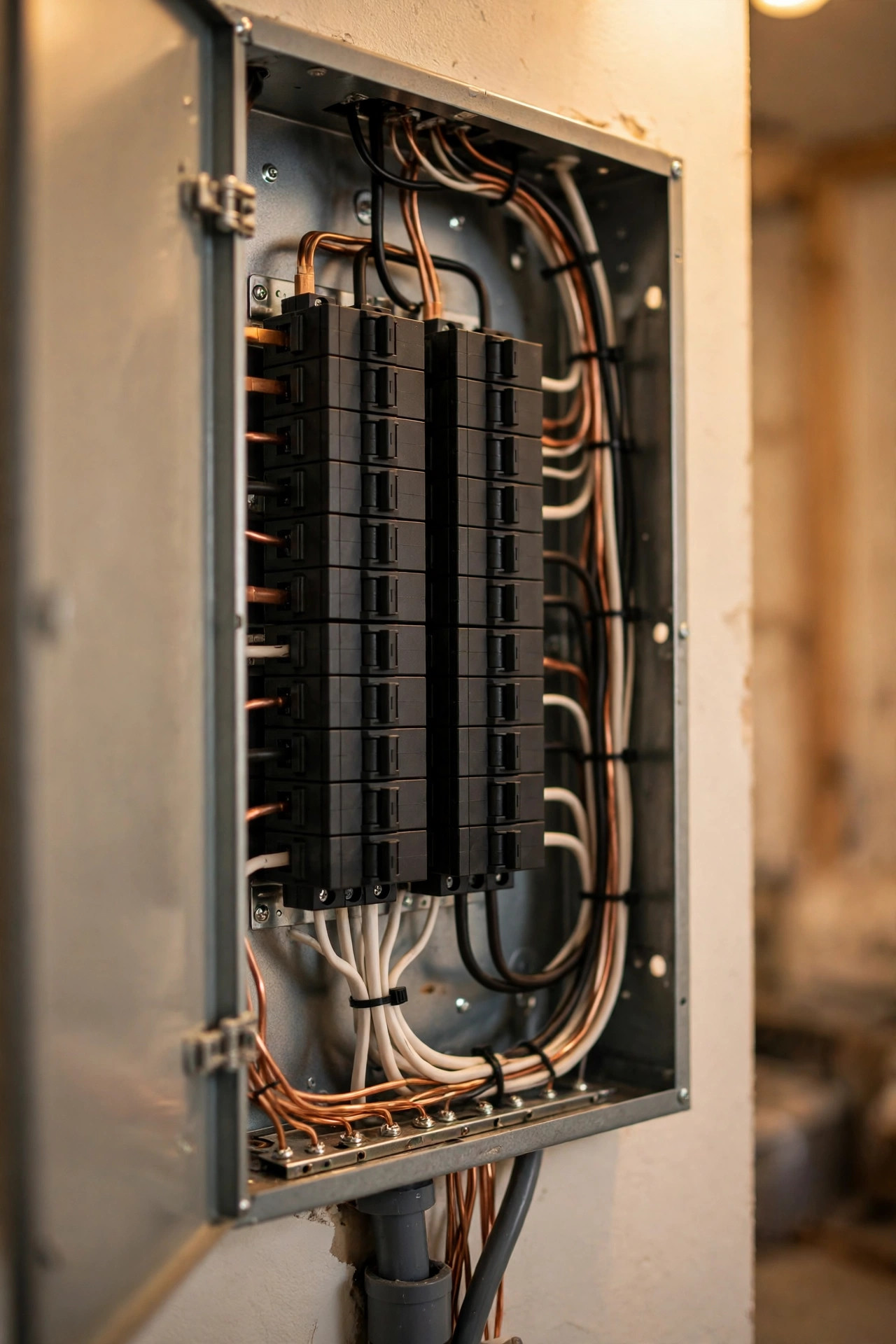
Occasionally, a simple porch light turns into genuine electrical infrastructure. If your panel is completely full — no spare breaker slots — adding a circuit may mean a subpanel or a panel upgrade conversation you'd rather have once, on purpose, than in the middle of a small job. The same applies when the light is far from any power source: a fixture on a detached garage, a long wraparound porch fed from the opposite end of the house, or a run that has to cross a finished basement ceiling with no access.
These jobs take most of a day, sometimes with a second visit after inspection, and they're the ones most likely to require a permit and a proper inspection at the end. The work itself isn't complicated in concept — wire, breaker, box, fixture — but every foot of distance and every finished surface in between adds labor. If your wishlist includes this porch light plus, say, an outdoor outlet and a garage fixture, this is the moment to say so: one planned circuit can serve all three far more cheaply than three separate mobilizations. An electrician who knows the full picture can also size that circuit with your future plans in mind, which is the kind of foresight you never regret paying for once.
What It Costs in 2026
Here's the honest 2026 picture, based on what electricians are actually charging around the country right now. Labor is the main ingredient: most residential electricians bill between $50 and $100 per hour, with rates in expensive metro areas reaching $125 to $150 per hour. Nearly every company also sets a minimum service charge, commonly $100 to $200, which is simply the cost of getting a licensed pro to your door. Your scenario decides where you land:
| Job | Typical labor total, 2026 | Time on site |
|---|---|---|
| Straight fixture swap, box exists | $150 – $300 | 30–60 minutes |
| New box fished from an existing circuit | $300 – $650 | 2–4 hours |
| Brand-new circuit or long, difficult run | $600 – $1,200+ | Half to full day |
The fixture itself is separate, and it's the part you control: most porch lights I recommend run $25 to $250, with statement pieces going higher. Small parts — a new box, connectors, a few feet of cable — usually add just $15 to $60. Where a permit is required, budget another $50 to $200 depending on your city. One comfort: the running cost is nearly nothing. A typical LED porch light uses about 9 watts, so five hours a night adds up to roughly $2 to $3 per year on your electric bill. For broader context on what whole projects run, my breakdown of landscape lighting costs in 2026 shows how porch work fits into a full-yard budget.
Permits, Licenses and Code: What Part of the Bill Is Peace of Mind
Friends sometimes ask me what they're really paying for when an electrician's number looks higher than a handyman's. A big part of the answer is accountability. A licensed electrician carries insurance, pulls permits when the job requires them, and does work that has to pass inspection — which matters the day you sell the house and a buyer's inspector starts asking questions about unpermitted wiring.
As a rule of thumb, a like-for-like fixture swap usually needs no permit at all, while a new circuit or significant new wiring often does; the details vary by city and county, and I've laid them out in my guide to outdoor lighting permits and codes. The safety side matters just as much: outdoor fixtures need the right damp- or wet-location rating for their spot, connections belong in a proper box, and any circuit work has to respect GFCI protection rules where they apply. None of that shows up in a dusk photo of your pretty new lantern, but it's exactly what separates an installation you'll never think about again from one that corrodes, trips breakers, or worse. When a quote includes the permit fee as a visible line item, I take that as a good sign, not a padded bill.
How to Get a Quote That Doesn't Grow Later
The quotes that stay put have one thing in common: the electrician knew the whole job before arriving. When you call, describe the scenario plainly — swap, new location, or no idea — and send photos of the spot, the wall material, and your open breaker panel. Mention anything you already know is weird: the aluminum wiring, the switch that controls nothing, the box that crumbled in 2019. Surprises are what inflate bills, and most of them are only surprises because nobody mentioned them.
Then ask four questions. Is this flat-rate or hourly, and what does the minimum cover? Does the price include the permit, if one applies? Who patches and paints if a wall gets opened? And is the work warrantied, and for how long? Get two or three quotes for anything beyond a simple swap, and be a little suspicious of the one that's dramatically cheaper than the rest — with electrical work, the gap usually turns out to be something left out rather than something saved. Finally, get the agreed scope in writing, even if it's just a detailed email. A one-page paper trail has settled every "but I thought that was included" conversation I've ever witnessed, in the homeowner's favor. The whole routine takes about ten minutes, and it's the cheapest insurance this project offers.
Honest Ways to Keep the Bill Down
You can't negotiate an electrician's hourly rate into the ground, and honestly, you wouldn't want the work of someone desperate enough to let you. But you can absolutely shrink the hours. The single biggest saver: have everything on site before the visit. Buy the fixture yourself, unbox it, check that every screw and the mounting bracket are in the package, and have the bulbs ready too. An electrician standing in your entryway while you decide between two lanterns is billing you for the ambience.
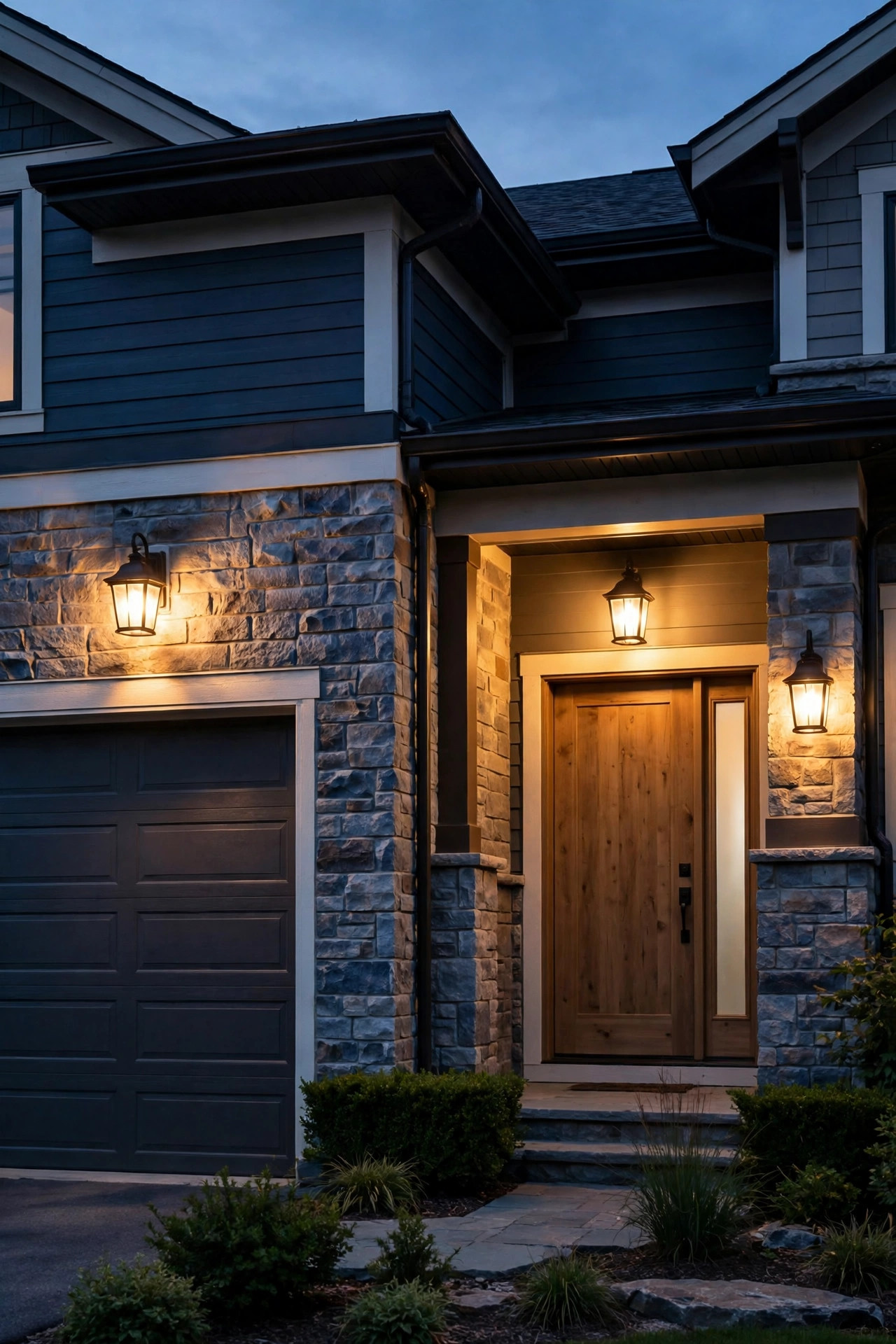
Second, bundle. One visit that swaps the porch light, adds the garage fixture, and replaces the dead outlet by the steps costs far less than three separate service calls, because you've paid the travel and setup once. Third, make access easy: clear the porch, move the planters, and if there's an attic hatch involved, make sure the path to it is open. Fourth, be flexible on scheduling — a company fitting you into a gap between bigger jobs sometimes prices small work more kindly than one making a special trip. And fifth, do the shopping and the cleanup yourself; those are the parts of the project where your labor is worth exactly as much as anyone's. Add it up, and a prepared homeowner can realistically shave a meaningful slice off the visit without cutting a single corner that matters.
DIY vs. Hiring Out: My Honest Take
I'll be straight with you: a like-for-like swap on a healthy box is one of the most satisfying small DIY jobs in the house, and plenty of confident homeowners do it safely in under an hour — I have a whole walkthrough mentality about it: breaker off, tester on every wire, photos before disconnecting anything. If that description makes you nod rather than sweat, you're probably a candidate.
But there are lines I don't cross, and I'd tell my own sister the same. Hire the electrician if there's no box, if the wiring is old enough to be brittle or cloth-wrapped, if the panel is involved in any way, or if the words "the breaker keeps tripping" appear anywhere in your story. Also hire one if the fixture sits somewhere a ladder makes you nervous; pros bring the right ladders and the insurance to match. My longer comparison of DIY versus professional landscape lighting digs into where that line sits for bigger projects, and the logic is identical out here at the front door. The money question and the safety question are the same question on this job: pay for the parts of the work where a mistake is expensive, and happily do the parts where it isn't.
5 Mistakes That Raise the Cost to Install Porch Light Electrician Pros Charge
I've seen every one of these land on a real invoice, and the frustrating part is that all five are avoidable with one honest conversation before the truck ever rolls:
1. Buying a fixture that doesn't fit the spot. A lantern with a tiny backplate over the scar of a huge old one means patching and painting nobody quoted. Measure the old fixture's footprint and mounting height before you shop.
2. Discovering the panel is full — mid-job. If there's no breaker space, a small job becomes a big conversation while the electrician is already on the clock. Send that panel photo with your very first message.
3. Scheduling one tiny job at a time. Three separate visits means three service-call minimums. Keep a running list of small electrical wishes and clear it in a single appointment.
4. Pairing a new LED fixture with an ancient dimmer. Flicker and buzz lead to a diagnostic return trip. Mention your dimmer when you book, or choose a fixture and bulb combination that's known to play nicely.
5. Having no contingency for what's behind the wall. Rot, water damage, and crumbled boxes are common in older entries. Agree beforehand on a "call me if it passes this amount" ceiling so a surprise doesn't become an argument.

Frequently Asked Questions
How long does it take an electrician to install a porch light?
A straightforward swap on an existing box usually takes thirty minutes to an hour, including testing and cleanup. A brand-new location with fished wire is more like two to four hours, and a new circuit can fill most of a day, especially if an inspection visit is involved. Travel and setup are why even the quick jobs carry a minimum charge.
Do I need a permit to have a porch light installed?
For a simple like-for-like replacement, most cities say no. Adding a new circuit, or in some places any new wiring at all, usually does require one. The rules are genuinely local, so the fastest answer comes from your electrician or your city's permitting office — and a pro who shrugs at the question is telling you something worth hearing.
Should I buy the fixture myself or let the electrician supply it?
I almost always say buy it yourself: you'll get exactly the style you want, and you can confirm the size and backplate against your wall before anyone arrives. The trade-off is warranty — a fixture the electrician supplies is usually covered by their labor warranty if it fails, while yours is covered by the store. For a mid-priced fixture, I still buy my own.
Can an electrician add a porch light where there's no wiring at all?
Yes — it's done every day, usually by fishing cable from an attic, a nearby switch, or an outlet on the same wall. How clean the result looks depends on access: open attic space above the porch is the easy version, while finished ceilings may mean a small patch afterward. This is the scenario where an on-site look before quoting really pays off.
Conclusion
A porch light is a small fixture with an outsized job — it's the first hello your house gives every guest and every delivery driver, every single night. The cost to install porch light electrician fees represent makes the most sense when there's no box, no wire, or any doubt about what you'll find behind the siding, and it's genuinely optional for a clean, confident swap. Either way, now you know how the number is built, which scenario you're actually in, and how to keep a quote honest. Get the placement right, pick a fixture you love at dusk, and enjoy the glow.