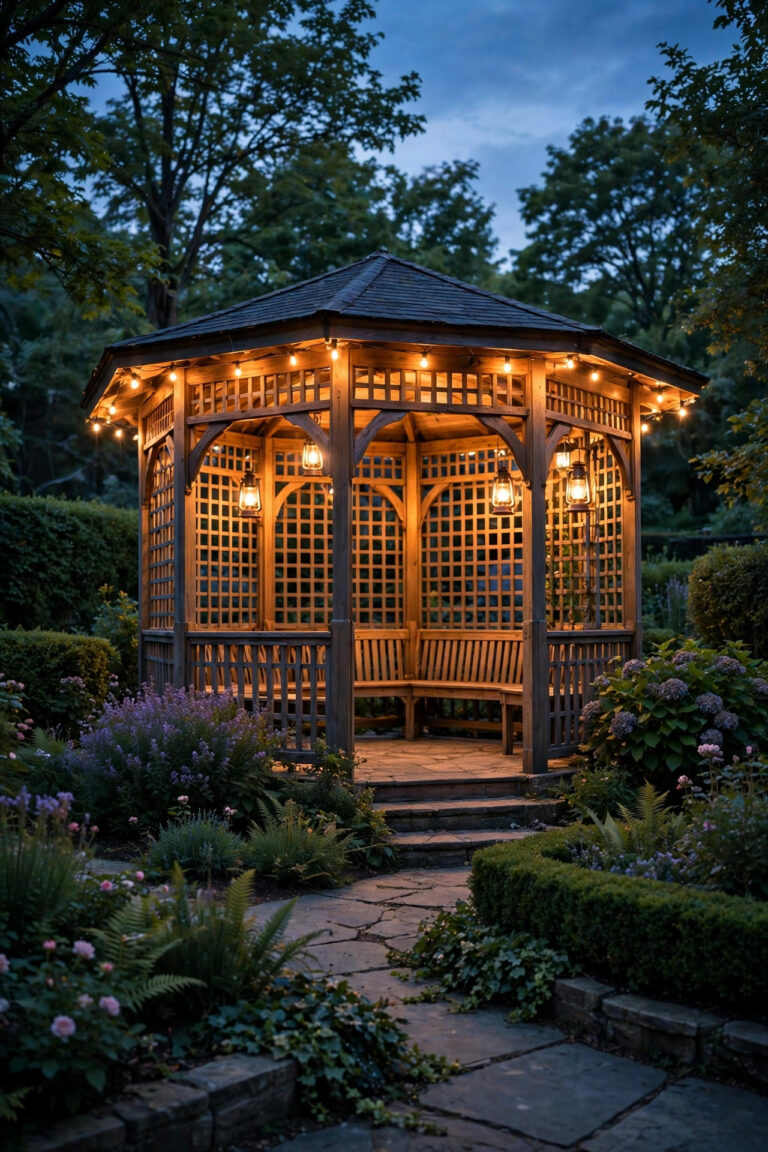
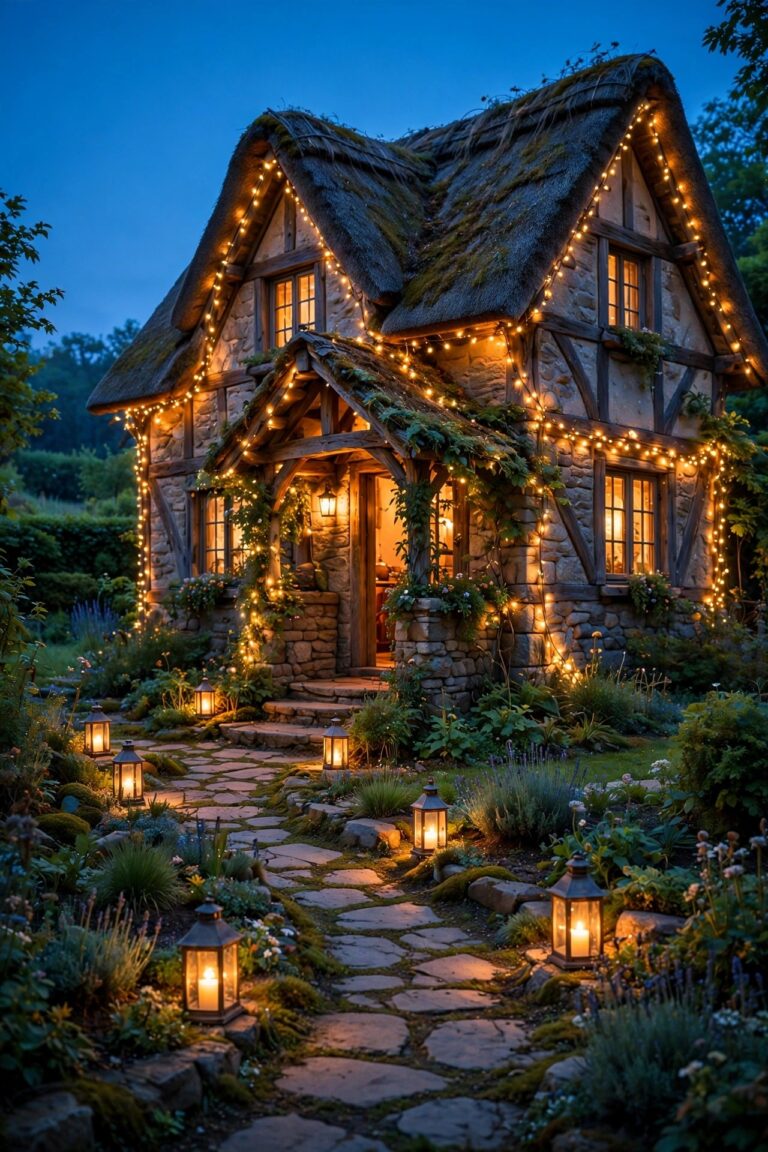
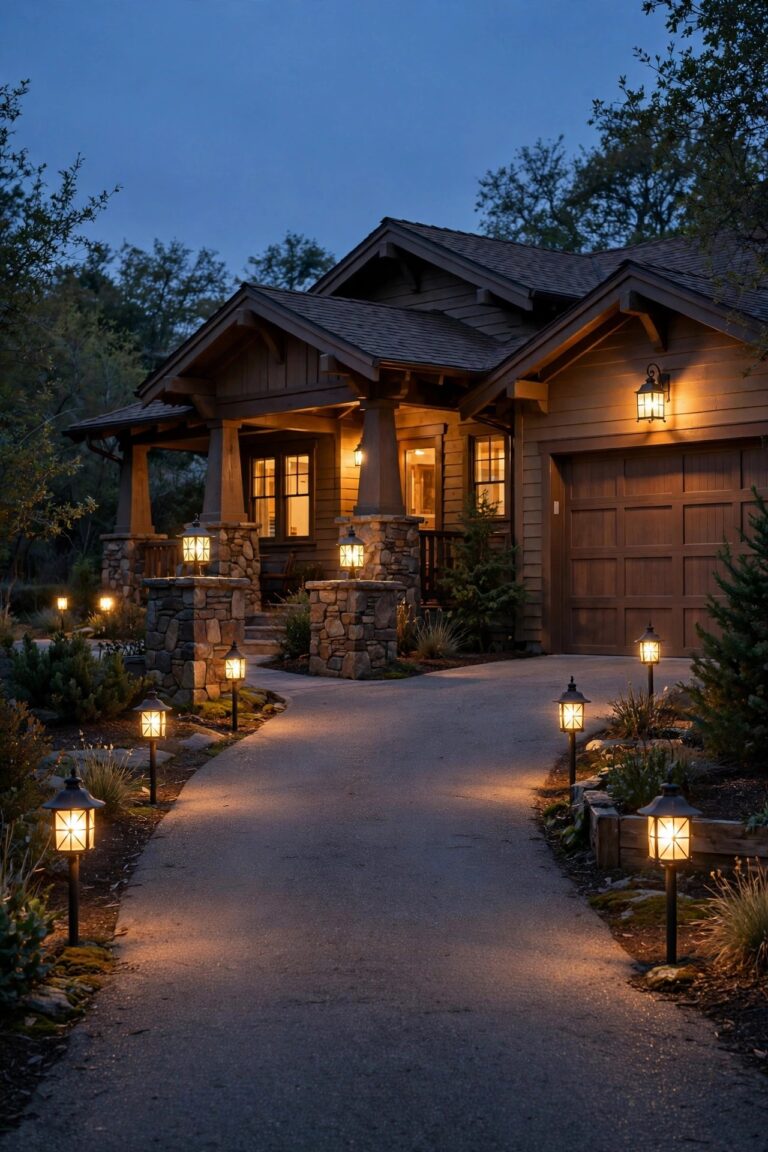
Solar lights are the easiest upgrade I know — no wiring, no electrician, no trenches across the lawn. But that easy aisle at the home store is a minefield, and I have stepped on most of it myself. My first path lights were dim by nine o'clock, two different colors by August, and in the trash by the second winter. Almost every disappointment traces back to the same handful of solar light buying mistakes, and the frustrating part is that every one of them is visible before you pay — in the lumens, the color temperature, the battery door, the panel size. In this post I will walk you through the nine mistakes I see over and over, how to spot each one right there in the store or the listing photos, and what to buy instead so your yard glows warm and steady from dusk to bedtime. A little label-reading now saves you a whole second purchase later.
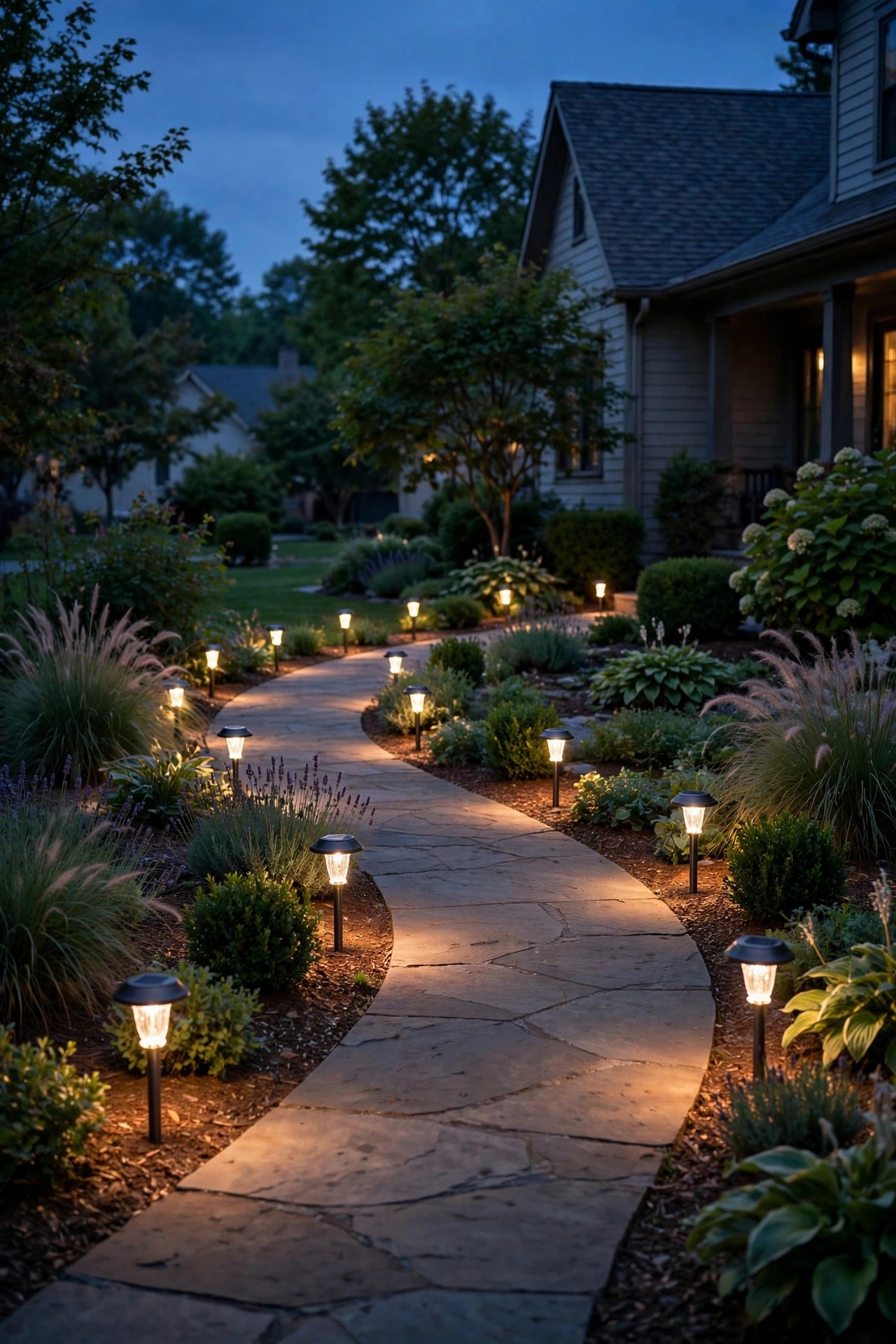
1. Judging Brightness by the Price Tag and the Box Photo
Here is the trap: a six-dollar light and a twenty-six-dollar light can look identical on the shelf, and the box photo — shot at blue hour with a long exposure — makes both of them look like little suns. Price tells you about housing materials, not brightness. The only number that matters is lumens, and honest listings state it plainly. For gentle path accents you want 10–30 lumens; for steps and spots where you actually need to see, look for 50–100; anything meant to light a seating area should start around 100–200. If a listing hides the lumen count behind words like "super bright" or "high power," that silence is your answer — walk away. In the store, compare the LED count and the size of the little diffuser lens, and check whether the stated lumens are per light or for the whole multipack, a sneaky trick that makes a set of eight 5-lumen markers sound heroic. I keep a note on my phone from my guide on how to make solar lights brighter — half the dim-light complaints I hear are really wrong-expectation purchases. Buy the lumens the job needs and the light will feel generous instead of apologetic.
Suggested budget range: $30 – $70.
2. Choosing Cold 6000K Light That Turns Your Yard Into a Parking Lot
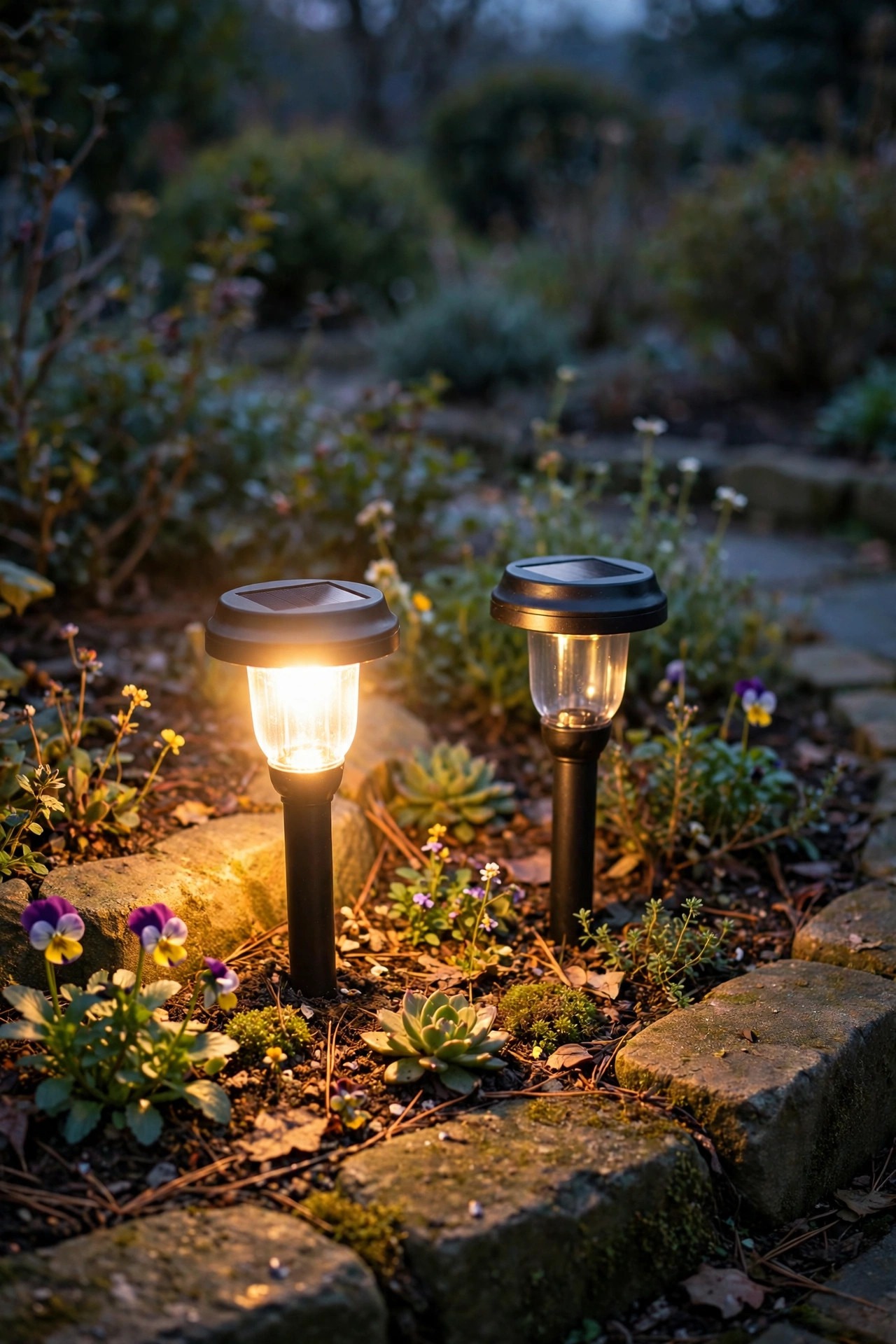
Color temperature is the mistake you have to live with every single night. Solar lights are sold in warm white (2700–3000K), daylight (4000–5000K), and a harsh blue-white at 6000K and above. That top end is the light of gas stations and security floodlights — it flattens your planting, turns skin tones gray, and makes a warm brick facade look like poured concrete. Listings often bury the Kelvin number or skip it entirely, and "white light" in a product title usually means the cold kind. Look for the actual digits: 2700K or 3000K, sometimes labeled "warm white." If there is no number anywhere, assume it is cold and keep scrolling. In a store display, power one on against the back of your hand — warm light looks golden on skin, cold light looks blue-gray. One honest exception: a motion security light over a back gate can lean slightly cooler for clarity, but even there I stop at 4000K. Everything guests see — paths, porches, garden beds — should stay warm. Your yard at dusk already has a natural amber glow spilling from the windows; warm solar light melts right into it instead of fighting it.
Suggested budget range: $25 – $60.
3. Solar Light Buying Mistakes Start With Ignoring Shade and Panel Placement
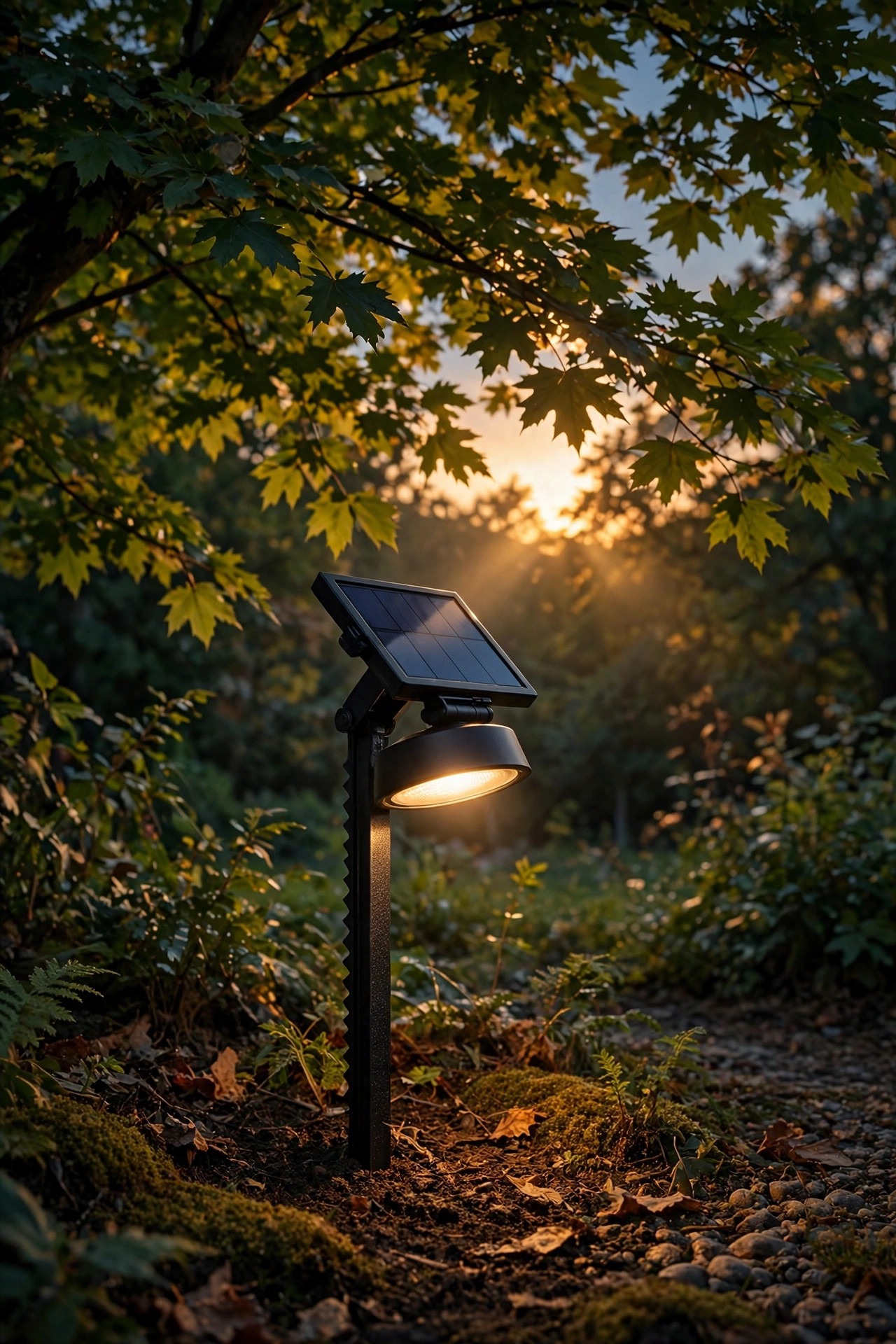
A solar light is only as good as the sun its panel actually receives, and this is where so many purchases quietly fail. That shady corner under the maple where you want a glow? A standard stake light there will charge for two hours and fade by nine. Walk your yard at midday and again at four o'clock before you buy anything, and be honest about north-facing beds, fences, eaves, and tree canopy. For genuinely shaded spots you have three good options: lights with a separate panel on a cord that you mount in the sun while the fixture stays in the shade; lights with oversized panels that gather light efficiently; or a different technology altogether for that one stubborn spot. Watch for listings photographed in full desert sun with runtime claims to match — your December oak tree tells a different story. Panel angle matters too: a flat panel tucked under a dripping eave collects grime and loses charge fast. Spot this mistake in the store by asking one question — where exactly will this panel sit, and how many hours of direct sun land there in January, not June?
Suggested budget range: $30 – $75.
4. Buying Sealed Units With Batteries You Can Never Replace
Every rechargeable battery fades. After 300–500 charge cycles — roughly one to two summers of nightly use — capacity drops, nights get shorter, and the light that once lasted until midnight is done by ten. On a well-designed light that is a tiny fix: you pop the battery door, swap in a fresh rechargeable cell, and keep glowing. On a sealed unit, the whole light goes to the landfill while its LED and panel are still perfectly fine. Before you buy, look for a visible battery compartment — a small door, a twist-off base, screws instead of glue. Listings for sealed lights stay quiet about batteries entirely; listings for serviceable ones brag about the cell size and type. I wrote up the swap process in my notes on how to replace solar light batteries — it takes two minutes when the design allows it. Also check which cell the light uses: common sizes are easy to find in multi-packs, while odd proprietary cells can cost more than the light did. Paying a little more up front for a light you can refresh for years is the cheapest solar decision you will ever make.
Suggested budget range: $30 – $65.

5. Grabbing Singles at Full Price Instead of a Matched Multipack
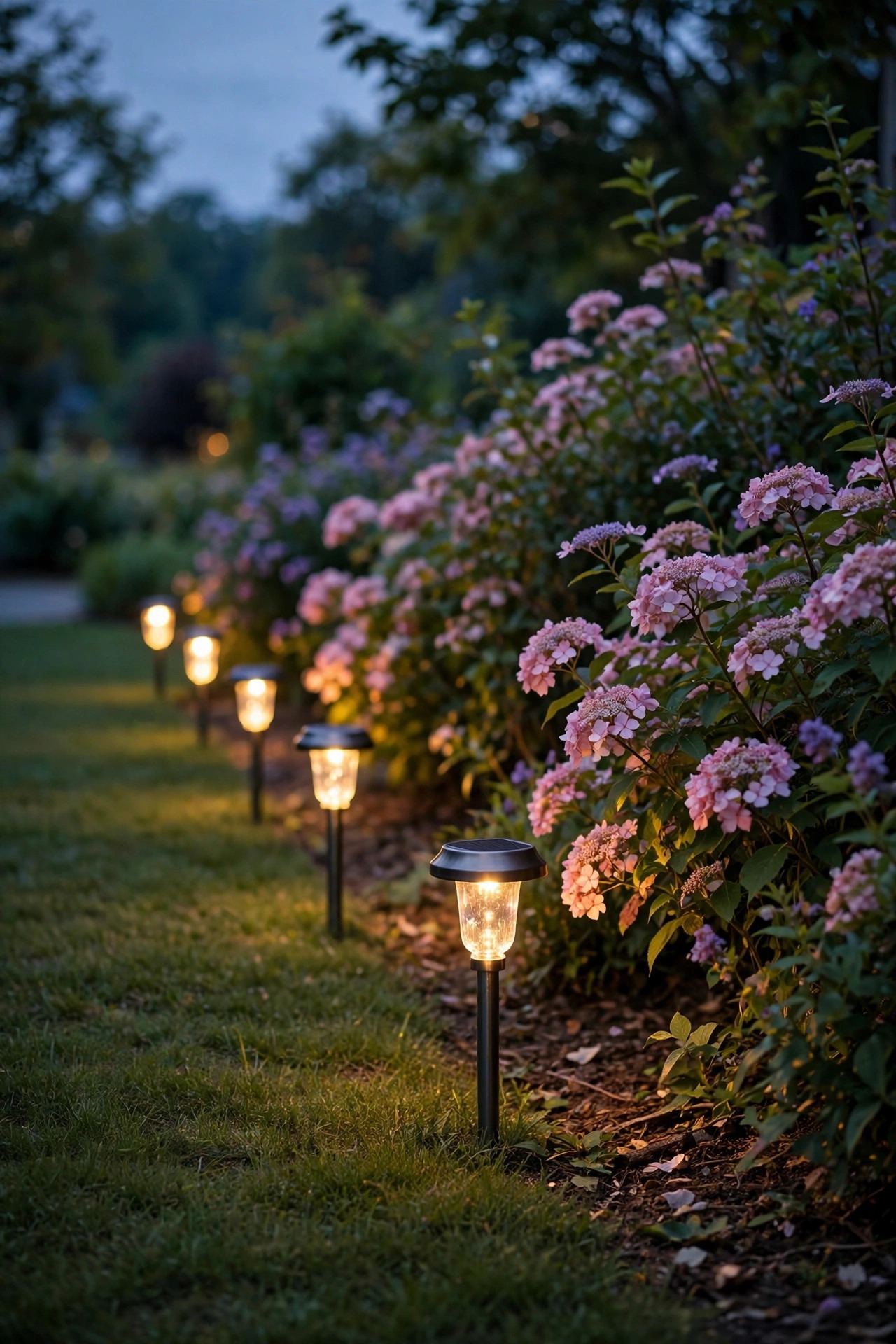
A path lit by one light bought in March, two more bought in May, and a "close enough" fourth from a different shelf never looks like a plan — it looks like a rummage sale. Manufacturers tweak LED tints between production runs, so even the same model bought months apart can glow a slightly different white. Singles also cost two to three times more per light than the same fixture inside a multipack. Decide your count first — measure the run, plan spacing of about 6 to 8 feet for path lights, then buy one matched set plus two spares for the inevitable mower casualty. My solar path lights guide walks through the spacing math if you want help counting. In the listing, confirm every light in the pack shares one color temperature and one lumen rating; some variety packs deliberately mix both. If you fall in love with a pricier single for a hero spot by the front door, fine — just do not build a whole run out of one-at-a-time purchases. Consistency is what makes solar lighting look designed instead of accumulated, and consistency comes free inside one box.
Suggested budget range: $28 – $55.

6. Expecting Dusk-to-Dawn Runtime From Accent-Sized Panels
Runtime is simple math that marketing loves to blur. A light can only burn at night what its panel gathered all day, and a panel the size of a postage stamp paired with a thimble battery physically cannot run a bright LED for twelve hours — especially in December, when nights stretch past fourteen hours and the sun sits low and weak. That is why so many accent lights die at 2 a.m., and why their owners conclude that solar simply does not work. Read the runtime claim carefully: "up to 8 hours" usually means on the dim setting, in June, after a cloudless day. If you need light until you go to bed in winter — a steady six to eight hours — shop for visibly larger panels, battery capacity stated in mAh, and lights with a dim-to-bright or motion-boost mode that sips power until someone walks by. For true dusk-to-dawn duty, solar formats with dinner-plate panels exist, but they cost accordingly. Matching the panel size to the hours you actually need turns a nightly disappointment into a non-event.
Suggested budget range: $40 – $90.
7. Skipping the Weather Rating Your Climate Actually Needs
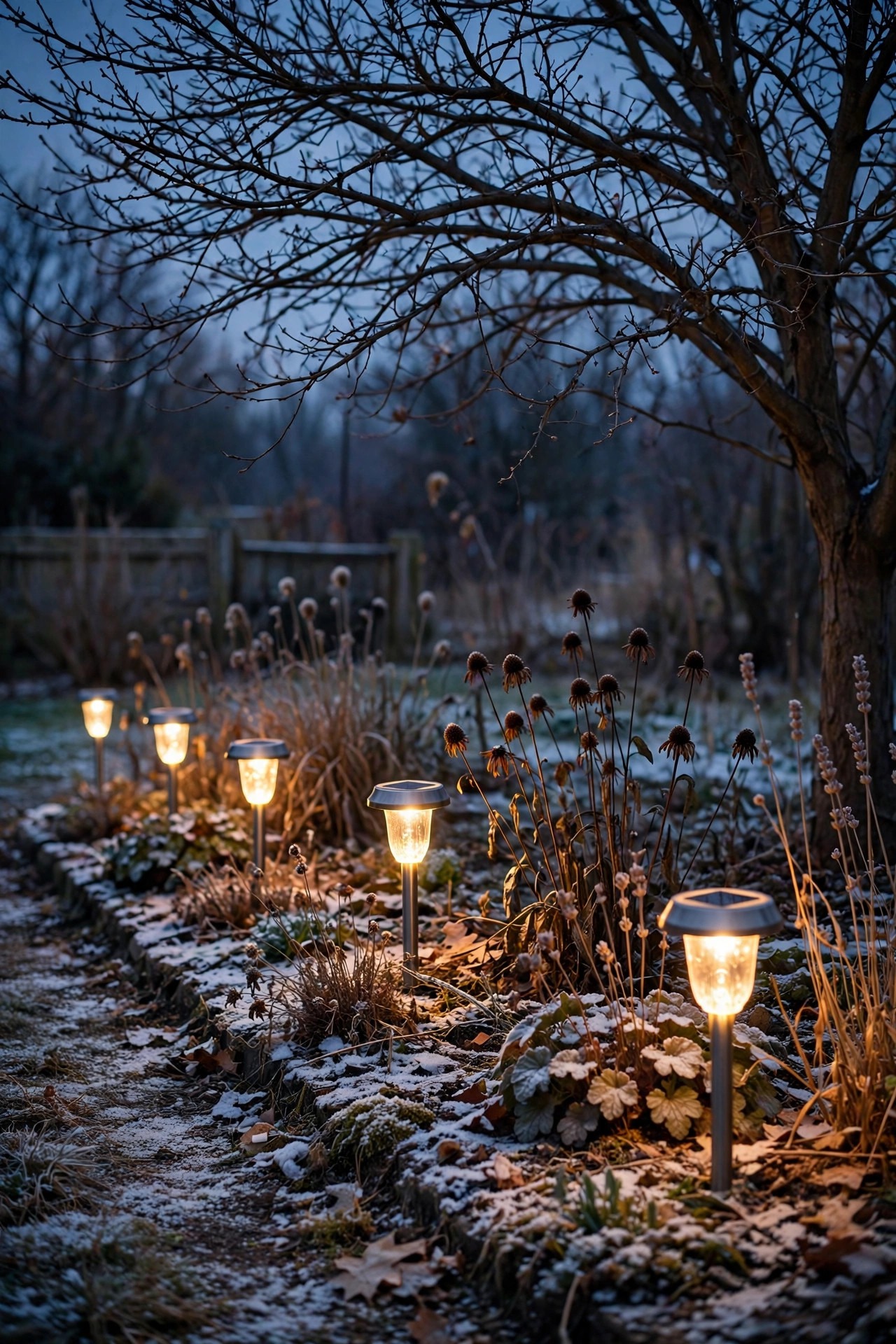
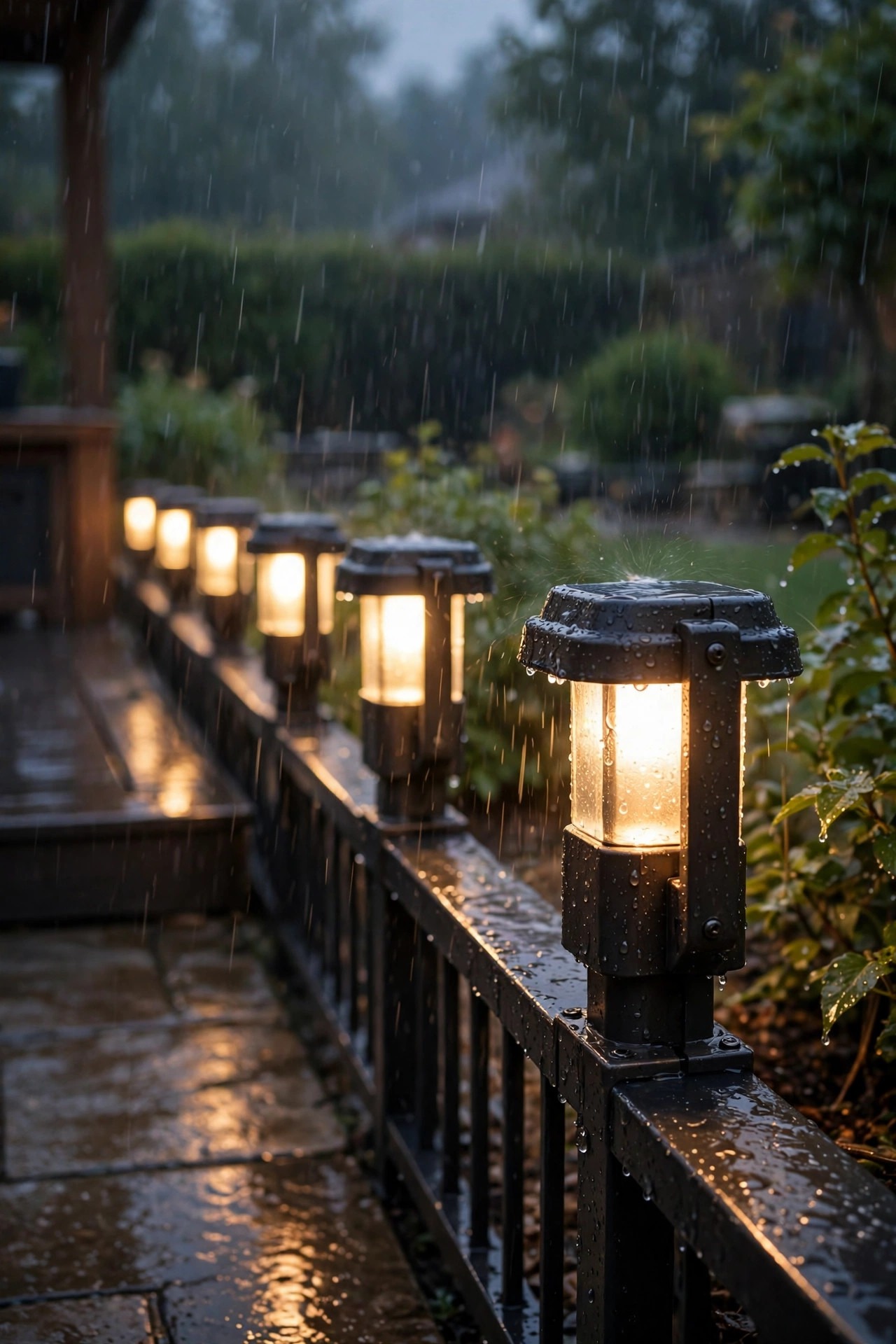
That little IP number on the box is the difference between a light that shrugs off a thunderstorm and one that fills with condensation by Halloween. IP44 means splash-resistant — fine under a porch roof. IP65 means sealed against water jets and dust, which is what an open garden bed in a rainy climate actually demands. If you live where winters bite, think about snow load and freeze-thaw too: thin brittle plastic stakes snap at 15°F, and water that seeps into a cheap housing expands as it freezes and cracks the lens from inside. In snowy regions I look for metal or thick ABS housings, stakes that pull out for winter storage, and disk lights rated for foot traffic on steps. Desert readers, your enemy is different — ultraviolet light. Unprotected plastic chalks and yellows after two summers of hard sun. Spot the problem in listings that say "waterproof" with no IP digits at all, or that only ever show the light in fair-weather photos. Buy the rating your worst month requires, not your average one — your lights have to survive the worst night of the year, not the nicest.
Suggested budget range: $30 – $70.
8. Mixing Brands and Color Temperatures Along One Path
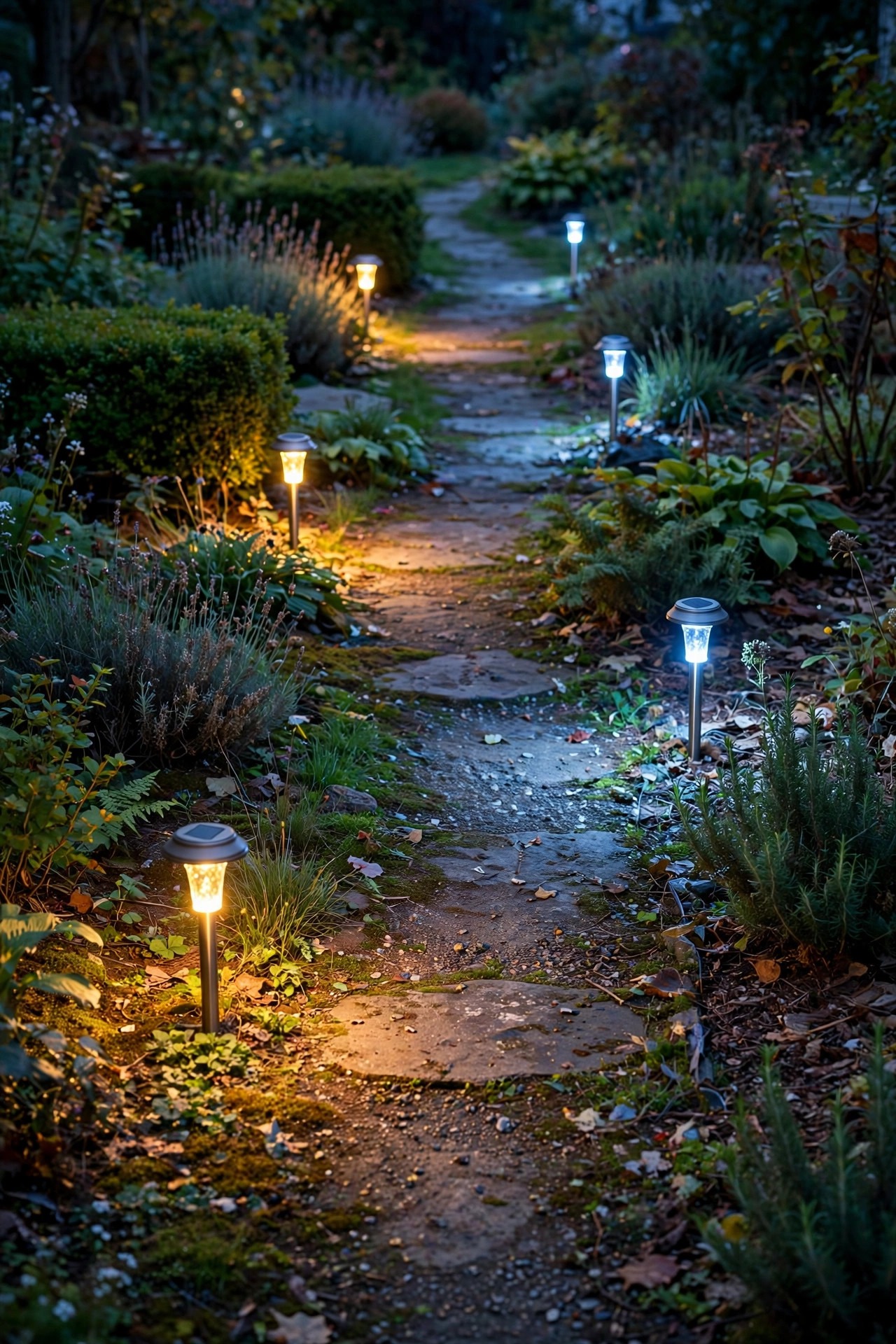
Your eye is merciless about a light run. One 6000K light dropped into a row of 3000K warm lights does not blend in — it shouts, and the path reads as patchy and accidental instead of calm and intentional. The same thing happens with heights and styles: a modern black stake, a faux-stone marker, and a fluted bronze lantern in one bed fight each other all night long. When a light dies, the temptation is to grab whatever single is on sale, and that is exactly how good runs unravel. Protect yourself at purchase time: buy two spares from the same box, and save the color temperature and lumen rating in a note on your phone, so a replacement two years from now can be matched on specs even if the model is discontinued. If you inherit a mismatched set from a previous owner, the cheapest fix is grouping — gather the warm lights for the front path where guests see them, and exile the odd cool ones to the side yard or the vegetable garden, where nobody judges. One path, one temperature, one family of fixtures: that single rule does more for curb appeal than any individual light you can buy.
Suggested budget range: $35 – $75.
9. The Worst of the Solar Light Buying Mistakes: Dim Solar Motion Lights for Security
Security is the one job where a solar light must perform on demand, and it is where bargain listings fail hardest. A motion light sold for the price of a sandwich often delivers 50–200 lumens — a night-light's worth of glow that will not identify a face, light a lock, or startle anyone. A useful solar motion light starts around 800–1,000 lumens, with a panel big enough to recharge that appetite daily, a battery with real capacity, and a sensor that reaches 15–25 feet. Test the claims against the hardware: a small panel plus a huge lumen claim equals fiction. Placement sins compound it — mounted at six feet over a driveway, a light illuminates the top of a head and nothing else; eight to ten feet up with a downward tilt covers the whole approach. For a back gate or shed sitting in deep shade, be honest that solar may be the wrong tool, and a battery-powered or wired light will serve you better. Spend real money once on the one light that guards your door, and let the twenty-dollar multipacks do the decorating — asking either to do the other's job is how yards end up both ugly and unsafe.
Suggested budget range: $45 – $110.

Frequently Asked Questions
How many lumens do solar path lights actually need?
For a gentle accent glow along a walkway, 10–30 lumens per light is plenty, spaced 6 to 8 feet apart so the pools of light overlap softly. If the light needs to do real work — steps, a gate latch, a house number — look for 50–100 lumens. Ignore any listing that will not state a lumen number at all.
How long should good solar lights stay on at night?
A well-matched light should give you six to eight usable hours in winter and close to dusk-to-dawn in summer. If yours fade by nine, the panel is too small, the battery is worn out, or the spot gets less sun than the light needs. Runtime claims are usually measured in June, so shop for December.
Can I replace the battery in any solar light?
Only if the light was designed for it, with a battery door, a twist-off base, or visible screws. Sealed units are glued shut and cannot be serviced without destroying them. When a replaceable-battery light fades after a year or two, a fresh rechargeable cell in the same size usually restores it for a couple of dollars.
What color temperature is best for solar garden lights?
Warm white, 2700–3000K, for everything decorative — paths, beds, porches, patios. It matches the glow from your windows and flatters plants and brick. Save anything cooler for a single motion light over a back gate, and even there stay at or below 4000K so the yard still feels like a home, not a lot.
Conclusion
None of these solar light buying mistakes takes a bigger budget to avoid — just a slower ten minutes in the aisle. Check the lumens, match the color temperature, respect the shade your yard actually has, and choose lights whose batteries you can replace years from now. Do that, and the box you carry home this spring is still glowing warm and even three summers later. If you are planning a full run, start with your longest path, buy one matched set with spares, and let that first success teach you what your yard needs next. Happy glowing — I will see you out there at dusk.