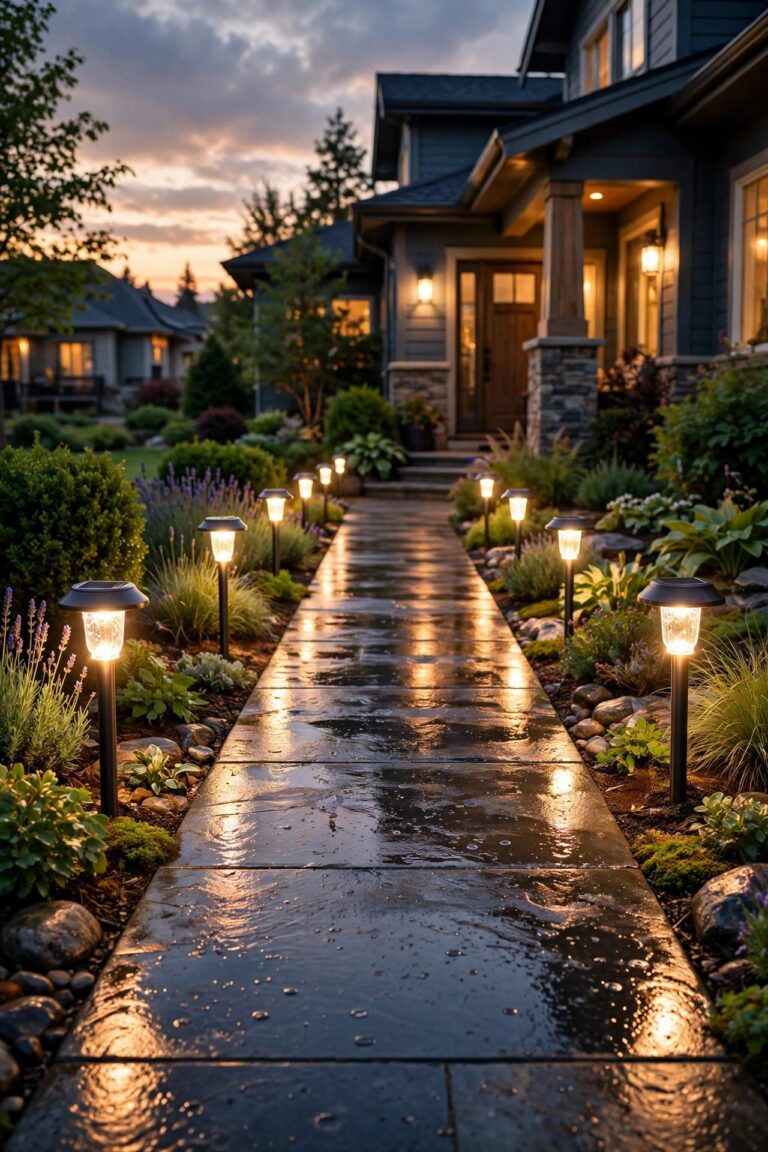
When I installed my first set of path lights, I honestly assumed they'd glow forever — it was only a few years later, standing in a dark garden with a dead transformer humming at me, that I started asking how long do landscape lights last in the real world, not on a sunny showroom shelf. The honest answer is "it depends," but it depends on things you can actually predict: the bulb technology, the fixture material, the weather your yard endures, and how kind you are with a soft brush and ten minutes of maintenance once or twice a year. In this guide I'll give you the realistic lifespan ranges for LED, halogen, and solar lights, explain why the hour ratings printed on the box are so cheerfully optimistic, show you which parts of a system wear out first, and share the habits that have kept some of my own brass fixtures glowing for well over a decade. By the end, you'll know roughly when every light in your yard will need attention — and how to push that date years further out.
The Short Answer
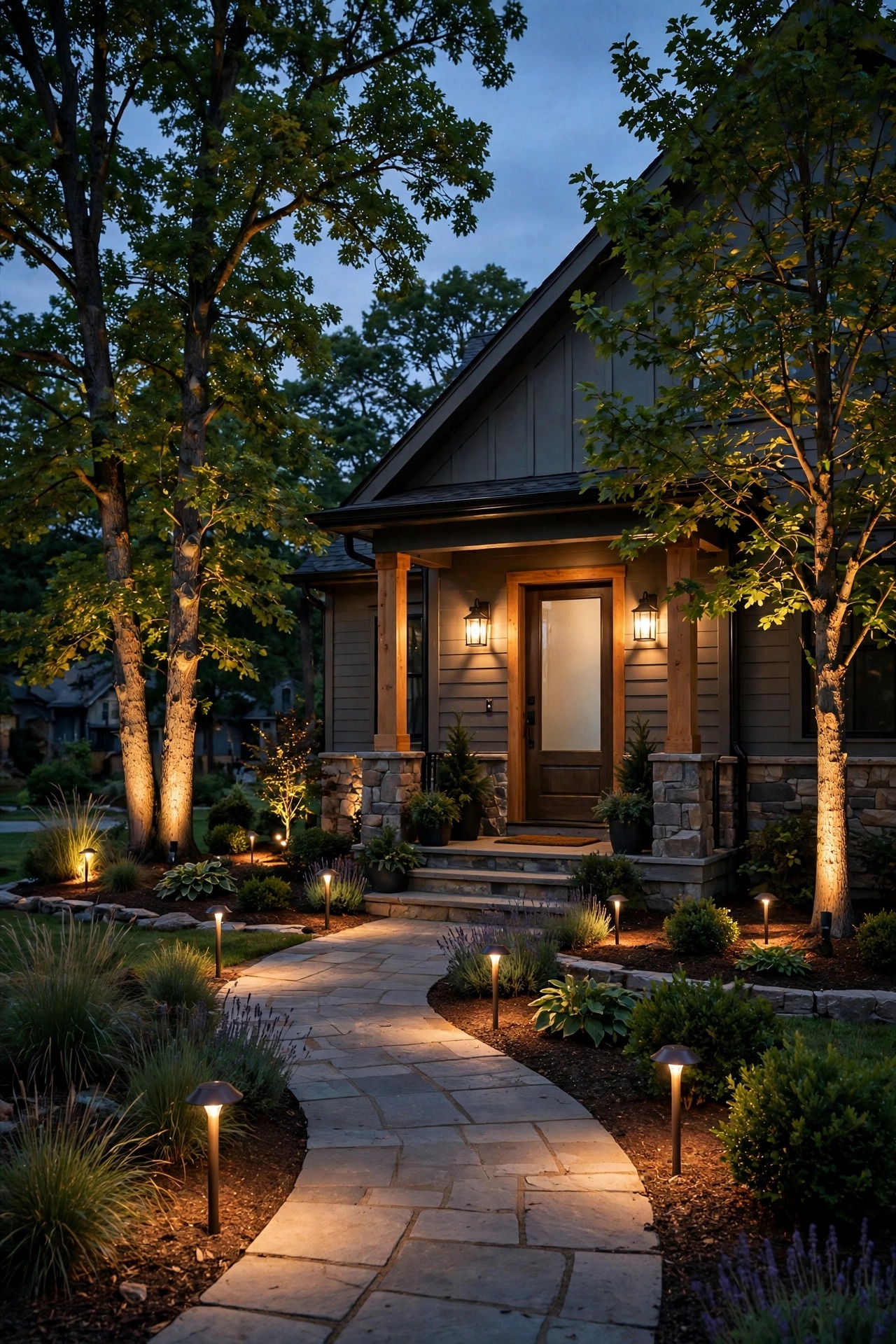
Most quality landscape lights last far longer than people expect. A well-made LED fixture or bulb typically serves 30,000 to 50,000 hours — roughly 8 to 14 years at dusk-to-late-evening use — while halogen bulbs fade after 2,000 to 5,000 hours, about one to three years. Solar lights are the short-distance runners: the light itself can last a decade, but the rechargeable battery inside usually needs replacing every two to four years. Fixture bodies matter just as much: solid brass can outlive us all, while thin plastic often cracks within three to five seasons. Care, climate, and water decide the rest.
How Long Do Landscape Lights Last? The Realistic Lifespan Chart
Hours are a clumsy way to think about a light that only works after dark, so let me translate everything into years. Most of us run our landscape lighting four to six hours a night — on at dusk, off at bedtime or around midnight. That works out to roughly 1,500 to 2,200 hours a year. If you run dusk-to-dawn, double it. The chart below assumes that typical evening pattern, a decent installation, and fixtures that aren't sitting in standing water. Find your light type and you'll have a fair prediction — not a promise, but a planning number you can actually use when you're deciding what to buy or when to budget for replacements.
| Light or part | Rated life | Realistic years outdoors |
|---|---|---|
| LED replacement bulb (MR16, G4) | 25,000–50,000 hours | 8–15 years |
| Integrated LED fixture | 30,000–50,000 hours | 10–15 years |
| Halogen bulb | 2,000–5,000 hours | 1–3 years |
| Solar light (whole unit) | Not hour-rated | 3–5 years |
| Solar rechargeable battery | 500–1,000 charge cycles | 2–4 years |
| Solid brass or copper fixture | Not hour-rated | 20+ years |
| Cast aluminum fixture | Not hour-rated | 10–15 years |
| Plastic fixture | Not hour-rated | 3–5 years |
| Low-voltage transformer | Not hour-rated | 15–25 years |
Two things jump off that chart. First, in a modern LED system the bulb is rarely the first thing to die — seals, lenses, and wire connections usually give up before the diode does. Second, the spread inside every row is wide, and it's set by build quality and your yard's conditions, not by luck. A light at the top of its range and a light at the bottom can be the same model in two different gardens. The sections below walk through each row so you can figure out where your own system sits.

Why the Numbers on the Box Are So Optimistic
That "50,000 hours" on the package isn't a lie, exactly — but it was earned in a laboratory, not in your flower bed. In the lab, the bulb runs at a steady, friendly voltage, in clean, room-temperature air, with nothing splashing it, freezing it, or baking it under a summer sun. Your yard offers none of those kindnesses, and the gap between lab life and yard life is where most disappointment lives.
There's a second catch: for LEDs, "life" doesn't mean the moment the light goes dark. The industry defines LED lifespan as L70 — the point where the bulb has faded to 70 percent of its original brightness. A bulb can technically be "alive" at year twelve and still be too dim to light your steps safely. Halogen ratings are stricter — the filament actually fails — but they're also median figures, meaning roughly half the bulbs in a production run die before the printed number and half after.
Heat is the quiet multiplier. An LED sealed inside a small, unvented fixture on a 95°F night ages far faster than the same diode on an open test bench. My honest rule of thumb: take the number on the box and expect about 60 to 70 percent of it outdoors. A 50,000-hour LED that delivers 30,000 real hours is still a decade of evenings — just plan with your eyes open.
LED Bulbs and Integrated Fixtures: The Long-Lived Champions
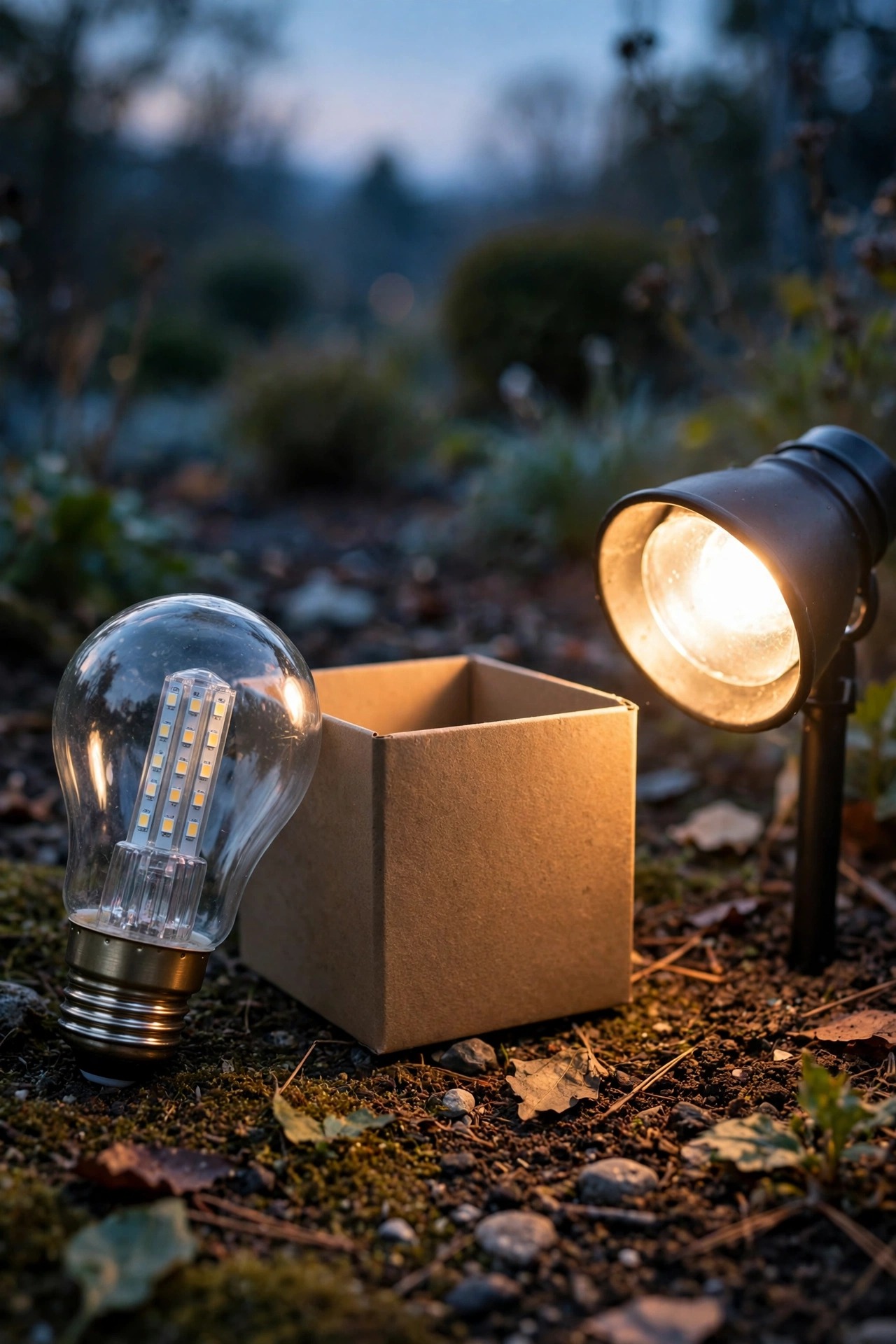
LEDs changed the lifespan conversation completely. A quality replaceable LED bulb — the little MR16 in your spotlights or the G4 capsule in your path lights — is typically rated 25,000 to 50,000 hours, and in my yard the good ones genuinely deliver a decade or more of evenings. Interestingly, the diode itself almost never dies outright. What fails first is the tiny driver electronics in the bulb's base, cooked slowly by its own heat, or the solder joints after thousands of warm-up and cool-down cycles.
Integrated fixtures, where the LED is built into the housing rather than screwed in, usually last even longer. The manufacturer designs the metal body as a heat sink, seals the whole unit against moisture, and there's no socket to corrode. The trade-off arrives at the end: when an integrated fixture finally fades, you replace the whole fixture instead of a bulb. I go back and forth on which approach wins for a given spot, and I laid out the honest pros and cons in my comparison of integrated LED vs. bulb-based fixtures if you're choosing for a new project.
Either way, the practical expectation is the same: buy decent LEDs once and you'll likely replace them because you fancied a change, not because they died.
Halogen and Incandescent: Gorgeous Light, Short Life
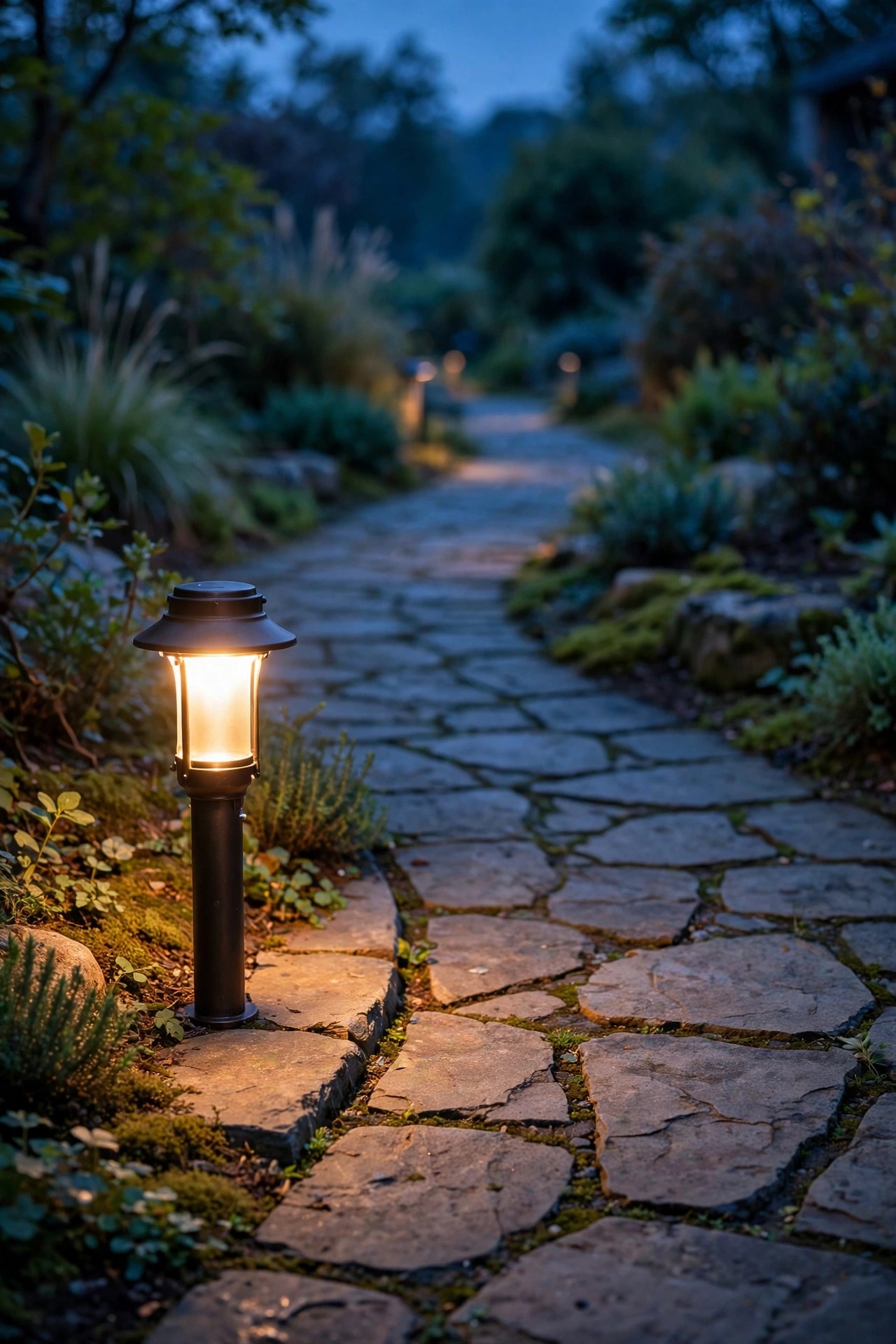
Halogen bulbs are the sprinters of the garden. A typical MR16 halogen is rated just 2,000 to 5,000 hours — one to three years of evenings — and the filament gets more fragile every hour it burns. By year two, a sharp knock from a mower or a falling branch can finish a bulb that was technically still working. Incandescent bulbs, still found in some older porch and post fixtures, are shorter-lived still, often giving up around 1,000 to 2,000 hours.
That short life used to be the accepted price of that warm, sparkly halogen glow, and plenty of gardeners paid it happily, swapping bulbs every spring like changing a smoke-alarm battery. These days I only recommend halogen if you truly love the look in one or two hero fixtures — a special piece of sculpture or a specimen tree. Everywhere else, an LED retrofit bulb in the right color temperature is nearly indistinguishable once the sun goes down.
If you're not sure which bulb types your fixtures even take, my guide to landscape lighting bulb types walks through MR16, G4, and PAR36 identification — worth a look before you order replacements and discover you guessed wrong.

Solar Lights: It's the Battery That Dies First
When a solar path light fades after two or three seasons, the natural assumption is that the light "wore out." It almost never did. The LED in a solar stake could shine for decades, and the solar panel degrades only slowly, losing a little output each year. What actually dies is the small rechargeable battery inside, which survives only about 500 to 1,000 charge cycles — and a solar light cycles every single day. Do the math and you land at two to four years, less if the light sits in partial shade and never quite fills its battery, which ages it even faster.
This is why two solar lights bought the same day can age so differently. A model with a replaceable battery can live almost indefinitely — new battery every few years, panel wiped clean each spring — and I have a set in my side yard on its third battery and eighth year. A sealed bargain stake, the kind sold in big multipacks, is effectively disposable: when the battery fades at year three, the whole unit goes in the bin.
If solar suits your yard, buy the kind you can open. That one feature is worth more than any brightness claim on the box, and it's the difference between a three-year light and a ten-year one.
Fixture Bodies: Brass, Aluminum, and Plastic Age Very Differently
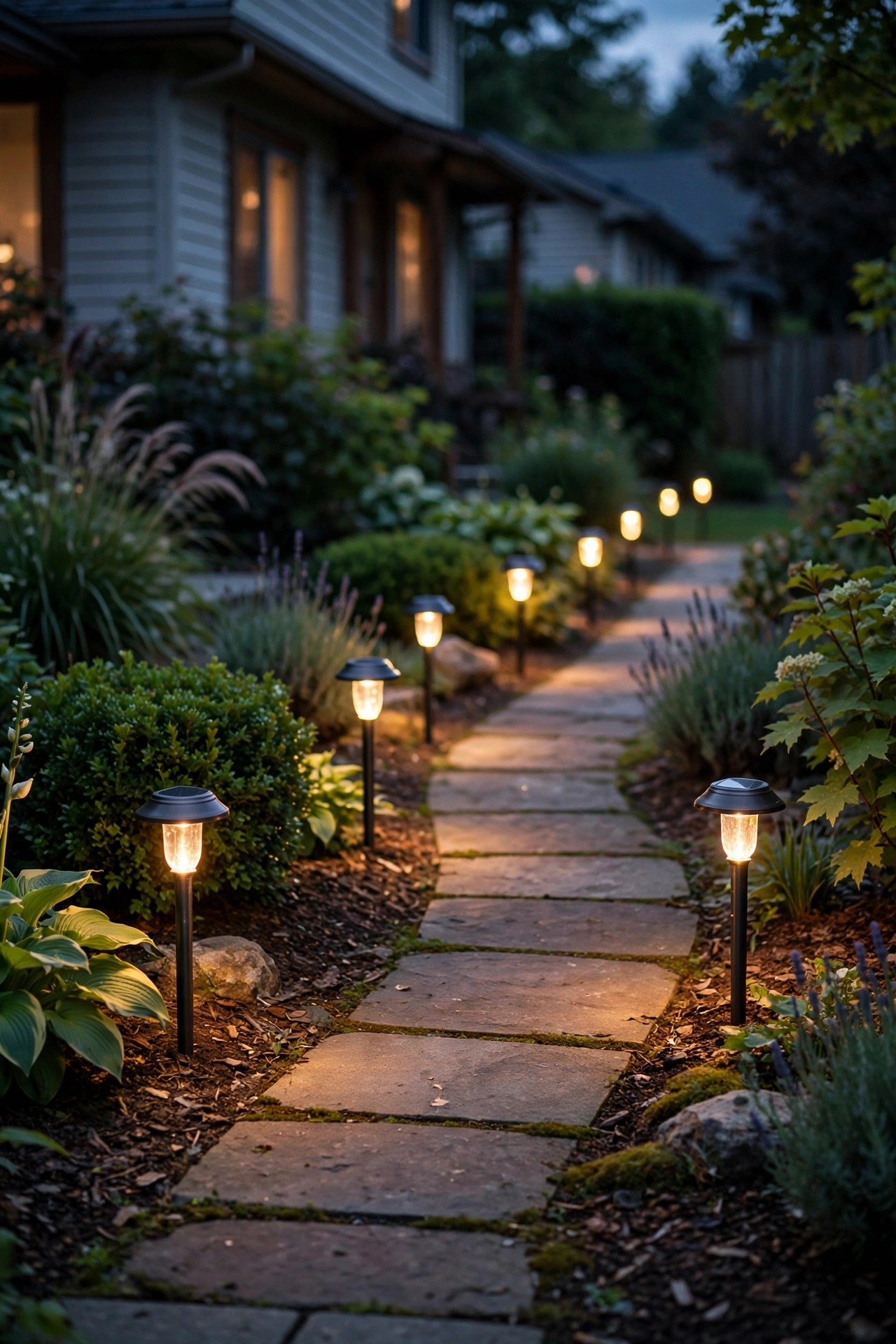
The bulb gets all the attention, but the housing decides whether a fixture is a three-year purchase or a thirty-year one. Solid brass and copper are the aristocrats: they don't rust, they shrug off knocks, and their surfaces develop a soft patina that most of us find prettier than the showroom shine. I have brass path lights that have survived fifteen winters, two toddlers, and one very determined lawn service, and they will unquestionably outlive their third set of bulbs.
Cast aluminum is the respectable middle class — light, strong, and usually protected by a powder-coated finish good for ten to fifteen years before it starts to chalk and pit, especially near the coast. Painted or stamped steel is the gambler: fine until the coating chips, then rust moves in fast. And plastic is the sprinter of materials. UV sunlight makes it brittle within three to five seasons, after which a frost or a stray soccer ball cracks it.
Lenses age on their own schedule, too. Glass stays clear for decades; polycarbonate slowly yellows and clouds, quietly stealing brightness years before the bulb fades — a fact worth remembering before you blame a "dying" light.
The Supporting Cast: Transformers, Wire, and Connectors
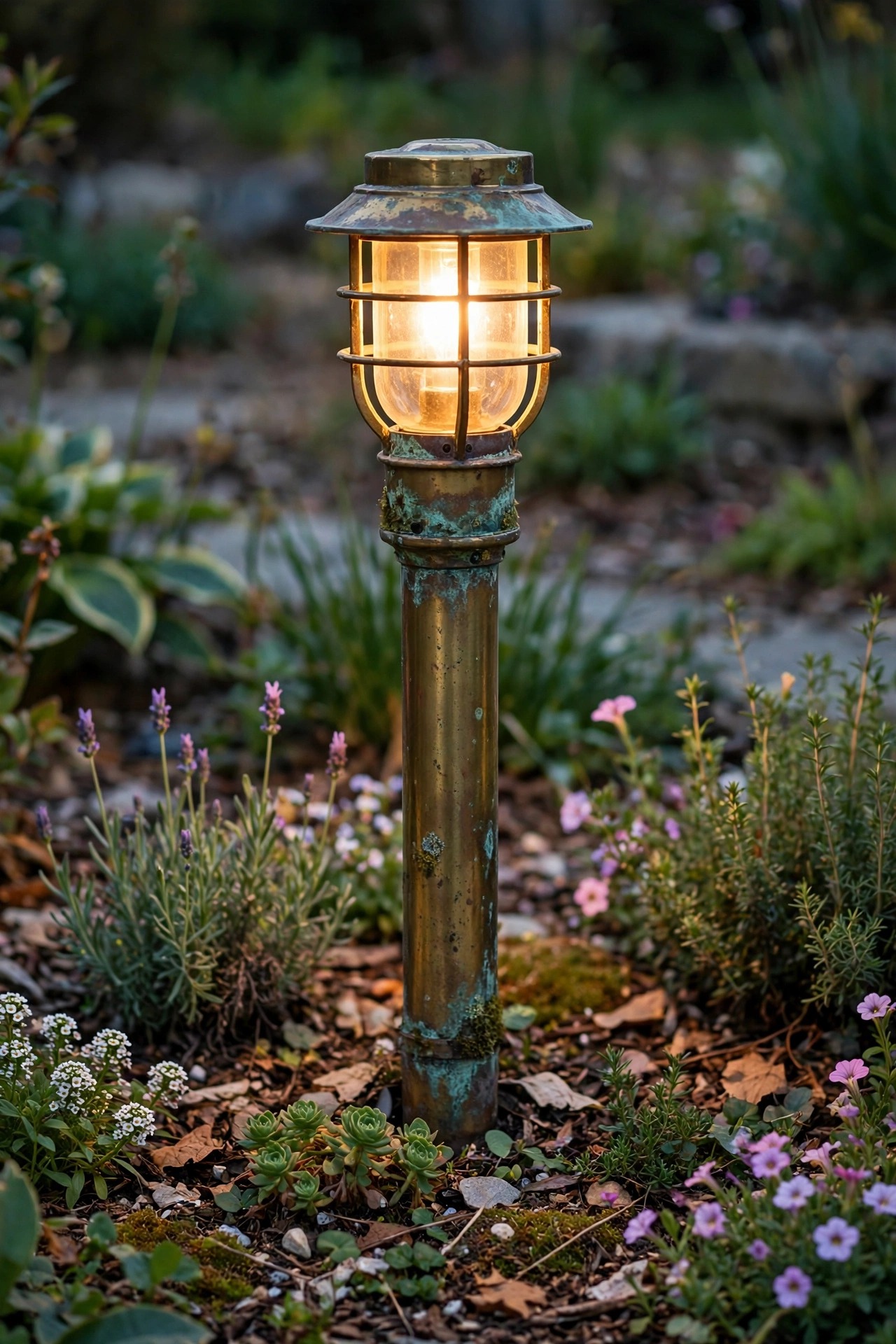
A lighting system is only as long-lived as its least glamorous parts. The transformer is the tortoise of the system: a quality low-voltage transformer has almost no moving parts, and fifteen to twenty-five years of service is normal. Its accessories are frailer — built-in photocells and digital timer modules commonly tire after five to ten years, which is why an older system sometimes "forgets" its schedule while the power itself is perfectly fine. The good news is those modules are usually replaceable on their own.
Buried low-voltage cable is nearly immortal. Its thick insulation is made to sit in damp soil for decades, and most cable failures I see are actually shovel failures — a spade through the run during a planting weekend, not age at all. The wire itself will likely outlast every fixture it feeds.
The real weak points are the connections. Old pierce-point connectors — the kind that bite through the cable insulation — invite moisture in and commonly corrode within three to seven years, taking a whole run dim or dark. Gel-filled waterproof connectors, properly crimped, last several times longer. When an aging system flickers, I check the connectors long before I blame the fixtures.
What Actually Kills Landscape Lights Early
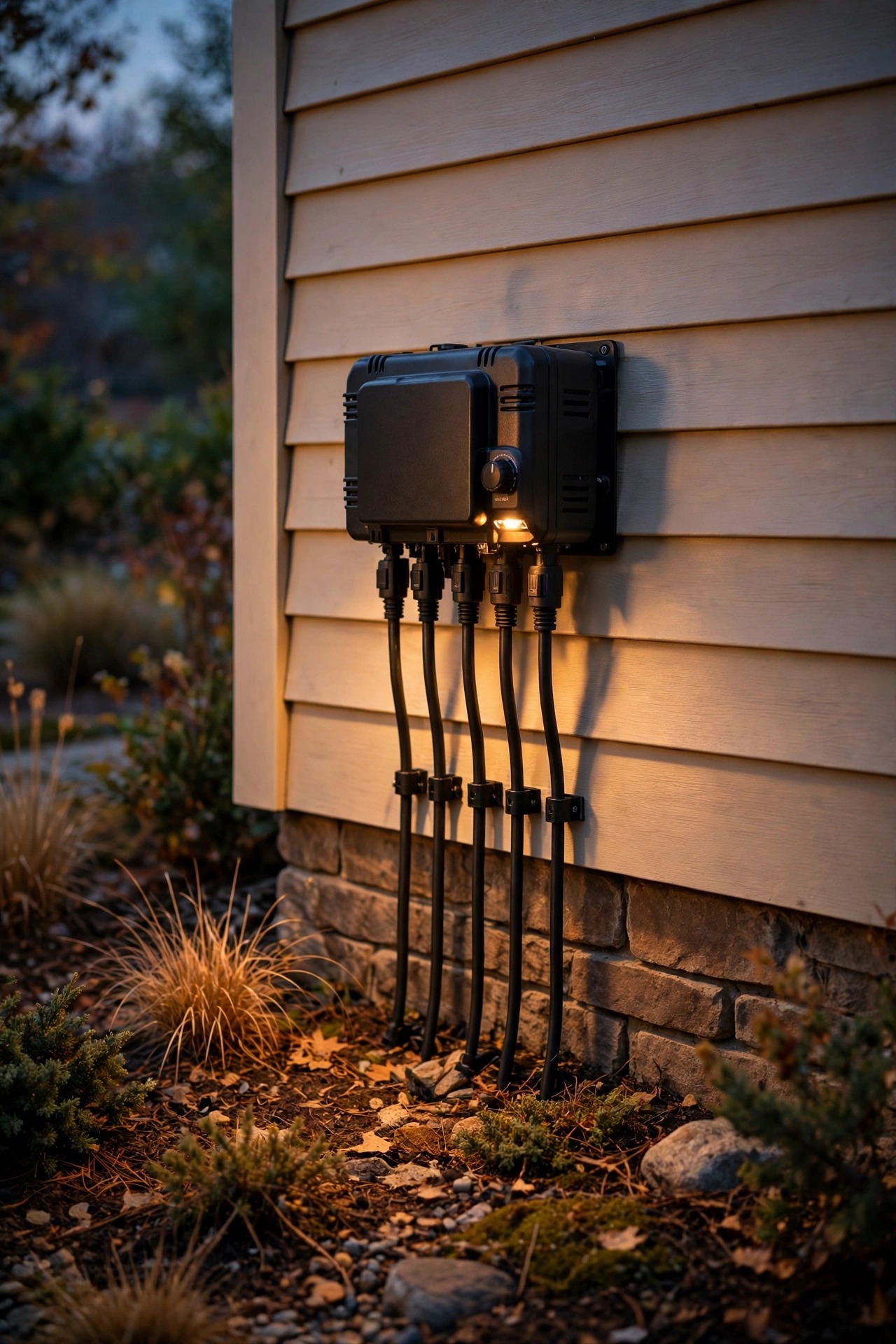
In my experience, landscape lights rarely die of old age. They're murdered, slowly, by a short list of culprits. Water is the chief assassin: it seeps past tired gaskets, condenses inside lenses on cool nights, and corrodes sockets and contacts from the inside out. A fixture that "just stopped" in October usually drowned in slow motion over two summers.
Heat runs a close second, especially inside sealed fixtures and lights buried under mulch — and mulch is a culprit of its own. Every spring, well-meaning gardeners (I've been one) pile fresh mulch over path light bases and around well lights, trapping heat, holding moisture against the housing, and sometimes burying the light's neck entirely. Add lawn equipment as the third killer: string trimmers chew cable insulation and crack plastic stakes with cheerful efficiency, and mower strikes bend or snap fixtures at ground level.
Finally, there's slow starvation. As connections corrode and resistance creeps up, lights at the end of a long run grow dimmer year by year — not because the bulbs are dying, but because less voltage reaches them. It's the most misdiagnosed "death" in the garden, and often the cheapest to fix.
How Long Do Landscape Lights Last in Harsh Climates?
Geography rewrites the chart. On the coast, salt air attacks everything: aluminum pits, steel rusts within a single season, and even brass needs a rinse now and then to keep its contacts clean. Expect to trim the lifespan ranges by a quarter or more within a few miles of the ocean, and lean hard into brass, copper, and quality stainless hardware.
The desert Southwest trades salt for sun and heat. UV radiation ages plastic and polycarbonate lenses at double speed, and fixtures baking through 120°F afternoons shed LED life fast — in that kind of heat, I'd plan on the bottom half of every range. Northern yards face freeze-thaw instead: water gets into hairline cracks, freezes, and pries seals open a fraction wider each winter, while frost heave tilts stakes and stresses cable. And in the humid Southeast, the enemy is simply moisture that never leaves — condensation, algae film on lenses, and corrosion that works twelve months a year.
None of this means avoiding outdoor lighting in a tough climate. It means buying one tier better than you think you need, and treating the ranges in this guide as your local forecast, not a guarantee.

Habits That Double a Light's Life
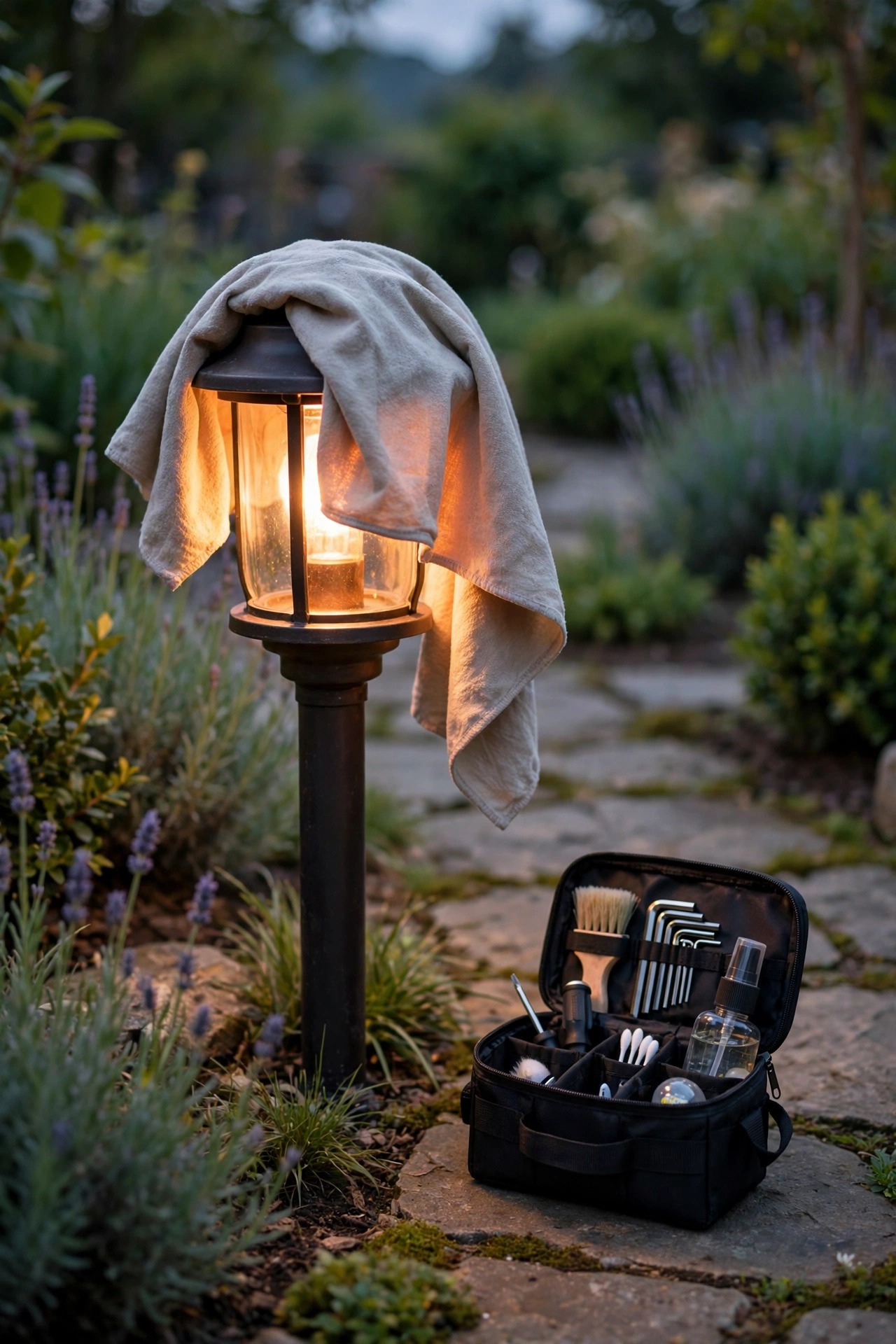
The gap between a five-year light and a fifteen-year light is rarely the purchase — it's the ten minutes of attention a couple of times a year. My own routine is simple. In spring and fall, I walk the yard at dusk and just look: which lights are dim, tilted, overgrown, or dark? Then, with the power off, I wipe lenses with a soft damp cloth — you'd be amazed how much "dead bulb" is actually a dirty lens — clear mulch and soil away from fixture bases, snip back plants that have swallowed a light, and check that every stake stands straight and every lens cap is snug.
Once a year I go a little deeper: open the fixtures that allow it, look for water or white corrosion, add a dab of dielectric grease to sockets and contacts, and confirm the transformer area is dry and its vents aren't clogged with leaves or a wasp nest. It sounds fussy written out, but the whole ritual takes less time than one Saturday coffee.
If you want the full seasonal routine in one place, my outdoor lighting maintenance checklist breaks it down by season — tape it inside the garage door and your lights will thank you in years.
What It Costs in 2026
Lifespan only matters in dollars, so let's run the real numbers. A replaceable LED MR16 or G4 bulb costs about $6 to $15, and at a decade of service that's roughly a dollar a year — the cheapest light you'll ever own. When an integrated LED fixture finally fades, replacement runs $40 to $120 per fixture, which is why I favor replaceable-bulb designs in spots that get knocked around. Halogen bulbs are cheap to buy at $4 to $8, but replacing a dozen of them every two years quietly adds up to more than the LEDs would have cost.
Solar math is sneakier. A replacement rechargeable battery is only $3 to $6, so a maintainable solar light costs almost nothing to keep alive — but a sealed $8 to $25 stake light replaced every three years costs more per year than a $60 brass path light that serves fifteen. A new transformer, when the day eventually comes, runs $100 to $300 depending on wattage and smart features, and a professional troubleshooting visit typically costs $150 to $300 if you'd rather not play detective yourself.
Running costs barely move the needle — a whole LED system often uses $10 to $25 of electricity a year. The real money is in replacement cycles, so buy for the second decade, not the first season.
5 Mistakes That Shorten Your Lights' Lives
Most early deaths trace back to these five, and I'll confess I've committed at least three of them myself.
1. Pressure-washing the fixtures. It feels efficient, and it drives water straight past the gaskets. A garden hose on a gentle spray is the strongest wash a landscape light should ever get.
2. Letting mulch swallow the bases. Buried fixtures trap heat and moisture and corrode years early. Keep a small clear ring of gravel or bare soil around every light.
3. Ignoring the first flicker. Flickering is corrosion clearing its throat. A cheap connector fix today prevents a dead fixture — and a dark run — next season. I keep a handful of spare gel-filled connectors in the garage precisely for this moment, because ten minutes with a flicker in April beats a Saturday of detective work in September.
4. Cranking the voltage to brighten dim lights. Tapping a higher-voltage terminal to compensate for a tired run cooks bulbs and drivers fast. The lights look gloriously bright for a few weeks, and then they start dying in bunches. Fix the resistance, not the symptom.
5. Storing solar lights dark all winter. Batteries left uncharged for months in a cold garage often never recover. Charge them fully first, or bring the batteries indoors. The same goes for leaving bargain stakes out to freeze and thaw all winter — if a light was cheap and the ground is heaving, pull it, clean it, and store it somewhere dry.
Frequently Asked Questions
Do LED landscape lights really last 50,000 hours?
Sometimes — the diode itself can. Outdoors, heat, moisture, and driver electronics usually end the story sooner, and 25,000 to 40,000 hours is a more honest planning number. Even so, that's roughly 8 to 14 years of normal evening use, which is why LEDs are still the longest-lived choice by a wide margin. Remember, too, that LED "end of life" means faded to 70 percent brightness, not stone dead.
Why did my solar lights stop working after one winter?
Almost always the battery. Short winter days never fully recharge it, cold reduces its capacity, and a few weeks of deep discharge can finish a small rechargeable cell for good. Clean the panel, give the light two or three full sunny days, and if it's still dim, replace the battery — on any model that opens, that's a five-minute fix that makes the light behave like new.
My path lights get dimmer every year. Are they dying?
Probably not — or at least, not the bulbs. Gradual dimming is usually dirty or yellowing lenses, corroding connectors, or voltage drop along an aging run. Clean the lenses first, then check the connections nearest the dim lights. True LED fading happens too, but it should be your third suspect, not your first. A ten-minute inspection saves most people an unnecessary bulb order.
Is it worth repairing an old fixture, or should I just replace it?
Repair it if the housing is sound. On a brass or cast-aluminum fixture, a new bulb, socket, or connector restores decades of remaining life for very little money. Replace it if the body is cracked, rusted through, or the plastic has gone brittle — at that point every repair is money into a fixture that's already finished. Sealed integrated fixtures sit in the replace column by design.
Conclusion
So, how long do landscape lights last when they're chosen well and treated kindly? Long enough that the question changes from "when will they die?" to "what do I want this yard to become?" A brass fixture with an LED heart, connected properly and wiped clean twice a year, is close to a permanent feature of your home — and even humble solar lights can serve a decade if you can swap their batteries. Buy the best housings you can afford, go easy on them with the hose and the mulch, and your evenings will stay golden for years. If you're planning a system from scratch, browse the rest of my lighting guides and ideas here on the site for layouts worth keeping that long.