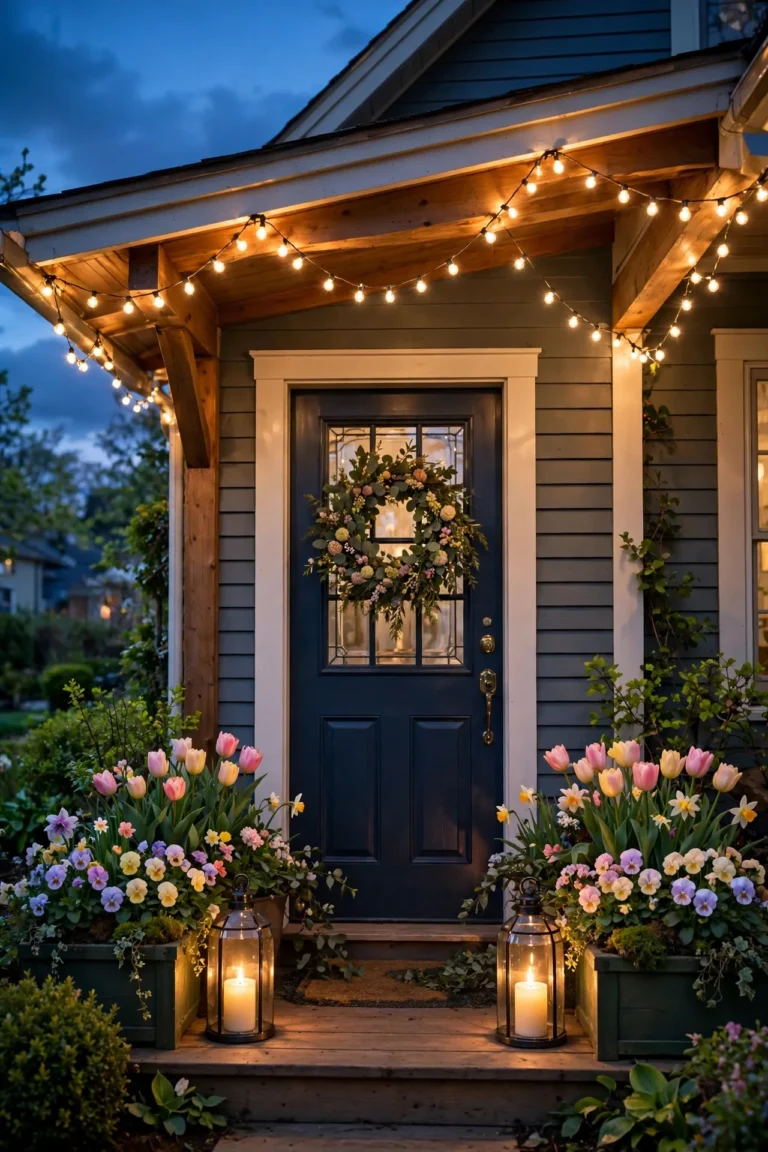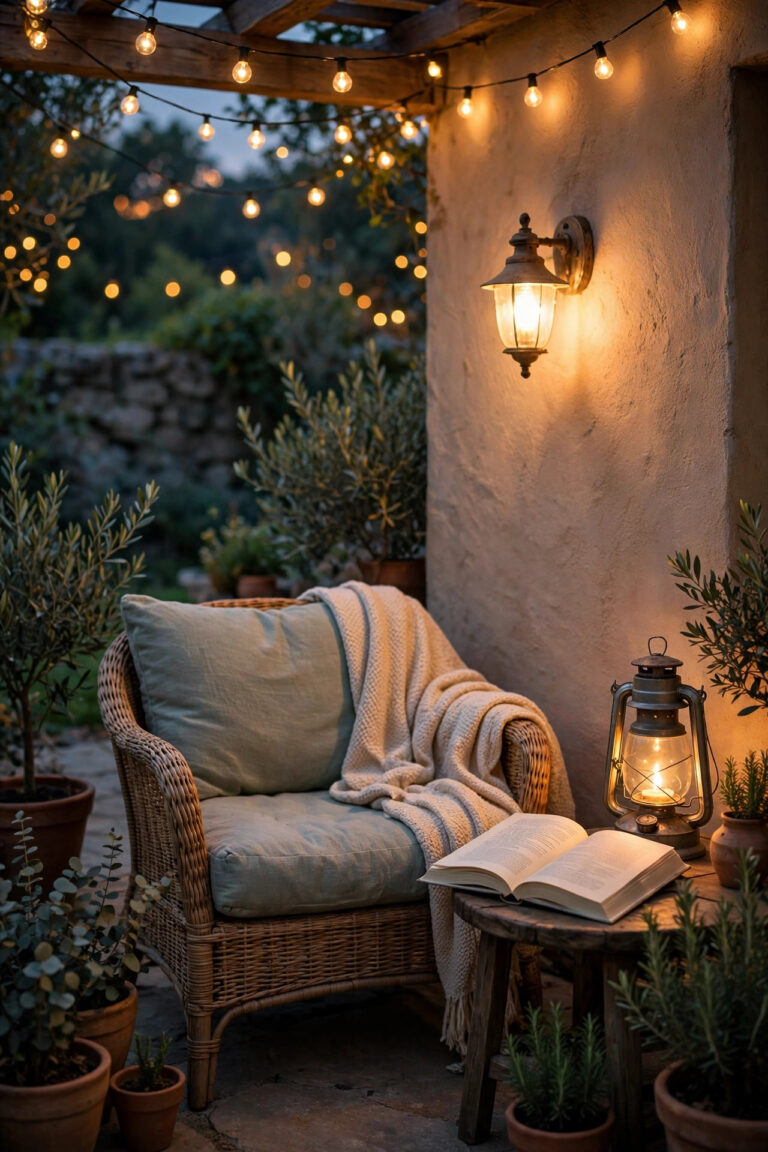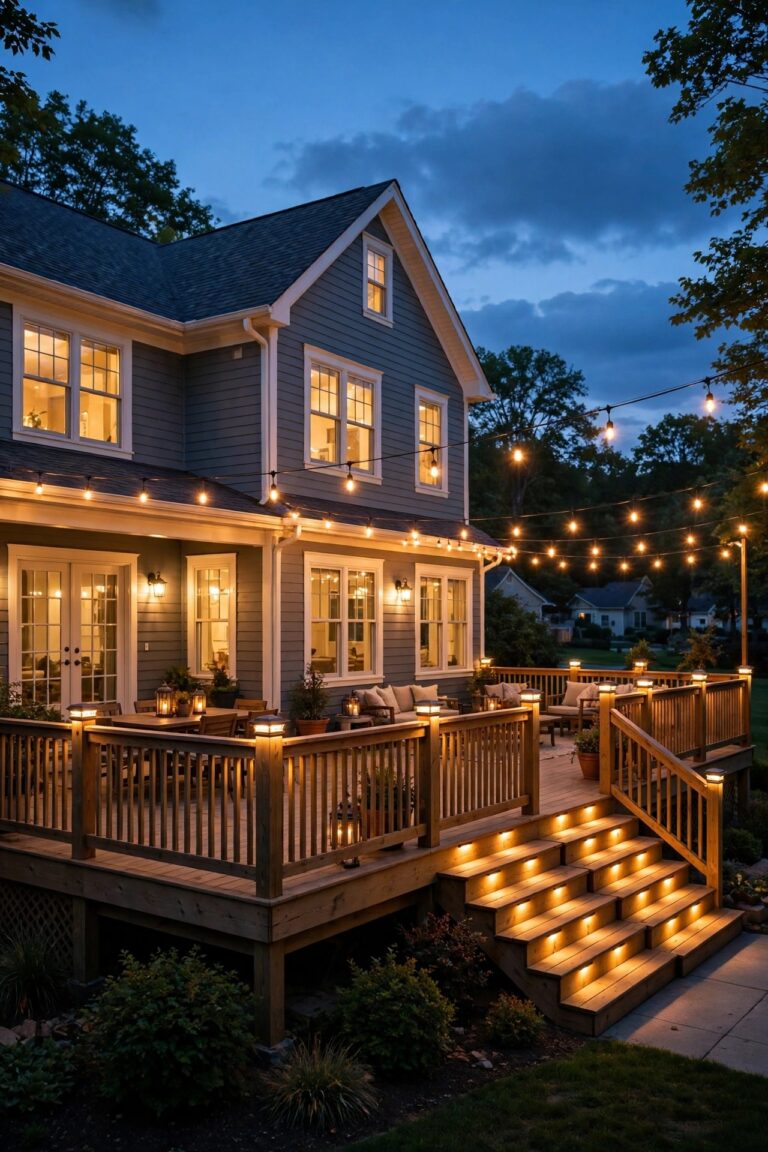
My back fence line sits a good 60 feet from the nearest outlet, and for years that whole stretch of yard simply went dark after dinner. Dragging extension cords across the lawn was ugly and a tripping hazard, so I went hunting for the best solar string lights that could give me that warm café glow with zero wiring. Honestly? The first cheap strand I tried faded by 9 p.m. and did not survive its first winter. That failure taught me what actually matters with solar: panel size, battery capacity, and honest runtime. A strand that runs 8 to 10 hours in June may only manage 4 to 6 in December, and a tiny panel glued beside the first bulb will never charge properly in a shady corner. Below are the 11 types I now recommend, from heavy-duty strands with separate panels to fairy wire you can wrap around a tree in ten minutes. Every pick is solar only — no outlet, no cords, no electrician — just layered, welcoming light for fences, pergolas, trees, and rental yards where plugs simply do not reach.
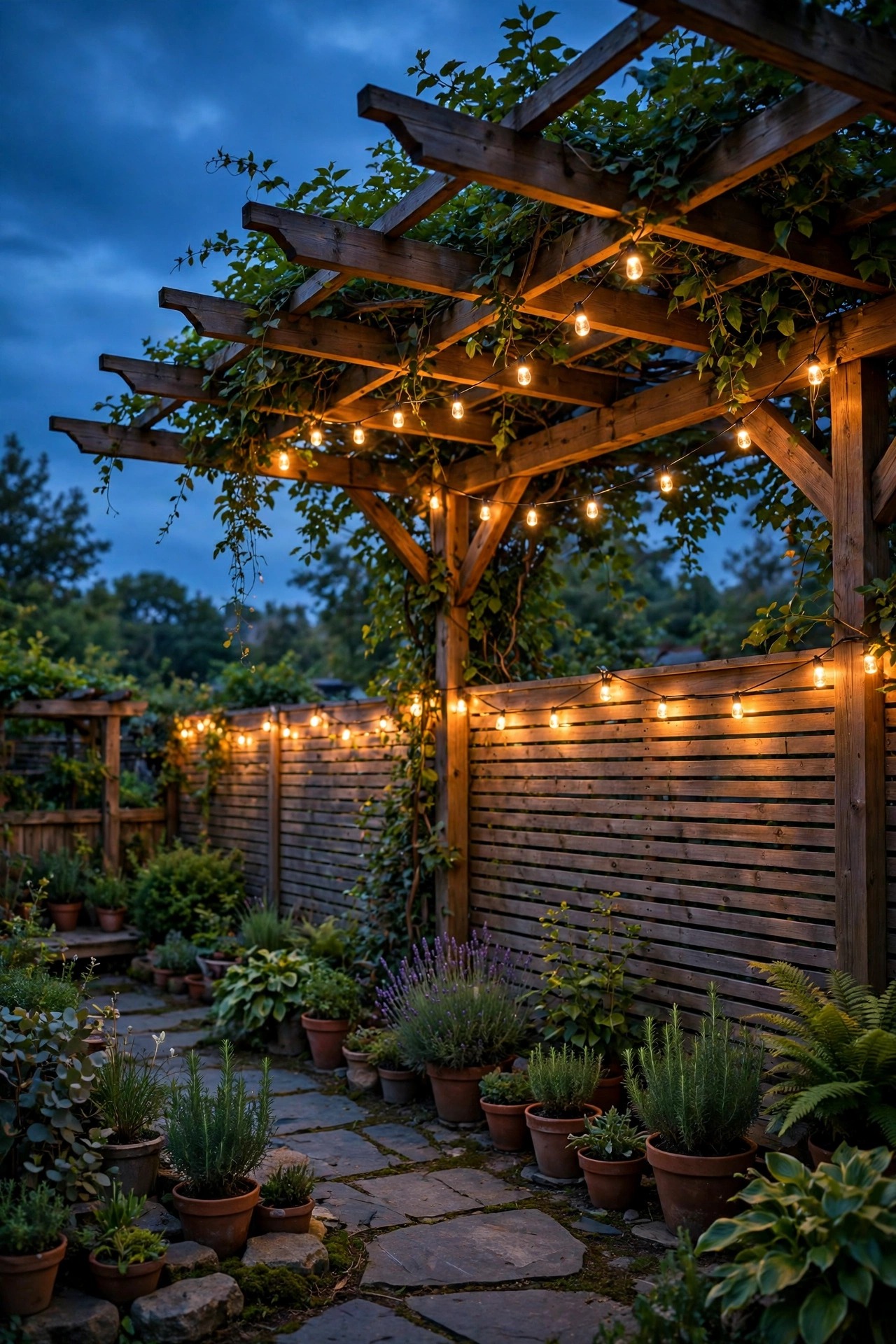
1. Heavy-Duty Commercial-Style Strands: The Best Solar String Lights for Brightness That Lasts
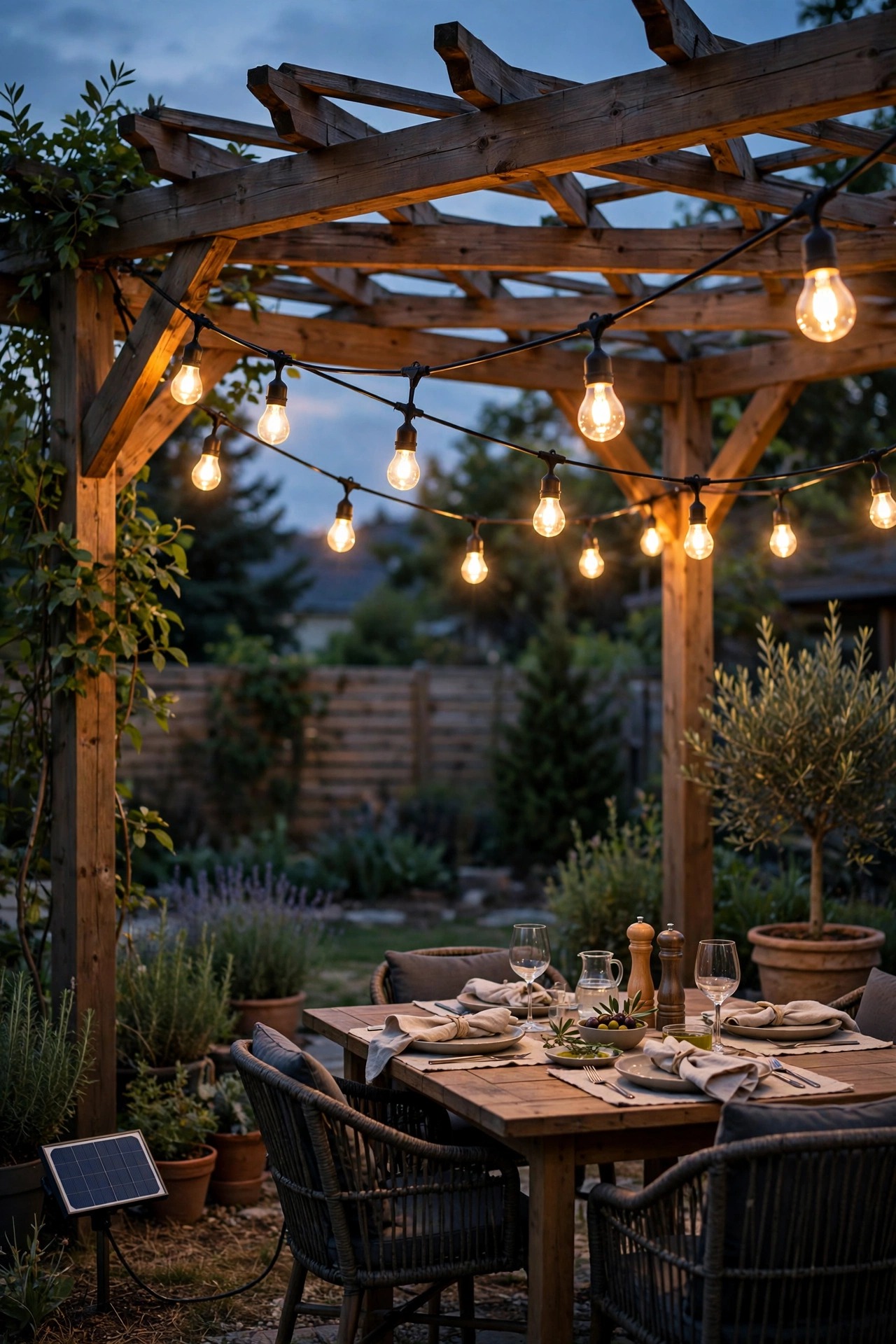
If you only buy one type, make it this one. These strands pair a thick, commercial-style cable and hanging sockets with a separate solar panel on a ground stake or mount, connected by several feet of lead wire. That separation is the whole trick: the panel goes where the sun actually is — 6 to 8 hours of direct light — while the bulbs hang where your people are, even in full shade. It is exactly how I light my pergola, and my solar pergola lighting ideas go deeper on placement. Because the battery is bigger, these strands honestly run 8 to 10 hours on a summer night instead of fading by dessert. The honest limits: they are the heaviest and priciest option here, long spans need a guide wire or poles so the cable does not sag, and the panel still needs a genuinely sunny spot. Best for pergolas, main patios, and anyone whose seating area sits in shade all day. They are also the strand I recommend to friends who want one purchase to simply work for years.
Suggested budget range: $45 – $90.
2. Shatterproof Plastic-Bulb Strands for Families and Play Yards
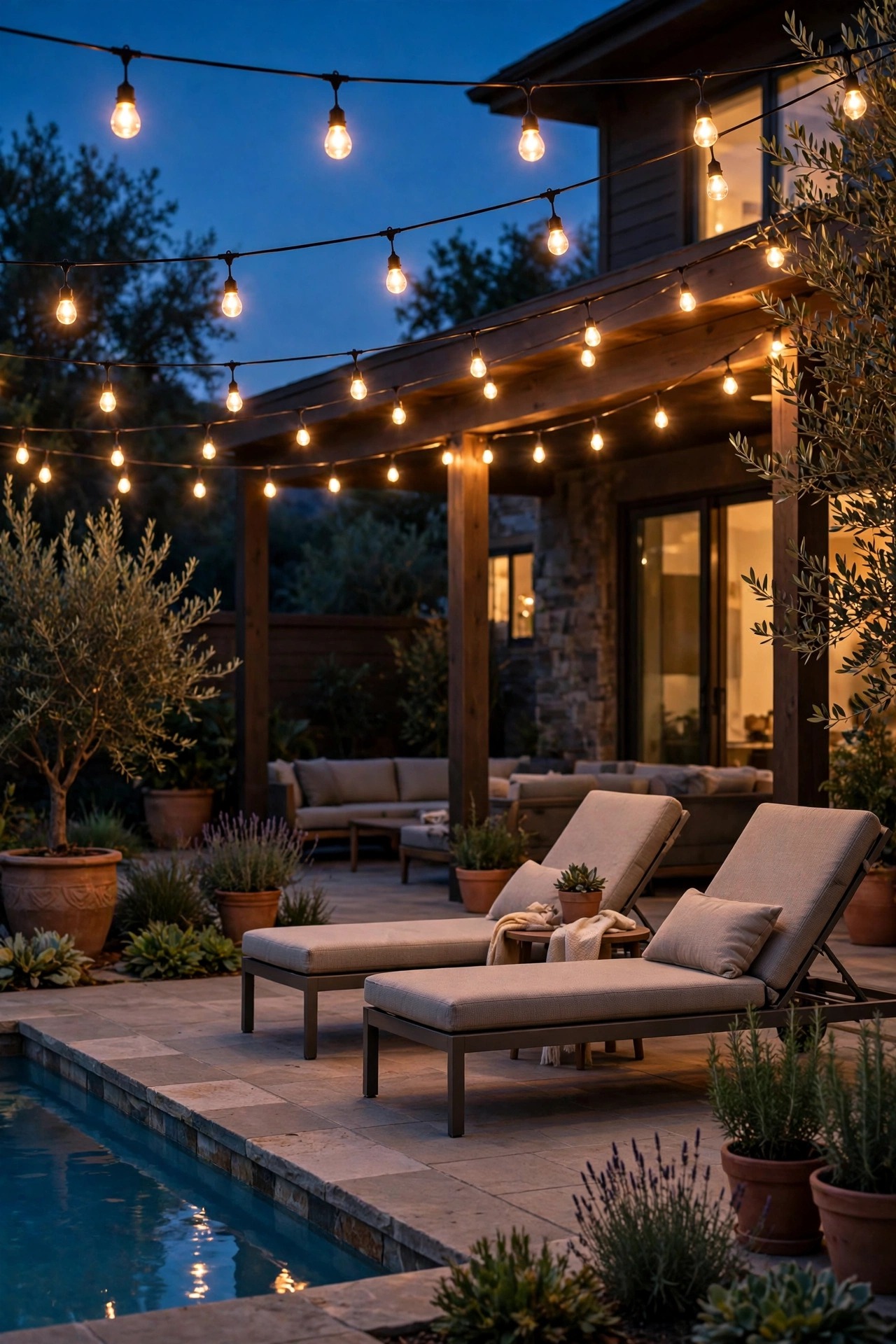
In a yard with kids, dogs, and the occasional stray soccer ball, glass bulbs are a short-lived luxury. Shatterproof strands use tough plastic bulbs that survive drops on concrete, hail, wind-blown branches, and being taken down in a hurry before a storm. I have stepped on one barefoot — unpleasant, but no blood and no broken glass in the grass. The trade-offs are real, though: plastic diffuses the light a touch softer than glass, and after a few summers of UV the bulbs can haze slightly, so the sparkle mellows. Most of these strands carry a small integrated panel at one end, which means you need to plan the hang so that end lands in sun, not under the eave. Expect an honest 6 to 8 hours of light on a summer evening. Best for families, play areas, dog yards, and anyone who moves their lights around often and does not want to baby them. They are also the strand I hand to neighbors who are new to solar, because nothing about them is precious.
Suggested budget range: $25 – $45.
3. Extra-Long Strands for Big Yards and Tall Trees
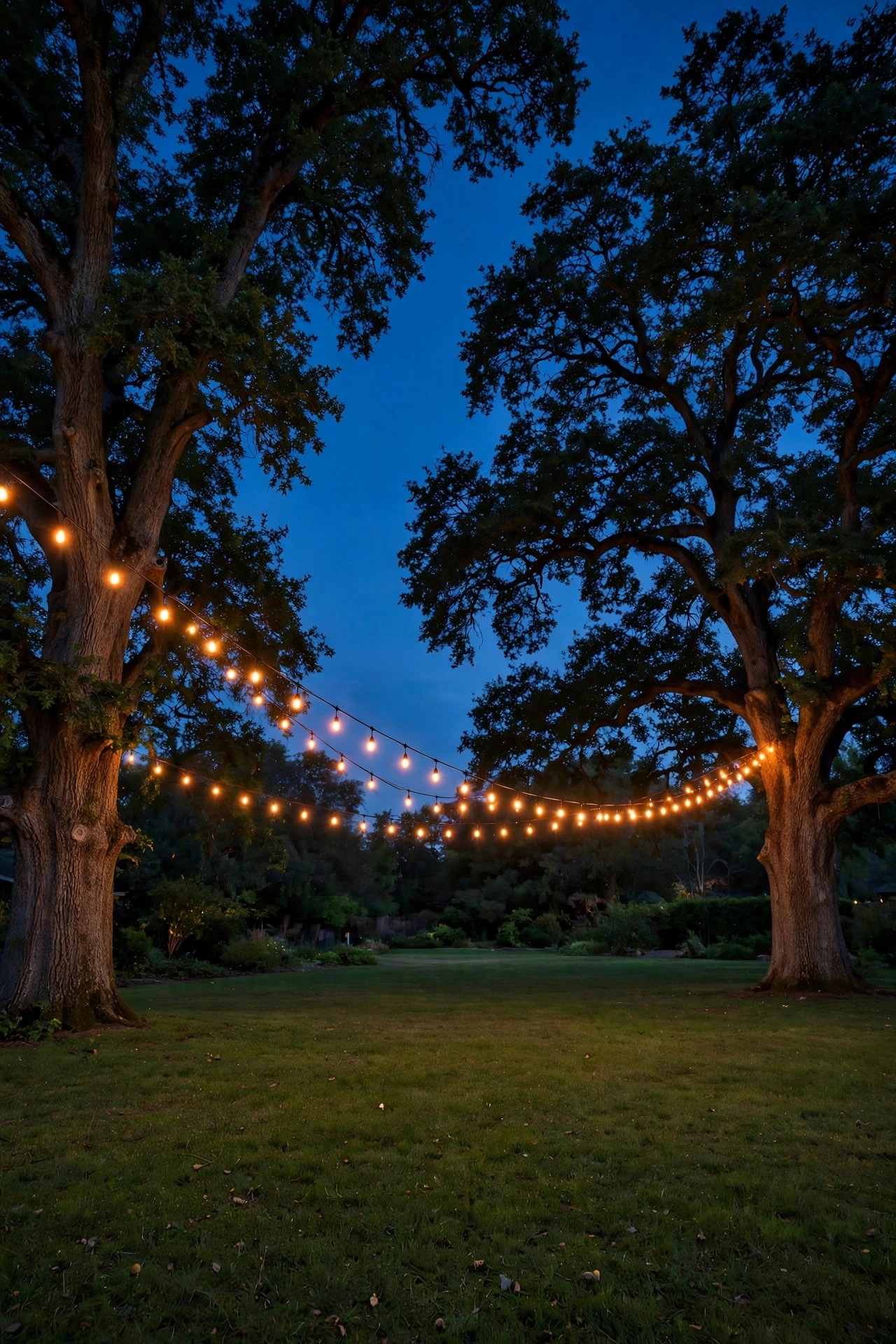
When the gap between your two big oaks is 50 feet, a standard 25-foot strand just mocks you. Extra-long solar strands run 48 to 100 feet and are made for tree-to-tree spans, long fence lines, and acre-sized yards. Here is what I check before buying: bulb spacing (closer spacing looks richer), and whether the strand has one oversized panel or two panels, because a single small panel physically cannot feed 100 feet of bulbs to full brightness. Plan on a full 8 hours of strong sun for a complete charge. Support matters too — any span over about 25 feet sags, so add a support every 10 feet or so; my patio string light pole ideas cover the pole setups that work. The honest limit is weight and patience: these take an afternoon to hang well. Best for big trees, long fences, and rural yards where one short strand would disappear. Measure your span with a tape before ordering, then buy one size up, because the swag eats more length than anyone expects.
Suggested budget range: $40 – $80.
4. Solar Globe String Lights for a Soft, Even Glow
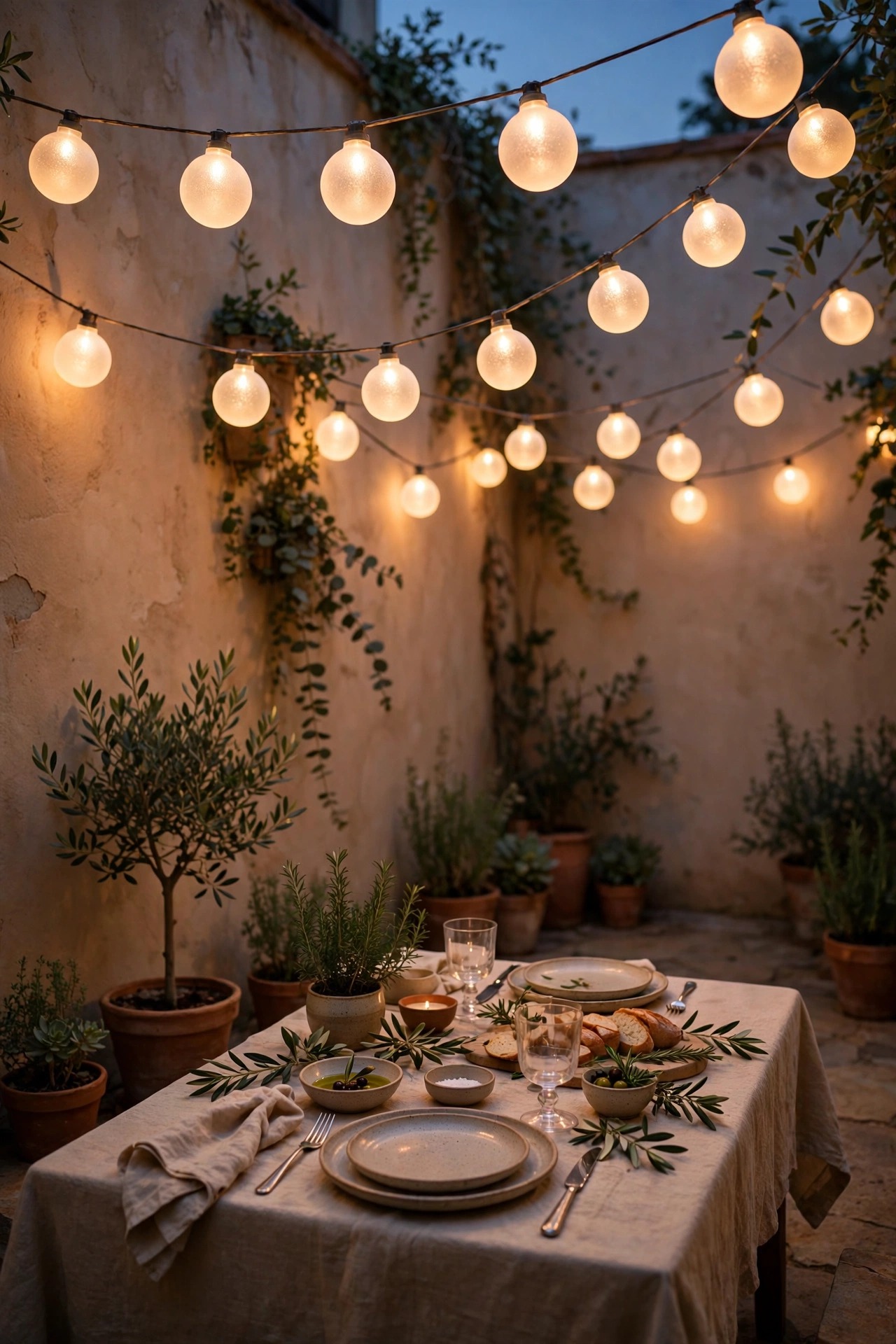
Globe strands trade sparkle for softness. The frosted round bulbs diffuse the light, so there are no harsh bright points at eye level — just an even, flattering wash that makes everyone at the table look good. I reach for these over dining areas and conversation corners, and they photograph beautifully for evening parties; my courtyard string light ideas show a few layouts I love. Be honest with yourself about brightness, though: globes are decorative light. You can see faces and find your drink, but you cannot read a book by them, and the small integrated panels on most sets mean 6 to 8 hours is the realistic ceiling. The globes also show water spots after rain, so a quick wipe now and then keeps them pretty. Best for garden parties, courtyard dinners, and fences behind seating where you want glow without glare. Hang them at about 7 to 8 feet so the diffusion works at face height, and zigzag them over a table rather than running one straight line along the edge.
Suggested budget range: $20 – $40.
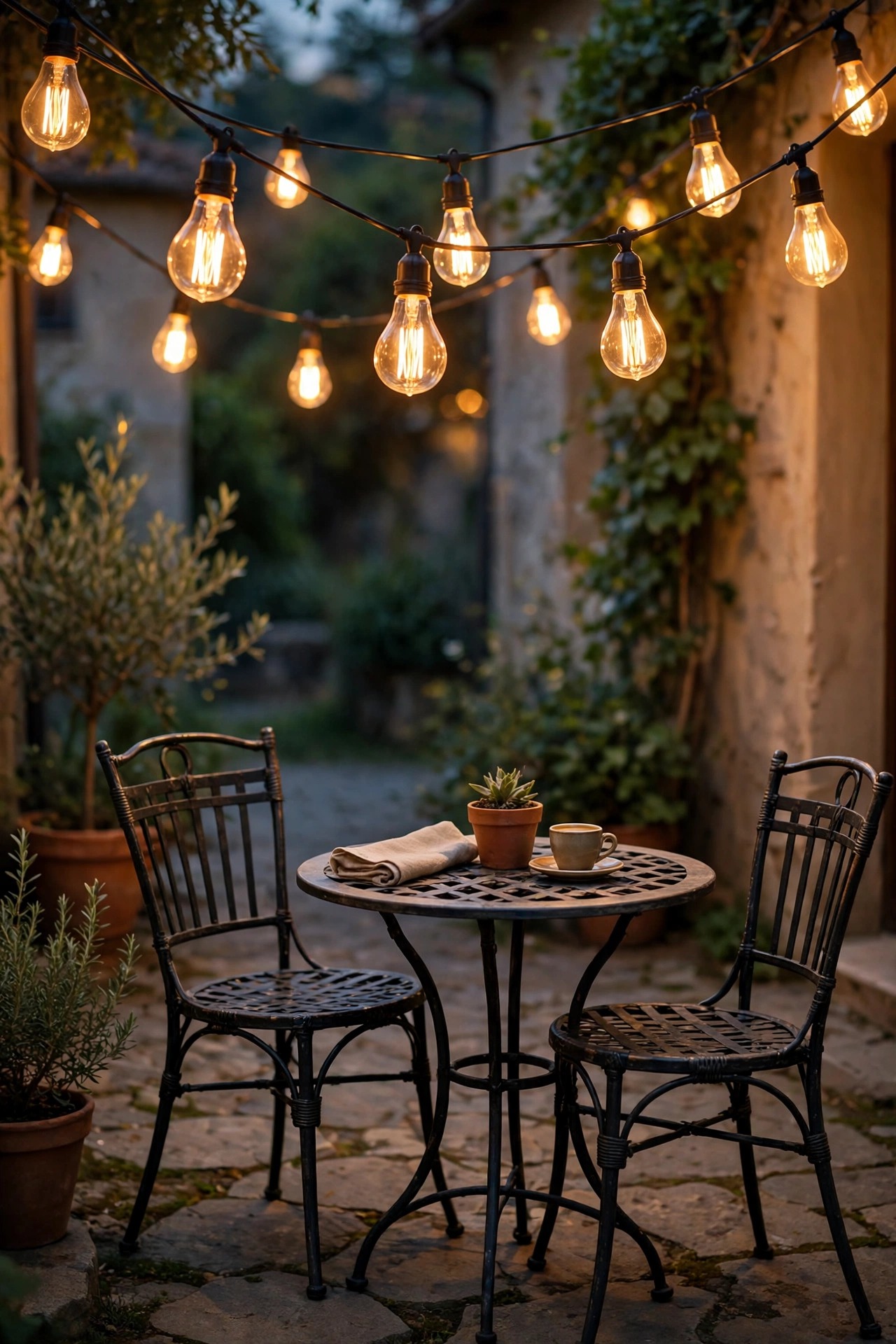
5. Edison-Style Filament Strands for Vintage Warmth
If your heart wants that old bistro look — visible squirrel-cage filaments, amber warmth around 2200K to 2700K — solar versions finally do it justice. The filament look is pure atmosphere: these are the strands I hang over our little two-person table when dinner outside is the whole plan. Two honest warnings from experience. First, filament-style bulbs sit at the dimmer end of solar lighting; treat them as mood light and layer them with candles or lanterns rather than expecting them to light a whole patio. Second, glass versions are genuinely prettier but fragile, while plastic filament lookalikes survive real life better. Battery quality varies wildly in this category, so be skeptical of any strand promising 12 hours from a thumbnail-sized panel. Best for bistro corners, porch swings, and date-night patios where warmth matters more than wattage. Hang them under a covered edge when you can, keep a spare bulb or two in a drawer, and angle the panel toward the midday sun for the longest evening burn.
Suggested budget range: $25 – $50.
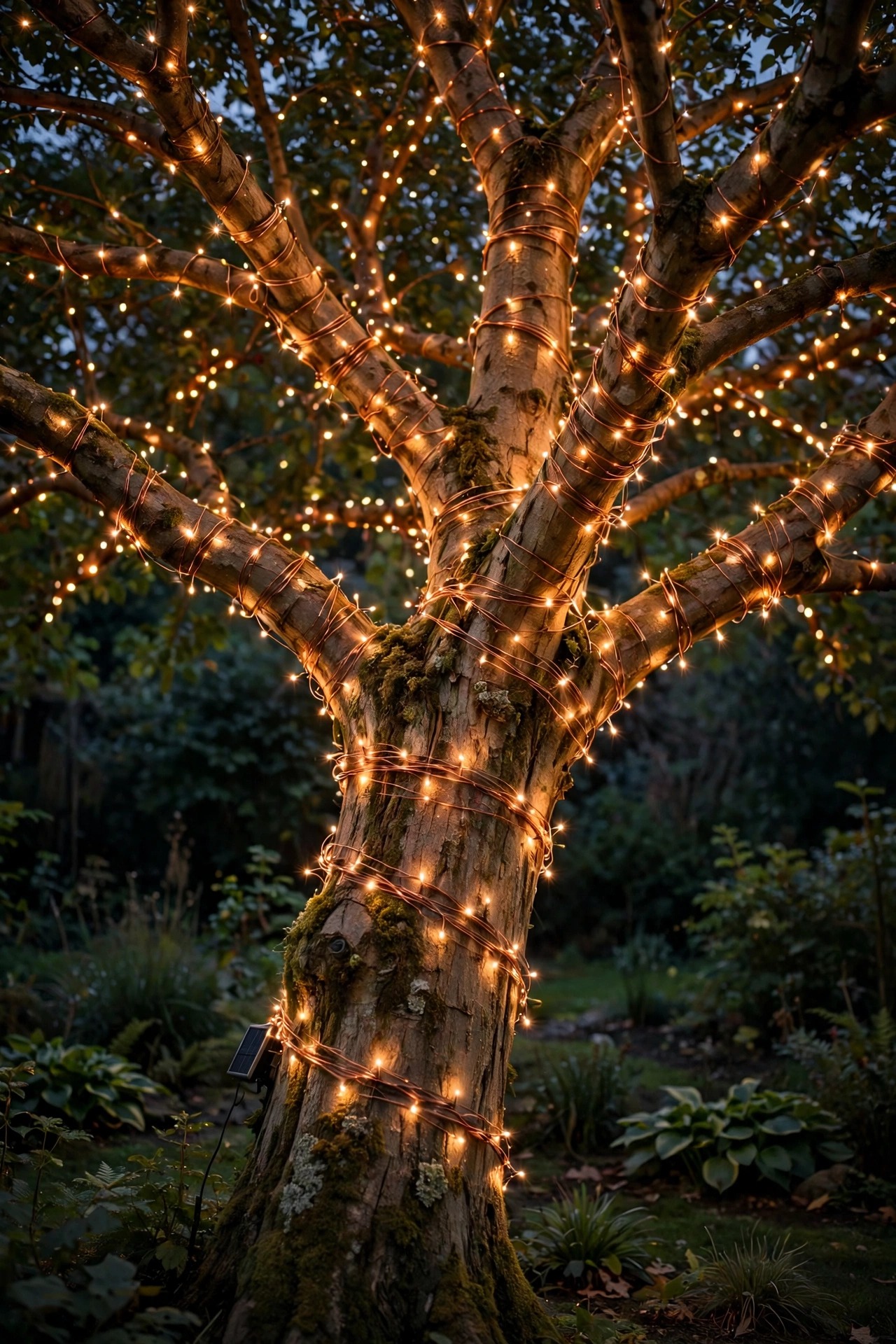
6. Copper-Wire Fairy Lights for Trees, Railings, and Jars
Copper-wire fairy lights are the cheapest magic in this whole list. Tiny LEDs ride on a thin, bendable wire you can wrap around a tree trunk, weave through a railing, coil along a branch, or stuff into a mason jar for a tabletop lantern. A multi-pack can dress an entire shrub in about ten minutes, and because the wire nearly disappears, the effect at dusk is pure floating sparkle. Now the honest limits: this is decoration, not illumination — it will never light a path. The wire tangles mercilessly in storage unless you wind it onto cardboard, and the small batteries typically give 6 to 8 hours before dimming noticeably. Winter runtime drops further. None of that stops me from buying them every year. Best for trees, shrubs, railings, centerpieces, and renters who want a big transformation for very little money. One more trick I love: a strand coiled loosely inside a glass lantern makes a table centerpiece that costs almost nothing and never needs a candle.
Suggested budget range: $10 – $25.
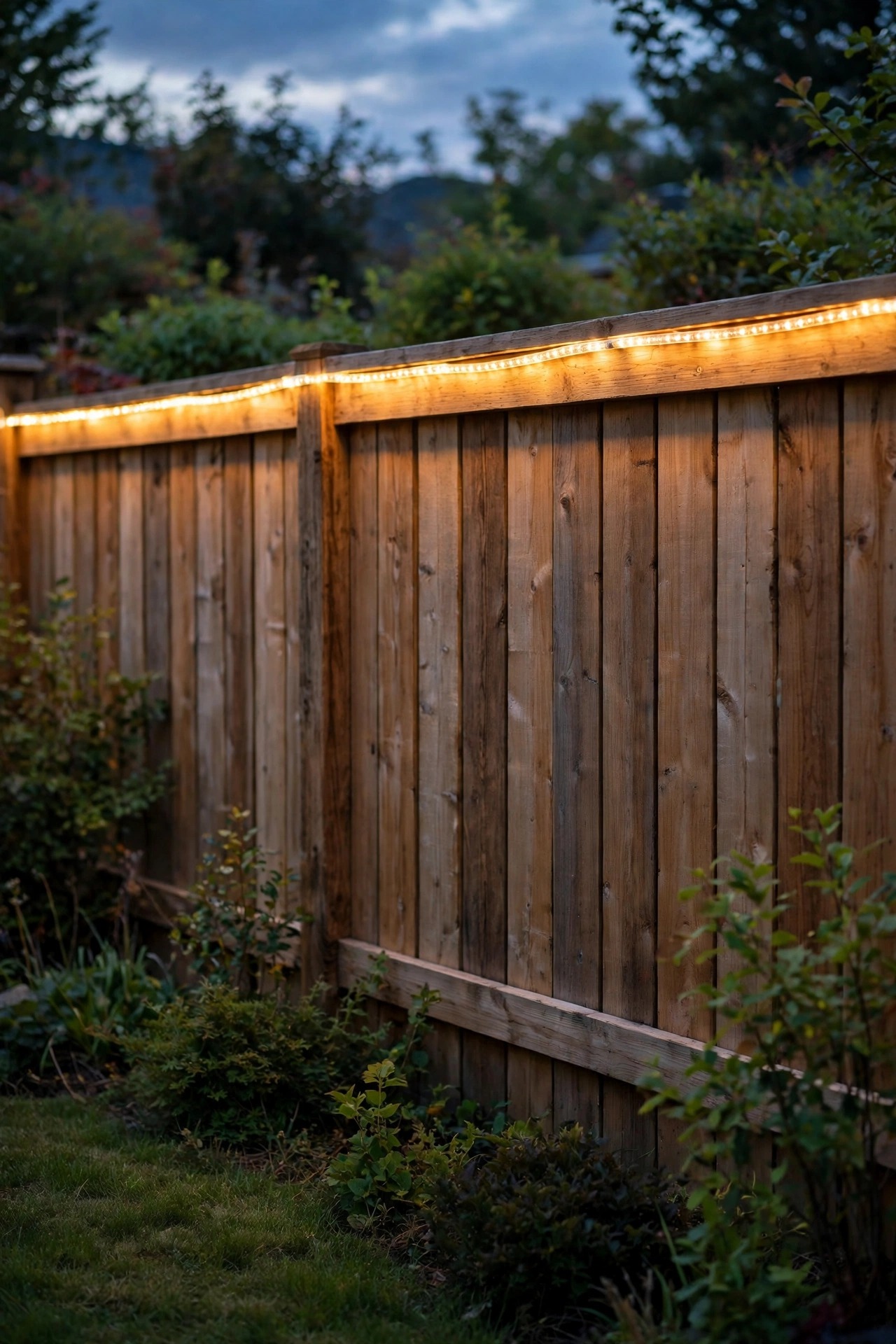
7. Solar Rope Lights for Fences, Steps, and Clean Lines
Rope lights put their LEDs inside a flexible clear tube, and the result is one smooth, continuous line of light — perfect for outlining. I run them along the top rail of a fence, under a deck handrail, and along step edges where a clean line actually helps people see where to walk. They are the toughest format here: no bulbs to snap off, nothing to shatter, and the sealed tube shrugs off rain and sprinklers. Mounting is simple with clips every 18 to 24 inches. The honest limits: the look is modern and a little minimal, which not every yard wants, and if one section ever fails you replace the whole tube rather than a single bulb. They also bend in gentle curves only — no sharp corners. Best for fence lines, deck rails, garden edging, and anyone who prefers tidy lines over café charm. Cool-white versions exist, but the warm 2700K tubes look far better against wood fencing and brick.
Suggested budget range: $20 – $40.
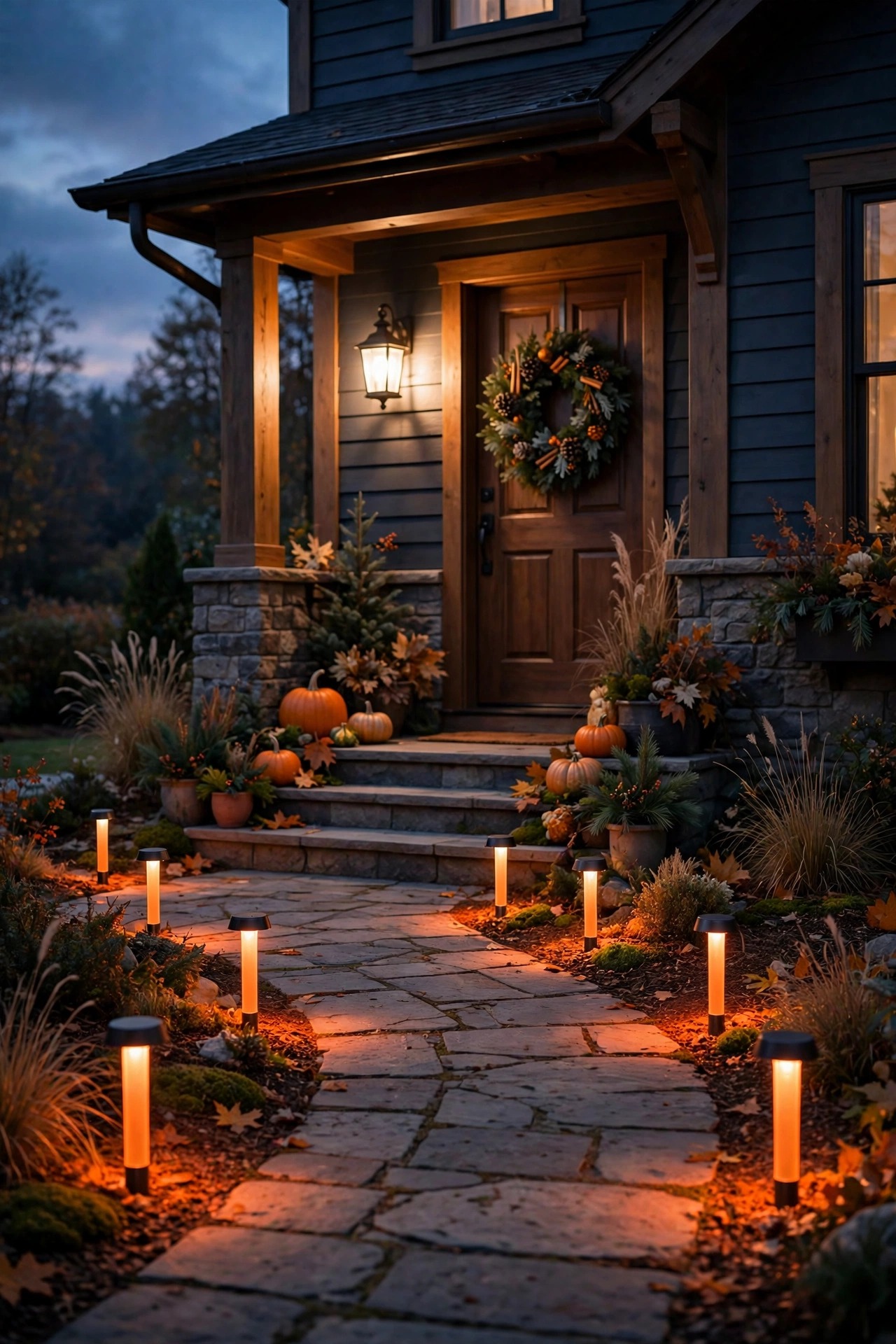
8. Color-Changing and Multi-Mode Strands for Parties and Holidays
These are the entertainers of the solar world: warm white for ordinary weeknights, then colors, twinkle, or fade modes for birthdays, the Fourth of July, and December. A button on the panel or a small remote flips the mood in seconds, which kids find absolutely thrilling. My honest buying advice: check that the warm-white mode is genuinely warm, because on cheaper strands it leans blue and chilly, which ruins a regular Tuesday dinner. Color modes are also dimmer than white mode, and they drain the battery faster — expect the shorter end of the runtime range on twinkle settings. More electronics means more that can fail, so I treat these as seasonal fun rather than my everyday lighting. Best for holiday decorating, kids' parties, game-day yards, and anyone who decorates big and often. If you host regularly, buy two strands from the same line so the colors and remote actually match, and store the remote in one labeled spot or it will vanish by July.
Suggested budget range: $25 – $45.
9. Serviceable Strands With Replaceable Batteries and Bulbs
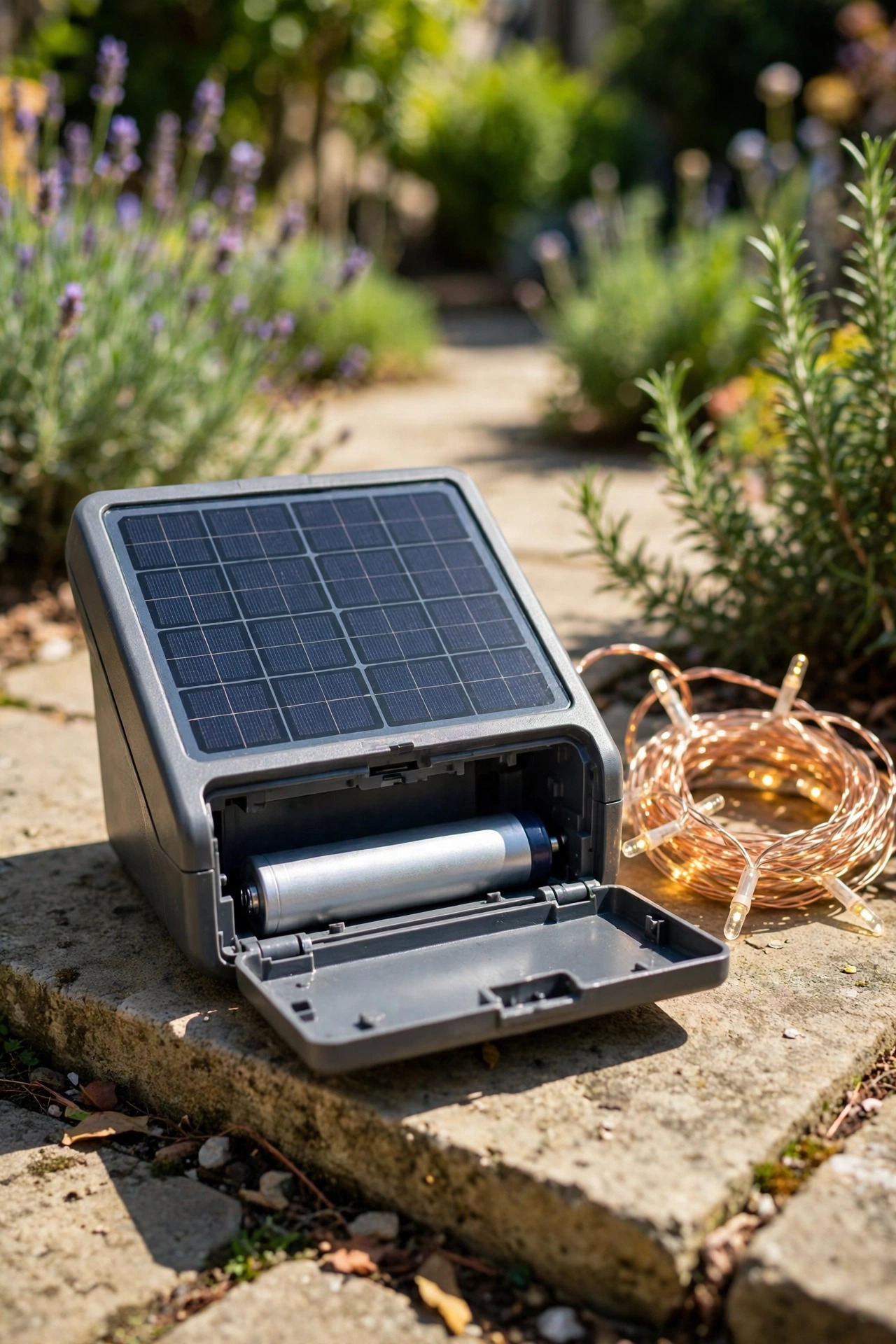
Here is the unglamorous truth about solar lighting: most strands do not die because the lights fail — they die in year two when a sealed battery fades and cannot be swapped. Serviceable strands fix that with a battery compartment that actually opens, taking a standard rechargeable battery or replaceable pack, plus bulbs you can change individually. Up front they cost a little more, and the styling choices are fewer, but in my experience they outlast two or three sealed strands, which makes them the cheapest pick on this list over five years. My routine: swap in a fresh charged battery each spring and keep one spare in the garage. If you are tired of tossing a dead strand every April, this is your category. Best for a main patio strand you intend to keep for years. When you shop, look for a battery door with real screws or a twist cap instead of a glued seam, plus a stated battery size you can source in seconds.
Suggested budget range: $35 – $60.
10. Solar Net and Icicle Lights for Shrubs and Fence Lines
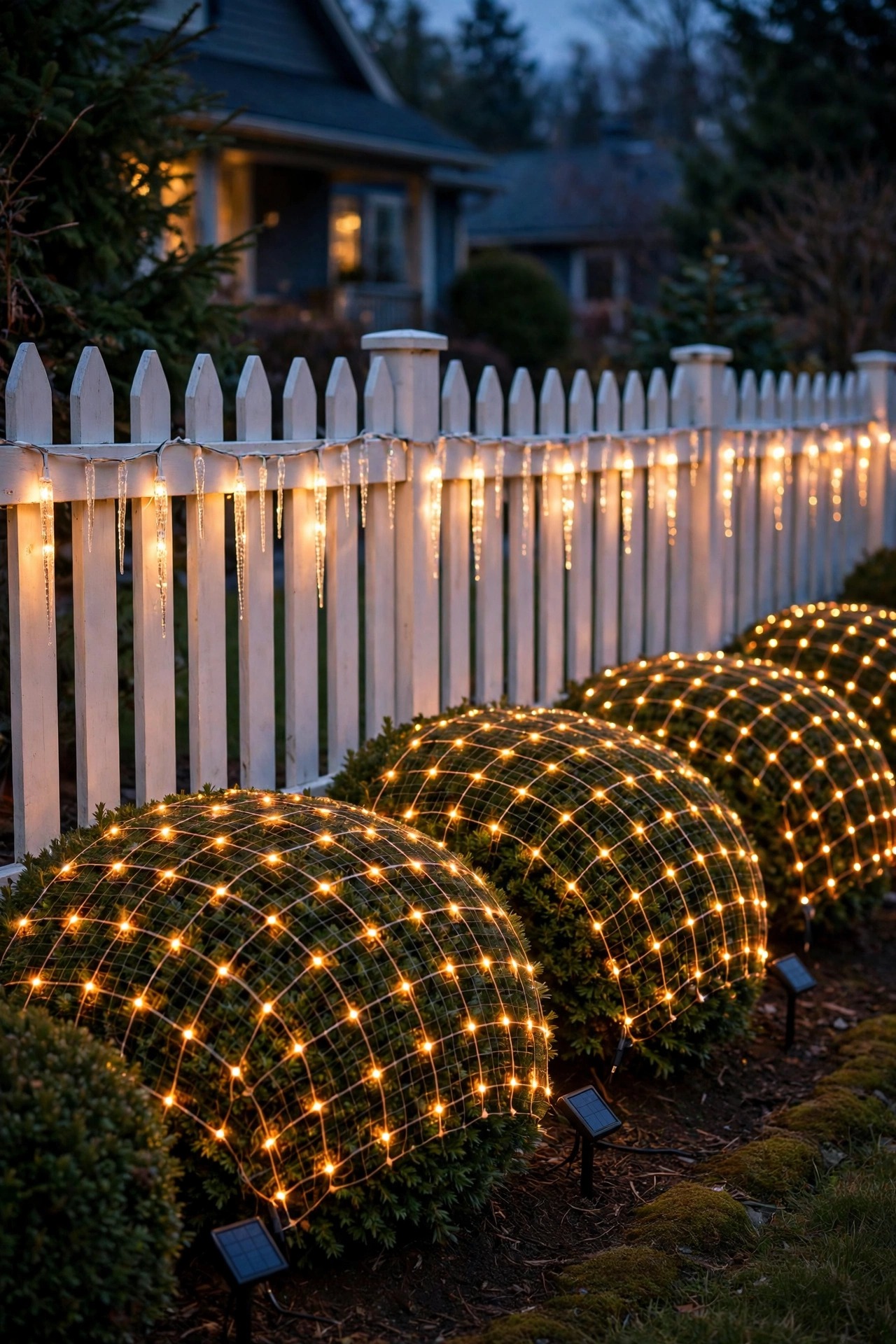
Net lights are the fastest coverage I know: drape the mesh over a shrub, plug nothing in, and the whole bush glows evenly in five minutes — no wrapping individual branches. Icicle strands do the same trick along a fence top or gutter line, with drops of light hanging at varied lengths. For front-yard holiday decorating without a single extension cord, nothing else comes close. The honest limits: the look is distinctly seasonal, so most people store these 10 months a year; nets tangle if you ball them up (fold them flat into a bin instead); and each net needs its own panel in real sun, so a three-shrub display means three panels to position. Best for front shrubs at Christmas, fence-line sparkle, and quick party backdrops when guests arrive Friday. Buy nets sized to your shrubs — a 5-by-5-foot net per medium bush is about right — and drape them before the season rush, not during it.
Suggested budget range: $20 – $45.
11. Lightweight Clip-On Strands: The Best Solar String Lights for Renters
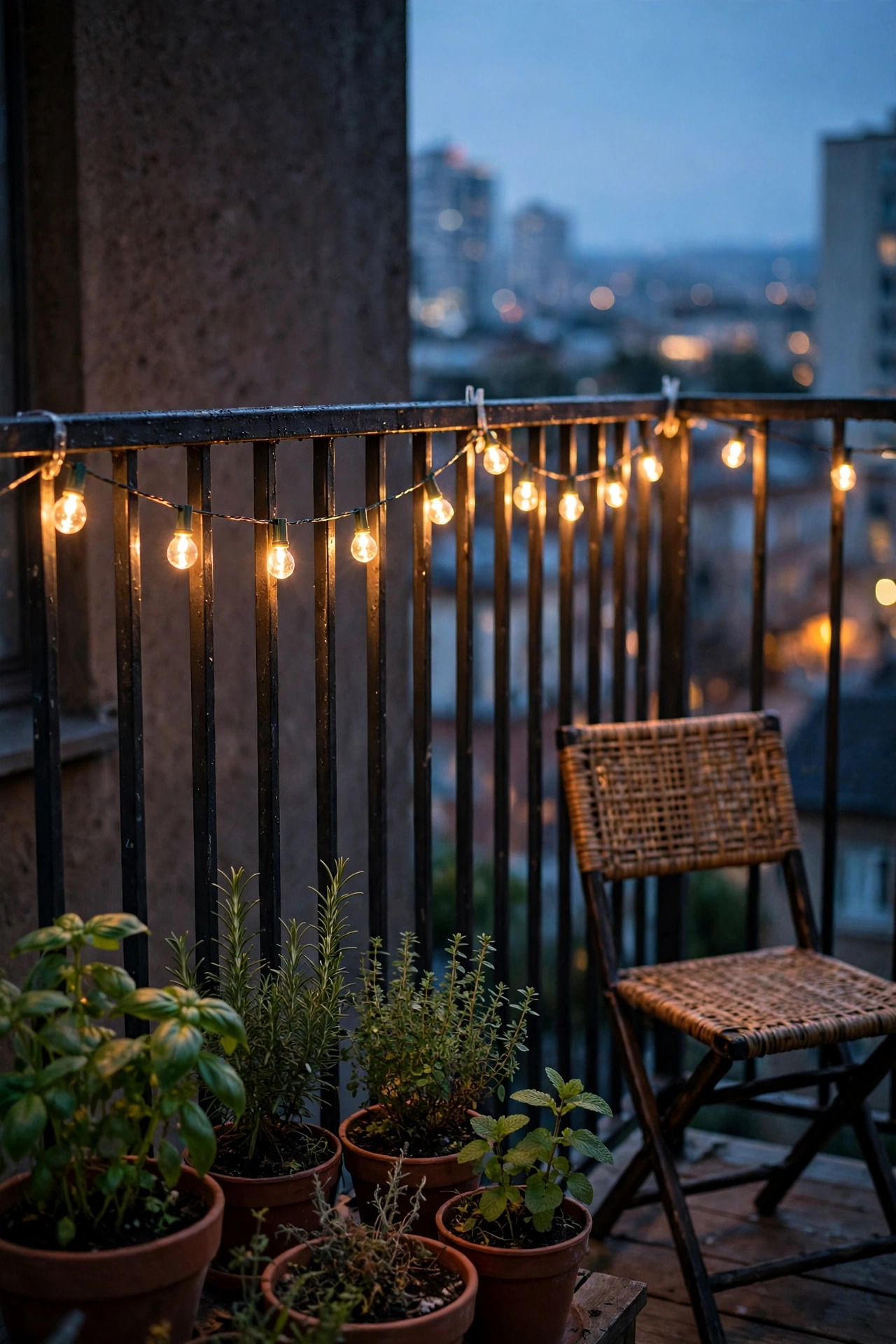
Renters, this whole category exists for you. Lightweight strands with clips or hooks hang from gutters, fence lattice, umbrella ribs, and balcony rails using removable hooks — no screws, no holes, no deposit drama at move-out. The small panel clips to the sunniest railing, charges all day, and the strand comes down in about ten minutes when you move. I used exactly this setup on a rental balcony for two summers. Honest limits: wind will rearrange a lightly clipped strand, so add a clip every few feet and after storms; and the lightest strands are also the dimmest — ambience, not task light. Honestly, for a small balcony glowing at dusk with a glass of something cold nearby, ambience is the entire point. Best for renters, balconies, dorm patios, and campers. A 20-foot strand, six removable hooks, and one sunny railing corner is the entire shopping list, and the whole setup travels to your next place packed in a shoebox.
Suggested budget range: $15 – $35.
Frequently Asked Questions
How long do solar string lights actually stay lit at night?
On a full charge from 6 to 8 hours of direct sun, most quality strands run 8 to 10 hours in summer. In winter, shorter days and a lower sun angle cut that to roughly 4 to 6 hours. Strands with separate, larger panels and bigger batteries hold their brightness longest; tiny integrated panels fade earliest, especially after the battery ages a year or two.
Can solar string lights work in a shady yard?
Yes, if you choose the right type. Strands with a separate panel on a lead wire let you mount the panel in a sunny spot — a roof edge, fence top, or garden stake — while the bulbs hang in shade. Fully shaded integrated panels will disappoint you. Even partial sun, around 4 hours, keeps fairy lights and globes glowing for an evening.
Are solar string lights waterproof enough to leave outside?
Look for an IP65 rating for strands that will live outside year-round; IP44 handles splashes and covered porches. The panel and battery pack are the vulnerable parts, so mount them where water does not pool and keep connectors off the ground. In harsh winters I bring fairy-wire sets indoors and leave the heavy-duty strands up.
How long do solar string lights last before they wear out?
The LEDs themselves can last for years. The weak link is the battery, which typically fades after 1 to 2 years of nightly cycles. Strands with replaceable batteries and bulbs can serve 4 to 5 years or more with a fresh battery each spring. Sealed strands usually become dim and short-lived once the battery goes.
Conclusion
The best solar string lights are simply the ones matched to your yard: a separate-panel heavy-duty strand where real brightness matters, shatterproof bulbs where life happens, fairy wire where you want pure sparkle, and a serviceable strand where you are tired of replacing things. Start with the spot farthest from an outlet — that dark fence line or lonely tree — charge the panel in honest sun, and layer from there. Browse the rest of my outdoor lighting ideas here on the site for more ways to make every corner of your yard glow after dark.