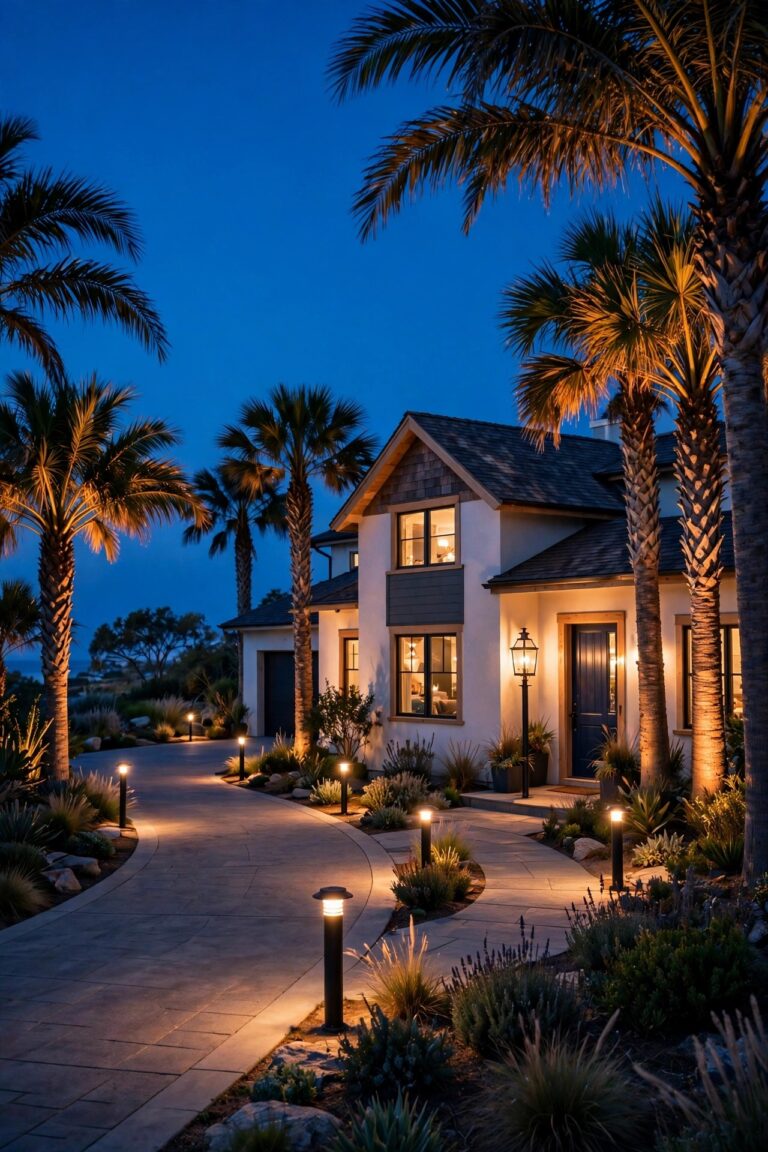
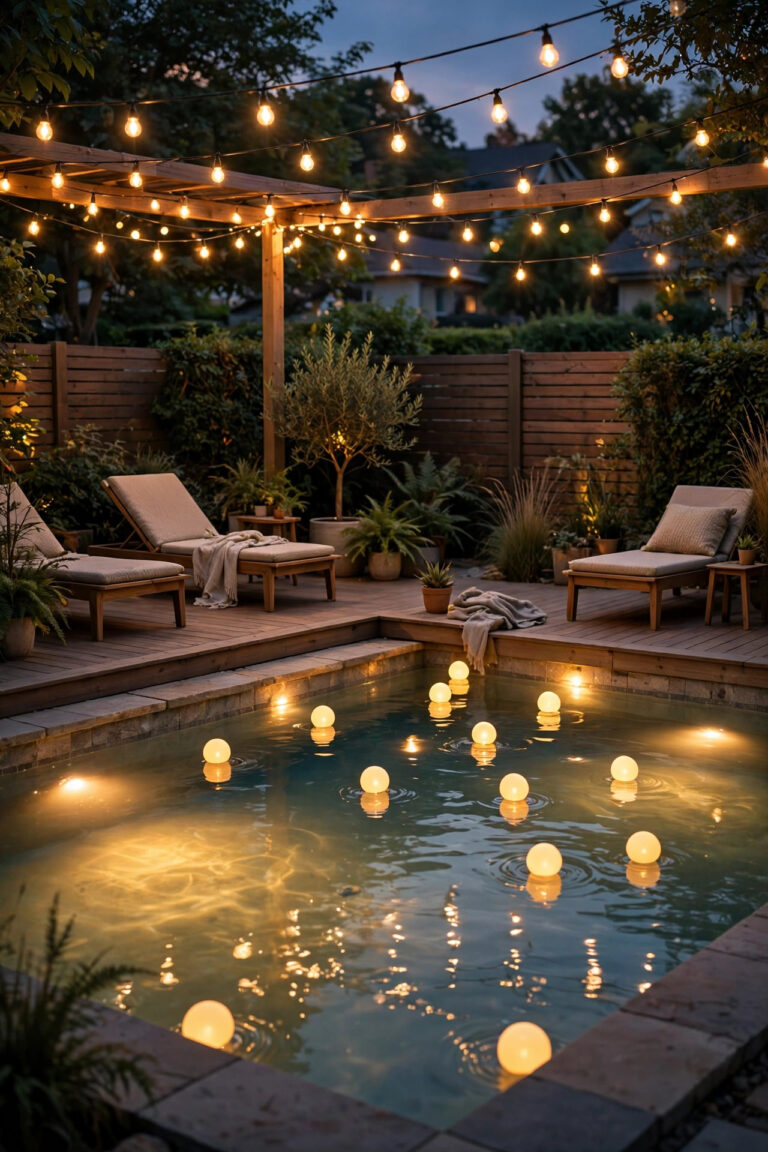
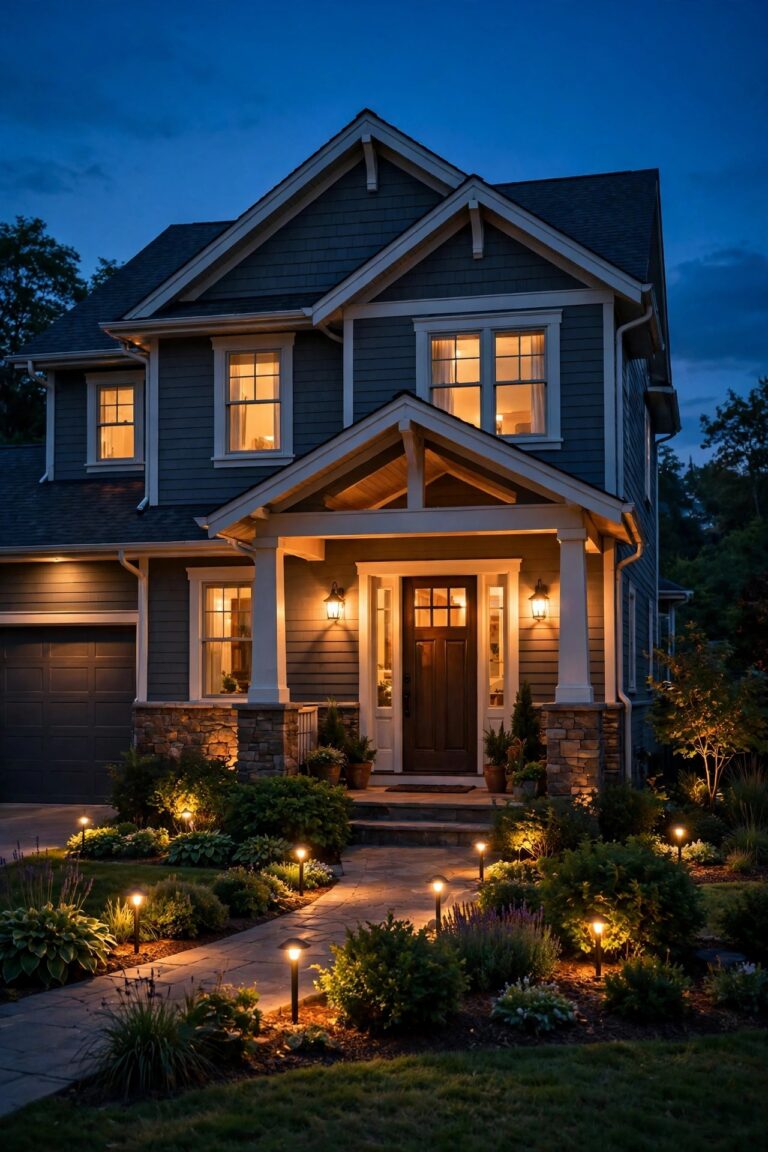
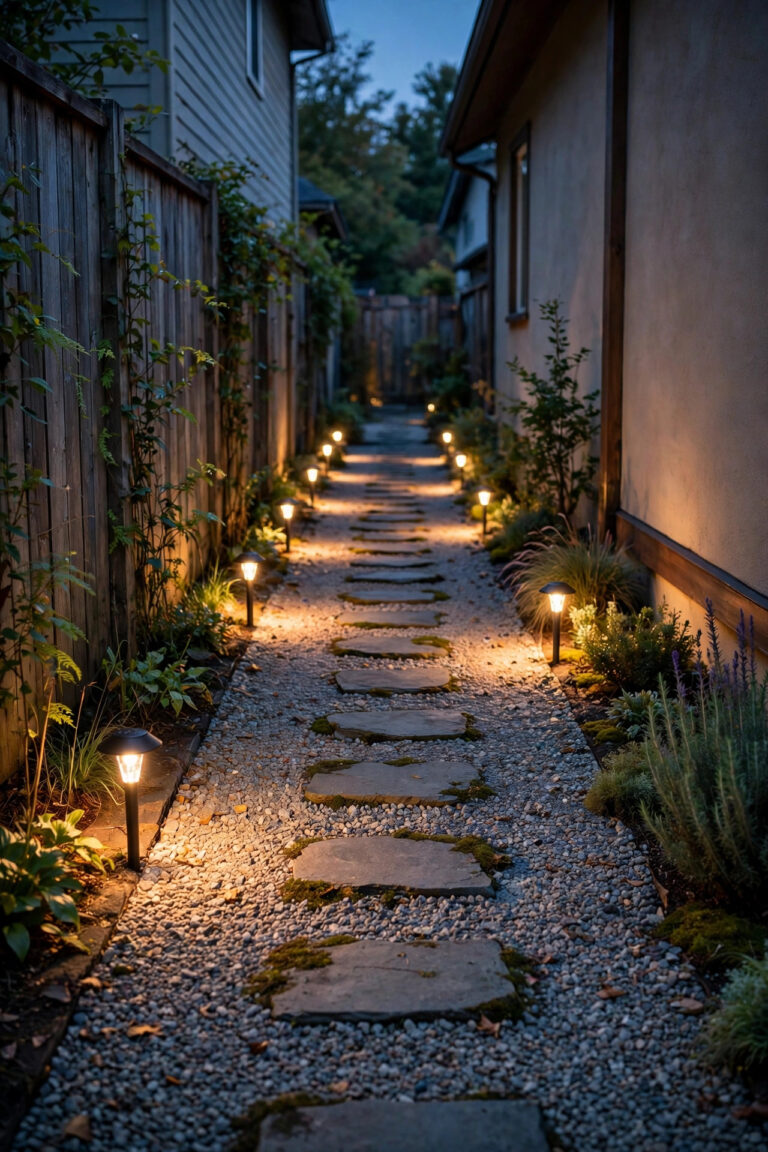
The first time I hired out a lighting job, I picked the cheerful guy with the lowest quote and the nicest truck. Six months later, half my path lights were dark, the transformer hummed like a refrigerator, and his phone number went straight to a full voicemail box. The fixtures were fine — my hiring process was the problem. That's why I want to walk you through how to choose a landscape lighting contractor the way I wish someone had walked me through it: the questions that reveal competence, what a real quote looks like line by line, and the red flags that should send you back to your search. Think of this as the friendly neighbor version of hard-won experience — everything I now check before letting anyone dig a single trench in my yard. By the end, you'll know how to interview three companies, compare their bids apples-to-apples, and sign with the one who'll still answer the phone in year three.
The Short Answer
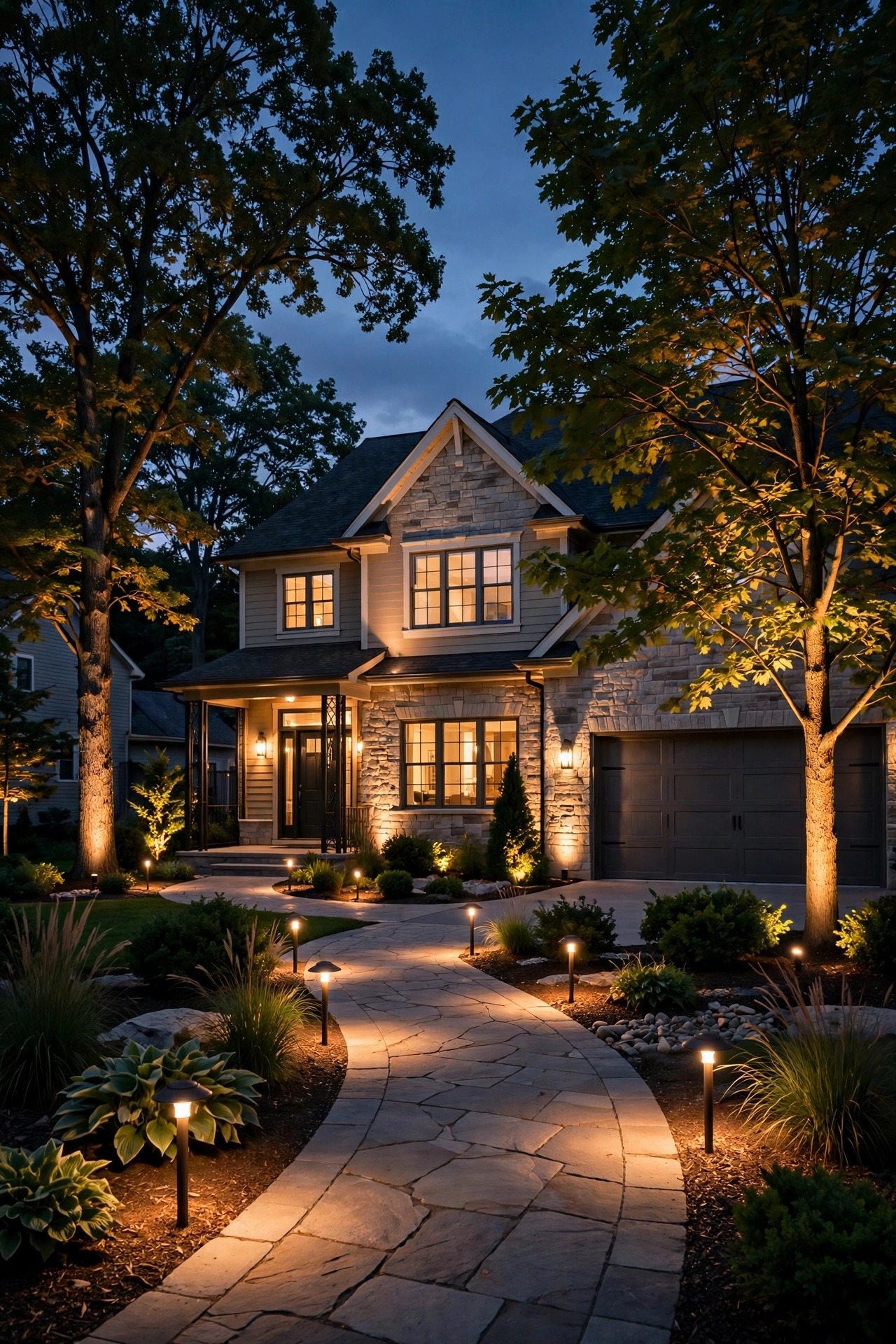
Get three written quotes from companies that specialize in outdoor lighting (not general landscapers who dabble). Insist on an evening design demo at your home, an itemized quote naming fixture materials and wire gauge, proof of insurance, and a workmanship warranty of at least two years in writing. The right contractor designs for your yard at night, buries cable properly, calculates voltage drop, and explains everything before asking for a deposit. The wrong one quotes from a photo, pushes a fixture-count package, and wants half up front in cash.
Why the Contractor Matters More Than the Fixtures
Here's the honest truth I learned the expensive way: a mid-priced brass fixture installed correctly will outshine and outlast a premium fixture installed badly, every single time. Landscape lighting is a system, not a shopping list. The transformer has to be sized for the load with room to grow. Cable runs have to be planned so the last light on the line gets nearly the same voltage as the first — otherwise you get that sad gradient where lights near the house blaze and the ones by the street barely glow. Connections have to be waterproof and buried at the right depth, or they'll corrode within two seasons.
A real lighting contractor thinks in all of those layers at once, the way I talk about layering light in my own yard: path, accent, and ambient working together. A dabbler thinks in fixture counts. When you interview, listen for system talk — voltage drop, hub runs, fixture spacing, beam angles. If the conversation never gets past "how many lights do you want?", you've learned something important already. The design eye matters too. A pro will talk you out of lining both sides of the walkway like an airport runway and into the staggered, shadow-friendly spacing that actually looks like the magazine photos.
Step-by-Step: How to Choose a Landscape Lighting Contractor
Knowing how to choose a landscape lighting contractor really comes down to a repeatable process, so here's the exact sequence I recommend to friends:
1. Gather names from the right places. Ask neighbors whose yards you admire at night, check reviews on multiple platforms, and note which companies show real project photos rather than stock images.
2. Screen for specialization. Lighting-only or lighting-first companies first; landscapers and electricians second. Ask what percentage of their work is outdoor lighting.
3. Invite three finalists to your home — in the evening if possible. Anyone quoting sight-unseen from satellite photos gets crossed off.
4. Ask for a demo. Good contractors will set up temporary fixtures at dusk so you can see the design before committing.
5. Collect itemized written quotes and compare them line by line (there's a whole section on this below).
6. Check references and credentials — call at least two past clients and ask the question I'll give you later.
7. Read the contract for warranty terms, payment schedule, and cleanup commitments before signing anything.
This takes about two weeks from first call to signed contract, and it is worth every day. Rushing this decision is how you end up paying twice.
The Questions That Reveal Everything
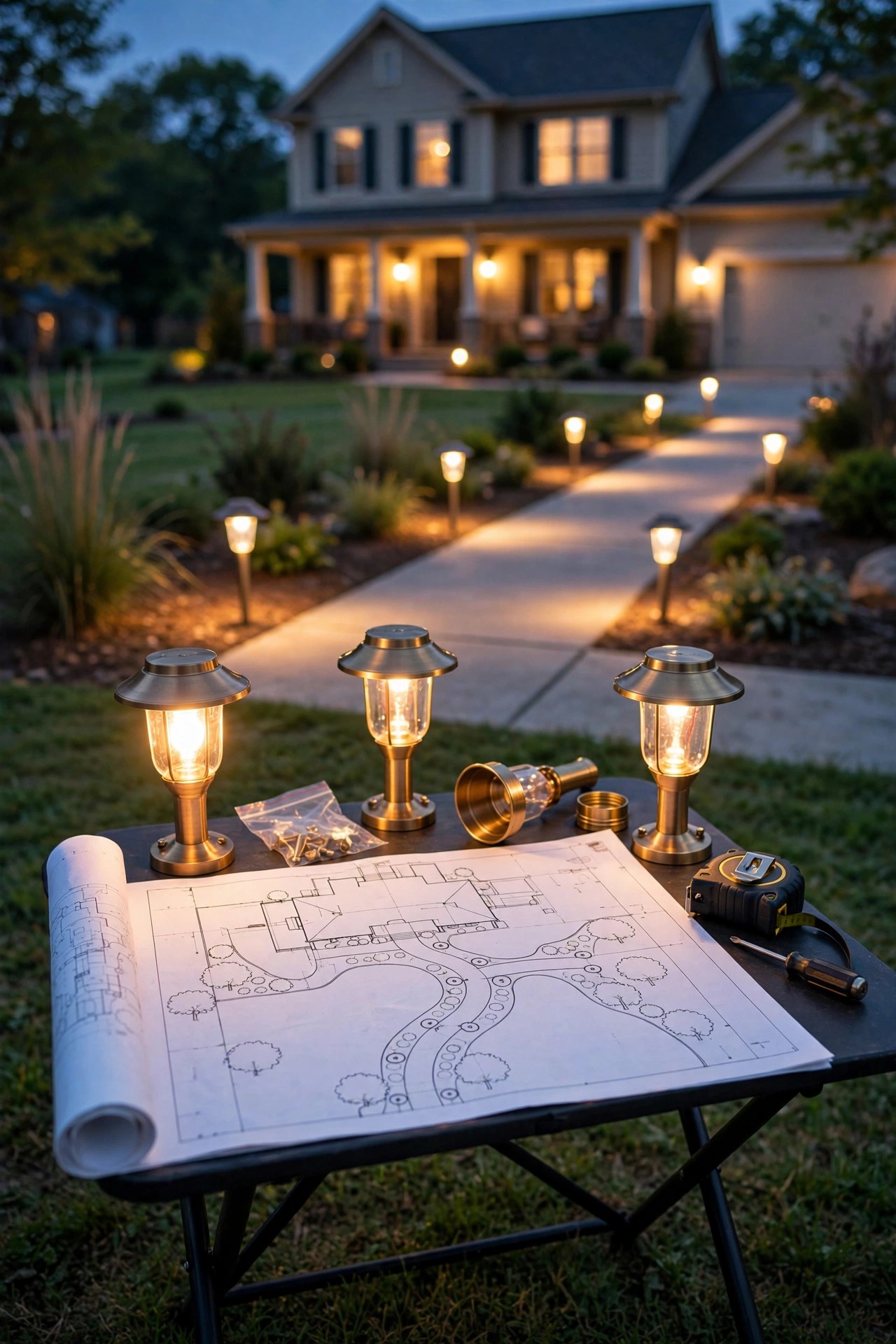
Questions are your X-ray machine. A confident pro answers these crisply; a dabbler gets vague. Ask every finalist the same set so you can compare answers directly.
– "How do you handle voltage drop on long runs?" The right answer mentions calculations, heavier-gauge cable, hub wiring, or multiple taps on the transformer. A shrug is a disqualification.
– "What fixture materials do you install, and why?" You want brass or copper for longevity, or at minimum a clear explanation of the trade-offs. If everything they install is plastic, ask why.
– "How deep do you bury cable, and how are connections made?" Low-voltage cable typically goes about 6 inches down, with waterproof gel-filled or soldered connections — never twist-and-tape.
– "Do you offer a nighttime demo or aiming session?" Pros build this in. The design isn't finished until you've both seen it after dark.
– "What does your warranty cover, and for how long?" Fixtures, transformer, and — critically — workmanship, each with its own term.
– "Who actually does the work?" Their own trained crew, or day labor and subcontractors you've never met?
Write the answers down. In my experience, the contractor who welcomes hard questions is almost always the one who does careful work, because careful people have nothing to hide.

Comparing Quotes: How to Choose a Landscape Lighting Contractor on Paper
Three quotes for the "same" job can land at $2,800, $4,200, and $6,500 — and all three can be honest. The difference lives in the line items, which is why an itemized quote is non-negotiable. Here's what a professional quote names explicitly: fixture count, fixture material and finish, bulb type and wattage, transformer size and model tier, cable gauge and total footage, connection method, trenching and burial, timer or smart controls, permits if needed, and cleanup. It also states the warranty terms and the payment schedule in writing.
When one bid is dramatically lower, it is almost never because that company is more efficient. It's because something is missing: thinner 16-gauge cable instead of 12-gauge, plastic fixtures instead of brass, twist-on connectors instead of sealed ones, or no aiming visit after dark. Put the quotes side by side and circle every line where they differ — those circles are your follow-up questions. Also compare what's *not* priced: some companies quote the install and then bill the nighttime aiming session, replacement bulbs, and the first service visit separately. Ask each finalist one question: "What will this job cost me in total, in year one, including everything?" The pause before the answer tells you a lot.

Red Flags That Mean Walk Away
Some warning signs are subtle. These aren't. If you see any of the following, thank them politely and call the next name on your list.
– A quote without a site visit. Nobody can price trenching, soil, and existing wiring from a satellite photo.
– Pressure to decide today. "This price expires Friday" is a sales script, not a lighting plan. Good contractors are booked out and calm about it.
– A large cash deposit up front. A modest deposit for materials is normal; 50 percent in cash before any work begins is not.
– Fixture-count packages. "Our 20-light special!" means you're buying a bundle designed for their margin, not a design for your yard.
– No mention of permits or codes. Line-voltage work and some transformer placements have rules; a pro knows the local ones.
– Vague warranty language. "We stand behind our work" is not a warranty. Terms, in writing, with durations.
– They badmouth every competitor instead of explaining their own process. Confidence is quiet.
– The demo is "just trust me." If they won't show you light in your actual yard at night, they're selling, not designing.
One more, from personal experience: check how they communicate *before* the job. If returning your call takes four days during the honeymoon phase, imagine month fourteen when a transformer fails.

The Evening Demo: The Test Most Homeowners Skip
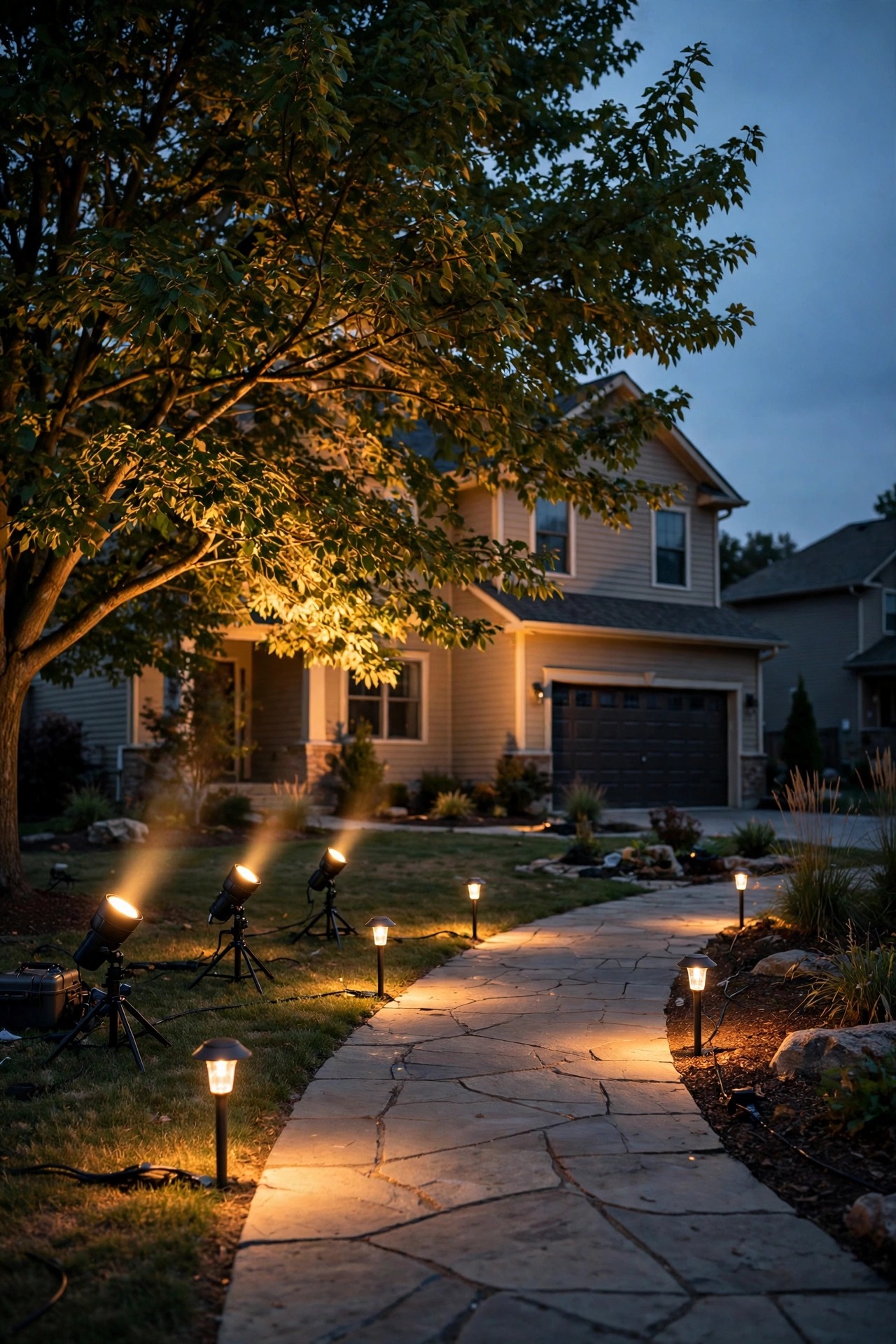
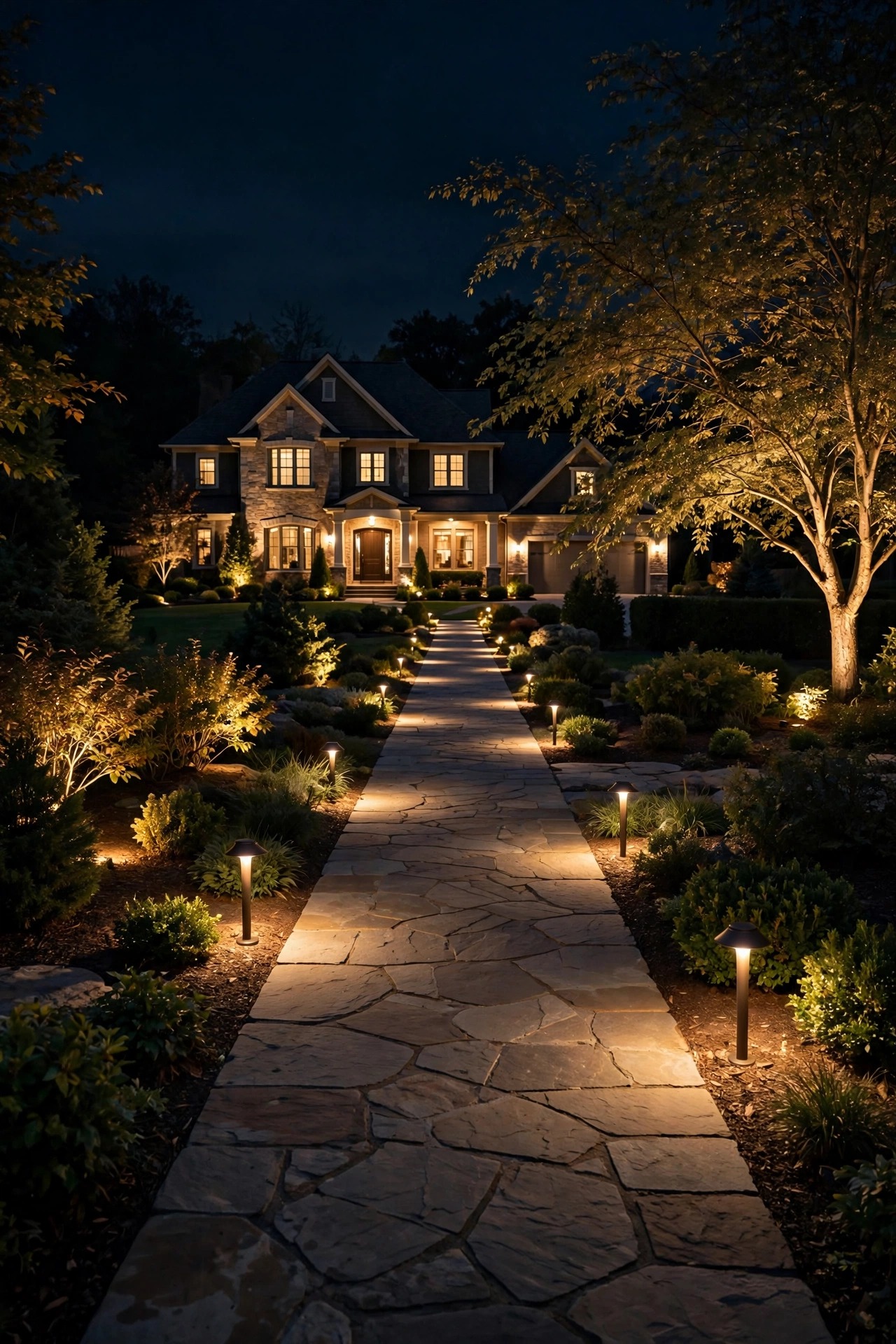
If I could make one step mandatory, it would be this one. A nighttime demo — sometimes called a design preview — means the contractor sets up real fixtures in your yard at dusk, powered temporarily, so you can walk the property and see the actual effect before signing. You learn things no daytime conversation can teach you: that the oak looks stunning uplit at a 60-degree beam but ghastly at 30, that the walkway needs four path lights rather than six, that the glare from the driveway spot hits your bedroom window.
Professionals expect this step and often offer it free or for a small fee credited toward the job. It also quietly tests their design instincts. Watch how they work: Do they step back and look from the street? Do they dim, reposition, and talk about shadow as much as brightness? Do they suggest *removing* a fixture that isn't earning its place? A contractor willing to sell you fewer lights because the design looks better is a contractor you can trust with the rest of the decisions. If a company won't demo, ask yourself what they're afraid you'll see after dark.
Licenses, Insurance, and Permits: The Boring Protection
This is the least glamorous section and possibly the most important. Low-voltage lighting sits in a gray zone in many states — some require no license at all for work under 30 volts, while others fold it under a low-voltage or electrical contractor license. Either way, you should ask for three documents and actually look at them: a business license, a certificate of general liability insurance, and workers' compensation coverage for their crew. If a worker is hurt trenching your yard and the company carries no comp coverage, that problem can become yours. Reputable companies email these PDFs without blinking; hesitation here is information.
Permits are the other piece. Pure low-voltage systems often need none, but the moment a job involves a new 120-volt circuit, an outlet, or line-voltage fixtures, permits and inspections usually enter the picture — our guide to outdoor lighting permits and codes breaks down what's typical. Ask the contractor directly: "Does any part of my job need a permit, and who pulls it?" The answer should be specific and unhurried. Finally, confirm they'll call 811 before digging. It takes one sentence to ask and one severed sprinkler line to regret skipping.

What It Costs in 2026
Let's talk real numbers, because you'll compare every quote against something. For a professionally designed and installed low-voltage LED system in 2026, most suburban front-yard projects land between $3,000 and $6,500 — roughly $250 to $450 per installed fixture once you include quality brass fixtures, a properly sized transformer, heavier-gauge cable, labor, and the aiming visit. Full-property designs with 30 to 50 fixtures commonly run $8,000 to $15,000 or more. Design fees, when charged separately, are typically $250 to $750 and usually credited toward the installation.
Where does the money go? Fixtures and the transformer are usually 40 to 50 percent of the total; labor — trenching, wiring, connecting, aiming — is most of the rest. Running costs afterward are almost laughably small: a 15-fixture LED system drawing 100 watts total, running five hours a night, uses about 15 kilowatt-hours a month, or around $2 to $3 on most electric bills. For a deeper breakdown of system pricing before you collect quotes, our landscape lighting cost guide for 2026 walks through the math by project size. Payment structure matters too: a typical schedule is a third at signing for materials, a third at rough-in, and the final third only after the nighttime walkthrough — never the full amount before you've seen your yard lit.

5 Mistakes Homeowners Make When Hiring
I've made two of these myself, so no judgment — just learn from my invoices.
1. Choosing on price alone. The cheapest quote usually removed something you can't see until it fails: cable gauge, connection quality, or the aiming visit.
2. Skipping the demo. Approving a design you've only seen on paper at noon is how you end up with glare, hot spots, and runway walkways.
3. Hiring your landscaper by default. Your mowing crew may be wonderful, but lighting design and voltage math are a specialty. If you're weighing the do-it-yourself route against hiring out, our honest comparison of DIY vs pro landscape lighting will help you decide which parts, if any, to hand over.
4. Ignoring the warranty's fine print. "Lifetime fixtures" sounds great until you learn labor is covered for 90 days and every service call costs $150.
5. Not planning for growth. A transformer sized exactly for today's fixture count means a second transformer when you add the backyard phase. Pros leave 20 to 30 percent headroom — ask for it.
Every one of these is avoidable with the questions in this guide and an extra week of patience. Slowing down at the hiring stage is the cheapest insurance you'll ever buy for a system like this.
After the Install: Walkthrough, Warranty, and Maintenance
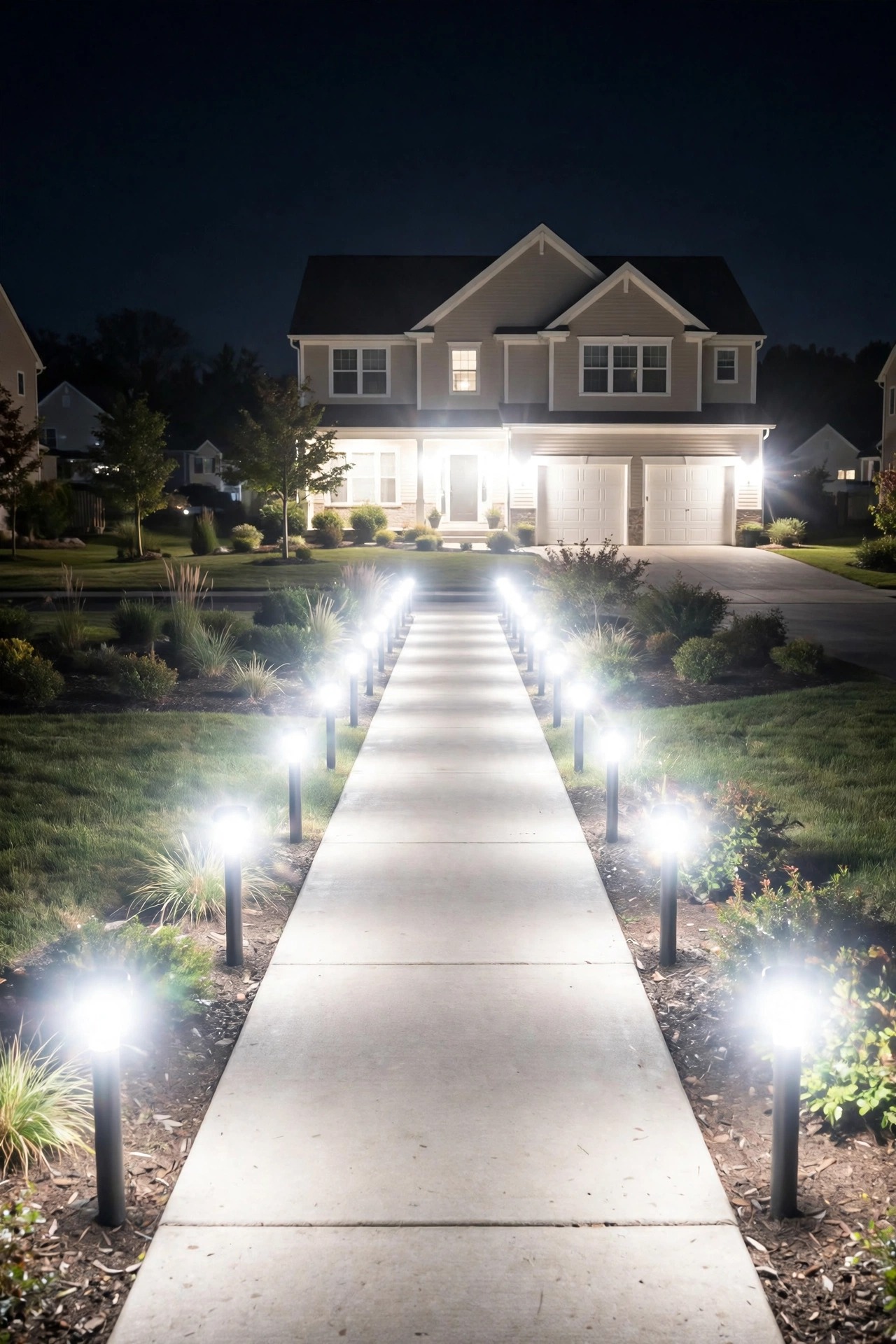
The job isn't done when the crew packs up — it's done at the nighttime walkthrough, and you should treat that appointment as sacred. Walk every zone with the contractor after dark. Check that fixtures aim where the demo promised, that no light glares into windows or the street, that path lights pool evenly without dark gaps, and that timers or smart controls are programmed and demonstrated to you. This is also when you should receive your paperwork packet: the as-built layout showing cable runs and fixture locations (gold when you dig a garden bed in three years), warranty documents, fixture and bulb specs for replacements, and care instructions.
Ask about maintenance plans while they're standing in your yard. Most systems want a visit once or twice a year — lens cleaning, fixture straightening after frost heave, pruning back plants that swallow the light, and checking connections. Some companies include the first year; others sell plans in the $200 to $400 range annually. Whether you buy one or not, get the service-call rate in writing now. And keep your final payment until the walkthrough is complete and the paperwork is in your hand — a good contractor expects exactly that, because it's how they run every job.
Frequently Asked Questions
Should I hire a lighting specialist or my regular landscaper?
A specialist, in most cases. Landscapers who install lighting as a sideline often do neat work but skip the design demo, voltage-drop math, and sealed connections that separate a five-year system from a fifteen-year one. If your landscaper partners with a lighting designer or has a dedicated lighting crew with references, that's a different story — just interview them with the same questions in this guide.
How many quotes should I get before choosing?
Three is the sweet spot. One quote gives you no context, two gives you a coin flip, and three reveals the real market range and exposes which bid is missing line items. More than four and you'll drown in sales calls. Make sure each company quotes the same scope — ideally after an evening visit — so the comparison is fair.
Is the most expensive contractor usually the best?
No. The highest bid sometimes reflects genuine extras — solid brass fixtures, a larger transformer with headroom, a longer workmanship warranty — and sometimes it's just overhead and margin. Judge the itemized quote, the demo, and the references, not the total. The best value is usually the thorough middle bid from the company that answered your hardest questions without flinching.
What warranty should a landscape lighting contractor offer?
Look for lifetime or 10-plus-year coverage on brass fixtures, at least 5 years on the transformer, and — most important — 2 years or more on workmanship and labor, all in writing. LED lamps typically carry 3 to 5 years. Be wary of long fixture warranties paired with 90-day labor coverage; when something goes dark, it's usually the connection or the install, not the fixture.
Conclusion
Hiring out your landscape lighting is really an exercise in trust, and trust should be earned in daylight *and* after dark. Now that you know how to choose a landscape lighting contractor — three itemized quotes, hard questions about voltage and materials, an evening demo, proof of insurance, and a real warranty in writing — you're equipped to spot the pros and sidestep the sales scripts. Take the extra week. Ask the awkward questions. The right contractor will welcome all of it, and then your only job is the fun one: standing at the curb on the first finished night, watching your home glow exactly the way you pictured it. For design inspiration while you interview, browse the lighting ideas across the site and start a list of looks you love.