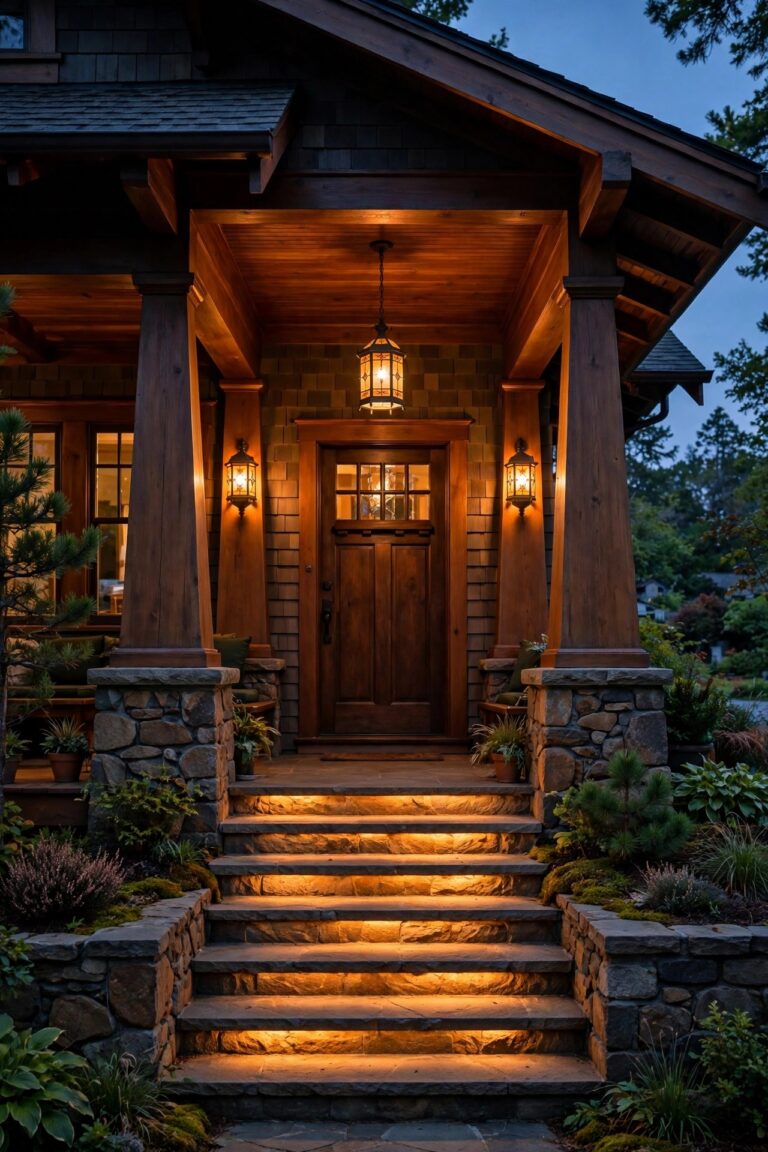
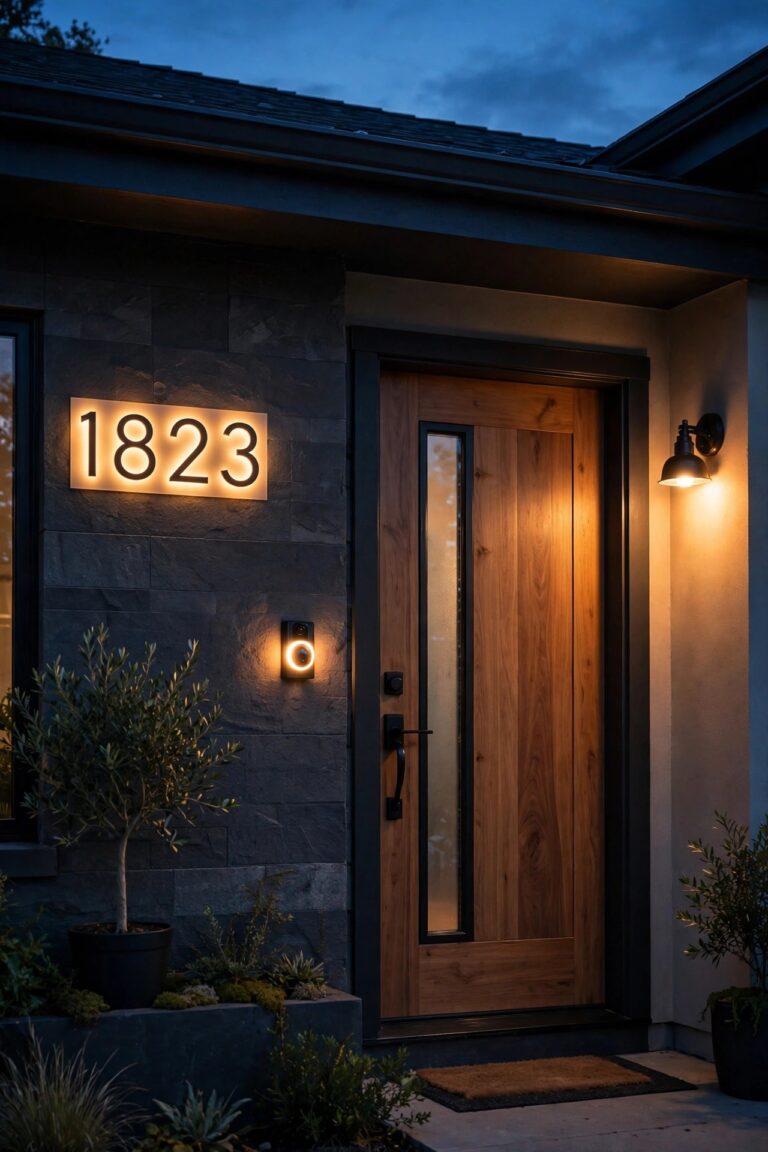
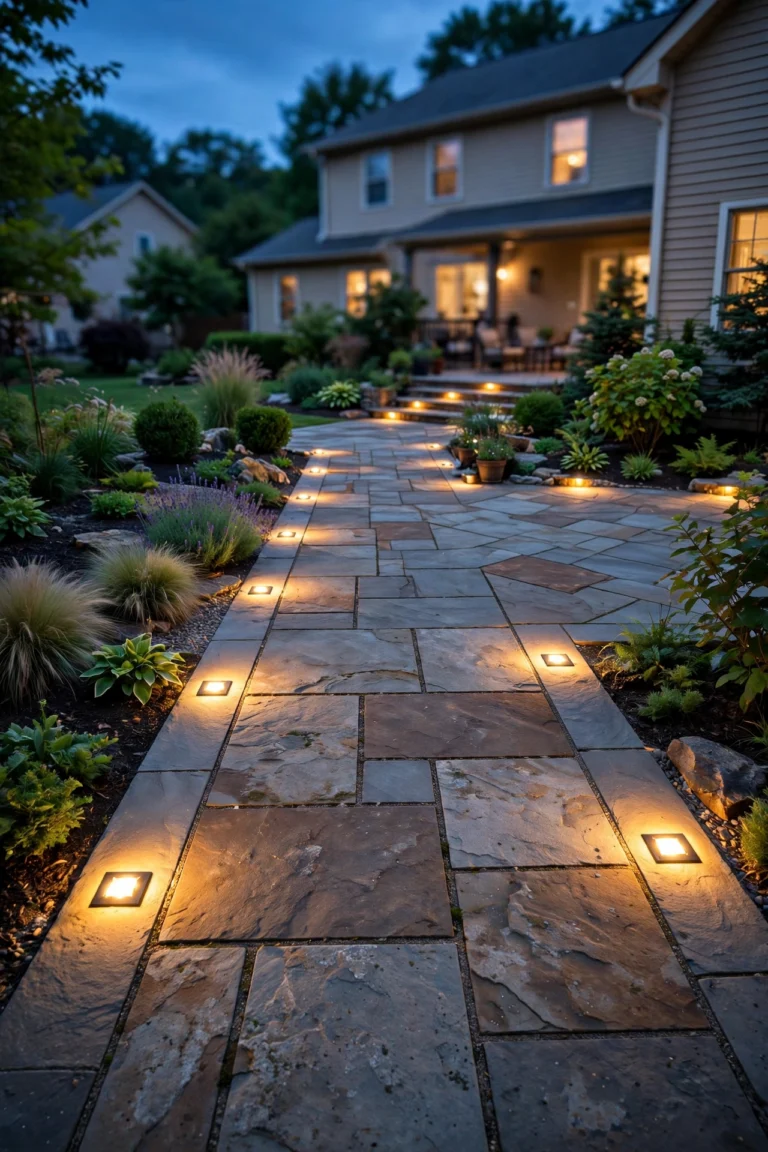
Here's the secret nobody tells you when you're porch-fixture shopping: the fixture is just the frame. The bulb is the picture. I learned this the evening I swapped the harsh white bulbs in my porch lanterns for vintage filament bulbs outdoor fixtures actually deserve — the kind with a glowing amber squiggle inside clear glass. My plain entry suddenly looked like a bed-and-breakfast porch, and I hadn't touched a screwdriver to the fixtures themselves. That's why I call this the cheapest glow-up in outdoor lighting. In this post I'm sharing 17 ways to use Edison-style filament bulbs on a porch: the shapes worth knowing (squirrel-cage, globe, tube, spiral), the color temperatures that read "gaslight cozy" instead of "office white," dimmers and weather ratings that keep them alive outdoors, and how to layer them so your porch works for both package deliveries and slow summer evenings. Every idea includes the practical numbers and a realistic budget.
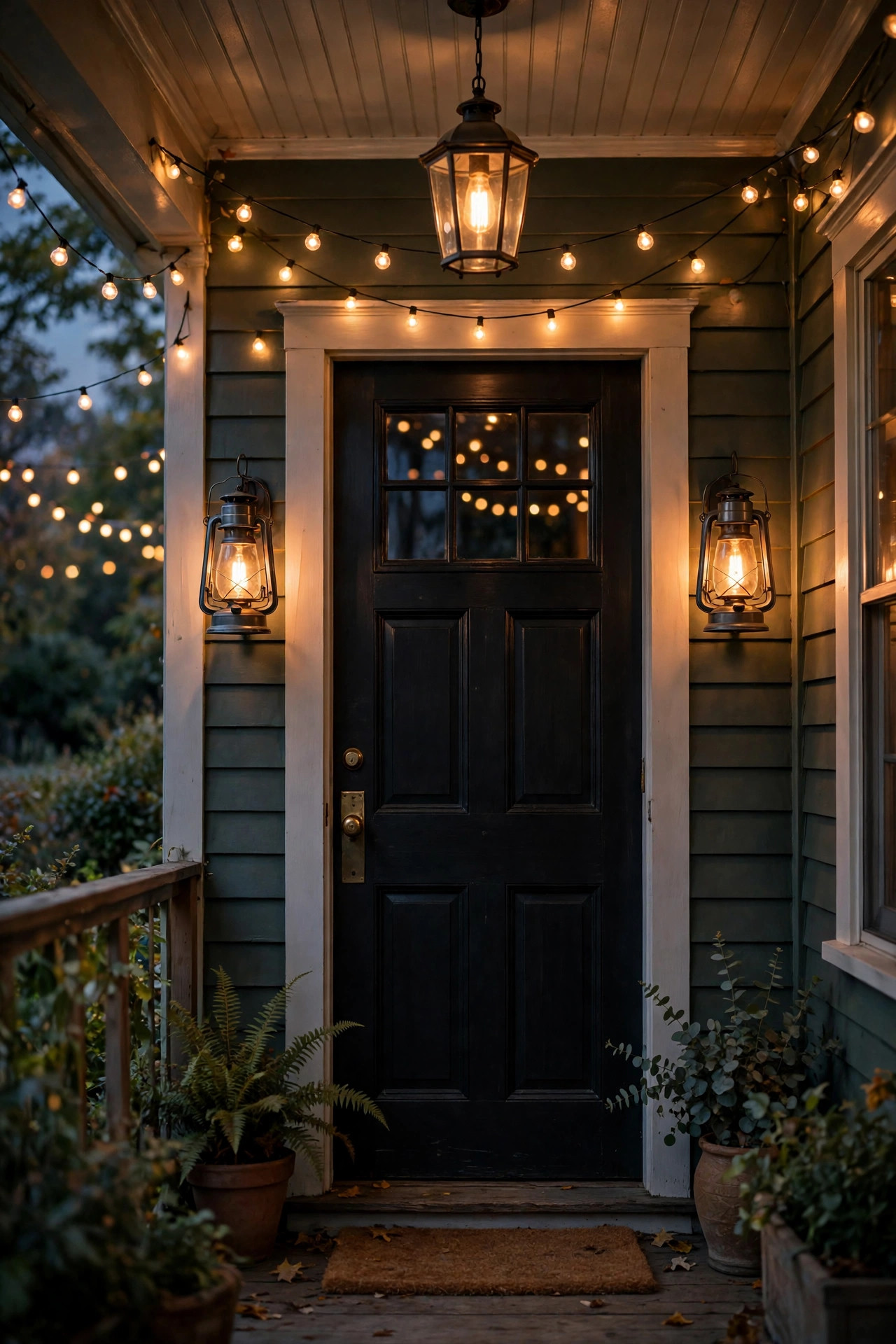
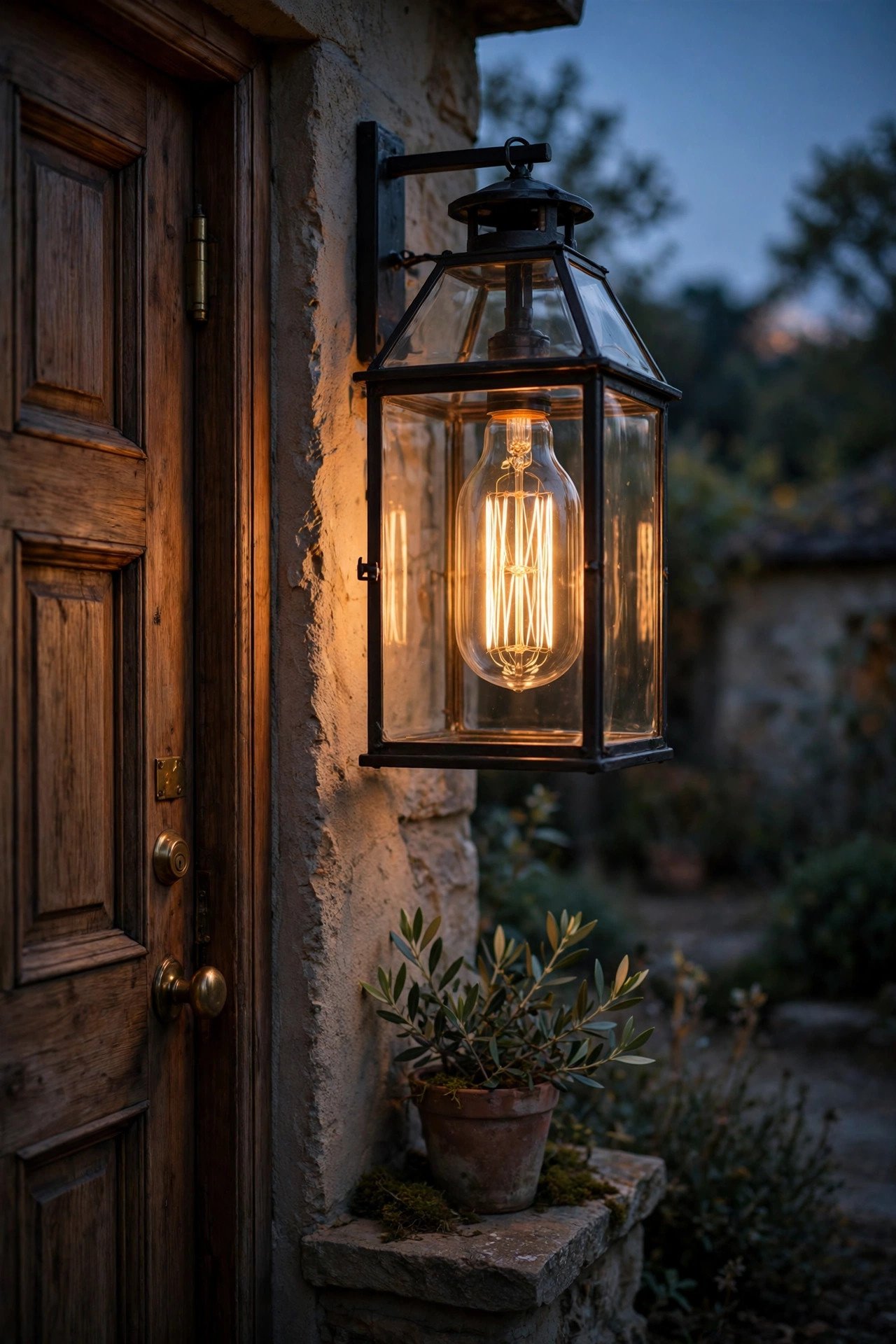
1. Squirrel-Cage Filaments in a Clear-Glass Door Lantern
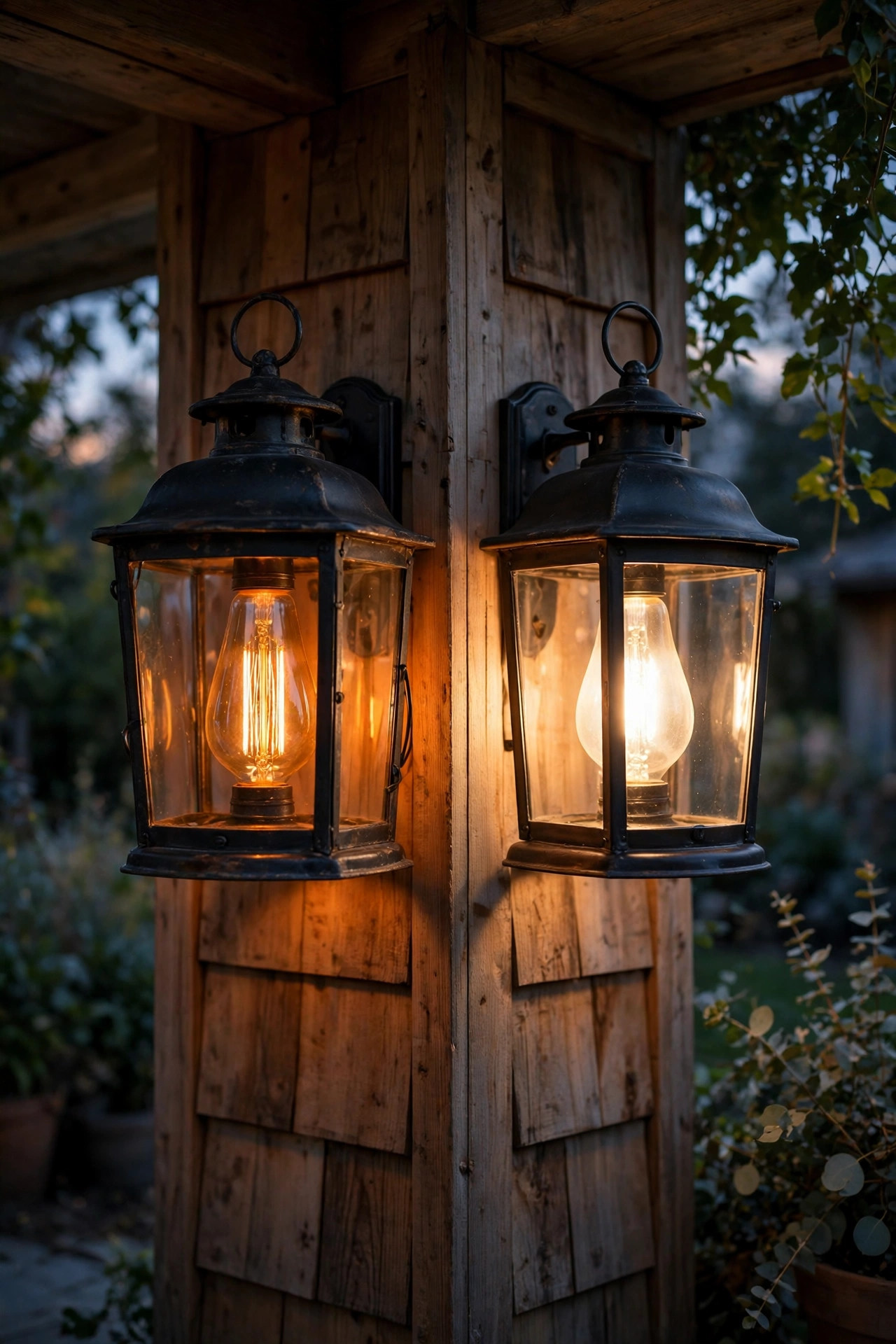
The squirrel-cage filament — that zigzagging loop of glowing wire — is the original Edison look, and it belongs in a clear-glass lantern beside your front door where guests actually stand close enough to admire it. In my experience this is the single highest-impact bulb swap you can make, because the filament itself becomes a tiny piece of sculpture. Choose an LED version rated around 40-watt equivalent (roughly 4 to 6 watts, 350 to 450 lumens): bright enough to light the steps, dim enough that the filament pattern stays visible instead of blowing out into a white blob. Mount the look at standard lantern height, with the bulb sitting roughly 66 inches above the porch floor, and pick clear or lightly seeded glass — frosted glass hides the very thing you paid for. Amber-tinted glass deepens the effect for a true gaslight feel; clear glass suits a crisper farmhouse look. One honest caution: a bare filament at eye level can glare, so if your lantern hangs low, drop to a 25-watt-equivalent bulb and let your path lights do the heavy lifting.
Suggested budget range: $18 – $45.
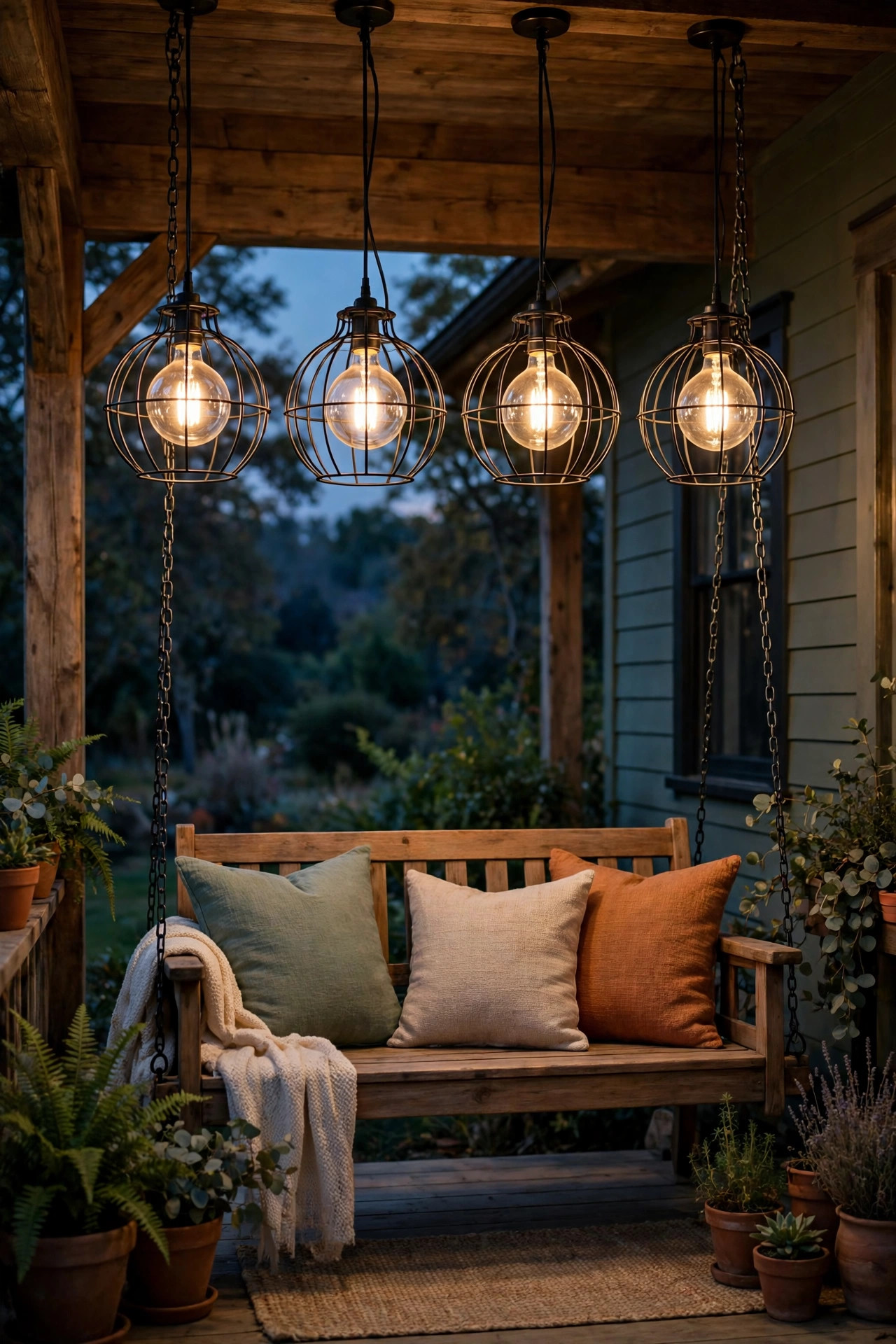
2. Globe Edison Bulbs in Open-Cage Porch Pendants
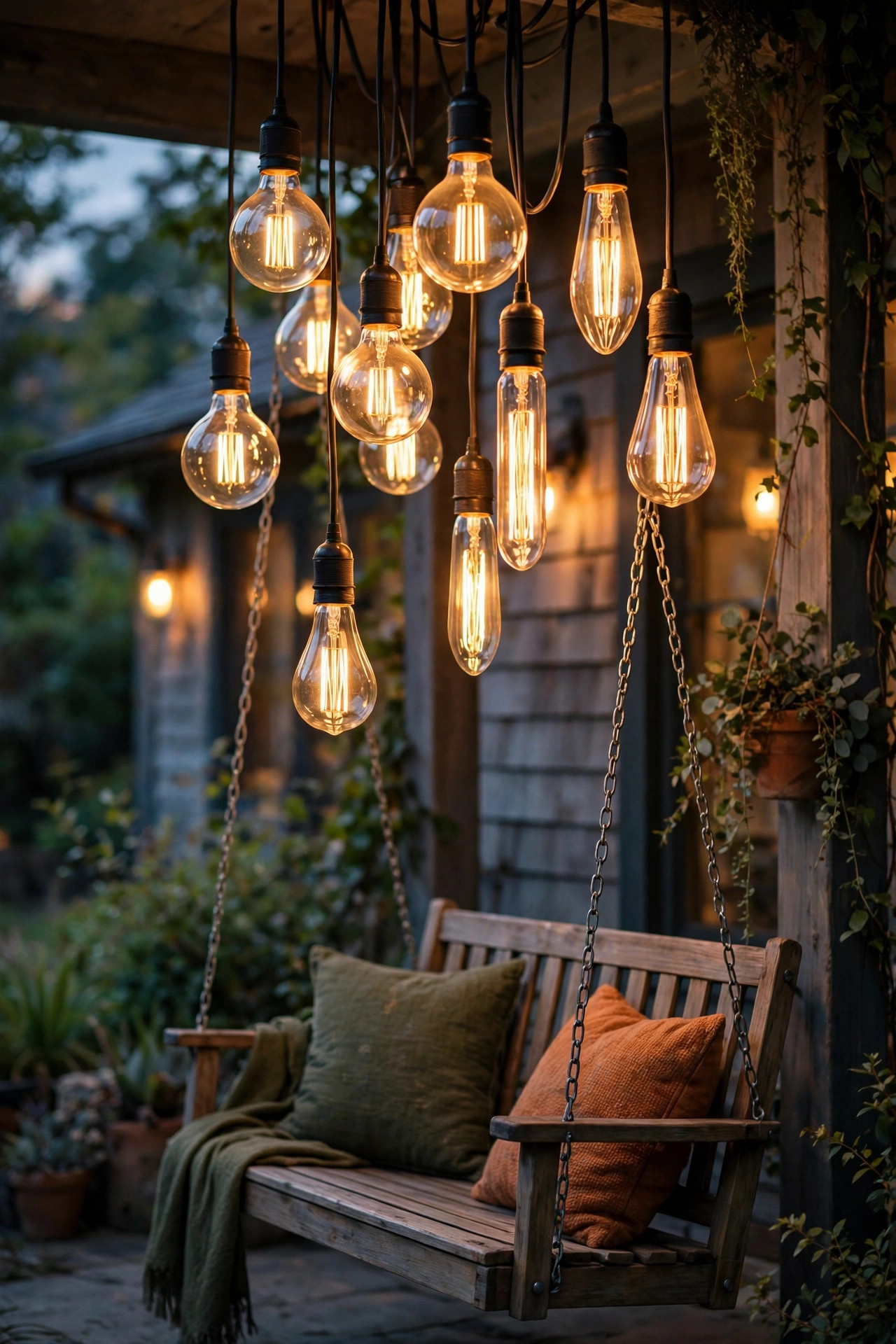
Globe filaments — the round G25 and larger G40 shapes — are my pick for open-cage pendants over a porch seating area, because the light spreads in every direction instead of beaming down like a spotlight. That soft, shadowless wash is exactly what you want over a pair of rockers or a porch swing where people sit and talk. Hang pendants so the bottom of the fixture sits about 7 feet above the porch floor, or 30 to 36 inches above a porch table if you're lighting a dining corner. The larger G40 globes (about 5 inches across) suit tall ceilings and two-story porches; the G25 (about 3 inches) is the right scale for a standard 8-foot porch ceiling. Because the bulb is fully exposed in an open cage, spend the extra dollar on a warm 2200K to 2700K color temperature and a high color-rendering rating — skin tones and wood finishes look noticeably better. Two pendants on a dimmer will carry a porch from bright-enough-to-play-cards to barely-lit-and-romantic, which is the whole range a porch ever needs.
Suggested budget range: $30 – $90.
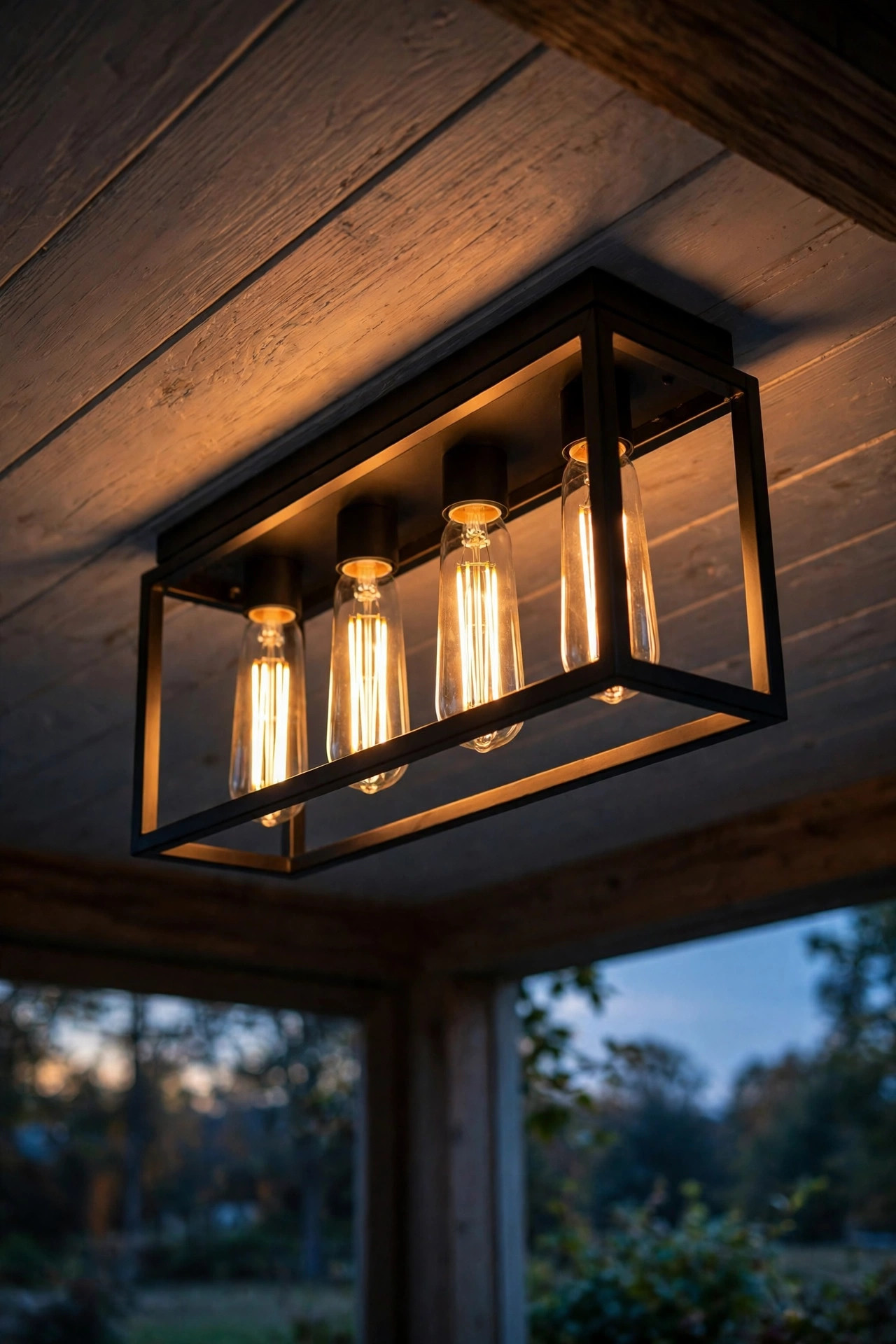
3. Tubular T30 Filaments in a Porch Ceiling Flush Mount
If your porch ceiling is low — and most are, at about 8 feet — a long tubular filament bulb inside a flush-mount or semi-flush fixture is the vintage answer that doesn't hang down and bonk tall guests. The T30 tube shape, roughly 1 inch wide and 7 to 12 inches long, echoes old radio tubes, and its filament glows along the whole length, so the light feels like it comes from a little lantern laid sideways. I always recommend showing the tube through clear or open-frame metalwork rather than a closed glass dome; a dome turns the whole fixture into a glowing blob and wastes the shape. Two tubes side by side in a rectangular ceiling fixture give a farmhouse porch real presence without any drop height at all. Spread matters here: one tube lights a small stoop, but a 12-foot porch wants the two-bulb fixture plus your door lanterns for the corners. LED tube filaments run cool, which matters in a ceiling fixture where heat collects — just confirm the bulb is rated for enclosed fixtures if your mount has a cover.
Suggested budget range: $28 – $75.
4. Amber 2200K Filaments for a True Candlelight Porch
Color temperature is where vintage bulbs live or die. A real flame and an original carbon-filament lamp glow around 1800K to 2200K — deep amber, almost orange — while most "warm white" bulbs sit at 2700K. For a front porch that feels like candlelight, choose bulbs labeled 2200K, ideally in amber-tinted glass, which pushes the effect even warmer. Honestly? This is the look that makes neighbors slow down on evening walks. Amber filaments flatter brick, cedar, and dark-painted doors beautifully, and they're gentle on the eyes when you step out from a bright house. The trade-off is real, though: at 2200K, colors go muddy and the light is more mood than function, so don't ask it to be your only source. Layer it the way I do — amber filaments in the porch fixtures for atmosphere, a neutral path light or step light near the stairs for safe footing. If your home has white or light-gray siding, test one bulb first; amber can make pale siding look a little jaundiced at full brightness, and dimming 20 percent usually fixes it.
Suggested budget range: $20 – $55.

5. Dimmable Filament Bulbs That Warm as They Dim
A porch needs two personalities: bright and welcoming when guests arrive or a delivery lands, low and golden for sitting out afterward. Dimmable LED filament bulbs give you both from the same fixture, and the best ones are "warm-dim" models that slide from 2700K down toward 1800K as you lower them, exactly like a real incandescent filament cooling. That color shift is the detail most people miss when their dimmed porch looks gray instead of cozy — standard dimmable LEDs hold their color, warm-dim ones melt. Compatibility is the one homework item: filament LEDs want an LED-rated (trailing-edge) dimmer switch, and an old incandescent dimmer can make them buzz or flicker at low levels. If you rent or can't swap the switch, plug-in smart dimmers and lamp modules get you most of the way there. My settled routine is full brightness at dusk, about 40 percent after dinner, and the lowest glow for late evenings — the filaments look like embers at that level, and the porch feels lit by a fireplace that isn't there. It also stretches bulb life and trims the electric bill.
Suggested budget range: $35 – $95.
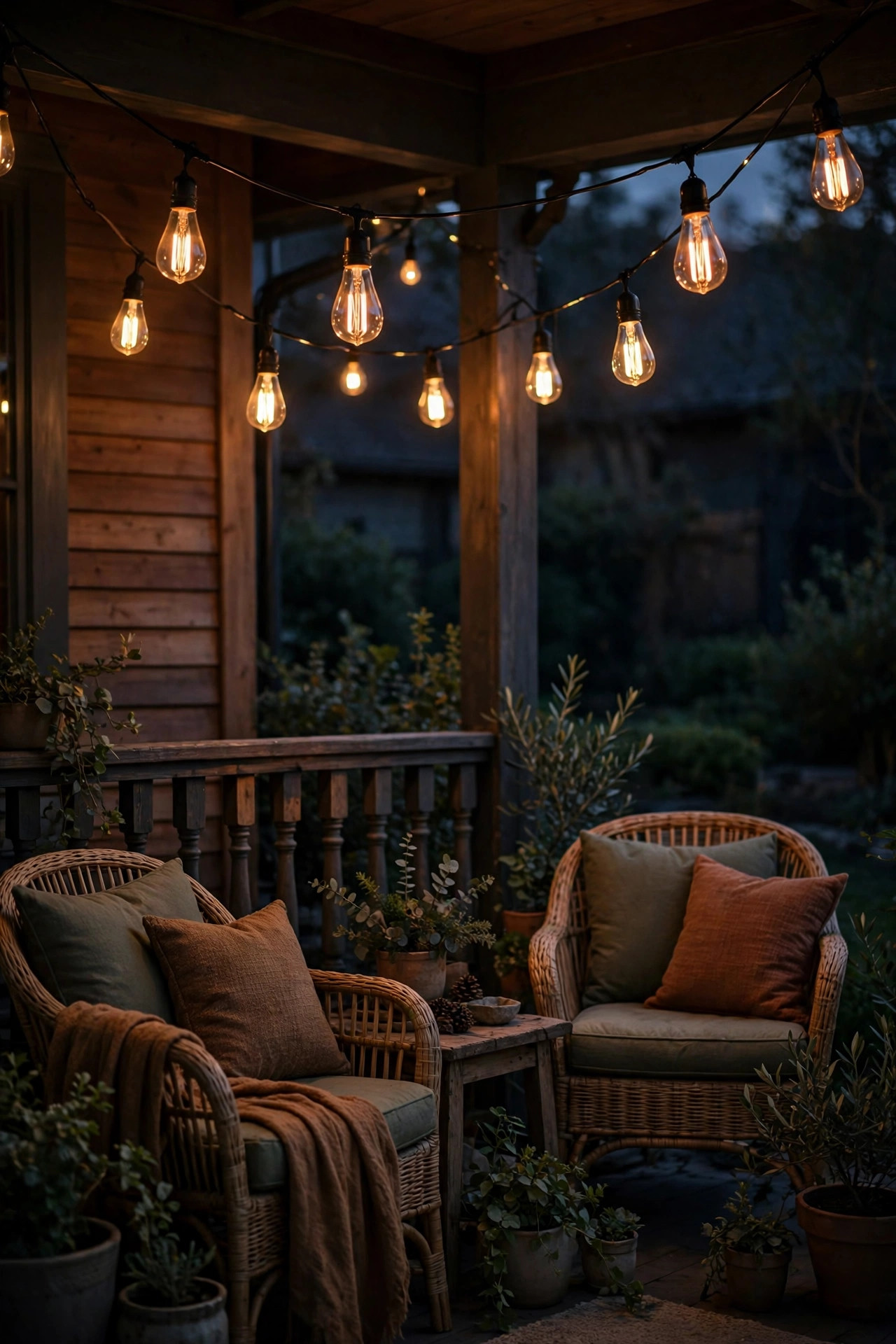
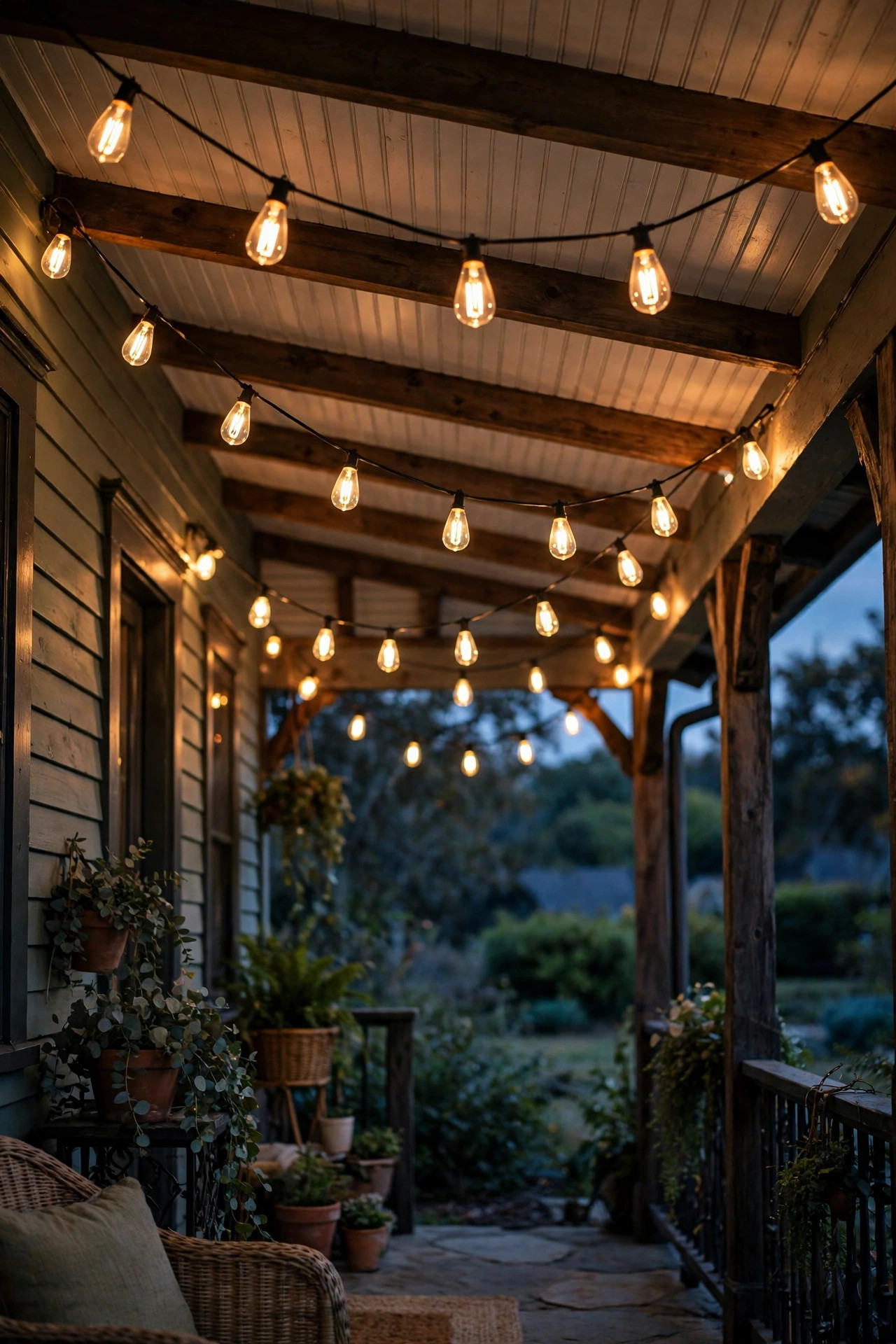
6. Teardrop Filament String Lights Across the Porch Ceiling
String lights aren't just for patios — a single run of teardrop (ST64) filament bulbs across a porch ceiling is the friendliest light there is, and the vintage shape keeps it from reading "dorm room." Use a commercial-grade stringer with suspended sockets and LED filament bulbs, and plan your swags: attach at the house and the porch beam, let each span sag about 6 to 8 percent of its length, and space bulbs roughly 12 to 24 inches apart depending on the stringer. Plug into a GFCI-protected outlet — non-negotiable outdoors — and put the run on a timer so it greets you at dusk without a thought. Our full walkthrough of layouts, hardware and hanging math is in the outdoor string lights guide, and it pairs beautifully with this look. Two practical notes from my own porch: plastic LED filament bulbs survive a dropped stringer during takedown far better than glass, and you should never mix real incandescent bulbs into an LED stringer run — the wattage math for the wire is completely different. Keep strings clear of ceiling fans, obviously, and give them a quick wipe each spring; dusty bulbs lose their sparkle.
Suggested budget range: $45 – $120.
7. Oversized Statement Bulbs in a Gooseneck Barn Light
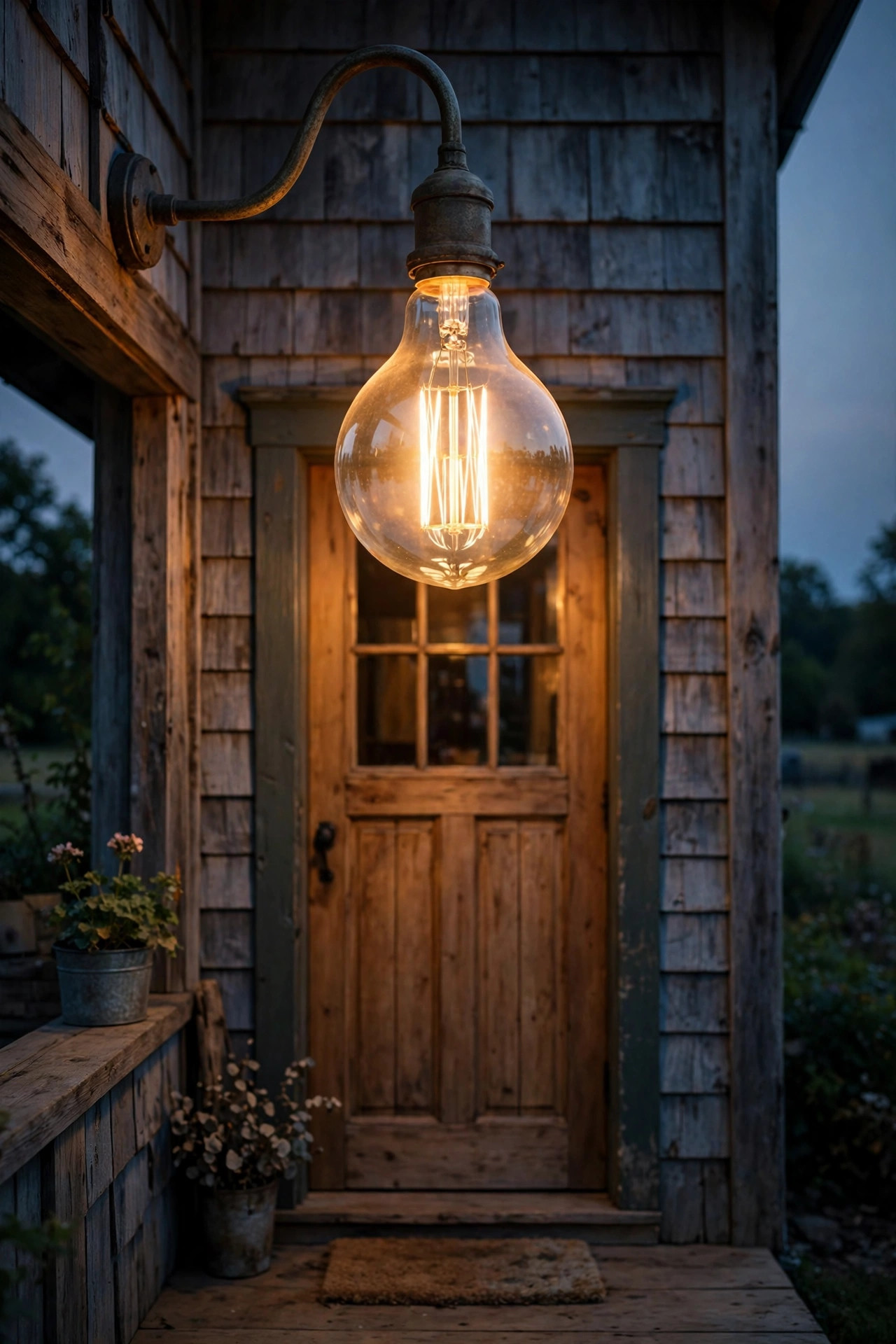
Every porch composition needs one focal point, and an oversized filament bulb — the big G63 globe or a giant teardrop, 6 to 8 inches of glowing glass — inside a gooseneck barn light or an extra-large lantern is mine. Scale is the whole trick: a bulb that would look silly in a table lamp looks intentional and architectural on a two-story entry or a tall farmhouse porch. Because the bulb is the show, keep its output modest; an oversized LED filament at 6 to 8 watts gives you the glow without turning the porch into a stage set. Check the socket before you fall in love — most statement bulbs use a standard E26 base, but a few need the larger E39 mogul base or an adapter, and adapters add length that can push the bulb past the fixture's shade. Also check the bulb's weight on pendant fixtures; the big glass globes are heavier than they look. I like this look aimed at a porch's social center — over the swing, beside the door everyone actually uses — with smaller matching filaments echoing it in secondary fixtures so the scale reads as a plan, not an accident.
Suggested budget range: $30 – $85.
8. Spiral Filaments in Twin Sconces Flanking the Door
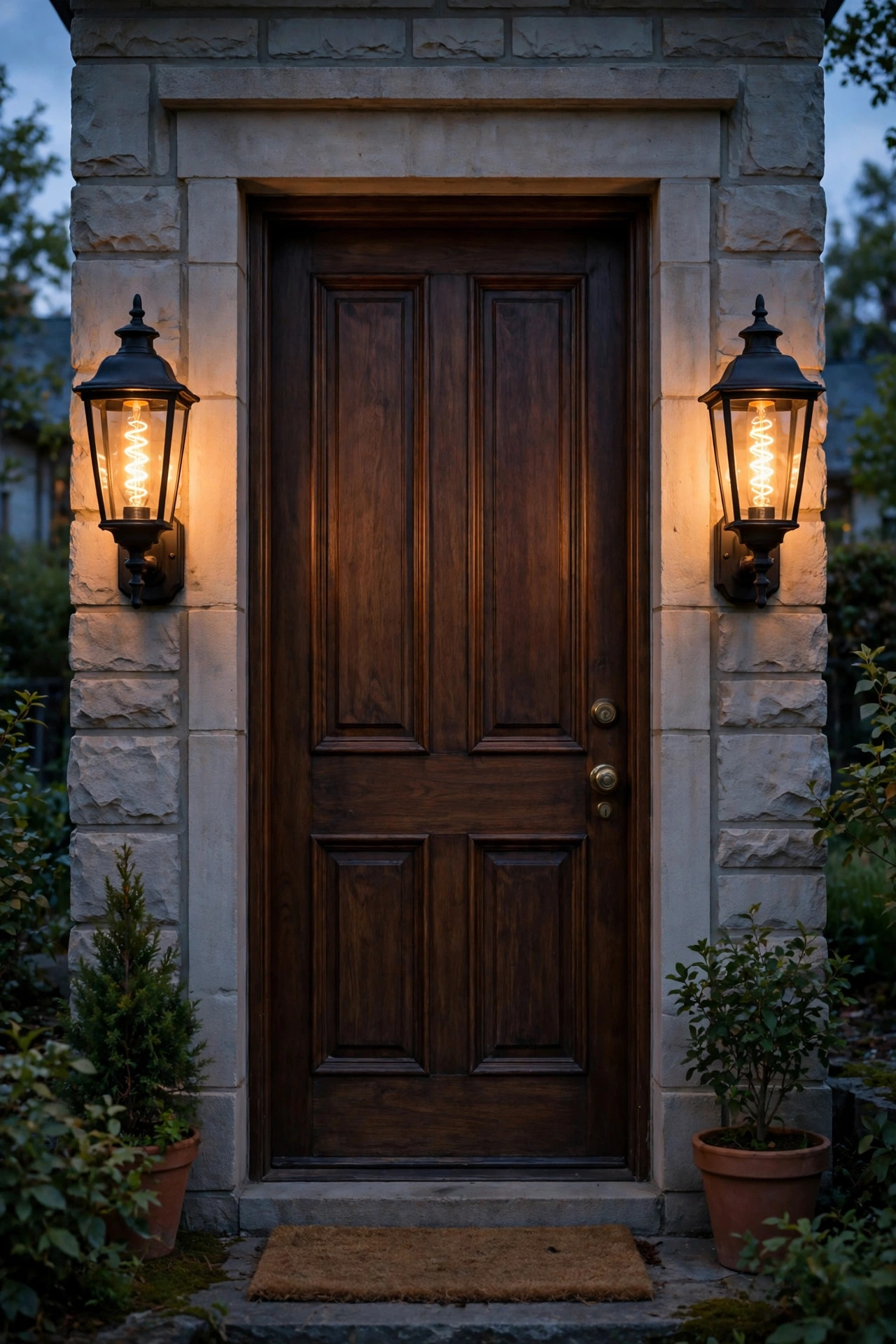
The spiral filament — a corkscrew of light — is the modern cousin of the squirrel cage, and a matched pair of them in twin sconces flanking the front door is the most "designed" vintage look on this list. Symmetry does the heavy lifting: identical fixtures, identical bulbs, mounted at the same height (about 66 inches to the bulb center) and set an equal distance from the door casing. Because these filaments sit near eye level as you approach, output discipline matters more here than anywhere else on the porch. I recommend bulbs around 200 to 300 lumens each — enough to model the door and wreath warmly, not enough to make arriving guests squint. Seeded or lightly textured glass softens the spiral's brightness while keeping its silhouette readable, which is the happy middle ground. This is also the one place I'd insist on buying both bulbs (plus a spare) from the same production batch; LED tints vary subtly between batches, and nothing gives away a budget swap like a left sconce that's warmer than the right. Keep the spare in a labeled box in the hall closet and your symmetry survives a burnout.
Suggested budget range: $24 – $64.
9. Half-Chrome Dipped Bulbs for Glare-Free Porch Sitting
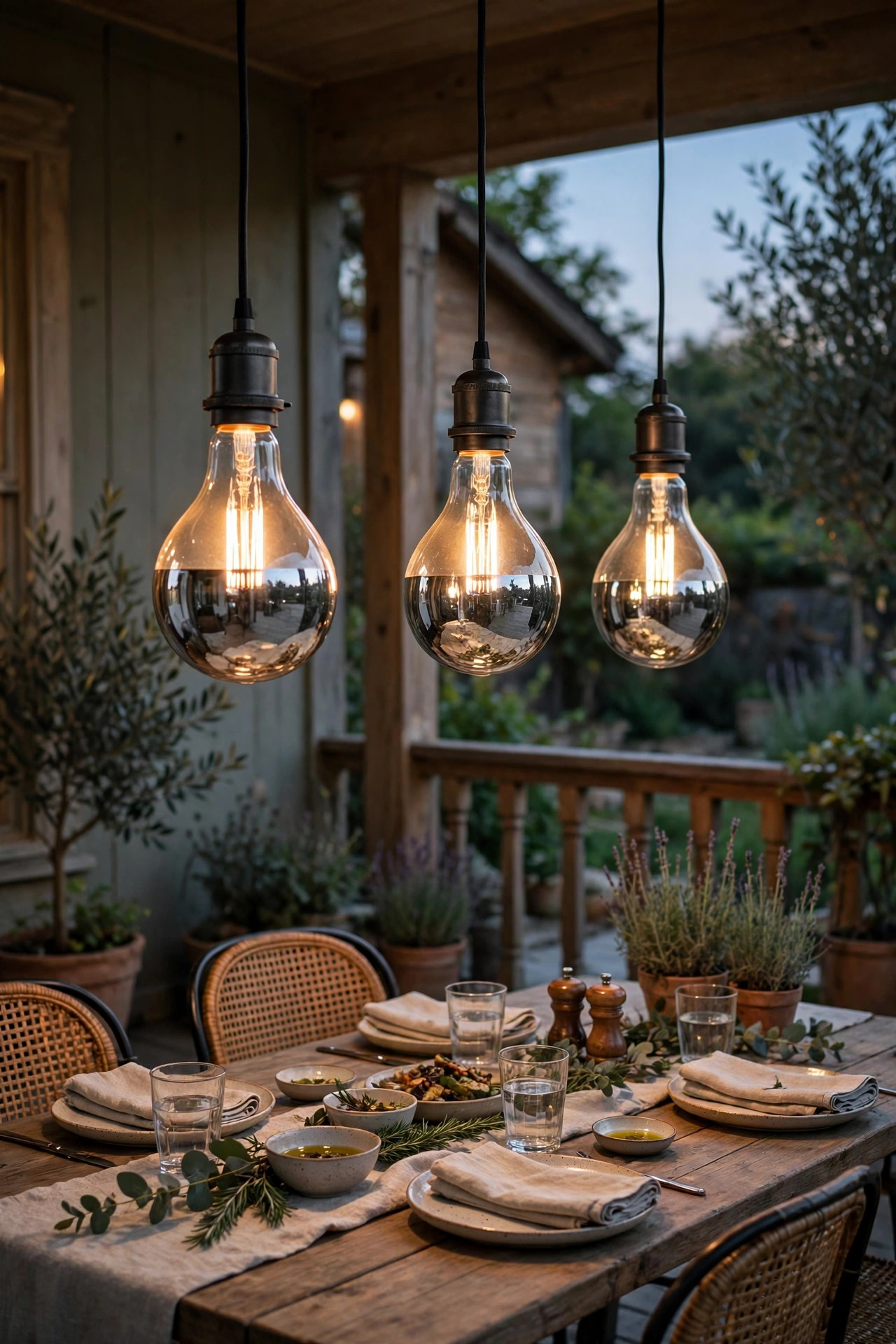
Here's a problem every exposed-filament fan meets: the bulbs are gorgeous to look at, but miserable to sit under at full brightness, because you're staring straight at a glowing wire. Half-chrome (silver-bowl) dipped bulbs are the vintage trade's old solution — the bottom half of the glass is mirrored, so light bounces up and reflects off the ceiling or shade instead of hitting your eyes. In a downward pendant over a porch dining table or reading chair, the effect is all glow and no glare, and the mirrored cap itself looks like jewelry. These read especially well in fixtures with dark interiors, where the contrast turns the bulb into the whole design. Two honest notes: the mirrored cap cuts total output noticeably, so size up one step (a 60-watt-equivalent where you'd normally use 40), and the look is directional — dipped bulbs only make sense pointing down or into a shade, not in an up-facing sconce. Pair them with a dimmer and you get a porch table where faces are flattered, food looks warm, and nobody's shielding their eyes. It's the dinner-party bulb.
Suggested budget range: $26 – $60.
10. A Mixed-Shape Filament Cluster Over the Porch Swing
Once you know the shapes, mixing them — deliberately — is where a porch gets personality. A multi-arm ceiling fixture or a cluster pendant over the swing is the place to do it: one globe, one tube, one teardrop, staggered at slightly different heights (2 to 4 inches apart) like a little constellation. The rules that keep it looking curated instead of chaotic: every bulb the same color temperature from the same maker, every bulb a similar brightness (within about 100 lumens), and an odd number of bulbs — three or five reads finished, four reads accidental. This works best in fixtures where the bulbs are the decoration, like open wagon-wheel chandeliers, linear multi-socket bars, or DIY-style cluster pendants with individual cords. Keep total wattage in mind for the fixture's rating, though with LED filaments at 4 to 8 watts each you'll hit the visual limit long before the electrical one. In my experience this is the arrangement guests photograph. It also has a practical upside: when one shape is discontinued, your porch doesn't care, because no two bulbs were ever twins to begin with.
Suggested budget range: $60 – $160.
11. Vintage Filament Bulbs Outdoor Color Temperature, Settled: 2200K vs 2700K
Let me settle the question I get asked most. 2200K bulbs are amber and atmospheric — gaslight, candlelight, autumn-evening light. 2700K bulbs are the warm white of a classic household incandescent: cozier than a hardware-store LED, but clearly "electric light." Neither is wrong; they're different tools. My rule: 2200K for fixtures whose job is welcome and mood (door lanterns, string lights, decorative sconces), 2700K anywhere you need to actually see — reading on the porch, finding the keyhole, checking whether the package on the step is yours. What I steer everyone away from is anything labeled 3000K or higher wearing a vintage costume; the shape says 1910 and the color says dentist's office, and the mismatch reads cheap. Also look for a CRI of 90 or higher on the box: color rendering is why one 2700K bulb makes cedar and skin look rich while another makes everything slightly gray. If you want the deeper science of matching temperatures across a whole yard, our outdoor light color temperature guide walks through pairing porch light with path and landscape light so nothing clashes.
Suggested budget range: $15 – $45.
12. Vintage Filament Bulbs Outdoor Ratings: Damp, Wet and Enclosed-Fixture Rules
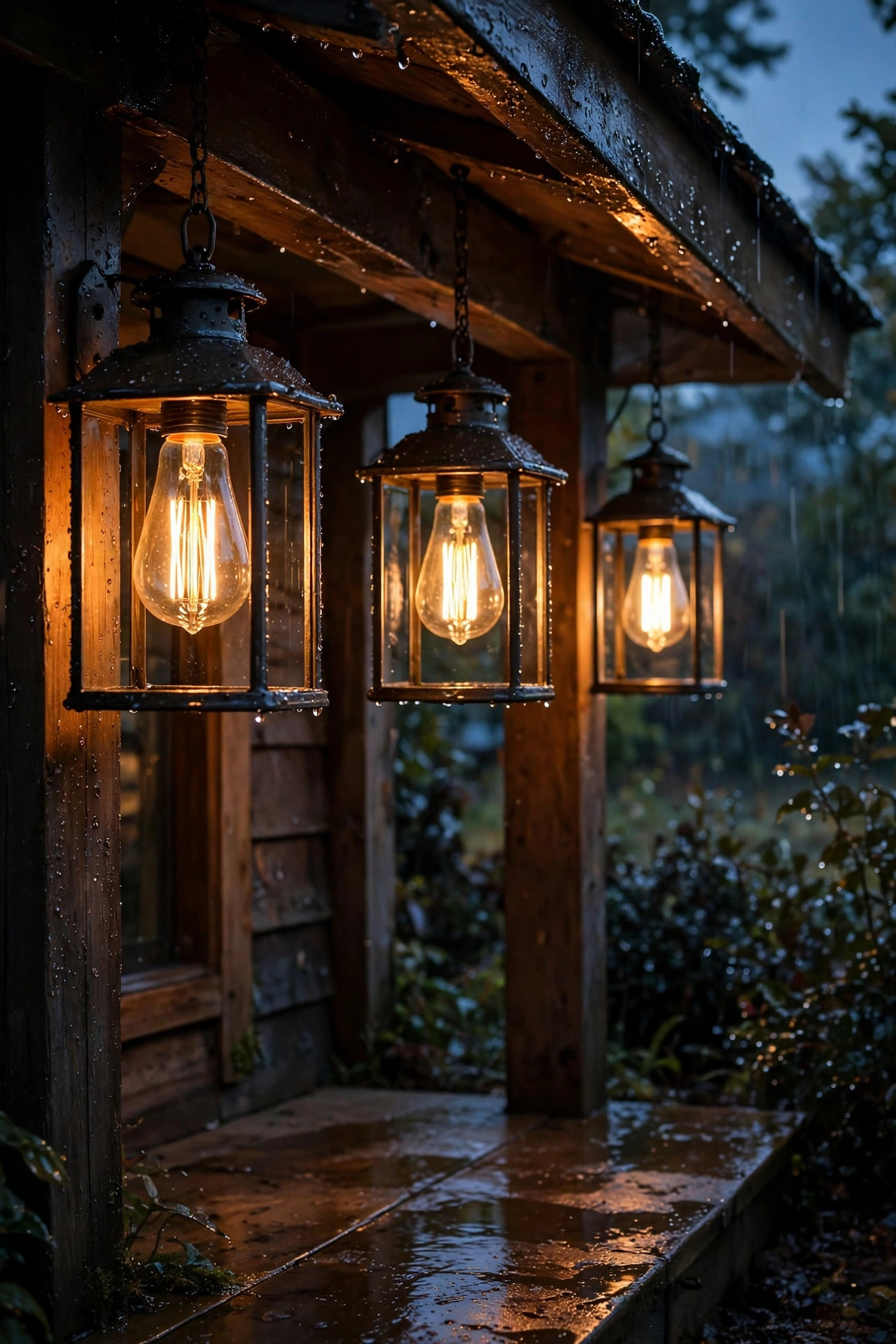
This is the unglamorous section that decides whether your pretty bulbs live one season or ten. Bulbs carry location ratings just like fixtures: "damp location" covers a covered porch where humidity and condensation reach the bulb but rain doesn't, while an open porch edge, pergola or uncovered fixture needs "wet location" rated bulbs. Using an indoor-only bulb outdoors is the most common mistake I see — moisture creeps into the base, and the bulb dies young or, worse, corrodes into the socket. Second rule: heat. LED filaments are efficient, but inside a sealed lantern their driver electronics still cook, so if your fixture is fully enclosed, the bulb must say "enclosed fixture rated" on the box; open or vented fixtures are far more forgiving. Third: if you're running true incandescent Edison bulbs anywhere, know they burn hot — keep them well away from wreaths, curtains and stored cushions, and never exceed the fixture's wattage label. My standing advice is LED filaments everywhere outdoors: same look, a fraction of the heat, and a 15,000-hour lifespan that means you're replacing a bulb every few years instead of every season.
Suggested budget range: $20 – $70.
13. Candle-Flame Filament Bulbs in a Coach Lantern Pair
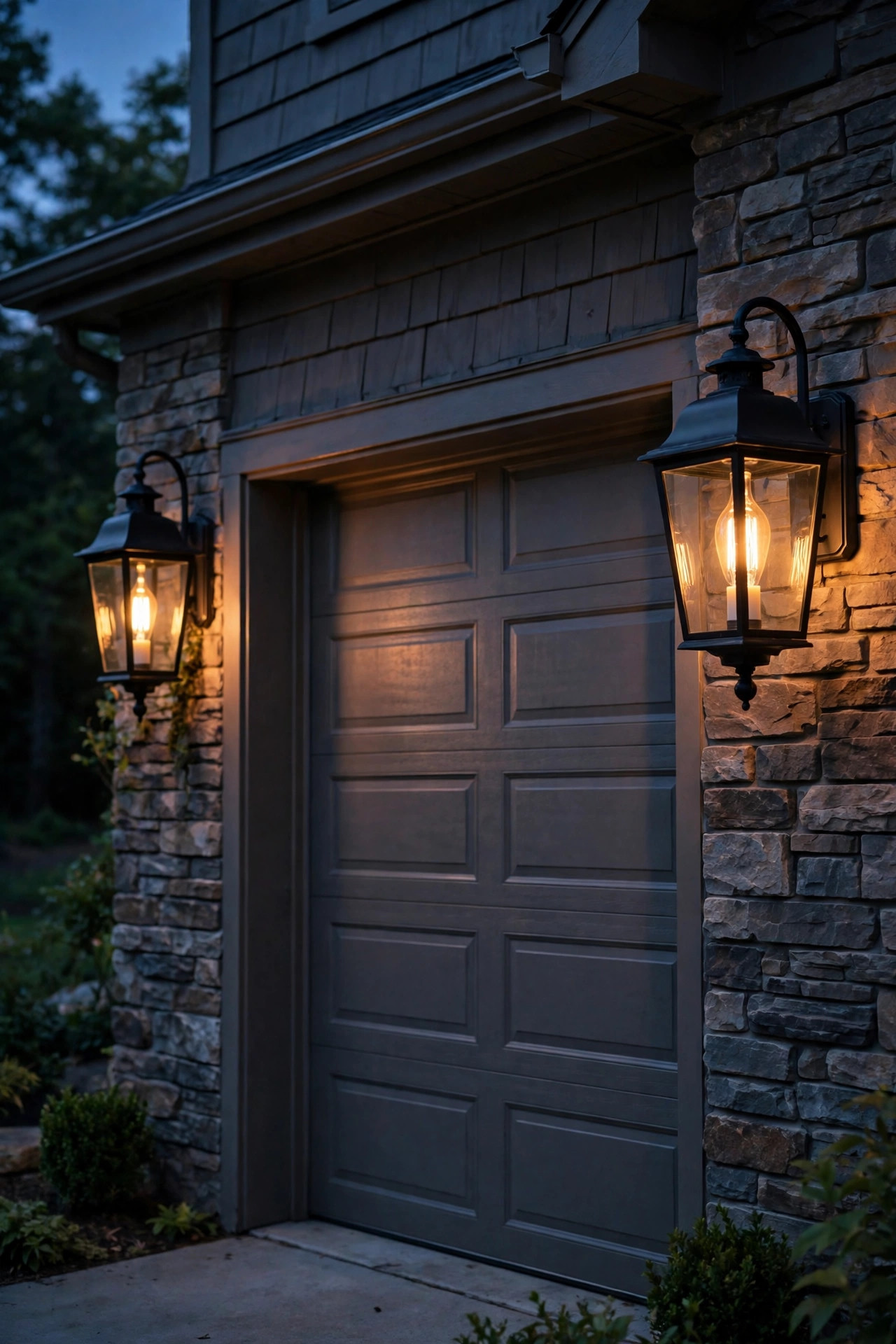
Coach-style lanterns — the tall, tapered carriage lights — were designed for a flame, and a candle-shaped filament bulb (the slim B11/CA10 profile with a coiled vertical filament) is their natural modern partner. I love a matched coach pair flanking a garage door or standing on porch columns, because the vertical filament echoes the lantern's proportions in a way a round bulb never does. Flame-tip versions, where the glass tip bends like a flickering candle, sell the illusion completely at dusk. Keep the wattage low — a 25 to 40-watt equivalent per lantern — since a pair working together throws plenty of welcome light, and put the circuit on a photocell or timer so the "lamps are lit" at sunset without you. These smaller candle bases (E12 candelabra) are the one exception to the standard-socket rule on this list, so check your lantern's socket before ordering; E12-to-E26 surprises are the most common return in this whole category. Paired with a squirrel-cage bulb at the door, the shapes rhyme without matching, which is exactly the layered look this site is always chasing.
Suggested budget range: $40 – $110.
14. Smart Filament Bulbs for Porches That Light Themselves
Smart bulbs used to mean sacrificing the vintage look for a frosted plastic blob — not anymore. Wi-Fi filament bulbs now come in the same clear glass, squirrel-cage and teardrop shapes, and they bring scheduling superpowers: on at sunset, off at midnight, a gentle brighten when the doorbell camera sees motion, a "we're away" pattern while you travel. For a porch, the two features that earn their keep are the astronomical timer (tracks sunset all year, no photocell to fail) and warm-dim control from the app when you're not near the switch. Two realities to plan around: porch Wi-Fi is weaker than you think, since the bulb sits outside your exterior wall — if the app drops the bulb, a mesh node near the front of the house fixes it — and a smart bulb needs the fixture's switch left on, so put a little guard or label on it before a helpful guest "turns off" your whole schedule. Group them into one scene with your path lights and the porch lights itself like a housekeeper who never forgets.
Suggested budget range: $30 – $80.

15. Seasonal Swaps: Clear for Summer, Smoked and Amber for Fall
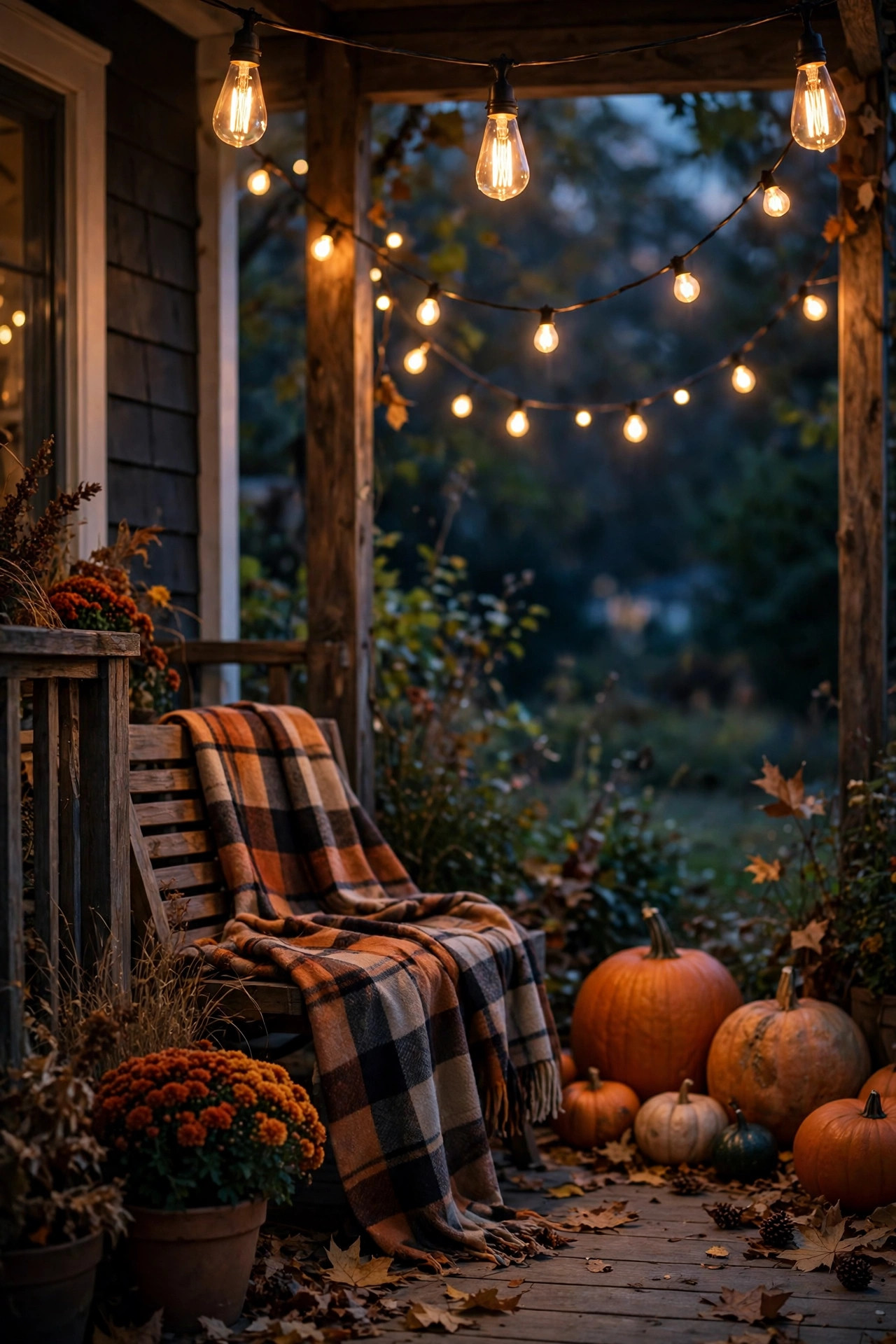
Because filament bulbs are the cheapest part of any fixture, they're the easiest seasonal refresh a porch can get. My rotation: clear-glass 2700K bulbs through spring and summer, when I want the light bright and the porch to feel airy; amber 2200K bulbs from the first cool weekend of fall, when the amber glow against pumpkins and a plaid throw makes the whole entry feel like October; and back to clear for the bright, busy doorstep season of December, when packages and guests need real light. Store the off-season set in their original divided boxes, labeled by fixture, in the hall closet — filament bulbs are glass, and a loose bulb in a junk drawer is a bulb you'll replace. This is also the moment to wipe each fixture's glass inside and out; a season of porch dust and bug evidence can dim a bulb's effect by a third, and it costs you five minutes with a microfiber cloth. Budget-wise the whole habit costs less than one replacement fixture, and honestly, the little ritual of "changing the porch over" for fall is one of my favorite homeowner moments of the year.
Suggested budget range: $18 – $50.
16. Smoked-Glass Filament Bulbs for a Moody Modern Porch
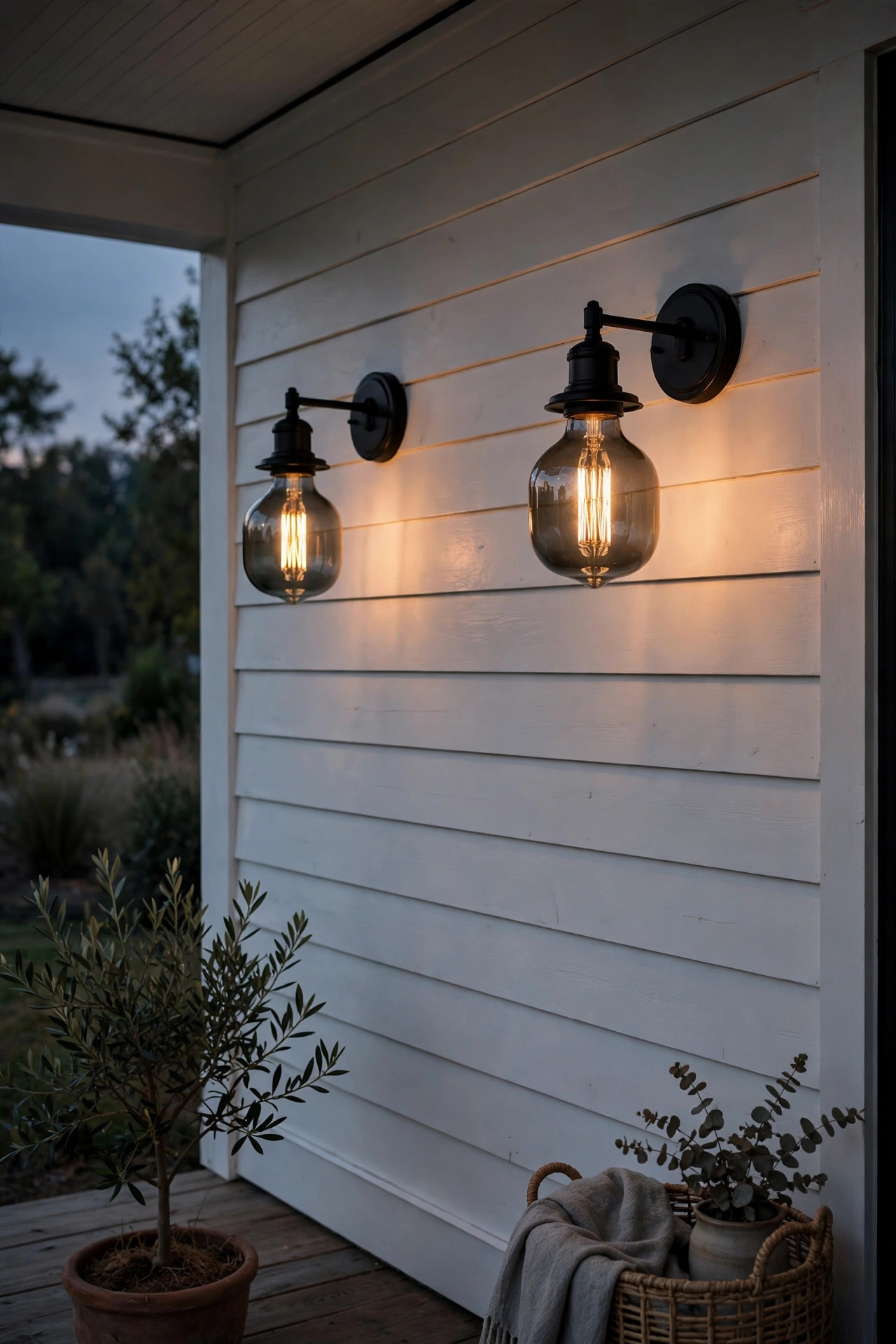
Not every porch wants golden and cozy — some want a little drama. Smoked-glass filament bulbs, in gray or deep bronze tints, dim and cool the filament's fire into something moodier, and they are stunning on modern farmhouse and black-and-white exteriors where a bright amber bulb would fight the palette. Understand the physics before you buy: the tint absorbs roughly half the light, so a smoked bulb is an accent, not a workhorse. I use them where the bulb is primarily seen rather than used — a pair of sculptural sconces by the door, a pendant over a side table — and I always layer a brighter, clear-bulb source nearby (a ceiling fixture or step lights) to do the practical work. Smoked bulbs also hide their own off state beautifully; unlit, they read as dark glass orbs, so the fixture looks designed in daylight too. Choose the gray tint for a cooler, contemporary feel and the bronze tint if you still want warmth at low volume. On a white porch with black fixtures, honestly, there is no prettier bulb — just don't ask it to light the stairs alone.
Suggested budget range: $24 – $58.
17. The Layered Porch: Putting Vintage Filament Bulbs Together
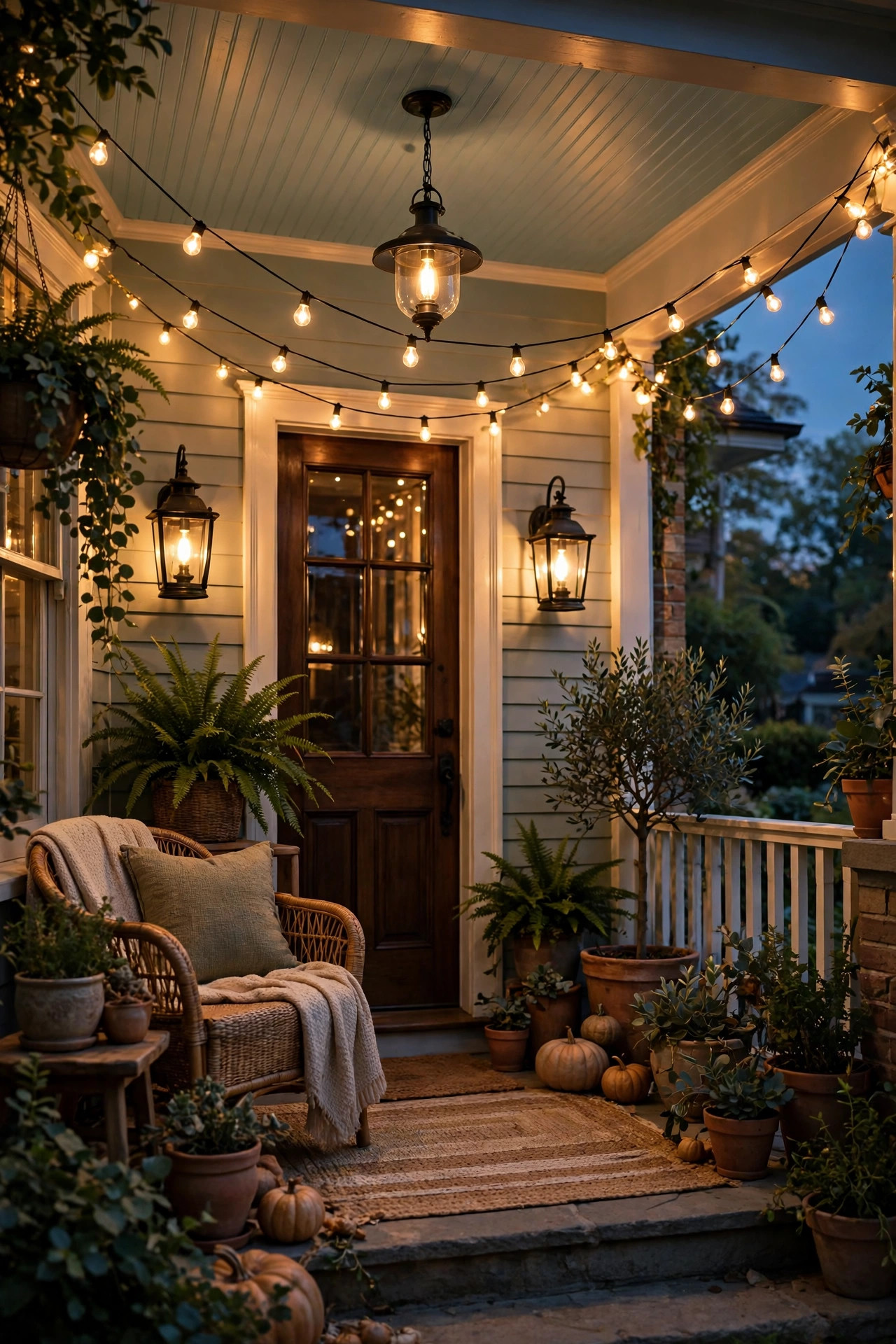
Here's how the whole list comes together on one real porch, because individual bulbs are only half the philosophy — layering is the other half. Layer one, the welcome layer: squirrel-cage or spiral filaments in the door lanterns at 2200K, on a photocell timer, doing the curb-appeal work every single night. Layer two, the living layer: globe or tube filaments in the ceiling fixture on a warm-dim switch, bright for arrivals and packages, low for sitting out. Layer three, the party layer: a string-light run or a mixed-shape cluster that only comes out (or only comes on) when the porch is full of people. Total draw for all three layers with LED filaments is typically under 50 watts — less than one old incandescent porch bulb — so the whole composition costs pennies a night to run. Match every bulb to the same color family, keep the brightest light at the door where faces are, and let brightness fall off toward the porch edges. Do that, and your porch stops being a fixture with a bulb in it and becomes what it should be: the warmest room of the house, just missing a wall or two.
Suggested budget range: $150 – $400.
Frequently Asked Questions
Are LED vintage filament bulbs bright enough for a porch?
Yes — a single 40 to 60-watt-equivalent LED filament bulb puts out roughly 350 to 800 lumens, and a typical porch runs two or three fixtures, which is plenty for steps, doors and seating. The trick is placement, not raw power: keep the strongest source at the door, and add a modest path or step light if your stairs sit far from the fixtures. If a bulb seems dim, check whether you bought a decorative 25-watt-equivalent or a tinted smoked/amber version, both of which trade output for mood on purpose.
Can I use vintage filament bulbs in enclosed outdoor fixtures?
Only if the bulb is labeled "enclosed fixture rated" — LED drivers dislike trapped heat, and an unrated bulb in a sealed lantern will fade or fail early. For covered porches choose damp-location rated bulbs; for fixtures that rain can reach, choose wet-location rated. Open or vented fixtures are the most forgiving home for any filament bulb. When in doubt, LED filaments in an open lantern are the longest-lived combination on this page.
What is the difference between LED filament bulbs and real incandescent Edison bulbs?
They look nearly identical lit, but the engineering is opposite. A true incandescent Edison bulb burns 40 to 60 watts, gets genuinely hot, and lasts about 1,000 to 3,000 hours. An LED filament bulb sips 4 to 8 watts, stays cool enough to touch, and lasts around 15,000 hours — years of porch evenings. The LED version is also dimmable in warm-dim models and safe near wreaths and fabrics. I run LEDs everywhere outdoors and save real incandescents for nothing at all, honestly.
Do vintage filament bulbs work with dimmer switches and timers?
Dimmable models do, with one caveat: pair them with an LED-rated dimmer switch to avoid buzzing and low-end flicker, and check the bulb's minimum dimming level if you like a very low glow. Warm-dim bulbs are the best porch choice because they get more amber as they dim. Standard mechanical timers and photocell sockets work fine with LED filaments, and smart filament bulbs build the timer right in — just remember to leave the wall switch on so the bulb keeps its power and its schedule.
Conclusion
If you take one formula from this post, make it this: shape for style, temperature for mood, and a dimmer for everything else. Vintage filament bulbs outdoor fixtures were made for each other — a squirrel-cage at the door, a globe over the swing, an amber swap when fall arrives — and the whole transformation costs less than a single new fixture. Start with the door lanterns, live with them for a week, and I promise the rest of the porch will start asking for the same treatment. For the fixtures themselves, browse our front porch lighting ideas to find the lanterns, pendants and sconces these bulbs deserve — then come back and tell your porch glow-up story in the comments.