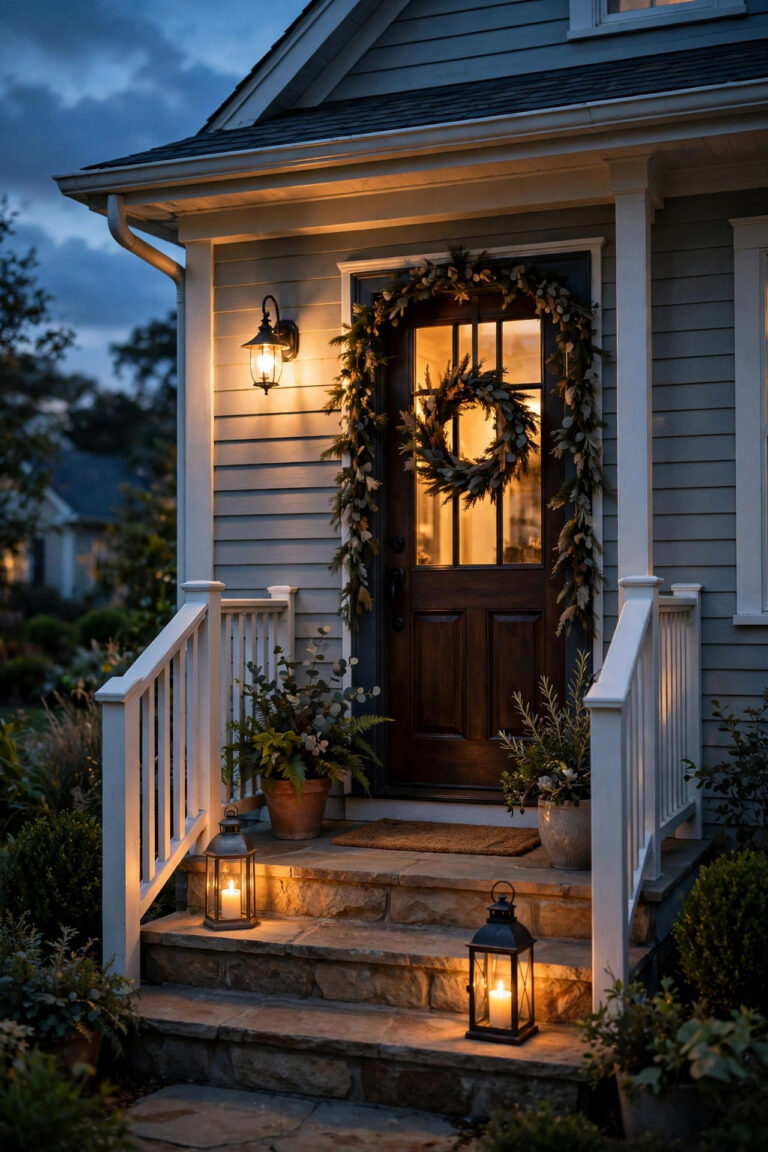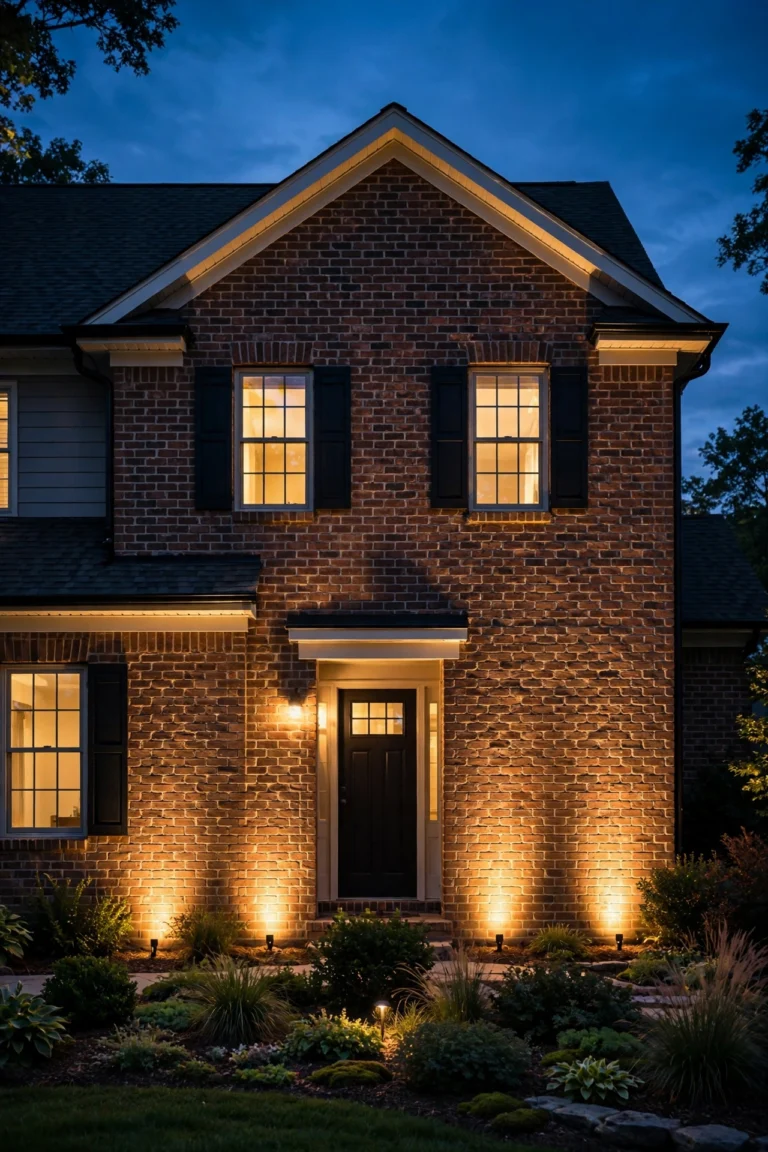
Here's the thing nobody tells you about smart outdoor lighting: you probably don't need new fixtures at all. Those porch lanterns you installed years ago, the carriage lights flanking the garage, the plain post light by the mailbox — every one of them is a smart fixture waiting to happen. Swapping in smart bulbs for outdoor fixtures you already own is the cheapest, fastest upgrade I know: no electrician, no ladder-and-junction-box drama, just a bulb change and ten minutes in an app. In my experience, the real magic isn't the gadgets, it's the layering — a warm welcome layer at the door, a soft glow layer for evenings on the patio, and a practical layer that handles security and comings-and-goings while you're not even thinking about it. In this post I'll walk you through 15 ways I use smart bulbs around my own house, from dusk-to-dawn schedules to holiday color, plus the honest fine print: keep the wall switch on, mind your Wi-Fi range, and check that the bulb is rated for a covered, damp location before it goes outside.
1. Put Your Porch Sconces on a Dusk-to-Dawn Schedule
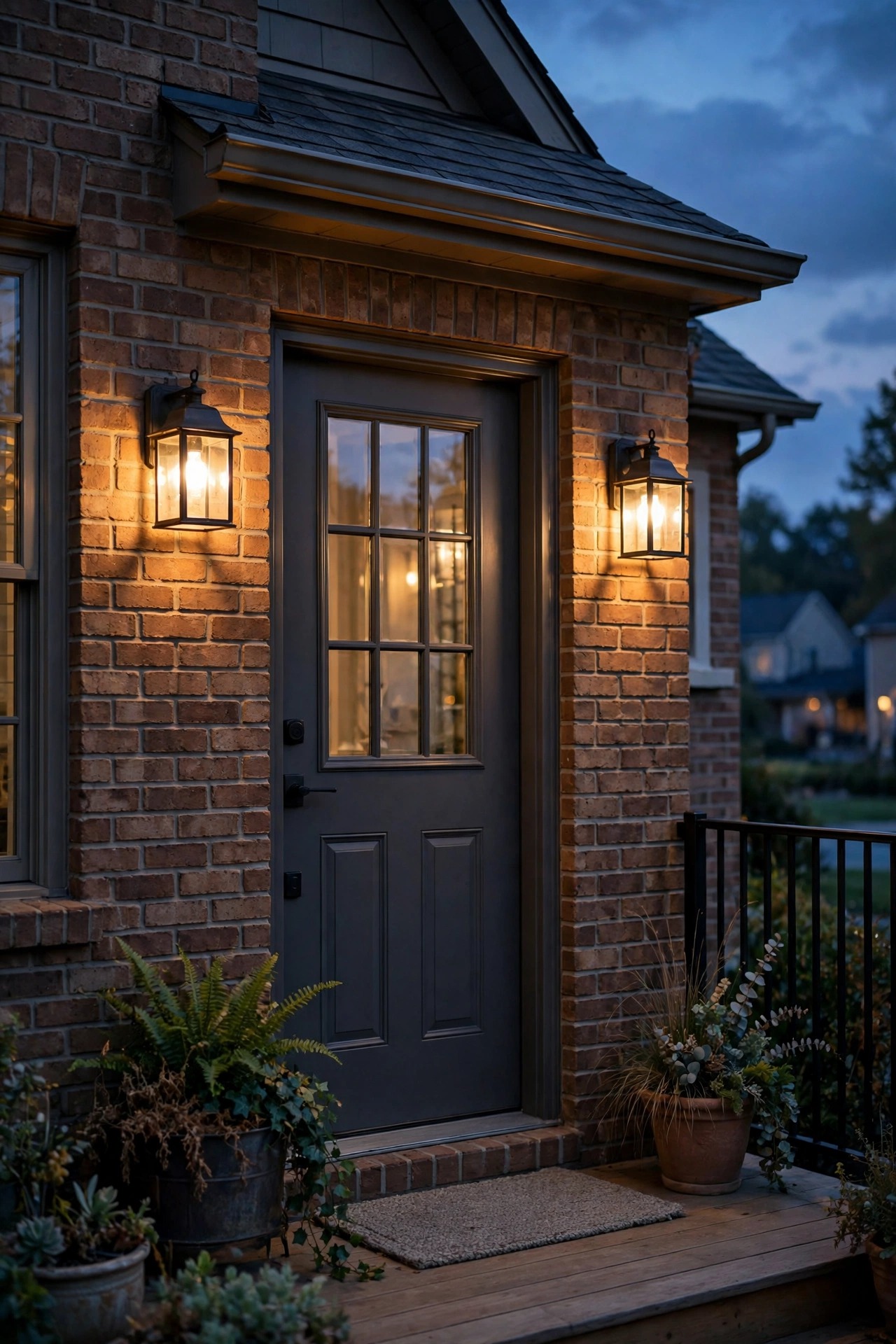
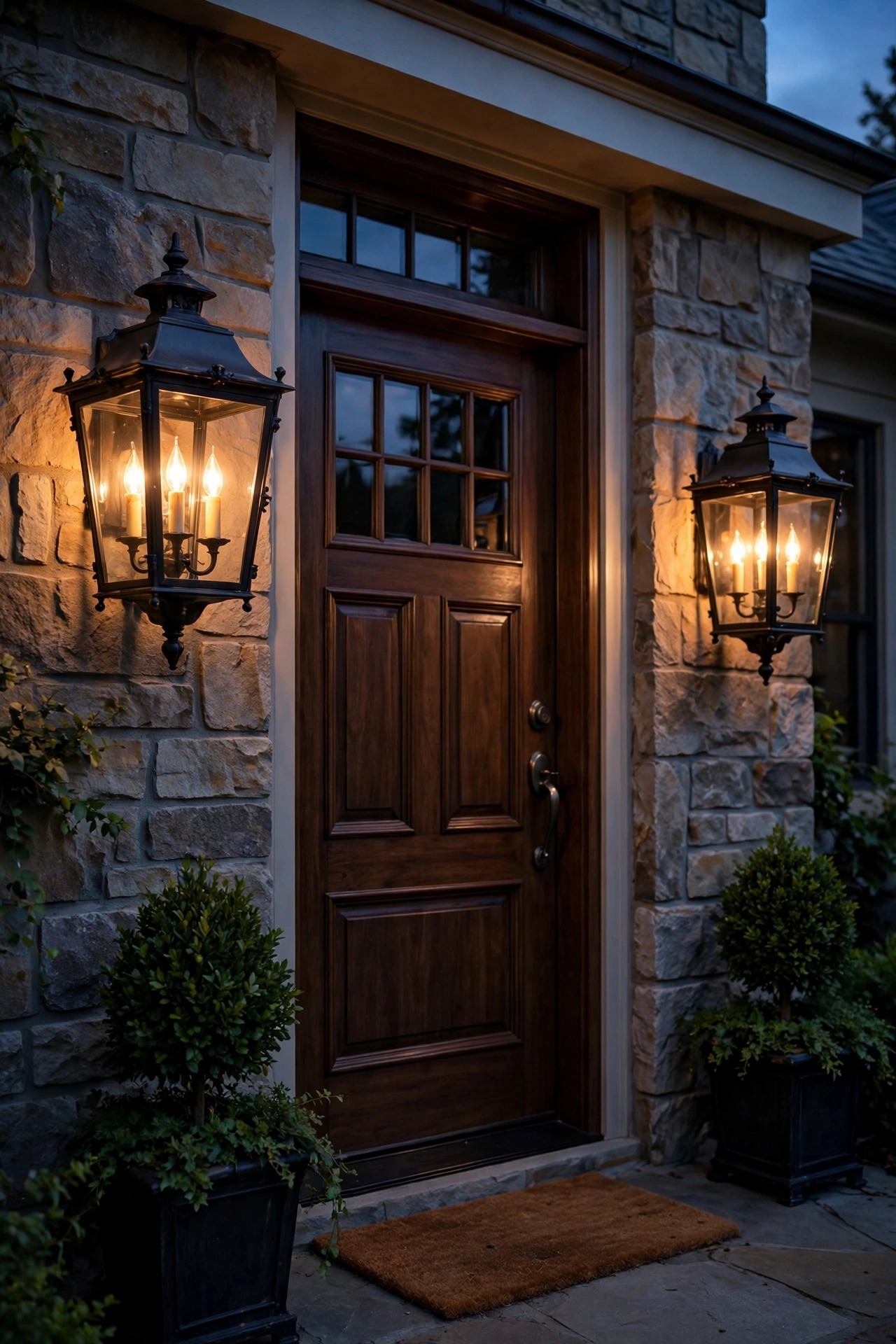
This is the first swap I recommend to everyone, because it fixes the two porch-light problems at once: forgetting to turn it on, and forgetting to turn it off. Unscrew the bulbs in the sconces flanking your front door and replace them with standard-base (E26) smart bulbs, ideally 800 lumens each in a warm 2700K. In the app, set a simple routine: on at sunset, off at sunrise. The bulbs know the local sunset time and quietly adjust all year, so December's 5 p.m. darkness and June's 8:30 p.m. twilight are both handled without you reprogramming anything. One non-negotiable: the wall switch has to stay ON, because a smart bulb with no power is just a bulb. I put a small clear switch guard over mine so guests and kids don't break the routine. This is the friendly "someone's home" layer of the house, and honestly? It makes every evening arrival feel like a little welcome-home moment.
Suggested budget range: $22 – $40.
2. Dim the Porch Ceiling Light for Slow Evenings
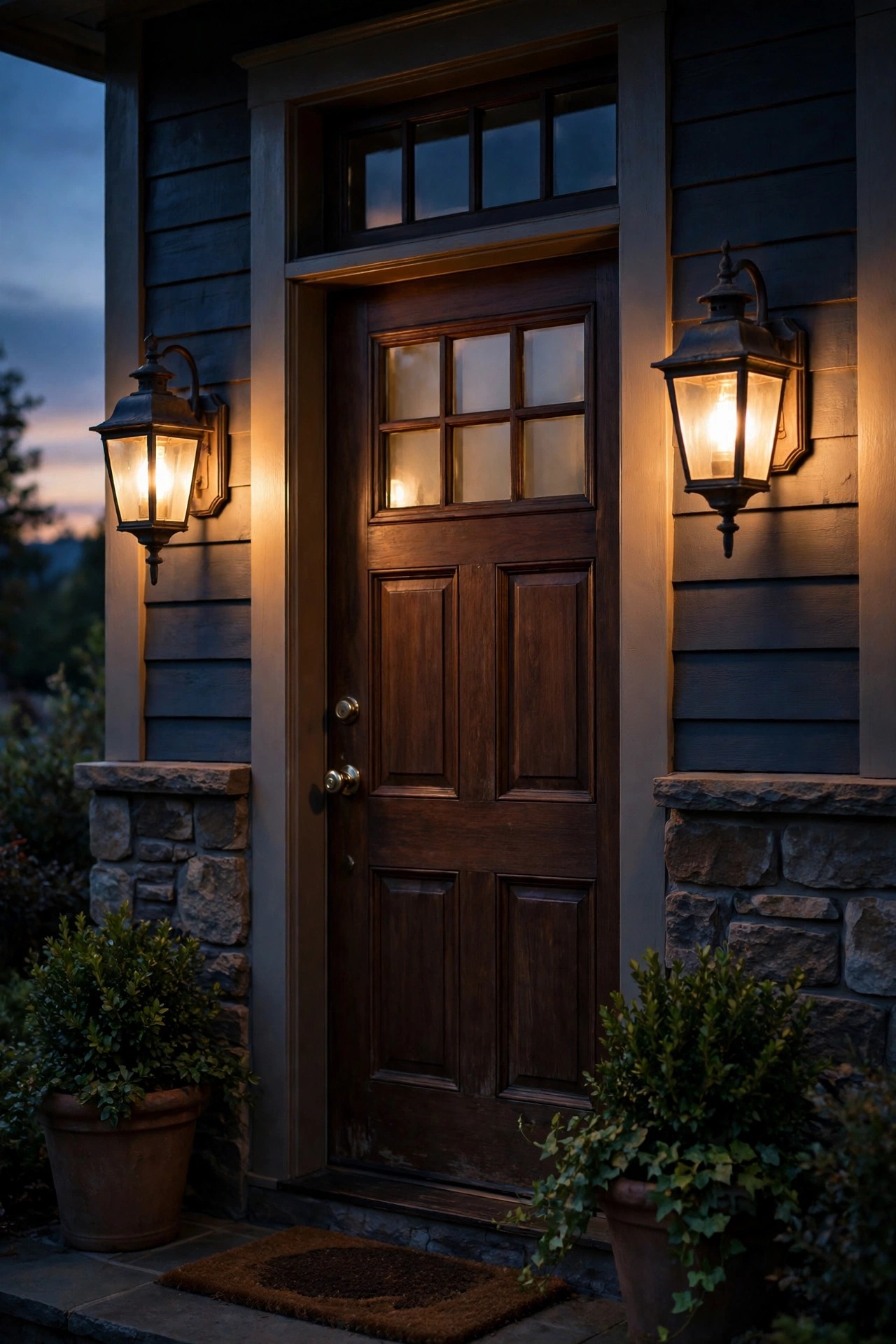
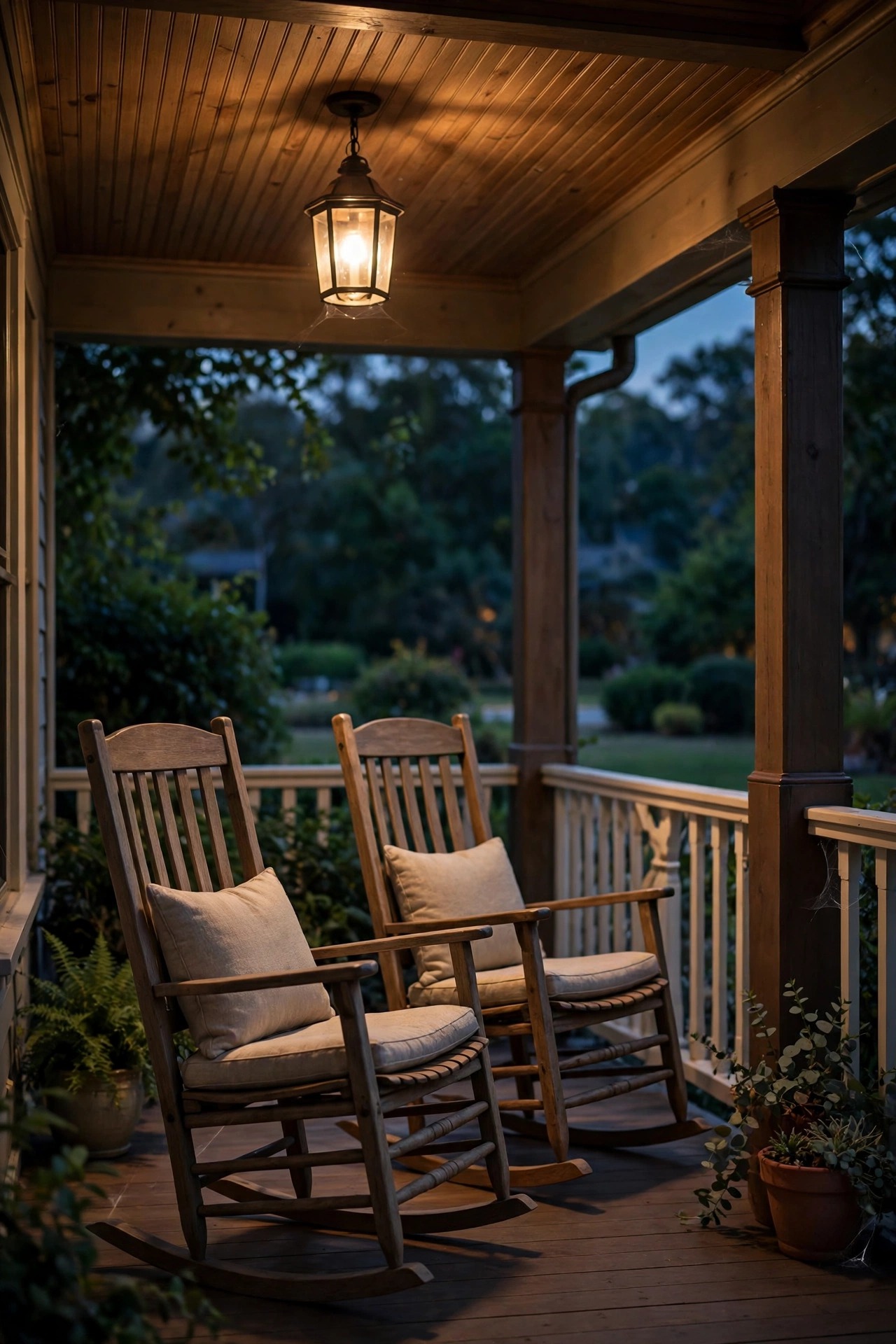
If your porch has a ceiling fixture — a flush mount or a hanging lantern — a dimmable smart bulb turns it from one harsh setting into a whole range of moods. Full brightness is for unloading groceries and finding keys; 40 percent is for rocking-chair evenings with a glass of sweet tea; 15 percent is a night-light glow that keeps the steps visible without blasting your eyes. I run an app scene that dims ours automatically at 9 p.m., which also makes the light noticeably less attractive to moths — bright, cool light is a bug magnet, while a low warm glow mostly gets ignored. A practical note: measure the inside of the fixture before you buy, because some smart bulbs are a touch longer than basic bulbs, and check the box for "suitable for enclosed fixtures" if your ceiling light has a closed glass shade. Heat builds up in sealed shades, and a bulb rated for enclosed use will last far longer.
Suggested budget range: $15 – $35.
3. Upgrade the Garage Carriage Lights Without Touching the Fixtures
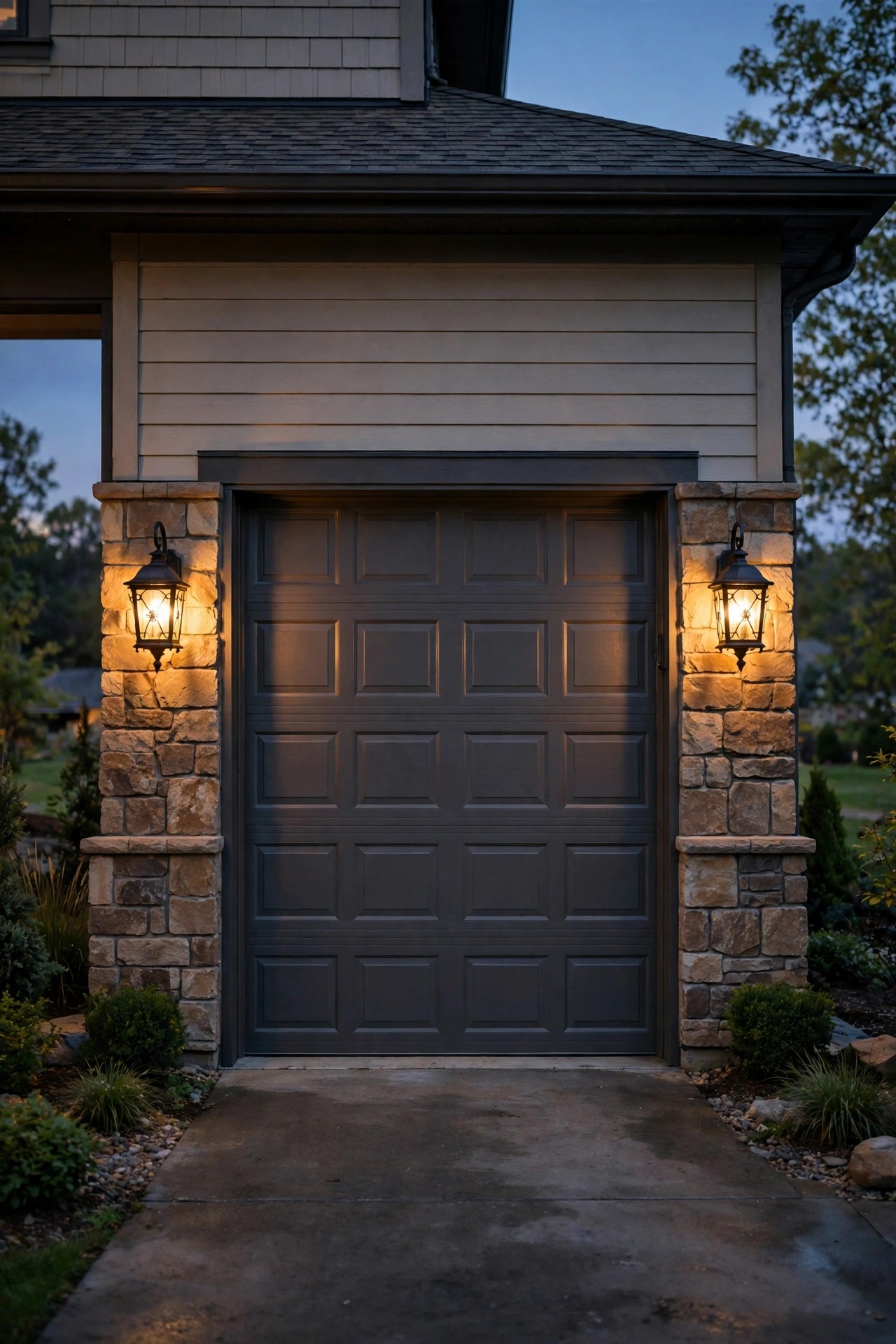
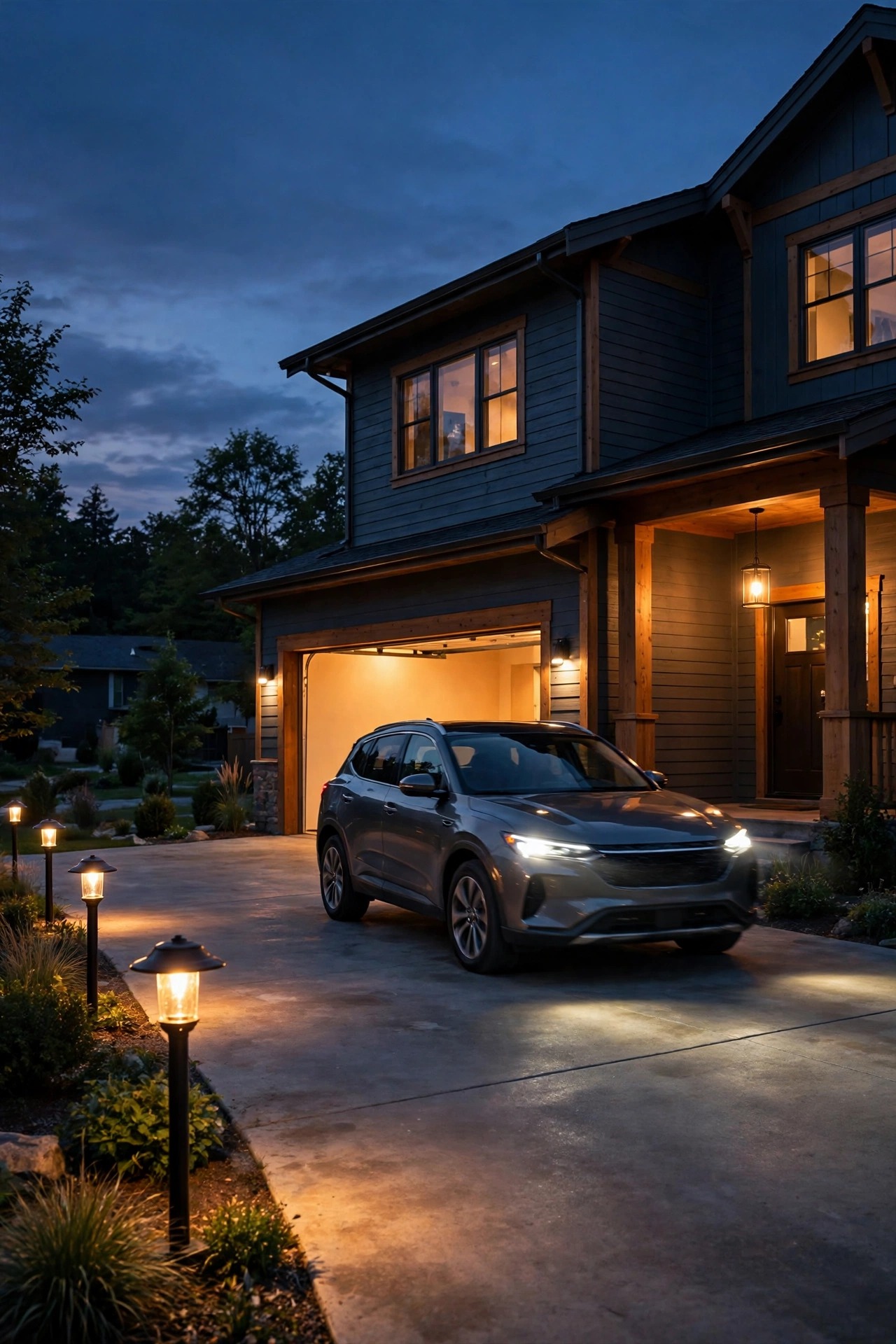
Carriage lanterns over a garage door are pure curb appeal, and they're usually the most annoying lights to manage from a switch inside the house. Smart bulbs solve that beautifully. Most carriage fixtures take a standard A19 bulb; swap in a pair (or trio) of smart bulbs, group them in the app so they always match, and set them to come on at sunset at about 80 percent. That grouped control matters: two lanterns at mismatched brightness or slightly different color temperatures look sloppy from the street, and the group keeps them perfectly in step. I keep ours warm white, around 2700K, which flatters brick and stone and matches our porch. If your garage sits close to a neighbor's bedroom window, dropping to 50 percent after 11 p.m. is a courteous touch that still outlines the driveway nicely. No wiring, no new fixtures — the lanterns you already like, just behaving themselves.
Suggested budget range: $25 – $50.
4. Holiday Color From Smart Bulbs for Outdoor Fixtures
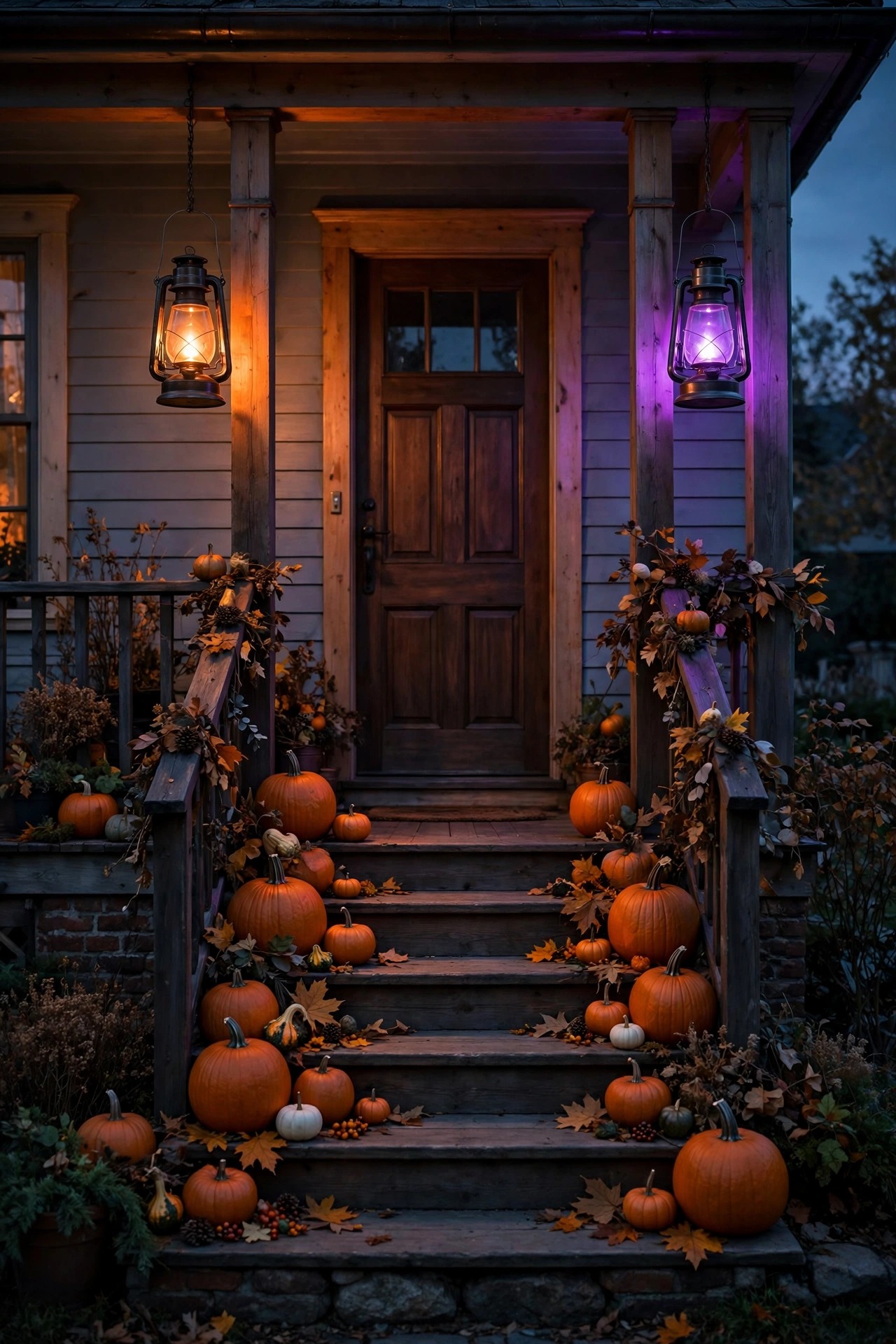
Color-changing smart bulbs are the holiday decorator's secret weapon. The pair of lanterns by my front door wear warm white 340 days a year — and then October arrives. A tap in the app and they're a deep spooky orange for trick-or-treat night, with the porch ceiling light gone purple. December gets classic red and green, and the Fourth of July gets red and blue with white in the middle fixture. Because the color lives in the bulb, there's nothing to store in the attic, nothing to untangle, and no extra inflatables in the yard (unless you want them — I always want them). Save each look as a named scene so next year it's one tap. Two tips from experience: choose rich, saturated colors rather than pastels, which wash out outdoors, and keep at least one fixture near the door in plain warm white so guests can actually see the steps and the house number.
Suggested budget range: $30 – $60.
5. Tune the Warmth to Match the Rest of Your Lighting
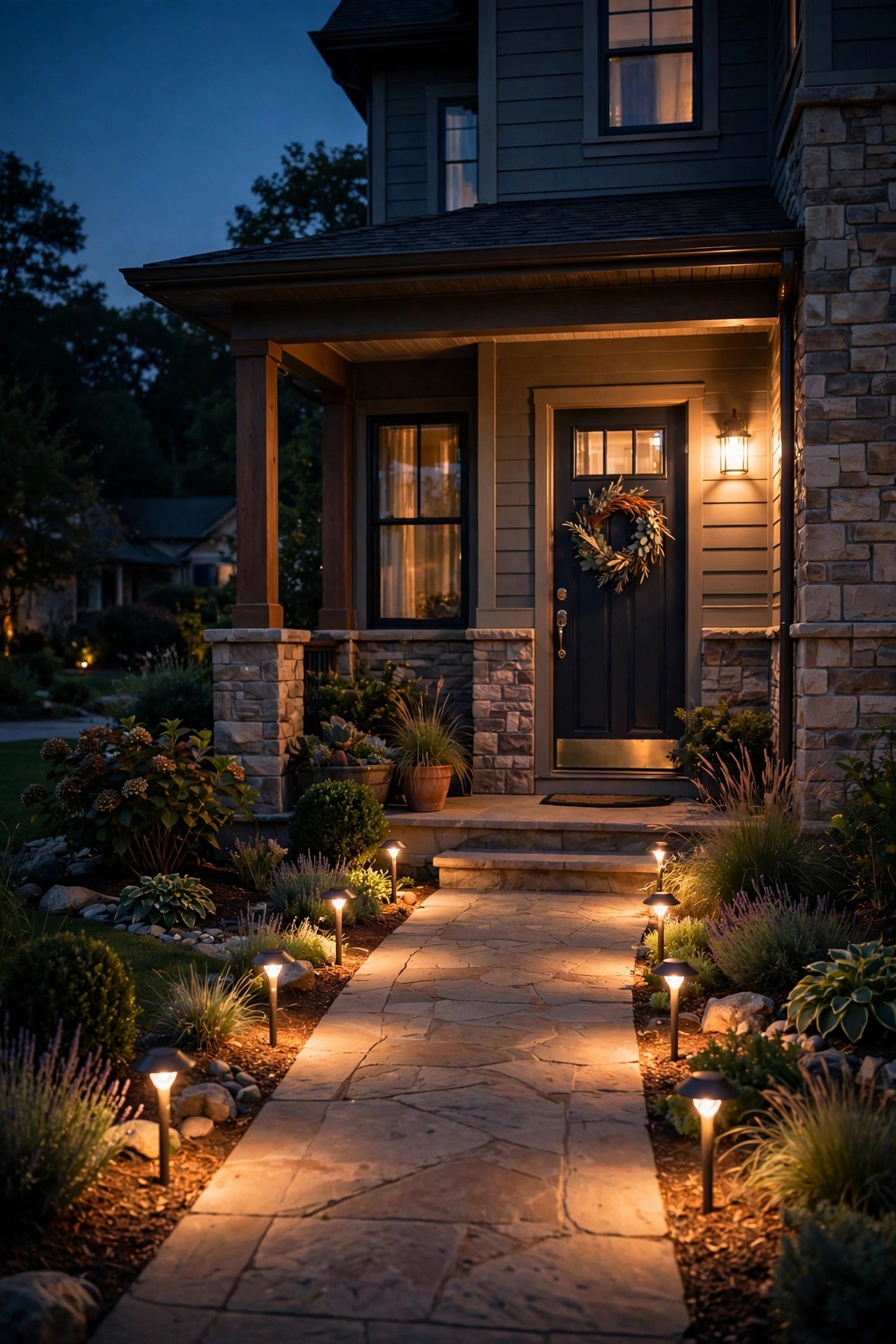
Here's a mismatch that quietly ruins a lot of front yards: the new LED porch bulb glows a bluish 5000K while the landscape lighting is a cozy 2700K, and the whole entry looks like two different houses stitched together. Tunable-white smart bulbs fix that precisely. They adjust anywhere from candlelight-warm (around 2200K) to daylight, so you can dial your porch and garage bulbs to sit exactly alongside your path and uplighting. I set everything near the house to 2700K, which is the warm, flattering tone most of us picture for home — if you're still deciding on your palette, my notes on choosing an outdoor color temperature walk through what each range looks like on brick, siding, and stone. A seasonal trick I love: drop to an extra-cozy 2400K in winter when the early darkness makes everything feel stark, then come back up to 2700K in summer.
Suggested budget range: $24 – $45.
6. Group Bulbs Into Zones and Scenes
Individual smart bulbs are handy; grouped smart bulbs are transformative. In the app, create groups that mirror how you actually use the yard: "Front of House" (porch plus garage), "Patio" (ceiling light plus string sockets), and "Welcome" (everything near doors and the driveway). Then build scenes on top of those groups. My most-used scene is "Guests Arriving" — full brightness at the door and garage, patio at a warm 60 percent. "Late Night" drops everything to a 15 percent security glow. And "Goodnight" turns the patio off entirely while the porch keeps its schedule. This is the layering philosophy made push-button: instead of one switch doing one thing, each zone plays its part. One small habit makes it all run smoother: name each group after the job it does rather than just the room it sits in, so anyone in the family can run the evening lighting without a tutorial. If you're planning a bigger overhaul later, these same zones become the blueprint — and my broader smart outdoor lighting guide shows how bulbs, plugs, and low-voltage systems fit together.
Suggested budget range: $18 – $36.
7. A Mailbox Post Light That Never Gets Forgotten
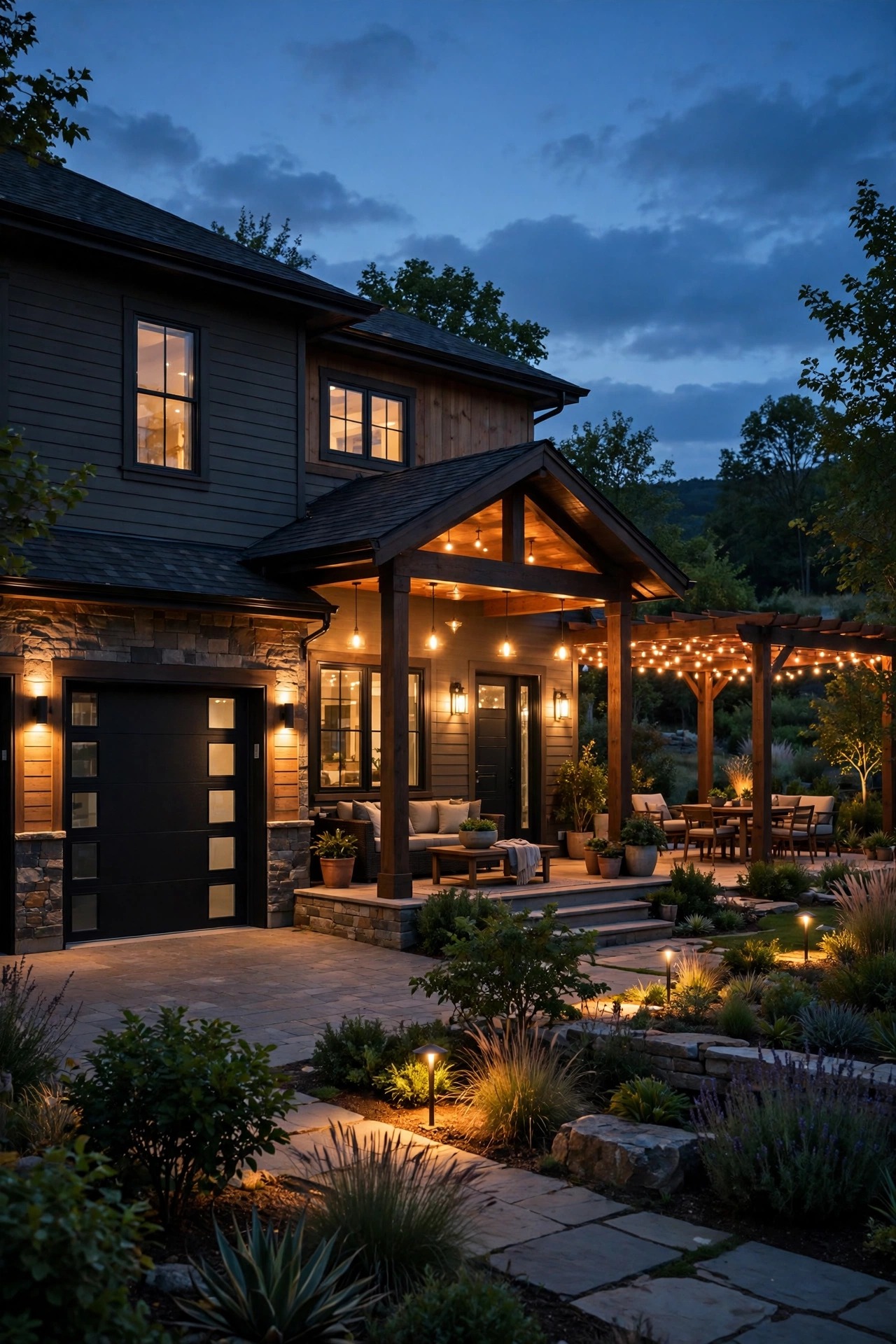
The post lantern at the street is the light everyone means to turn on and nobody does — it's far from the door, on a switch you never touch. A smart bulb in that fixture, on a sunset-to-sunrise schedule, quietly does the job every single night. It matters more than it looks: delivery drivers can actually read your house number, guests find the right driveway, and the far end of your lot isn't a dark mystery after 7 p.m. Because post lights sit exposed, choose a bulb whose packaging lists a damp-location rating and a wide operating temperature range, and make sure the lantern's cap seals well so rain can't reach the socket. Set it slightly dimmer than your porch lights — around 60 percent — because a post light at full blast right at the curb can glare into drivers' eyes. A soft, steady glow at the street says "cared-for home" better than brightness ever will.
Suggested budget range: $15 – $30.
8. Smart Bulbs in Patio String-Light Sockets
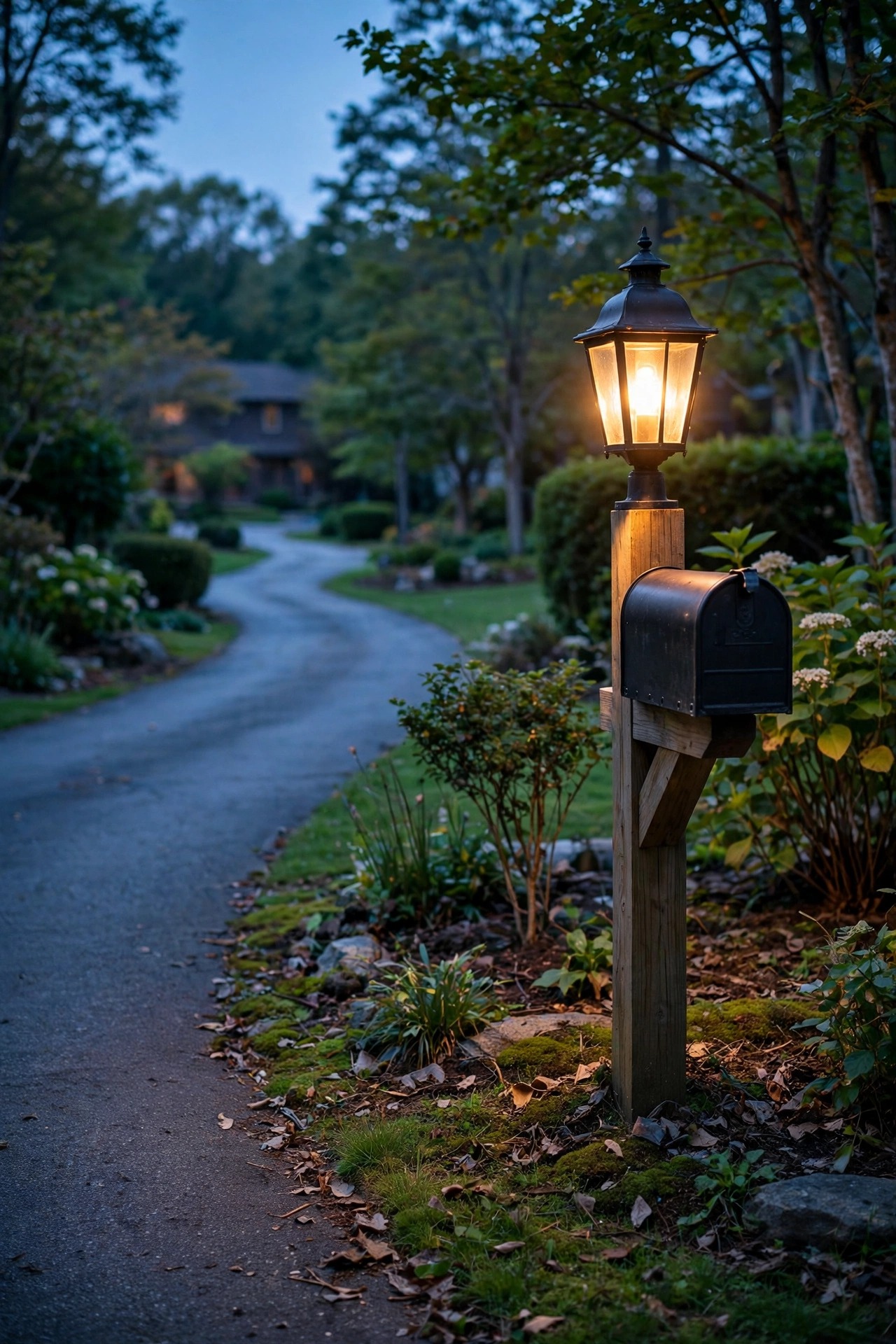
Those heavy-duty patio string lights with the big Edison-style sockets? Each socket is typically a standard E26 base, which means you can replace some — or all — of the bulbs with smart ones. I say "some" deliberately: I keep two smart bulbs near the house end of each run, where they do the practical work of lighting the steps and the grill, and let simple warm LED filament bulbs fill the rest for sparkle. The smart pair dims for dinner, brightens for cleanup, and runs the schedule so the patio is never accidentally lit until dawn. Check the wattage math: smart bulbs draw a few watts each, well within any string's rating, but confirm the string itself is outdoor-rated and plugged into a GFCI outlet. Also weigh the bulb — a couple of smart bulbs are fine, but a long run of nothing but heavier smart bulbs can sag a light-duty catenary wire, so anchor your spans well.
Suggested budget range: $35 – $70.
9. Vacation Mode: Smart Bulbs for Outdoor Fixtures That Make the House Look Lived-In
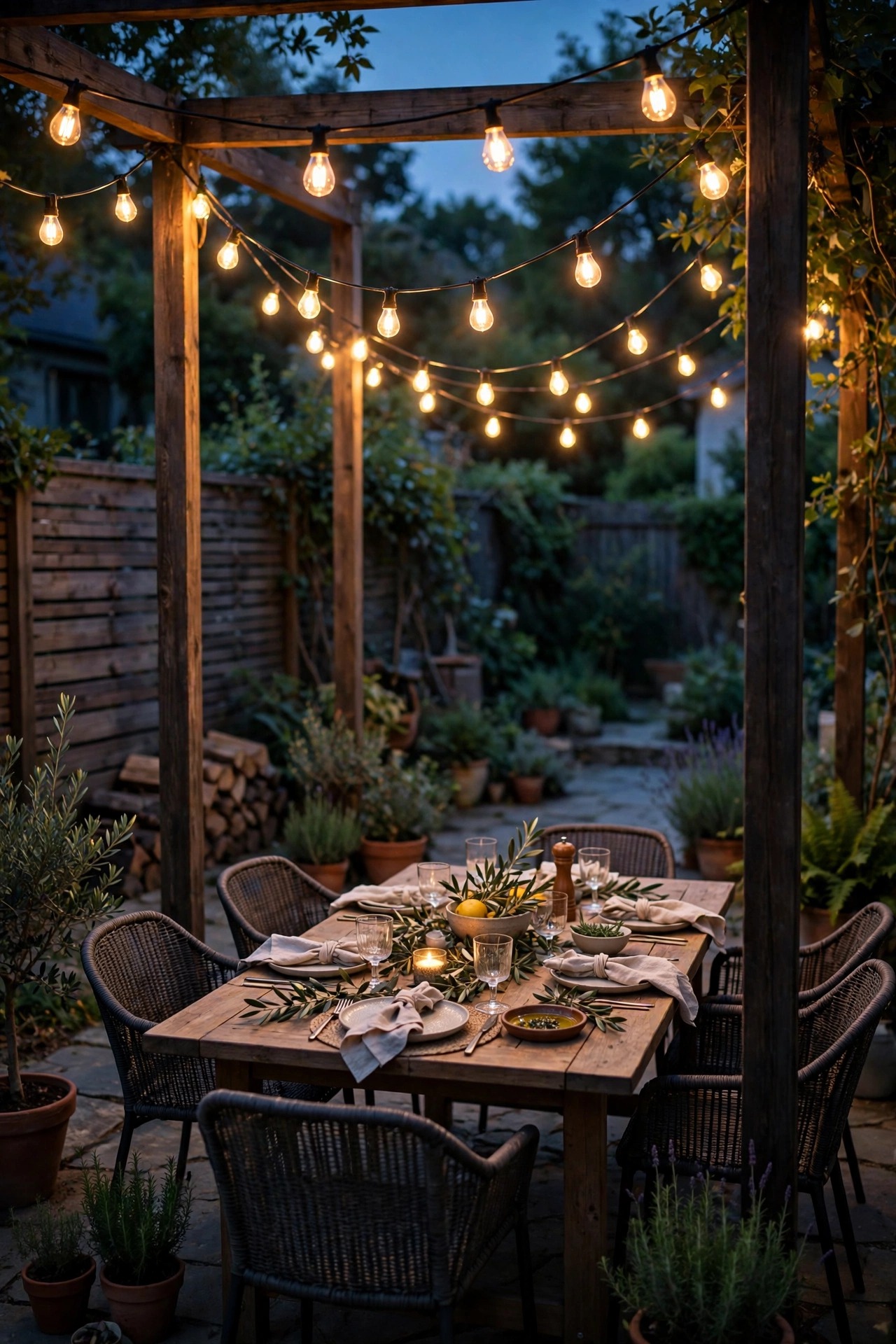
A porch light that snaps on at exactly 6:00 and off at exactly 11:00 is a schedule an observant person can set a watch by. Smart bulbs do something cleverer: a vacation or "away" mode that randomizes on and off times within a window you choose, and staggers fixtures so the porch, garage, and a side light don't move in lockstep. Combined with the dim late-night glow layer, the house reads as occupied in a very believable way. I turn it on from the airport — no timers to set before the taxi arrives. This is where bulbs team up nicely with other tools, too; my rundown of outdoor timers and automation basics covers smart plugs for the non-bulb fixtures. Before a trip, walk the routine once: confirm every bulb responds, because a bulb that lost its Wi-Fi connection three weeks ago won't be fooling anyone.
Suggested budget range: $20 – $40.
10. Control Everything From the Couch, the Porch, or the Airport
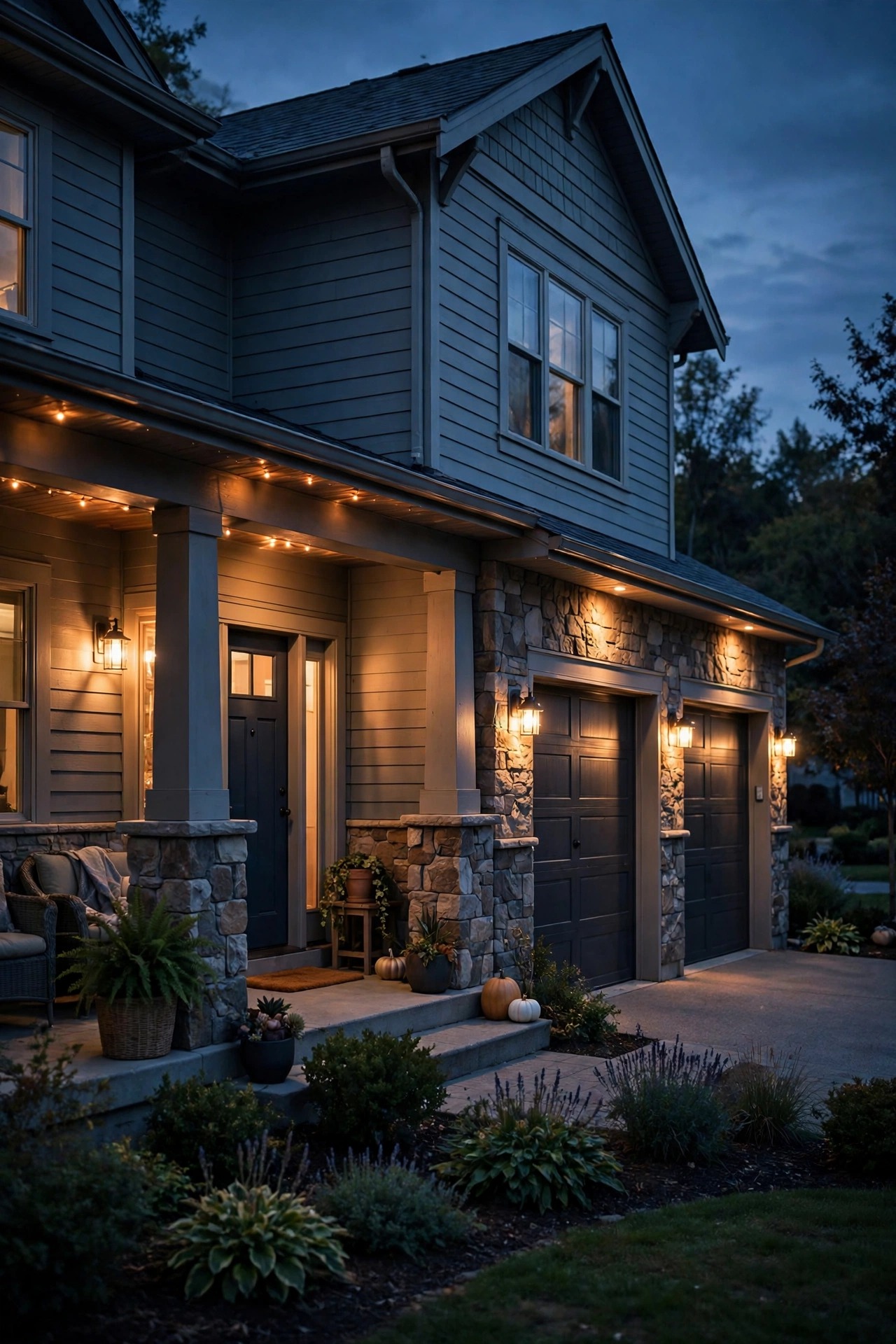
The quiet luxury of smart bulbs is never getting up. The doorbell rings after dark and the porch is already scheduled on — but a package lands at noon and you want the garage lights on for the driver? Two taps. Reading in bed and realize the patio strings are still blazing? Handled without slippers. Most smart bulbs work with the common voice assistants, so "porch lights on" works with your hands full of groceries or a sleeping toddler. I also use the app as a status board: a quick glance shows what's on, what's off, and whether anything's gone offline after a storm. One habit worth forming: give bulbs clear room-based names ("Porch Left," "Garage Right," "Patio String") the day you install them. Future-you, shouting at a voice assistant in the rain, will be grateful. And because control lives in the app rather than the switch, guests can't accidentally undo your whole setup by flipping the wrong toggle.
Suggested budget range: $20 – $45.
11. Sunrise-and-Sunset Automation That Adjusts Itself All Year
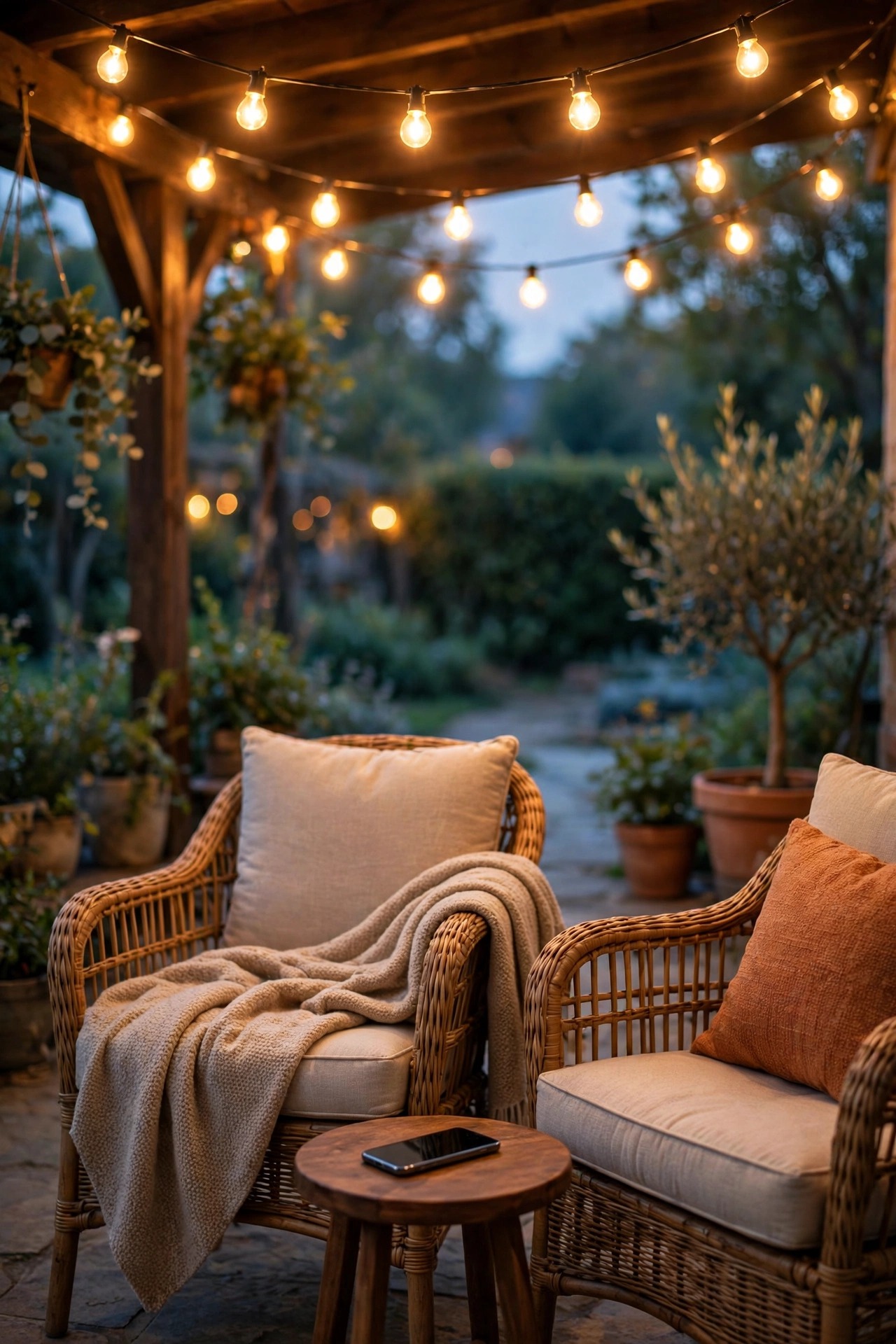
Astronomical scheduling — on at sunset, off at sunrise — is the feature I'd keep if I had to pick just one. Mechanical timers and even photocells have their place, but an app routine tied to your location's actual sunset is set-and-forget in a way nothing else matches. Add offsets to make it yours: my porch comes on 20 minutes before sunset, because our deep front porch gets gloomy early under the oak, and turns off 30 minutes after sunrise in winter so the mail carrier isn't approaching a dark entry on gray mornings. Daylight saving changes? Handled silently. This also plays well with energy bills: the lights burn exactly the hours darkness requires and not one minute of the "left on all weekend" waste that a forgotten manual switch creates. If a bulb ever misses a beat after a power outage, most modern ones can be set to return to their last state — worth enabling in the settings so a storm blink doesn't reset your evenings.
Suggested budget range: $18 – $35.
12. A Late-Night Low Glow That's Kind to Neighbors
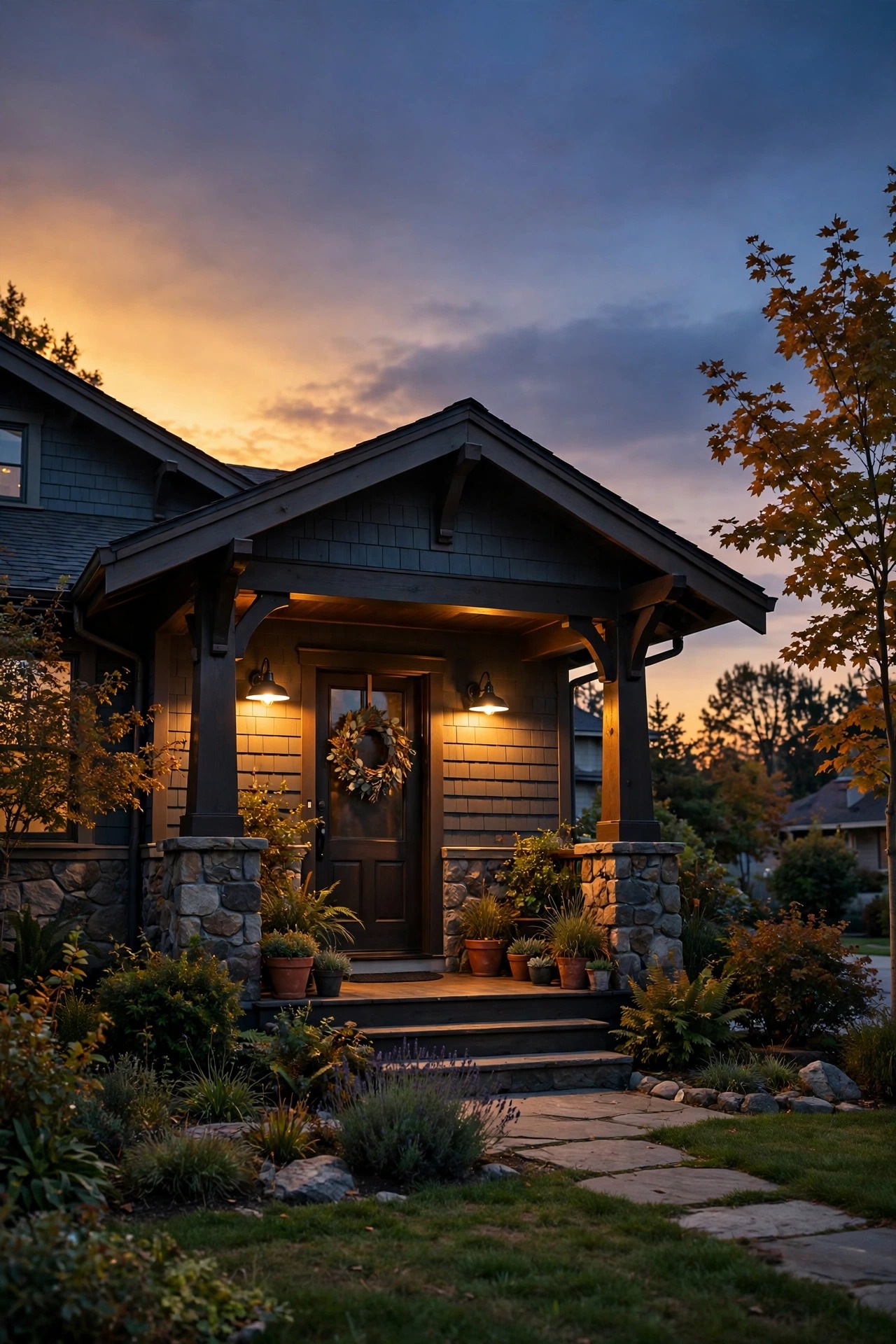
Full-bright porch lights at 2 a.m. light up the street, your neighbor's bedroom, and a good chunk of the sky — and they don't actually make you safer than a modest glow does. My favorite schedule: bright and welcoming until 11 p.m., then every smart bulb near the front of the house eases down to 10–20 percent for the rest of the night. You keep definition around doors and steps (the places that matter), the cameras still see shapes and movement, and the street stays pleasantly dark. Warm color helps here too — a dim 2700K glow is far less intrusive than a dim bluish one. It's the dark-sky-friendly approach scaled down to one household, and honestly it's prettier: the house looks softly lantern-lit rather than interrogated. Motion can still bump a fixture to full brightness if you pair bulbs with a smart sensor later; the base state stays gentle.
Suggested budget range: $15 – $30.
13. Bigger PAR38 Smart Bulbs for Backyard Flood Fixtures
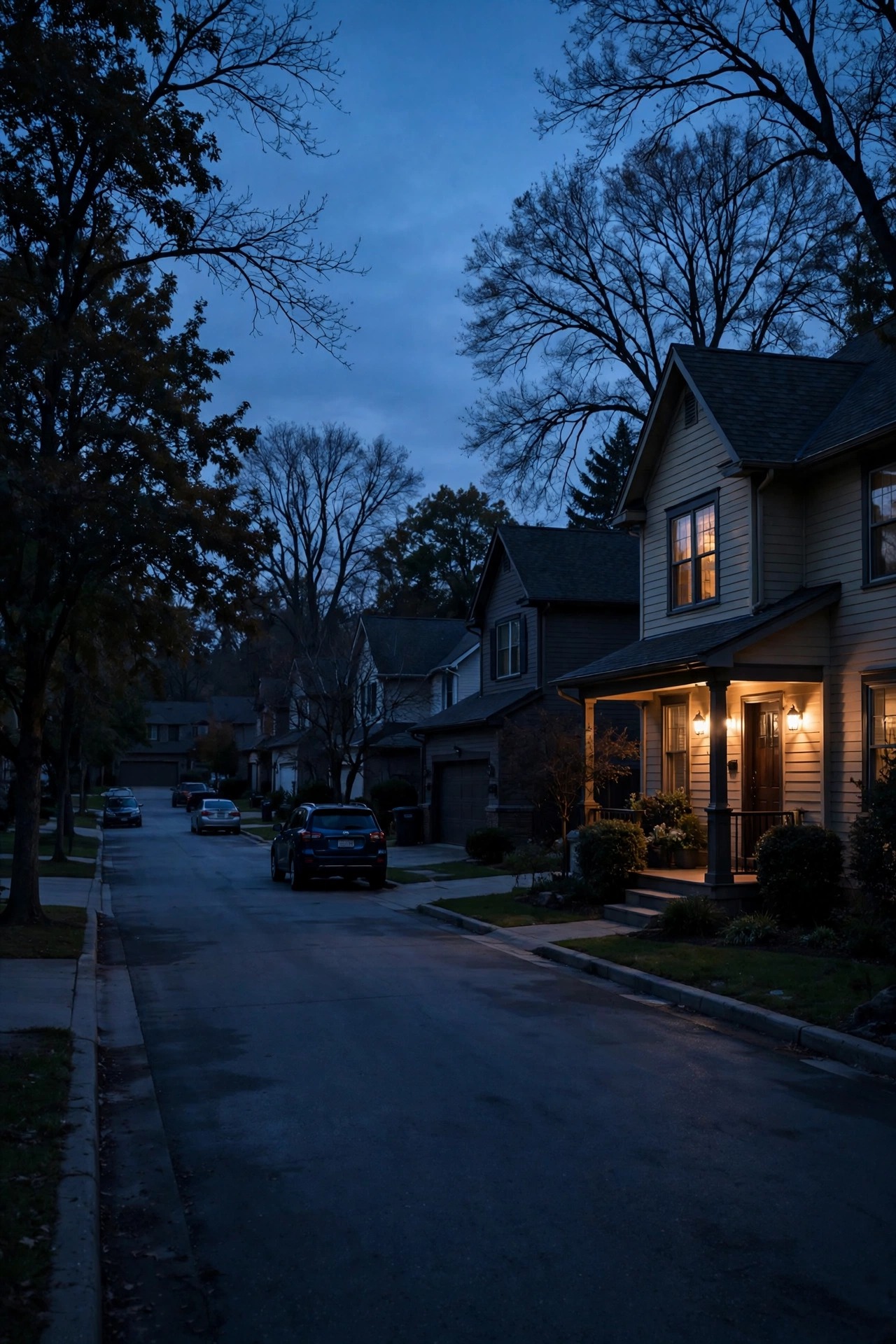
The flood cans under your eaves and the twin-head fixture over the back door usually take PAR38 bulbs — and yes, smart versions exist in that larger flood format. This swap is the backbone of my backyard: scheduled on at dusk at 40 percent for general evenings, bumped to full from the app when the dog goes out or we're grilling after dark. The beam spread matters — a flood (wide) bulb washes the patio and lawn edge evenly, while a spot (narrow) version is better aimed at a gate or the far corner. Two installation notes: smart PAR38s are heavier than standard ones, so make sure older adjustable sockets still hold their aim without drooping, and check the enclosed-fixture rating if your cans are sealed, because big bulbs in closed cans run hot. Paired with a smart bulb in the back-door lantern, the whole rear of the house becomes one controllable scene.
Suggested budget range: $35 – $65.
14. Candelabra Smart Bulbs for Carriage Lanterns and Chandeliers
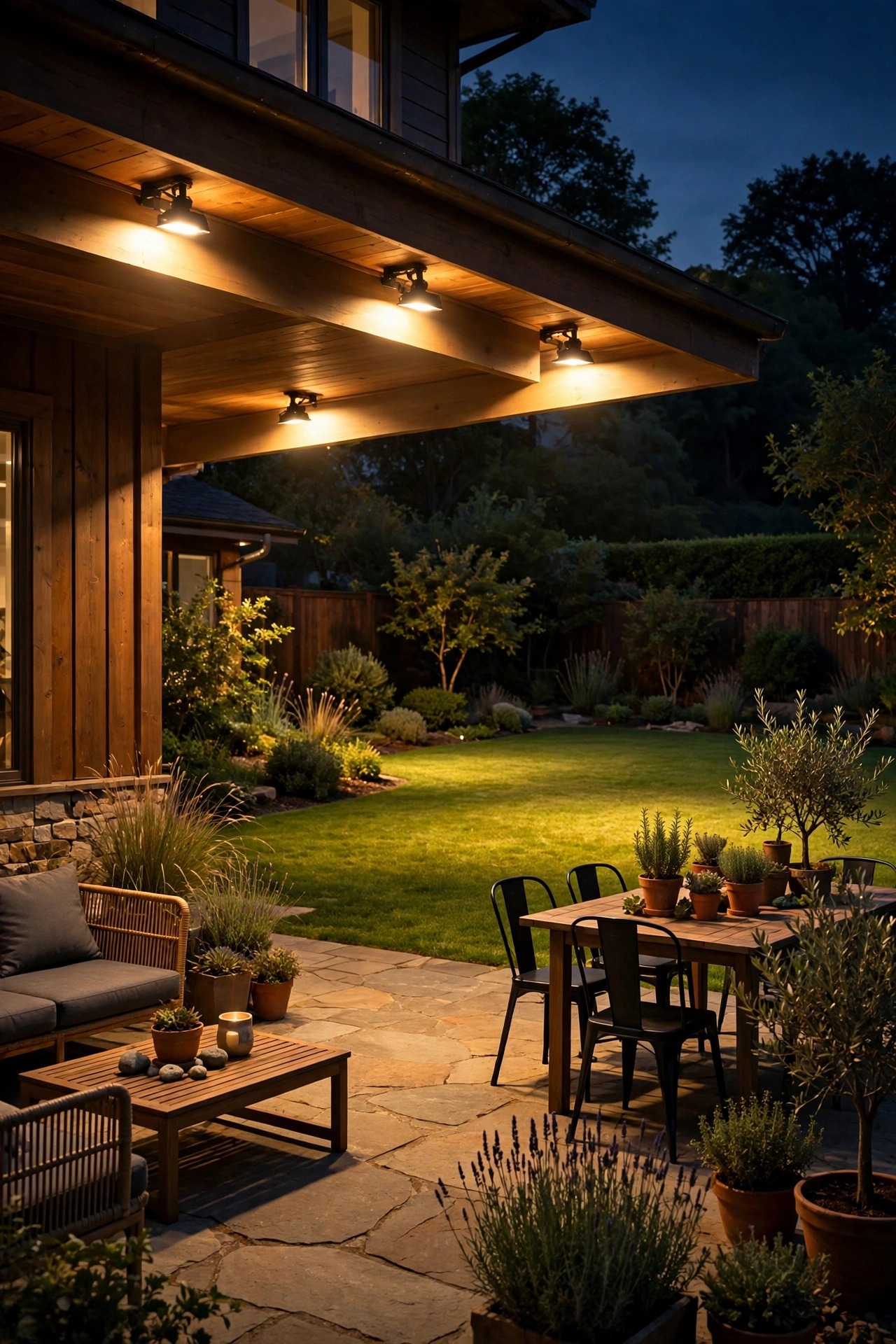
Not every outdoor fixture takes a standard bulb. Plenty of carriage lanterns, coach lights, and porch chandeliers use the skinny candelabra base (E12), and for years that locked them out of the smart party. Small-base smart bulbs are easy to find now, in both warm-white and color versions, and they change everything for those decorative fixtures: schedules, dimming, grouping, the works. Expect lower lumen output than a standard bulb — that's fine, because these fixtures are about sparkle and charm, not work light. I use candelabra smart bulbs in the pair of lanterns flanking our side gate, grouped with the garage carriage lights so the whole approach lights as one composition. Do measure before ordering: the smart versions run slightly longer than the tiny incandescent-style bulbs they replace, and a cramped lantern with a closed top may not fit them. If your fixture is open-bottomed, you're almost always fine.
Suggested budget range: $28 – $48.
15. A Welcome-Home Routine That Lights Your Arrival
My favorite trick to finish with: geofencing. Most smart lighting apps can use your phone's location to trigger routines — when my phone crosses a small radius around the house after dark, the porch brightens to full, the garage carriage lights come up, and the mailbox post joins in, so I'm never fumbling for keys in a dark driveway. When the last household phone leaves in the morning, anything still on quietly turns off. For it to work smoothly, every bulb in the routine needs power (switches on!) and a decent Wi-Fi signal at the fixture — metal lantern housings and brick walls are the usual signal thieves, so test from the actual fixture location before blaming the app. Location sharing stays within your own account and phone settings, which is worth reviewing once during setup. It's a small routine, but arriving home to a house that lights up in welcome, in the right order, never stops feeling a little bit like magic.
Suggested budget range: $22 – $42.
Frequently Asked Questions
Can I put a regular indoor smart bulb in an outdoor fixture?
Sometimes — with conditions. A smart bulb inside a covered porch or garage fixture that's protected from direct rain is usually fine, provided the bulb's packaging lists a damp-location rating and an operating temperature range that covers your winters and summers. What you should never do is screw one into a fully exposed socket where rain can reach the bulb and its electronics. Also check whether the bulb is rated for enclosed fixtures if your light has a sealed glass shade; trapped heat shortens smart bulb life faster than anything. When in doubt, choose bulbs specifically sold as suitable for outdoor fixtures.
Why does my outdoor smart bulb keep going offline?
Nine times out of ten, it's Wi-Fi. Exterior walls — especially brick, stucco over wire mesh, and foil-backed insulation — eat signal, and a metal lantern housing acts like a little cage around the antenna. Test the signal at the fixture with your phone; if it's weak there, move the router closer to that side of the house, add a mesh node near the front of the home, or choose bulbs that connect through a small hub placed indoors nearer the fixtures. Distance from the driveway or mailbox post light is the other classic failure point, so check that fixture first.
Can smart bulbs work in motion-sensor or dimmer-controlled fixtures?
Not happily, no. A motion-sensor fixture cuts power completely, which takes the smart bulb offline and makes it reboot — and flicker through its startup — every time the sensor trips. A dimmer switch is worse: feeding a smart bulb reduced voltage causes buzzing, flickering, and can damage its electronics, since the bulb expects full power and does its own dimming internally. The right setup is a plain fixture, a plain on/off switch left in the ON position, and all the cleverness living in the bulb and the app. If the fixture itself is the motion-sensing kind, keep a regular bulb in it and make a different fixture the smart one.
Do smart bulbs use much electricity when they're switched "off"?
A tiny amount. To stay connected and listening for your app or schedule, a smart bulb draws a small standby trickle — generally well under a watt. Over a year that's pennies per bulb, and it's dwarfed by the savings everywhere else: LED output, dimming to 40 percent for most of the evening, and schedules that never leave lights burning into the morning by accident. In my experience the net effect of switching to smart bulbs is a noticeably smaller lighting bill, not a larger one — the standby cost buys you all the automation that creates the real savings.
Conclusion
The lesson I keep relearning around my own house is that great outdoor lighting is rarely about buying more fixtures — it's about the fixtures you have behaving intelligently. Start with one pair of smart bulbs for outdoor fixtures at the front door, put them on a sunset schedule, and live with it for a week. Then layer: color for the holidays, groups and scenes for the patio, a gentle late-night glow, and a welcome-home routine for dark driveways. Each step is one bulb swap, fully reversible, and easy on the budget. Browse the other porch, patio, and pathway ideas here on the site whenever you're ready for the next layer — the lanterns you already own are ready when you are.