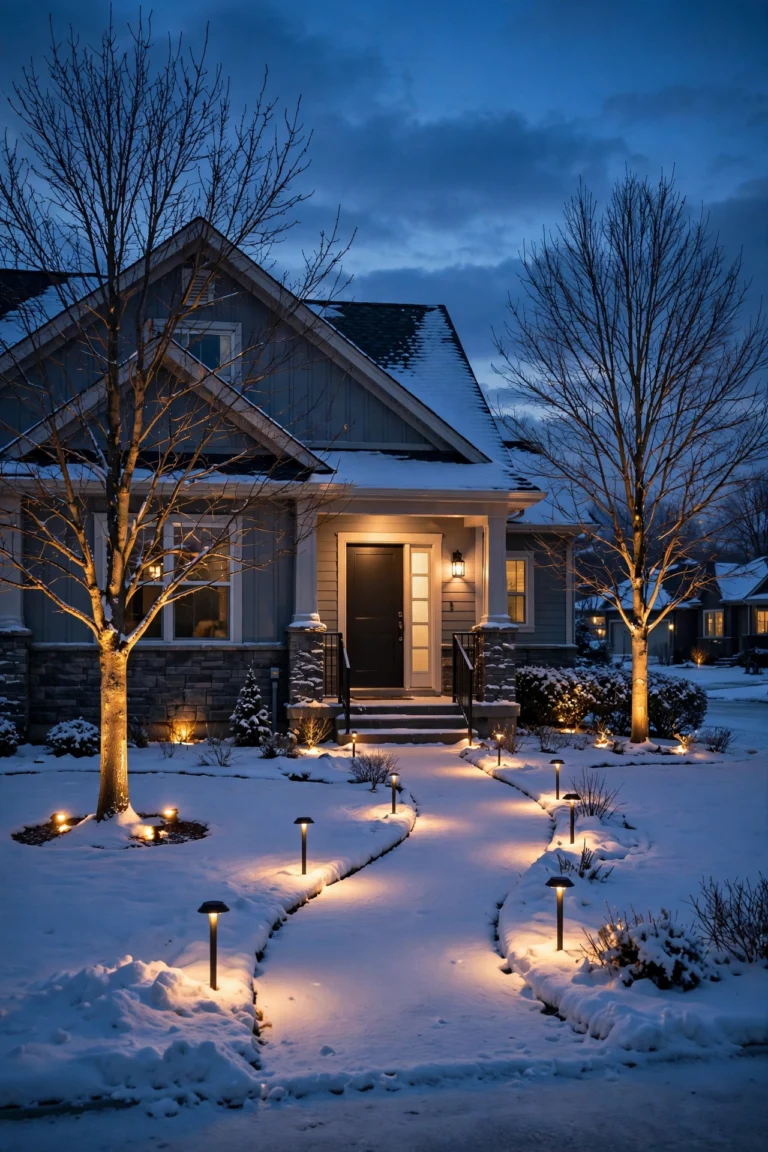
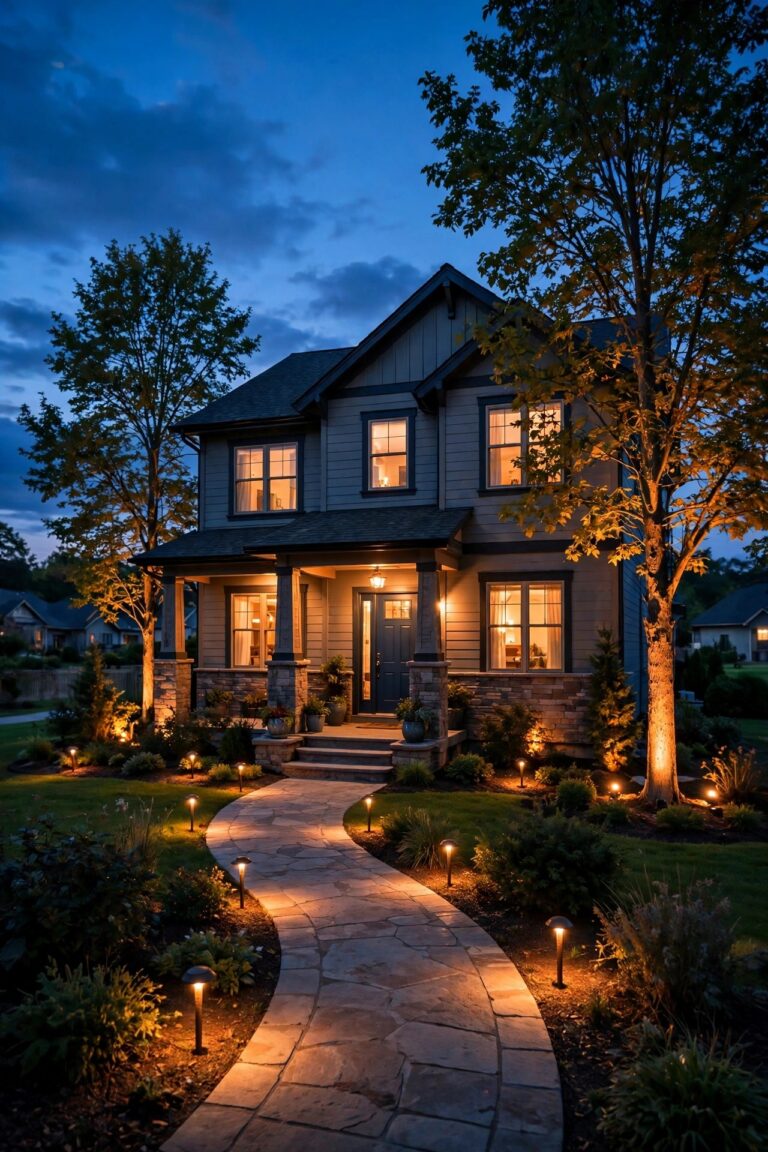
A porch sconce can be the prettiest fixture on the block and still disappoint you every single night: too dim to find your keys, harsh enough to feel like a parking lot, or tinted a flat blue-gray that makes your siding look tired. Honestly? The fixture is rarely the problem. The bulb is. After swapping bulbs in the pair of sconces flanking my own front door more times than I care to admit, I learned that choosing the best bulbs for porch sconces really comes down to three decisions — brightness measured in lumens, the shape of the bulb itself, and color temperature in Kelvin. Get those three right, and even a modest store-bought fixture glows like a custom one. In this guide I'll walk you through each choice in plain English: how many lumens a porch actually needs, which Kelvin range flatters brick, siding, and stone, the bulb shapes that sit beautifully inside common sconce styles, and the outdoor ratings that keep a bulb alive through rain and freezing nights. By the end, you'll know exactly which bulbs to buy — and which ones to leave on the store shelf.

The Short Answer
Short on time? Here is the combination I land on for most homes. Choose an LED bulb in an A19 or ST19 shape, around 800 lumens (the classic 60-watt equivalent), in 2700K warm white. Pick frosted glass if the bare bulb sits at eye level behind clear panes, and clear filament if you love that vintage candlelit look. Match the base to your socket — usually a medium E26 — and check that the packaging says the bulb suits outdoor or enclosed fixtures. On a dimmer or sensor? Confirm the box says so. That recipe gets most porches exactly right.
Why the Bulb Matters More Than the Fixture
I always tell friends to think of a sconce as two separate purchases sharing one housing. The fixture is the frame: metal, glass, and style. The bulb is the light itself, and it decides almost everything your eyes actually judge — how bright the entry feels, whether the color flatters your home, and whether the glow is soft or glaring. Two identical sconces on the same street can look completely different at night purely because of the bulbs inside them.
There's a practical reason, too. A sconce puts its bulb close to eye level, often behind clear or lightly seeded glass, so there's nowhere for a harsh bulb to hide. A cheap, bluish, underpowered bulb broadcasts every flaw. The good news is that bulbs are the least expensive part of the whole setup, and they're the easiest to change. Before you replace a fixture you're unhappy with, spend one evening experimenting with bulbs. In my experience, a well-chosen bulb rescues more "ugly" porch lights than any other fix — and it takes about ninety seconds per sconce to find out. Swap the bulb first, live with it for a week of evenings, and only then decide whether the fixture itself still bothers you.
Brightness First: The Best Bulbs for Porch Sconces Start With Lumens
Watts used to be our brightness shorthand, but with LEDs that habit misleads everyone. A modern LED makes the light of an old 60-watt bulb while sipping 8 or 9 watts, so shop by lumens — the actual measure of light output — and let watts take care of themselves. If the old incandescent math still lives in your head, my breakdown of lumens and watts for outdoor lighting translates every common pairing.
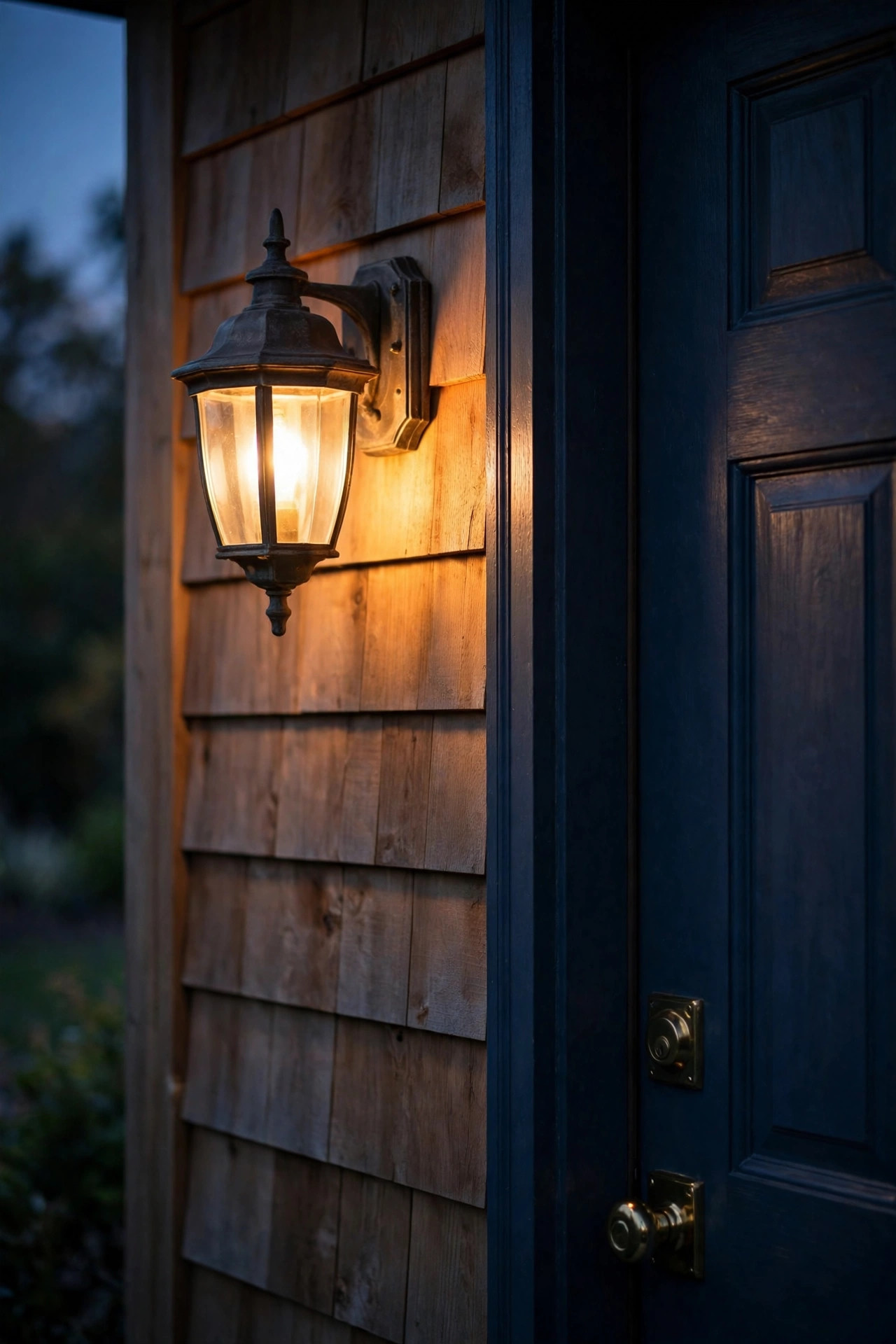
So how many lumens does a porch sconce need? For a single sconce beside a front door, 700 to 1,000 lumens lights the steps, the lock, and a guest's face comfortably. When sconces work as a flanking pair, each one can be gentler — 450 to 800 lumens apiece is the sweet spot, because the two pools of light overlap at the door. Small covered porches and apartment entries do fine at the low end of that range. Save the truly bright bulbs, 1,100 lumens and up, for tall two-story entries or sconces that double as security lighting.
Resist the urge to max everything out. An overpowered bulb at eye level creates glare that actually makes the porch feel less safe, because your eyes adjust to the bright spot and the shadows beyond it go black. Warm, even, moderate light always wins after dark.

Kelvin Picks: The Best Bulbs for Porch Sconces Glow Warm
Kelvin measures the color of white light, from the amber of candlelight at the low end to icy blue daylight at the top. For porches, nearly all of my picks live in one friendly neighborhood: 2200K to 3000K. At 2200K you get a deep vintage amber — gorgeous with filament bulbs and brick, though a touch dim-feeling for reading house numbers. At 2700K, the classic warm white most of us grew up with, skin tones look healthy and wood doors glow. At 3000K the light turns a cleaner warm-neutral that suits gray siding, white trim, and stone, where 2700K can occasionally read a little yellow.
Above 4000K, porch light turns stark and commercial, and it flatters almost nothing on a home — not faces, not paint colors, not your landscaping. I also find cooler light harsher on the eyes at night and less kind to older eyes adjusting from a dark street. If you want the full science of how color temperature behaves outdoors, my outdoor light color temperature guide walks the whole scale with examples.
One rule outranks all the nuance: matched matters more than perfect. Whatever Kelvin you choose, every bulb visible from the street — both sconces, the garage lights, the lamp post — should share it. A 2700K sconce beside a 4000K floodlight looks like a mistake, even if each is fine alone.

Bulb Shapes, Compared Honestly
Shape is where porch bulbs get fun, because in a sconce the bulb is often part of the decor. The right shape depends on whether your glass hides the bulb or shows it off.
| Shape | What it looks like | Best for |
|---|---|---|
| A19 | The classic rounded household bulb | Frosted or shaded sconces where the bulb is hidden |
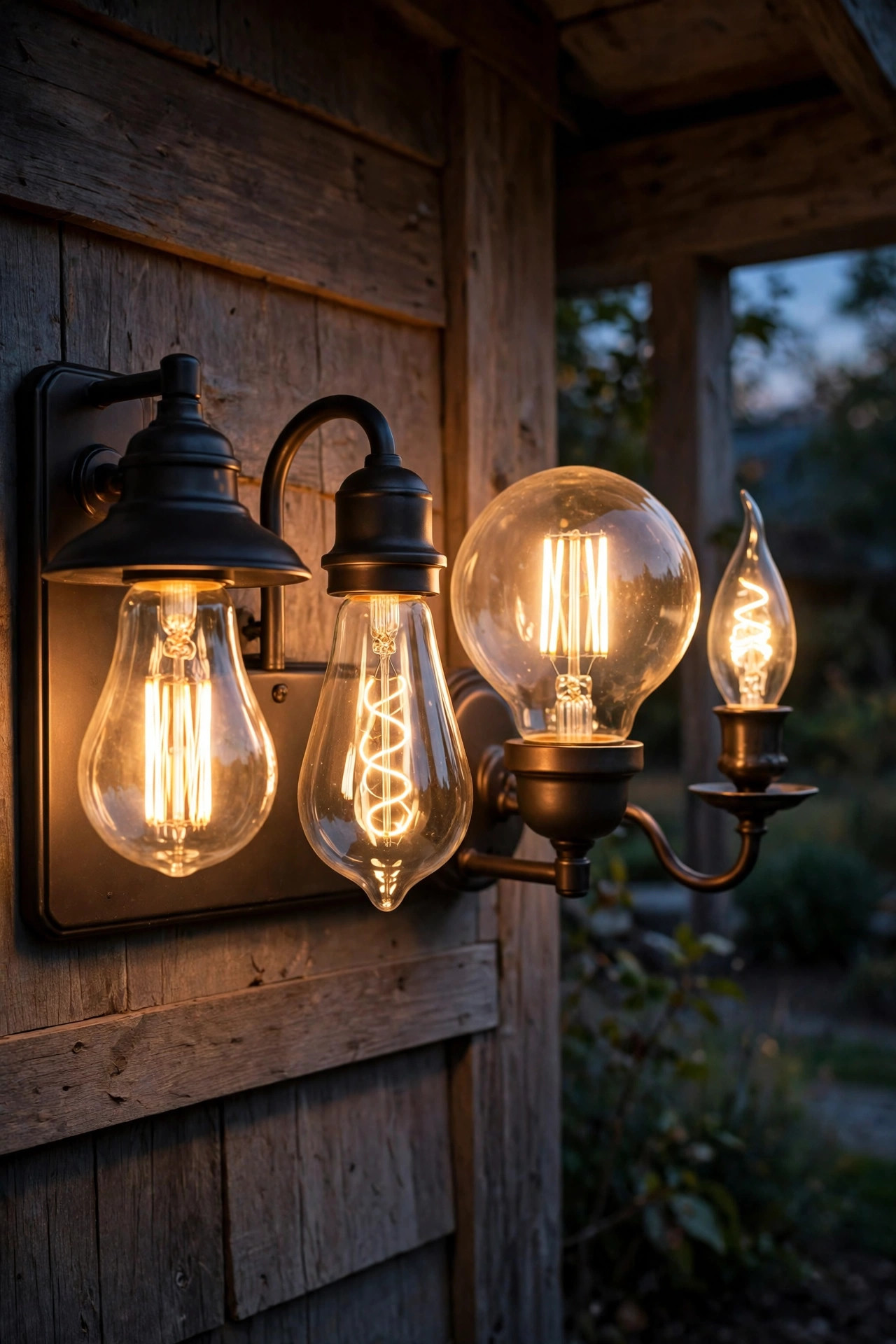
| ST19 / ST64 | Teardrop "vintage" silhouette | Clear-glass lanterns and coach lights, especially as clear filament |
| G25 globe | Round ball | Open and modern sconces, vanity-style strips by a door |
| B11 candelabra | Slim flame tip | Chandelier-style and narrow coach sconces, usually candelabra base |
| T10 tubular | Long slim tube | Tight vertical fixtures and narrow lantern housings |
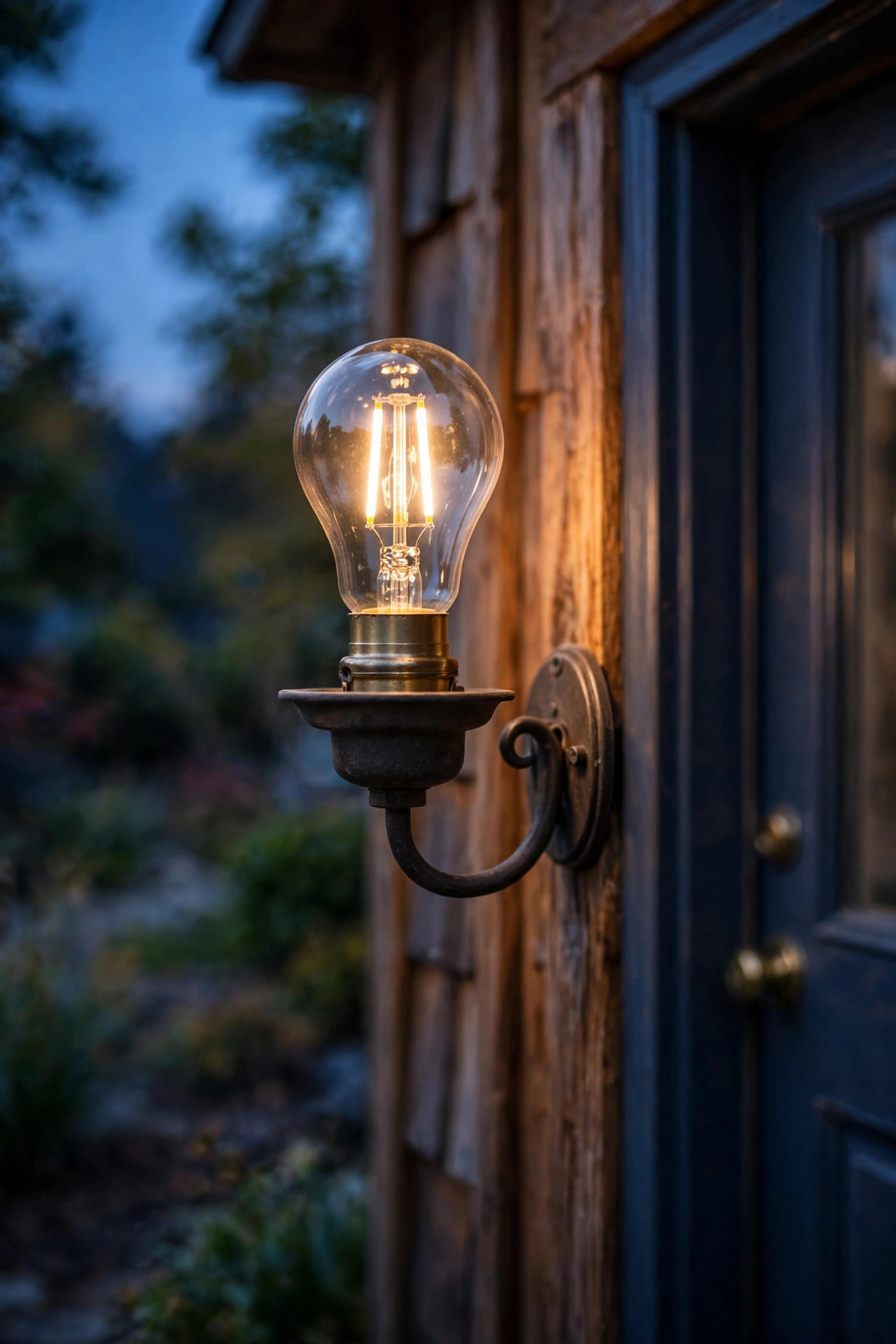
Inside seeded or frosted glass, honestly, shape barely matters — a plain A19 disappears and just does its job. Behind clear glass, the bulb is on stage, and the teardrop ST shape with a visible LED filament is the one I reach for again and again; it reads as intentional decor instead of hardware. My collection of vintage filament bulb ideas shows how pretty that look gets across different fixtures.
Whatever shape tempts you, measure before you buy. Note the bulb length your sconce can swallow with the shade closed, and check the new bulb's length and width against it. A bulb that pokes past the glass edge or crowds the shade looks wrong and can trap heat.
LED, Filament LED and Smart: The Main Types, Compared Honestly
Nearly every bulb I recommend today is an LED, but "LED" covers three personalities worth separating. Standard LEDs hide their diodes behind a frosted dome; they're the workhorses — cheapest per lumen, longest track record, and the safest choice behind any glass. Filament LEDs thread tiny diodes along delicate-looking strands inside clear glass to imitate an old carbon filament; they cost a bit more and run a touch warmer, but behind clear sconce glass nothing else looks as good. Smart bulbs add app and voice control, color changing, and scheduling; they're delightful for holidays and vacations, though they dislike some enclosed fixtures and cost the most of the three.
| Type | Look | Lifespan | Best for |
|---|---|---|---|
| Standard LED | Soft, even glow through frosted glass | 15,000–25,000 hours | Everyday sconces, shaded fixtures, set-and-forget homes |
| Filament LED | Visible glowing strands, vintage character | 15,000 hours typical | Clear-glass lanterns and coach lights |
| Smart LED | Any look, plus color and schedules | 15,000–25,000 hours | Vacation schedules, holiday color, voice control |
Halogen and old incandescent bulbs still exist on store shelves, but I steer porch owners away from them: they run hot near glass and siding, waste most of their energy as heat, and burn out in a fraction of an LED's lifespan.

Clear vs. Frosted: Settling the Glare Question
This is the question I get most, and the answer depends on one thing: can you see the bulb itself from where you stand? If your sconce has clear glass and the bulb sits anywhere near eye level — beside a front door is almost always eye level — a bare clear bulb will throw a bright point of light straight at your guests. Some people love that sparkle; many find it fatiguing without realizing why the porch feels harsh.
Frosted bulbs diffuse the diodes into one soft, even glow. They forgive everything: eye-level placement, clear glass, brighter lumen counts. My honest rule: if the bulb is visible and within a foot or two of eye height, frost it. If the sconce points the bulb up or down behind a shade, or the glass is already heavily textured or seeded, clear is fine and shows off a filament beautifully.
There's one more wrinkle: seeded and hammered glass sit between the two camps, softening a clear bulb partway, which is why so many coach lights pair that textured glass with filament bulbs so happily.
Dimming is the third path. A dimmable clear filament bulb on a warm dimmer gives you sparkle at low levels and real brightness when you're hauling in groceries — the best of both, if your switch cooperates.

Bases and Fit: E26, E12 and the Two-Inch Rule
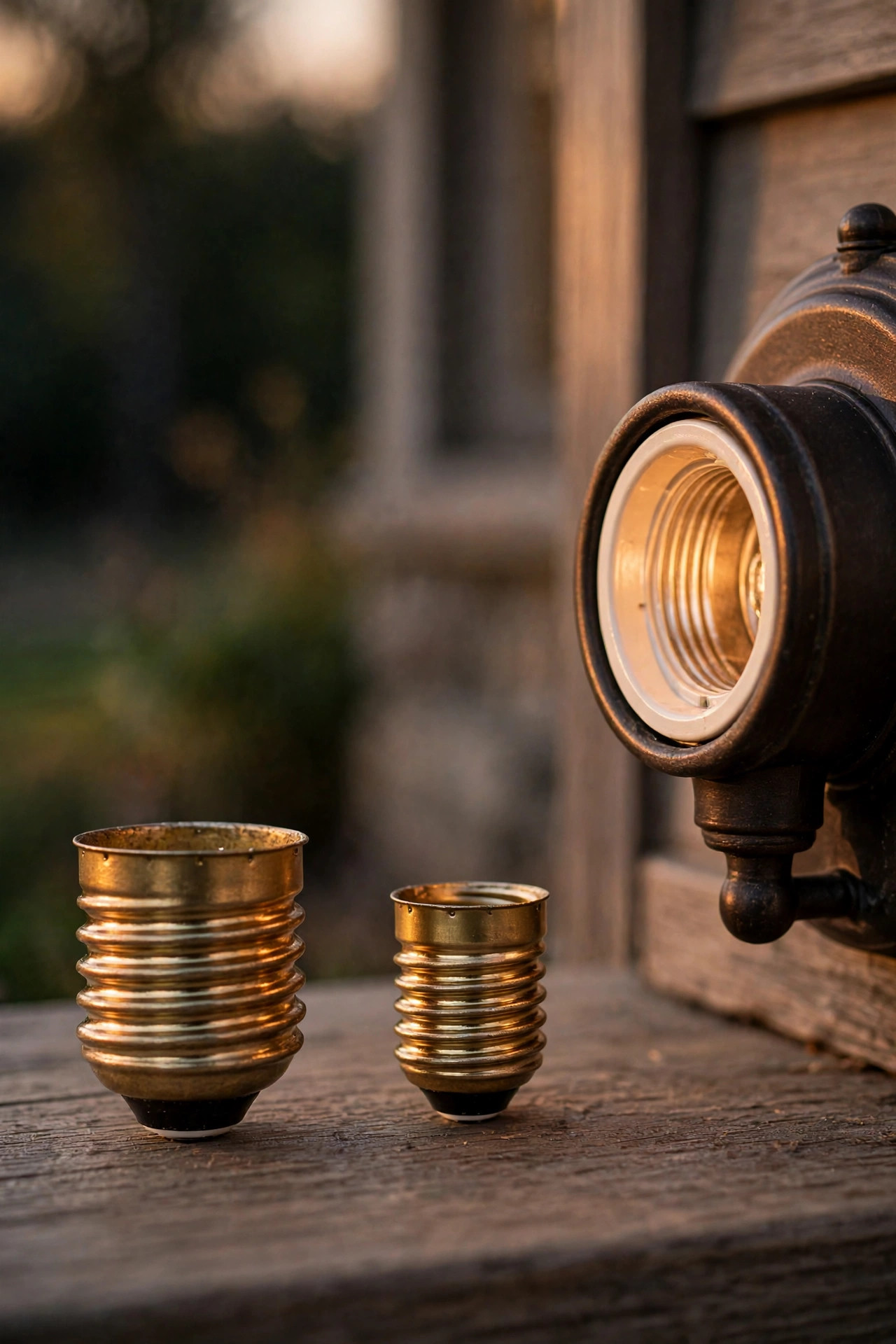
Before anything else, confirm your base. Most porch sconces take a medium screw base, coded E26 — the standard household socket. Smaller coach lights and chandelier-style sconces often use the candelabra E12 base, which is about half the diameter. The coding is printed on your old bulb's base and usually stamped inside the socket. Guessing wrong is the number-one reason bulbs go back to the store, so bring the old bulb with you or snap a photo of it next to a coin for scale.
Length matters almost as much. Measure from the socket to the tightest point of the shade or glass, then leave clearance — I like at least half an inch of breathing room around the bulb so heat can escape and the glass closes without a fight. Decorative shapes run long; an ST64 teardrop is noticeably taller than an A19, and tubular bulbs exist precisely because some sconces are too narrow for anything else.
About adapters that convert one base to another: I avoid them outdoors. They add length, another connection to corrode, and a listing gray area. The bulb selection in both base sizes is wide enough now that the right native bulb almost always exists.
Dimmers, Sensors and Dusk-to-Dawn: Matching the Bulb to the Switch
A wonderful bulb on the wrong control becomes a flickering, buzzing annoyance, so match the two before you buy. On a dimmer, the bulb must say "dimmable" on the box — non-dimmable LEDs on dimmers are the classic cause of porch flicker — and even then, older dimmers sometimes pair poorly with LEDs, showing up as a narrow dimming range or a faint hum.
Motion-sensor sconces want bulbs rated for electronic controls and frequent switching; most modern LEDs qualify, but bargain bulbs sometimes lag or strobe when the sensor half-wakes them. Photocell and dusk-to-dawn bulbs carry their own light sensor in the base, which turns any plain sconce into an automatic one — a lovely trick for a fixture on a switch nobody remembers. Just don't stack systems: a photocell bulb behind a timer or a smart bulb on a sensor switch will confuse itself, because each control keeps cutting the other's power.
Smart bulbs need constant power to hear your commands, so they belong on plain switches you leave on, controlled by app or voice instead. When in doubt, test one bulb for a week before buying the matching set; controls reveal their quirks quickly, and a single-bulb trial costs very little.

Outdoor Ratings That Actually Matter
A porch feels sheltered, but weather finds its way in — wind drives rain sideways, and winter nights test every seal. Look for bulbs marked for damp or wet locations; damp covers most covered porches, while fully exposed sconces want wet-location bulbs. That rating quietly excludes many indoor-only bargain bulbs, whose bases corrode and whose electronics fail early outside.
Check for an enclosed-fixture rating too. Many sconces are little glass boxes, and heat builds up inside them on summer nights. LEDs hate heat — it's the main thing that shortens their life — so a bulb approved for enclosed fixtures carries better thermal design and will actually reach its promised hours. If the box says "not for enclosed fixtures," believe it and choose another bulb.
Finally, glance at the temperature range and the safety listing. A bulb rated to start at -4°F or lower won't sulk through a cold snap, and a recognized listing mark (the US testing labels printed on the base) tells you the bulb passed real safety standards rather than just a marketing review. One more detail worth knowing: bulbs built for damp and wet locations seal the joint where the glass meets the metal base, and that tiny seal is exactly where cheap bulbs quietly fail first.

Step-by-Step: Swapping a Sconce Bulb the Right Way
A bulb swap is a five-minute job, but doing it in the right order saves the glass, the socket, and your evening plans.
1. Turn the light off at the switch, and let the old bulb cool completely — halogens especially hold heat.
2. Open or remove the sconce's glass or shade, supporting it with one hand; set screws aside in your pocket, not the mulch.
3. Unscrew the old bulb counterclockwise, gripping its base end rather than squeezing the glass.
4. Wipe the socket and the inside of the glass with a dry cloth; check the socket for green or white corrosion.
5. Screw the new bulb in until snug — firm finger-tight, never forced.
6. Refit the glass, restore power, and switch on to confirm it lights.
7. Wait for dusk, then walk to the street and look back. That curb view — brightness, color, glare — is the one your guests and neighbors actually see, and it's the moment to judge Kelvin and lumens honestly.
If the new bulb doesn't light, reseat it once before suspecting the bulb; corrosion or a bent center contact in older sockets is the usual culprit. Total time once you've done it a time or two: about five minutes per sconce, most of it spent on the ladder.
What It Costs in 2026
Porch bulbs are refreshingly cheap, which is why experimenting costs so little. A quality standard LED A19 runs about $4 to $8 per bulb, less in multipacks. Filament-style LEDs for clear glass land around $6 to $12 each. Dusk-to-dawn sensor bulbs run $8 to $14, and smart bulbs $12 to $20, depending on features. For a typical pair of sconces, expect to spend $10 to $30 total to relight your entry well — less than the cost of the fixture's replacement glass if you drop it, ask me how I know. Candelabra-base decorative bulbs trend a dollar or two higher than their medium-base equivalents, and multipacks of four remain the cheapest way to keep a matched spare set on hand.
Running costs are nearly a rounding error. A 9-watt LED burning five hours a night uses about 16 kilowatt-hours a year, roughly $2.60 at the average US residential rate of 16 cents per kilowatt-hour — about five dollars a year for a pair. Compare the old 60-watt incandescent habit at roughly $17 per bulb per year, and the LED pays for itself within a single season. Rated lifespans of 15,000 to 25,000 hours translate to eight to thirteen years of evenings at five hours a night, so buying the better bulb once beats rebuying bargain bulbs every year or two.
5 Mistakes That Ruin the Look
1. Mixing Kelvin in one view. A warm sconce beside a cool garage light makes both look wrong. Buy pairs and sets together, keep spares from the same purchase — ideally the same shelf batch — and the colors will stay twins for years.
2. Overpowering the porch. A 1,600-lumen bulb at eye level is a searchlight, not a welcome. Stay in the ranges above and let two moderate sconces share the work. If you need more light, add a fixture or a path light rather than a fiercer bulb.
3. Ignoring the enclosed rating. A non-rated bulb cooked inside a sealed glass sconce dims and dies early, and owners blame the fixture. The warning on the packaging exists because the failure is slow and quiet, not dramatic — the bulb just fades month by month.
4. Choosing shape by photo alone. A teardrop that crowds the glass or a globe that won't pass the opening wastes a trip. Measure the fixture first, and bring the old bulb to the store to compare silhouettes side by side.
5. Leaving one old bulb in a pair. LEDs age toward slightly different colors; a fresh bulb beside a five-year-old one shows the difference every night. Replace pairs together, and keep the survivor as an emergency spare.
None of these mistakes costs much to avoid. All of them cost weeks of squinting at the porch and wondering why it looks slightly off.
Keeping Them Bright: Seasonal Bulb Care
Twice a year — I fold it into the spring and fall porch cleanups — give your sconces ten quiet minutes. Switch the power off, let everything cool, and wipe the glass inside and out; a film of pollen and road dust can steal a surprising amount of light and make a good bulb look tired. Check each bulb's base for the white or green bloom of corrosion, and clear out the inevitable moths and spider webs that gather behind the glass.
While you're there, snug-check the bulbs. Freeze-thaw cycles and slamming doors slowly walk bulbs loose in their sockets, which shows up as intermittent flicker long before anything actually fails. Once a year, glance at the fixture's gasket and the little weep hole at its base, too; a bulb lasts longest in a sconce that sheds water the way it was designed to. Keep one matched spare pair in a labeled drawer indoors, bought with the installed set, so a midwinter failure gets a five-minute fix instead of a mismatched emergency purchase. A bulb that dims noticeably, changes color, or starts flickering after these checks is simply at the end of its life — replace the pair, note the date on the box, and enjoy the porch at full glow again.
Frequently Asked Questions
How many lumens do I need for a porch sconce?
For most homes, 450 to 800 lumens per sconce is the sweet spot when sconces flank a door in pairs, and 700 to 1,000 lumens for a single sconce lighting the entry alone. Smaller covered porches can go lower; tall entries or sconces doubling as security lights can go a bit higher. Judge the result from the street at dusk, not from the doorway at noon.
Is 2700K or 3000K better for porch sconces?
Both are warm and welcoming; it comes down to your home's colors. Choose 2700K for brick, wood doors, and warm-toned siding, where its golden cast feels classic. Choose 3000K for gray, white, or stone exteriors, where it reads cleaner and less yellow. The only firm rule is to keep every bulb visible from the street at the same Kelvin.
Can I use a regular indoor LED bulb in an outdoor sconce?
Sometimes, but it's a gamble. Indoor-only bulbs aren't sealed against humidity, and their bases corrode faster outdoors, especially in exposed fixtures. On a covered porch, a damp-location rated bulb is the minimum I recommend; for sconces that take direct weather, choose a wet-location, enclosed-fixture rated bulb. The price difference is small and the lifespan difference is not.
Why does my new LED bulb flicker in my porch sconce?
The usual suspects are a non-dimmable bulb on a dimmer switch, an older dimmer that doesn't pair well with LEDs, a photocell or sensor control confusing the bulb, or a bulb worked slightly loose in its socket. Test the bulb in a plain indoor socket first; if it burns steady there, the control — not the bulb — needs attention.
Conclusion
Great porch light is rarely about the fixture budget; it's about three small decisions made well. Choose your brightness in lumens, pick a shape that suits your glass, and settle on one warm Kelvin for the whole front of the house. Do that, and the best bulbs for porch sconces turn an ordinary entry into the warmest welcome on the street. If you're still shopping for the fixtures themselves, browse the porch and sconce lighting ideas here on the site — then come back and bulb them like a pro.