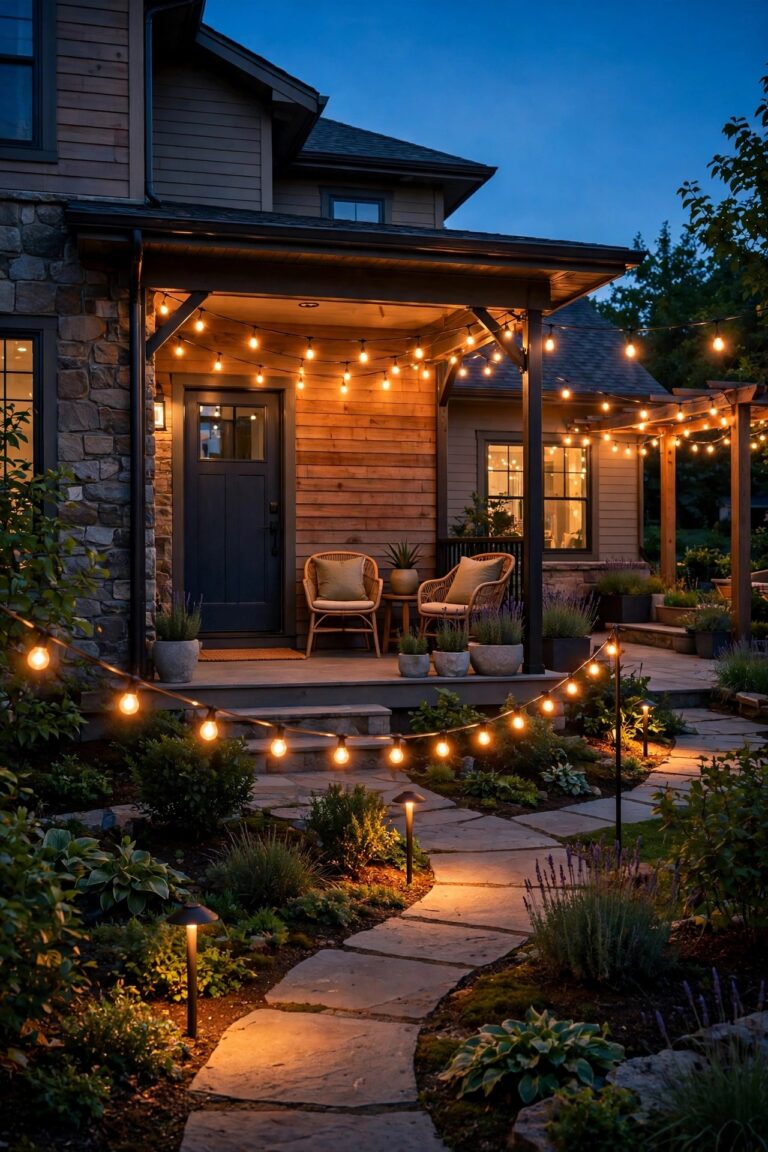
Stand on any porch in my neighborhood at dusk and you can spot the houses that went smart — the porch light that fades up right at sunset, the garage lanterns that all agree on the same warm shade. What you cannot see is the decision behind it, and it is the one that decides whether the setup delights you or quietly drives you nuts: where does the smart part live? The smart bulbs vs smart switches outdoor lighting question comes down to putting the brains in every bulb, or putting them once in the wall switch and letting ordinary bulbs stay ordinary. I have run my own entry both ways, through guests, power flickers, one memorable Wi-Fi outage, and a house-sitter who flipped every switch in the house. Each approach wins somewhere real. This guide walks through how both work, the famous porch problem nobody warns you about, how the cost picture flips as fixtures multiply, and which one belongs on your entry, your garage, and your path run — so you buy once and buy right.
The Short Answer
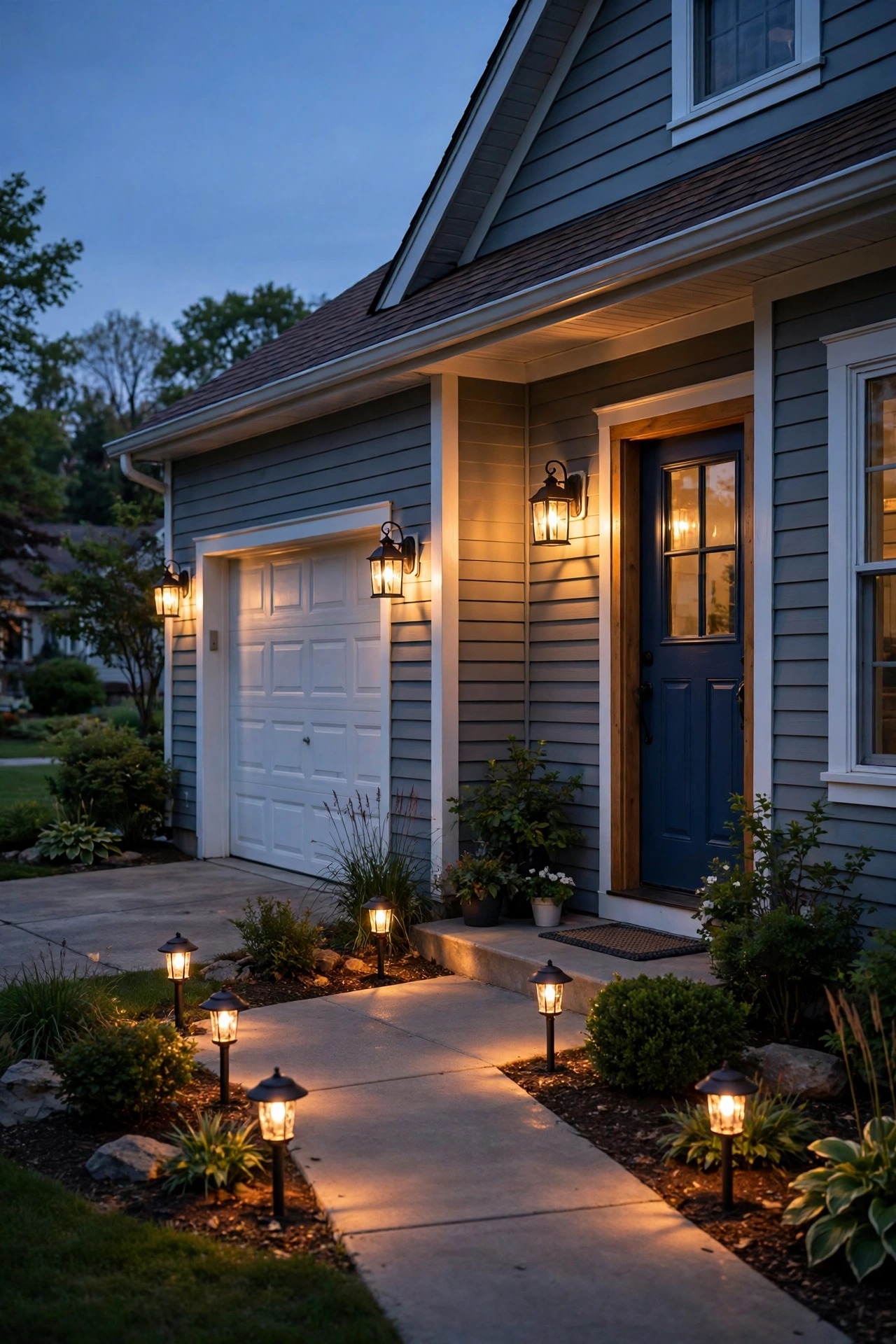
Short version: if one switch runs several outdoor fixtures, a smart switch is usually the smarter buy — one device, ordinary bulbs, and the wall switch keeps working the way guests expect. If you have a single porch light, rent your home, or want color and per-fixture scenes, smart bulbs win on simplicity and flexibility. Renters and single-fixture entries should start with bulbs; multi-fixture circuits belong on a switch. Plenty of homes land on the hybrid: switches for the workhorse circuits, a few smart bulbs where color and individual control earn their keep.
How Each Option Actually Works
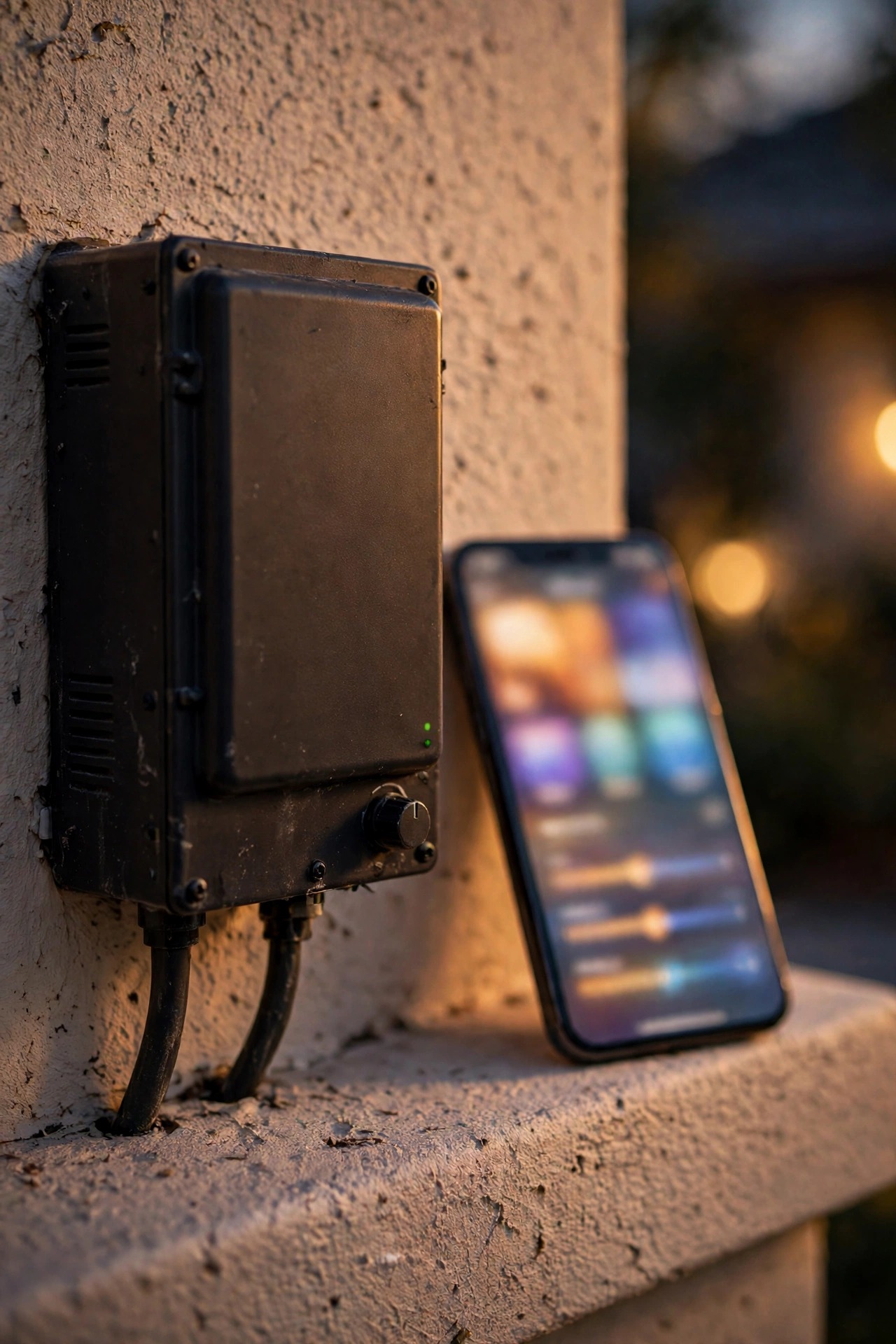
A smart bulb carries its own tiny radio and brain inside the bulb itself. It screws into any ordinary socket, draws power whenever the wall switch is on, and listens for instructions from a phone app, a voice assistant, or a schedule you set once and forget. Every bulb is its own device: its own connection, its own settings, its own little standby sip of power around the clock. That independence is the appeal. You can start with one porch bulb tonight and add the garage next month, no wiring touched.
A smart switch moves the brain into the wall. It replaces the ordinary switch inside your entry or garage, and from then on it controls whatever that switch already controls — with plain, inexpensive bulbs in the fixtures. The fixtures themselves stay as dumb and replaceable as ever; the intelligence lives in one place. One command can run a whole circuit at once, which is why switches feel so tidy on a front elevation with matching lanterns. I keep a running head-to-head in my notes on smart switch vs smart bulb outdoors if you want the quick comparison table version; this guide goes deeper on the outdoor-specific trade-offs.

The Porch Problem: A Switch Left Off Kills a Smart Bulb
Here is the failure mode that fills my inbox. A smart bulb only works while it has power, and power comes through the wall switch. The first time a guest, a teenager, or a well-meaning house-sitter flips that switch off out of habit, your smart bulb goes dark and deaf at the same moment. No schedule, no app command, no voice request can reach it, because as far as your home network knows, it no longer exists. The light stays off until somebody physically flips the switch back.
You will hear workarounds: switch guards, little covers, a piece of tape, asking everyone in the house to please use the app. Honestly? If a light needs a household treaty to function, it is the wrong product in that spot. Bulbs behave best where the switch is rarely touched — a porch circuit you already leave on, a fixture on a photocell, a lamp you control by app habit alone. A smart switch has no such weakness: flipping it by hand is one of its normal inputs, and the app simply notices the new state. For entries with traffic, visitors, and real life, that difference alone settles many purchases.

Color, Scenes and Per-Fixture Control: Where Bulbs Win
If the switch wins on discipline, the bulb wins on play. A smart bulb can change its own color temperature from candle-warm to daylight, and color models can wash a porch in amber for October, soft red and green in December, or a gentle gold for a summer dinner outside. Because each bulb is independent, fixtures on the same circuit can still behave differently: the porch lantern stays warm white for packages and faces while the garden spots nearby do something festive.
Scenes are where this stops being a gimmick. I keep a welcome scene that brings the entry up warm and bright, a movie-night scene that drops the patio strings to a low glow, and a late-night scene where only one dim bulb burns so the house looks lived in without lighting the whole street. Tunable-white bulbs earn their keep across the seasons too: bright and clear for summer evenings on the patio, then softer and warmer the first week the air turns cold. A smart switch can dim a whole circuit together, and a good one remembers schedules beautifully, but it cannot split fixtures that share its wires, and it cannot change the color of an ordinary bulb. If your lighting is part of how your home celebrates, bulbs give you a palette a switch simply cannot.

The Cost Math: Smart Bulbs vs Smart Switches Outdoor Lighting as Fixtures Multiply
This is the section where the answer flips, so count your fixtures before you buy anything. A smart bulb costs several times what a plain LED bulb costs, and you pay that premium again for every single fixture you want to control. One porch light? The bulb route is cheap and cheerful. Two garage lanterns and a porch light on the same circuit? Now the bulb premium is paid three times — and paid again in a few years when those outdoor bulbs age out and get replaced, premium and all.
A smart switch charges its premium exactly once, regardless of how many fixtures hang off that circuit, and the bulbs behind it stay the plain, inexpensive kind forever. Somewhere around three or four fixtures on one switch, the switch route pulls ahead and never looks back. There is a second, quieter cost on the bulb side: every smart bulb sips a little standby power all day while it waits for instructions, and a yard full of them adds up to a small but real always-on load. A single switch sips once for the whole circuit. Neither sip will change your life, but the pattern matches everything else in this guide — bulbs multiply costs, switches consolidate them.

Ratings Reality: Bulbs in Enclosed, Outdoor and Cold Fixtures
A smart bulb is a small computer that happens to glow, and computers dislike heat and water. Most smart bulbs are rated for indoor use, which matters outdoors in two specific ways. First, the fixture: many porch lanterns are enclosed, and an enclosed fixture traps heat around the bulb. Electronics cooking in their own warmth age fast — a bulb that should last for years can fade, flicker, or drop its connection within a season inside a sealed lantern. Check for an enclosed-fixture rating before you screw one into a closed lantern, and treat that rating as a requirement, not a suggestion.
Second, the location: a bulb under a covered porch roof lives in damp air, not rain, and most handle that well if the packaging says damp-location rated. A bulb in an open fixture that takes direct weather needs a wet-location rating, and few smart bulbs offer one. Cold is the third factor: electronics generally tolerate winter fine, but very cold snaps can make bulbs slow to respond until they warm up. Plain bulbs behind a smart switch suffer none of this — you are free to choose any rugged, wet-rated, enclosed-rated outdoor bulb you like, because the brains sit safely indoors in the wall.
The Switch Side: Neutral Wires, Box Depth and Old Houses
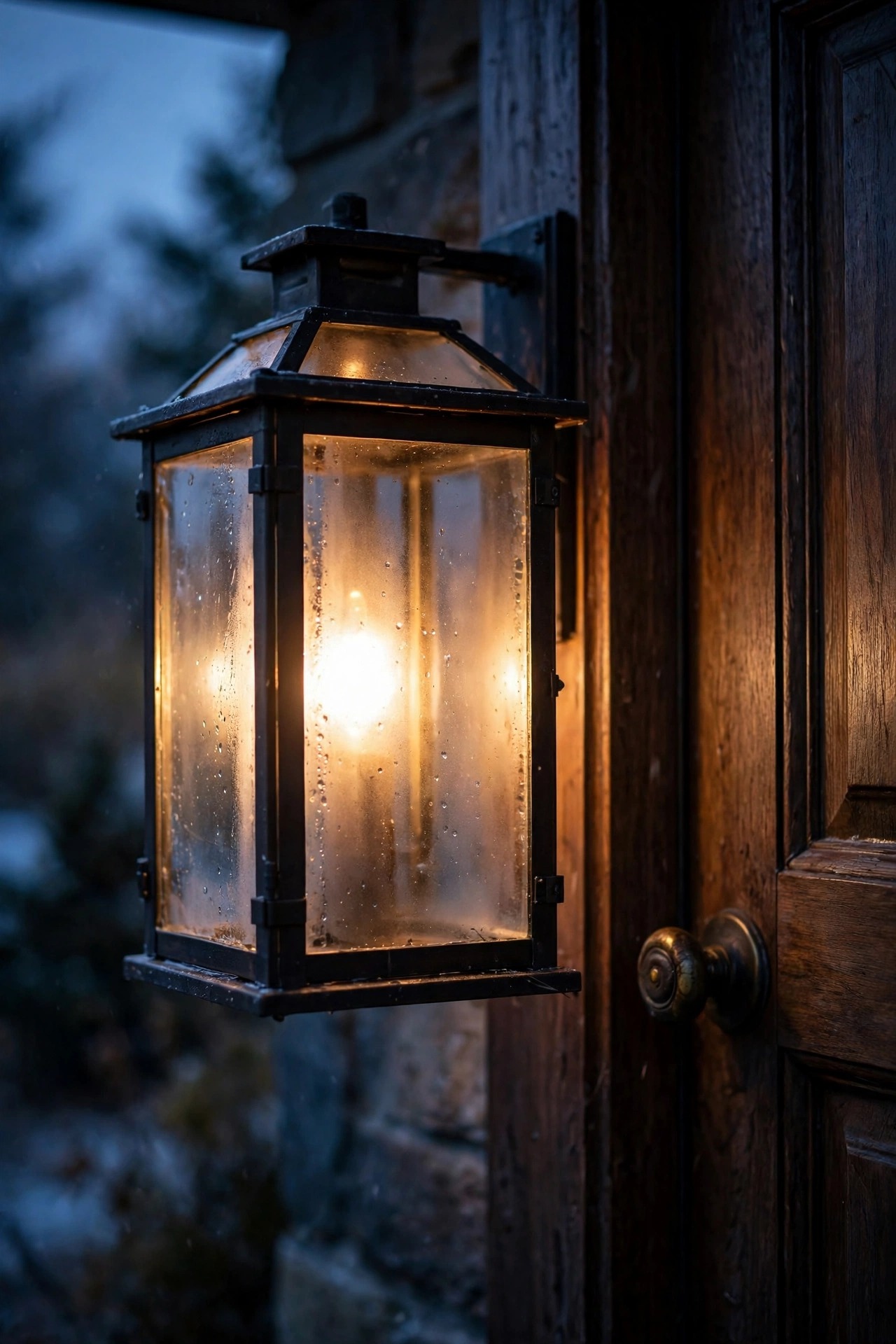
The smart switch has its own fine print, and it lives inside your wall. Most smart switches need a neutral wire in the switch box to power their radio while the light is off. Houses wired in roughly the last few decades usually have one waiting in the box. Older homes often do not — the switch was wired as a simple loop, with no neutral present, and a standard smart switch simply will not work there. No-neutral models exist and solve the problem two ways: a small battery inside, or a tiny trickle of power through the bulbs themselves, which occasionally makes sensitive LEDs glow faintly when off.
Depth is the other surprise. Smart switches are chunkier than the plain ones they replace, and a shallow or crowded box — common in older construction — can turn a twenty-minute swap into a wrestling match. Three-way circuits, where two switches control one light, need a compatible companion setup and a bit more patience. None of this is a reason to avoid switches; it is a reason to open the box and look before you order. If the wiring intimidates you at any point, this is a short, routine job for an electrician, and the cost section below covers what that visit typically runs.
When the Wi-Fi Drops: Smart Bulbs vs Smart Switches Outdoor Lighting, Head to Head
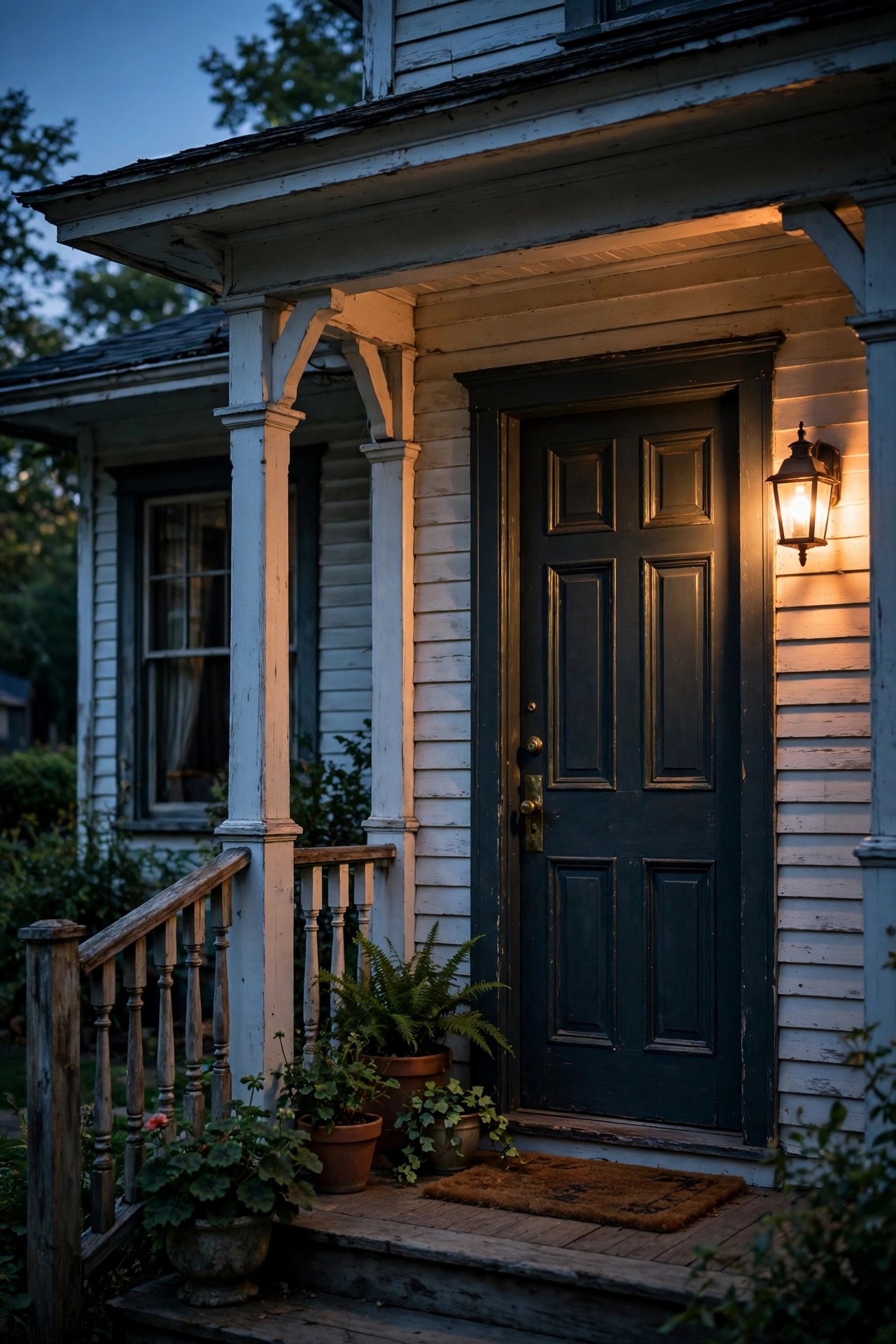
Every smart home meets this evening eventually: the internet blips, the router sulks, and you find out which of your gadgets were secretly cloud-dependent. The smart switch passes this test with the highest marks. It is a wall switch first — walk up, flip it, light. Any schedule stored in the switch itself keeps running, and when the connection returns, app and voice control quietly resume. A power outage behaves the same way: the switch wakes up and carries on.
Smart bulbs are more varied. Most keep their last state when power returns — on stays on, which can mean a porch blazing at 3 a.m. after a midnight flicker unless you set the power-recovery behavior in the app. Schedules stored in the bulb or in a hub usually keep firing without the internet; schedules that live in a cloud service pause until it returns. Voice control, of course, needs the network either way. My honest summary: a switch degrades gracefully into an ordinary switch, while a bulb degrades into an ordinary bulb that may or may not remember its manners. For lights tied to security — the entry, the driveway — I weight this section heavily. If your smart lights double as your vacation routine, that reliability gap matters even more.
Dimming Behavior: Smooth Fades vs Buzz and Flicker
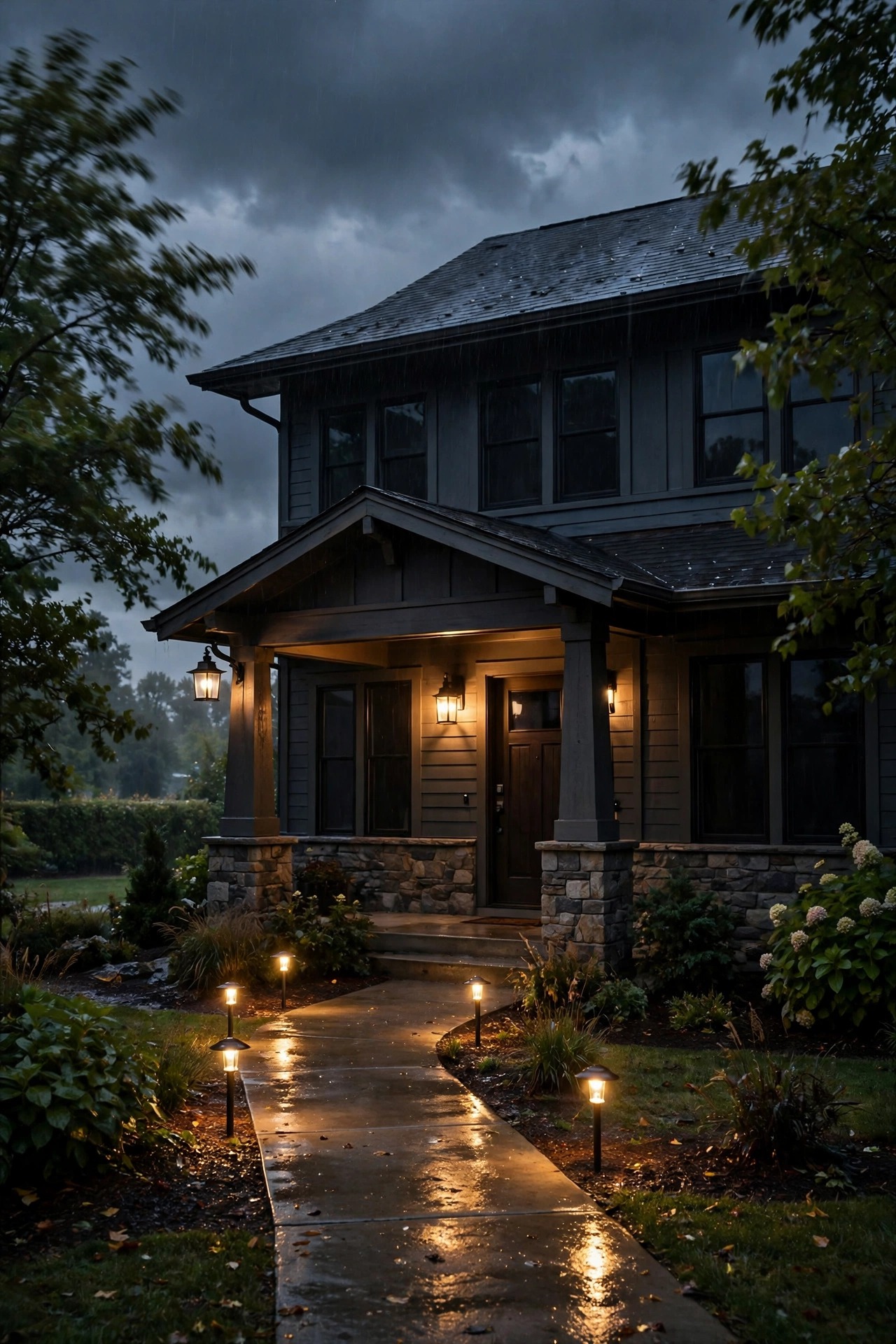
Both routes can dim, but they dim in opposite directions. A smart bulb dims itself, in its own electronics, across its full range — from a bright welcome down to a faint night-light glow — with no buzz and no drama at the low end. Because the wall switch simply feeds it constant power, the dimming is smooth and repeatable, and sunrise and sunset fades are genuinely lovely on a porch. A bulb will also hold a very low setting — ten percent, five percent — without the shivering you get from a wall dimmer starved of load.
A smart switch dims from the wall, chopping or shaping the power sent to ordinary bulbs, which puts the burden on bulb compatibility. Good LED bulbs on a quality smart dimmer behave well; bargain bulbs may flicker at low levels, hum softly, or refuse to go below a certain brightness before dropping out. Some smart switches are on-off only, which surprises buyers who assumed dimming was included — check before you order. And one firm rule for the bulb camp: never pair a smart bulb with a dimmer of any kind, smart or dumb. A dimmer starves the bulb electronics of power, and the result is flicker, buzzing, and an early death. Smart bulbs want a plain switch, left on, forever.

What It Costs in 2026
Here is the honest arithmetic. A standard white smart bulb runs $10 to $18; tunable-white models that shift color temperature run $15 to $25; full-color versions run $20 to $35. The plain LED bulbs that go behind a smart switch cost $3 to $6 each. A smart switch itself runs $25 to $55, a smart dimmer switch $35 to $60, and no-neutral models for older wiring $40 to $65. If the system you choose needs a hub, add $40 to $90 once; plenty of Wi-Fi-based gear skips the hub entirely.
Now the scenarios. A single porch light: the bulb route costs about $15 all-in. The switch route costs roughly $45 for the switch plus a $5 bulb — more money, though it buys the flip-proof behavior. Six fixtures on one switch, a common porch-and-garage layout: bulbs cost $90 to $150 now and again at replacement time, while the switch route lands around $70 total — a $45 switch plus six plain bulbs — and stays cheap forever after. If you hire the switch install out, an electrician typically charges $150 to $300 for the first switch, less for each additional one on the same visit; confident DIYers do it in half an hour with the breaker off. Running costs are a rounding error either way: each connected device sips well under a watt on standby, which works out to under a dollar a year per device at typical electricity prices.
The Verdict by Setup: Who Should Buy Which
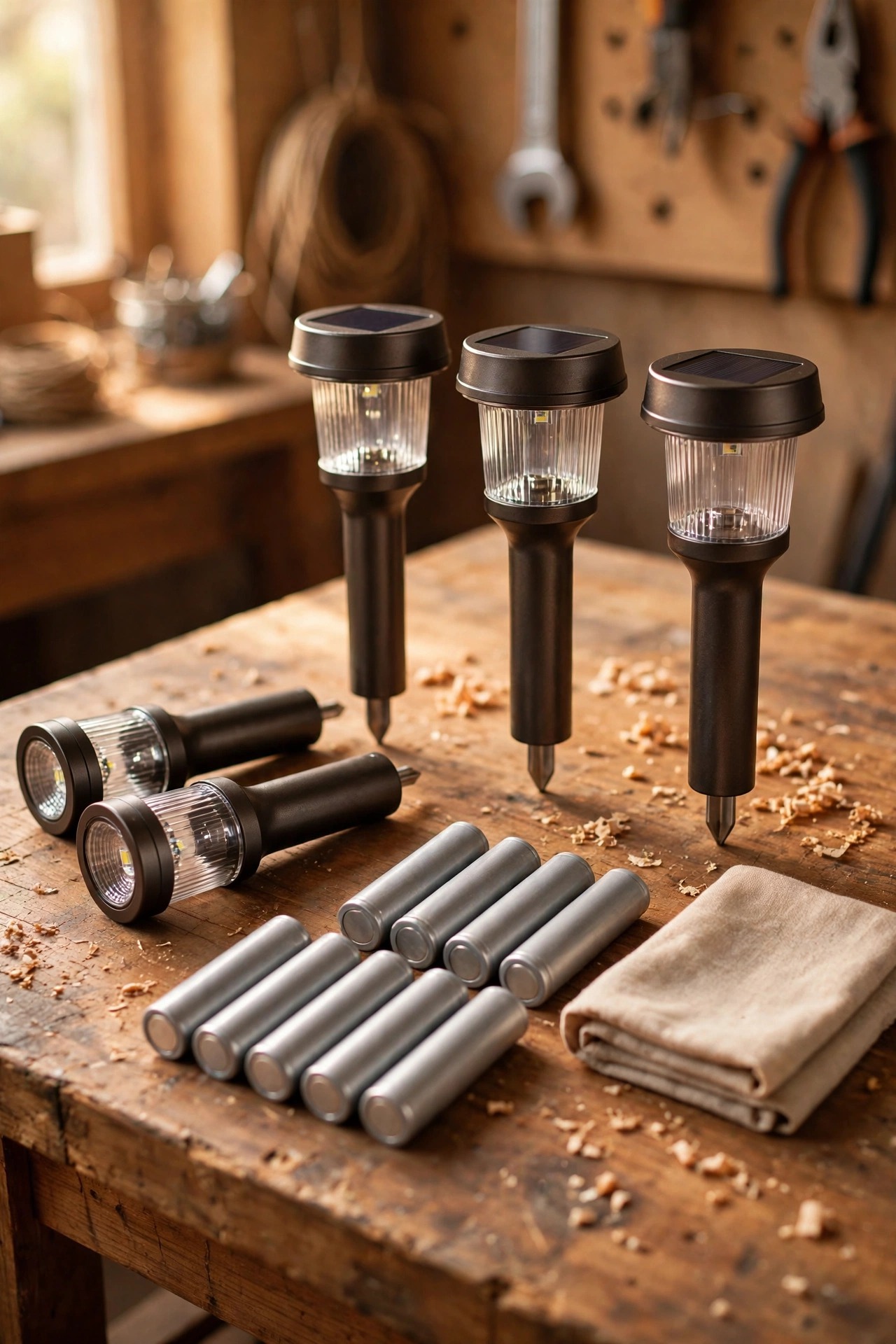
One porch light, standard socket, switch you already leave on: buy the smart bulb. It is the smallest possible step into smart lighting, it costs the least, and it brings schedules, fades, and voice control to the fixture you use most. Many fixtures on a single switch — the classic twin garage lanterns plus porch light arrangement: buy the smart switch, and do not think twice. One device, plain bulbs, immunity to switch-flippers, and the cheapest long-term math in this guide.
Renters, and anyone forbidden from touching wiring: bulbs are your route, full stop — they move out when you do and leave no trace. Add a smart plug for string lights or a plug-in transformer and you can automate nearly everything outdoors without opening a single box; my roundup of smart plugs and timers covers the best uses. Color lovers and holiday decorators: bulbs, obviously — no switch will ever turn a plain bulb amber. And the hybrid most of my neighbors land on: switches for the workhorse circuits at the entry and garage, smart bulbs in the one or two fixtures where color and individual control actually get used. That mix costs less than all-bulb, behaves better than all-bulb, and keeps every option open.
Mistakes That Make Smart Outdoor Lights Dumb
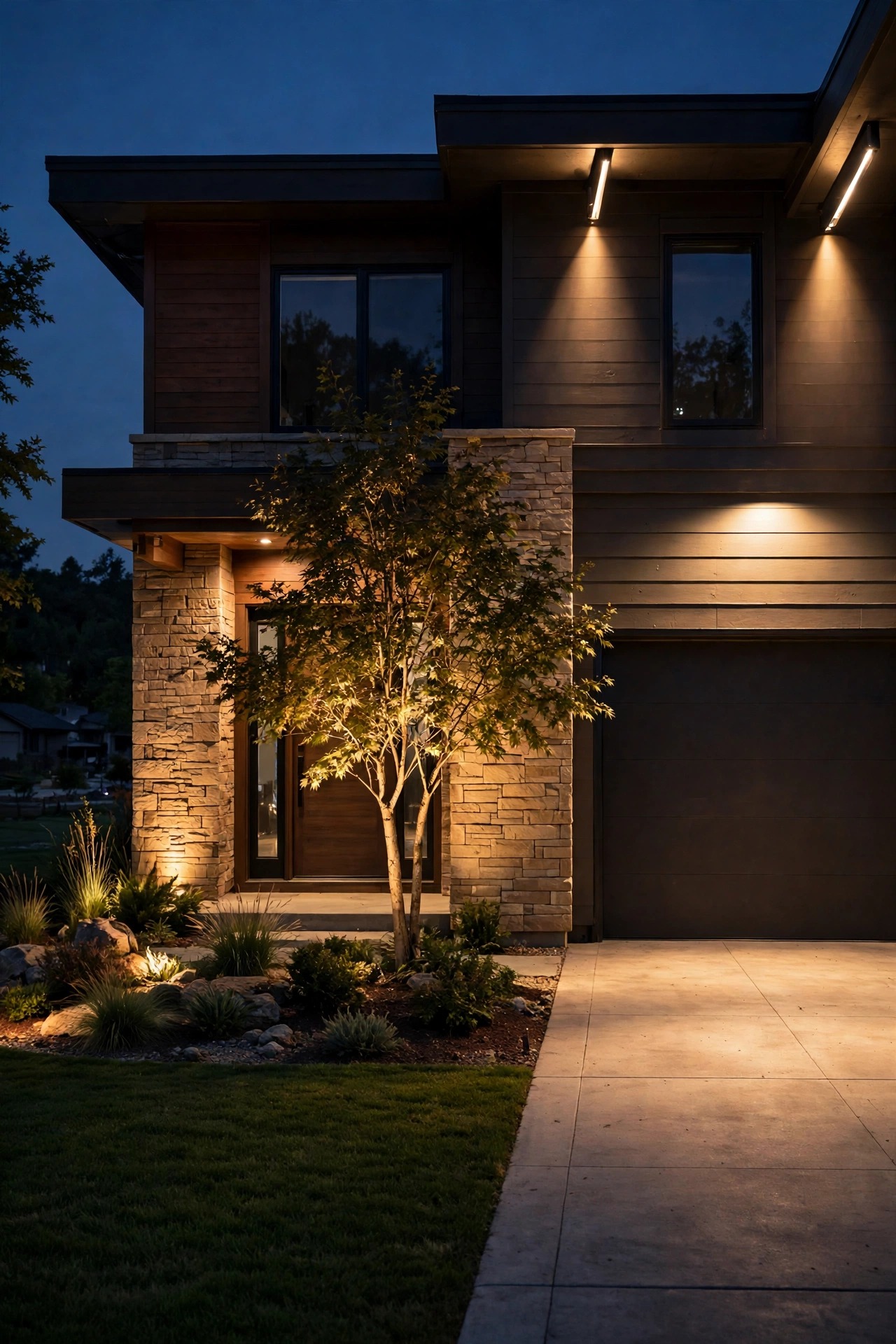
The most common mistake is the double brain: a smart bulb screwed into a fixture that already has its own motion sensor or photocell. Two controllers fight — the fixture cuts power on its own logic, the bulb loses its connection, and the light develops a personality. Pick one brain per fixture. Second is the dumb dimmer pairing from the dimming section: a smart bulb behind any dimmer flickers and dies young.
Third is ordering a smart switch before checking the box, then discovering a shallow, neutral-free switch loop in a 1960s wall mid-project. Fourth is baking a non-rated smart bulb inside a sealed lantern and blaming the brand when it fails by spring. Fifth is putting every outdoor light on bulbs across three circuits, then paying the bulb premium at replacement time on all of them at once — the cost math was in this guide for a reason. Sixth is mixing color temperatures across one view — a cool-white bulb in the porch lantern arguing with warm path lights below — which makes even a well-planned setup look accidental. And the quietest mistake: forgetting that guests, sitters, cleaners, and future buyers will use your wall switches like wall switches. Design for the house you actually live in, not the one in the product photos.
Frequently Asked Questions
Can I put a smart bulb in an outdoor fixture?
Yes, with two conditions. The bulb should carry a damp-location rating for covered porches, and if your lantern is enclosed, it needs an enclosed-fixture rating too, because trapped heat shortens the life of the electronics inside. Keep smart bulbs under a roof rather than in open fixtures that take direct rain, and they will serve you well.
Do all smart switches need a neutral wire?
Most do, because the switch needs a trickle of power for its radio even while the light is off. Homes wired in recent decades almost always have a neutral waiting in the box. Older homes often do not, but no-neutral smart switches exist — they run on a small internal battery or sip power through the bulb — so check your box first and buy the type that matches it.
What happens to my smart outdoor lights when the internet goes out?
The wall switch keeps working by hand, always, and schedules stored in the switch keep running. Smart bulbs keep whatever state they were in, and schedules stored in the bulb or a hub usually continue; anything that depended on a cloud service, including most voice control, pauses until the connection returns. Nothing about an outage damages either setup.
Which is cheaper, smart bulbs or a smart switch?
For one or two fixtures, bulbs cost less — there is nothing to install. Somewhere around three or four fixtures sharing a circuit, one switch plus plain bulbs pulls ahead, and the gap widens every time bulbs need replacing, because plain bulbs are so inexpensive. Renters should ignore the math entirely and take the bulbs they can carry away.
Conclusion
The smart bulbs vs smart switches outdoor lighting decision is really a decision about where your home keeps its brains: in every bulb, flexible and colorful but fragile to a flipped switch, or once in the wall, plain and sturdy and quietly in charge of whole circuits. Count your fixtures, peek inside your switch box, and think about who else touches your lights — the right answer for your entry is sitting in those three facts. Start with one circuit, live with it for a month, and let the house tell you where the next brain belongs. For more ways to layer the glow once the controls are sorted, browse the rest of my outdoor lighting guides here on the site.