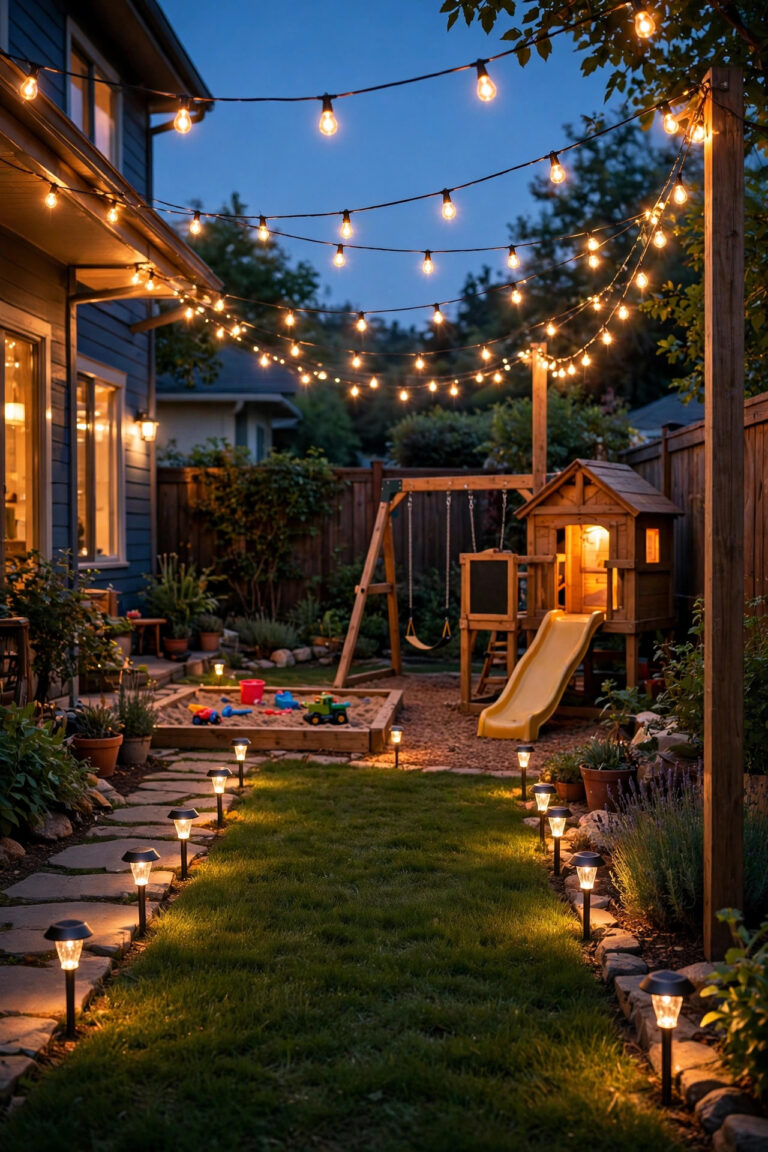
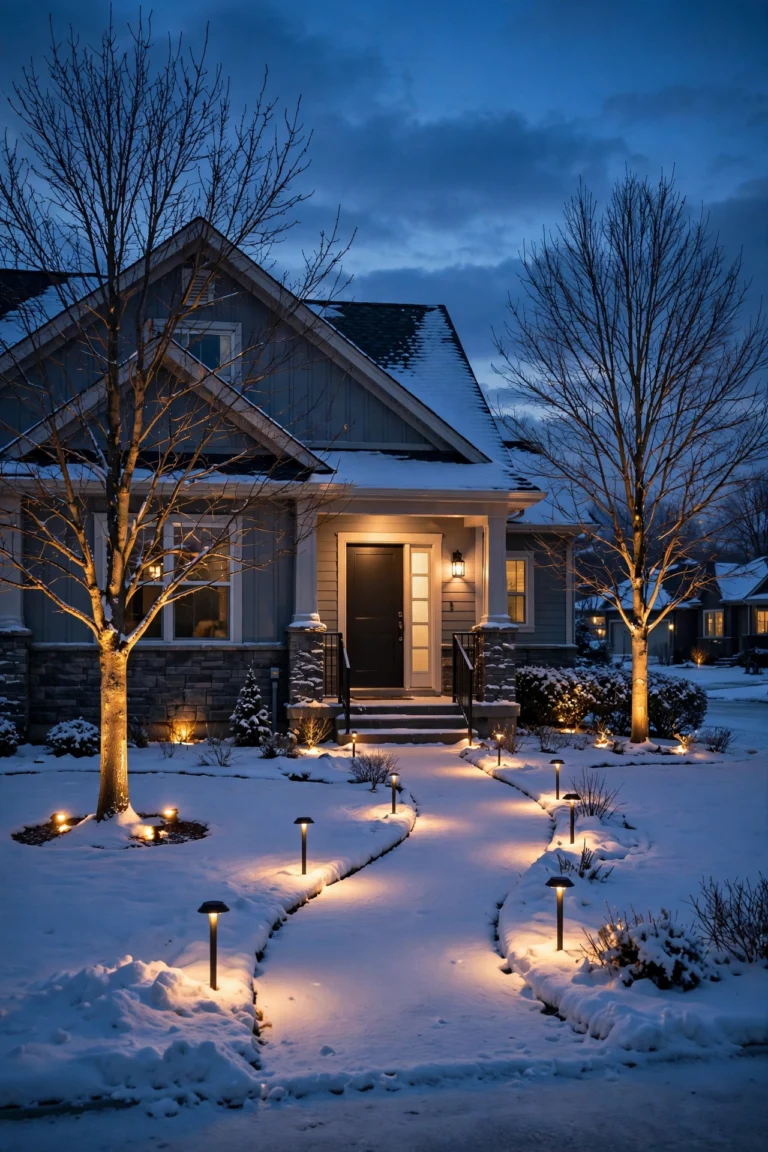
Stand on any patio at dusk and you can feel the difference instantly. One yard glows from a canopy of sparkling bulbs swagged overhead. The next is traced in clean, continuous lines that hug every edge and step. That is the heart of the string lights vs rope lights debate, and honestly, it is less about which one is better and more about which job you are hiring the light to do. I have hung both over my own patio, swapped them between seasons, and watched each one shine in the spot it was made for — and fall flat in the spot it was not. String lights are the romantics: all sparkle, movement, and café charm. Rope lights are the architects: neat, hidden, and precise. This guide compares the two honestly, from the look and the brightness to installation, durability, safety, and what each one really costs to run across a full patio. By the end you will know exactly which glow belongs overhead, which belongs along your edges — and why my favorite answer, most of the time, is both of them together.

The Short Answer
If you only pick one, pick by location. Choose string lights overhead: nothing else gives a dining table that warm, sparkling canopy or lights faces as kindly. Choose rope lights for edges: steps, deck perimeters, railings, and pergola beams, where a clean line shows the way and stays out of sight. Strings are brighter per bulb and far easier to repair. Rope is neater, harder to aim wrong, and better at wayfinding after dark. On my own patio I run both — strings above the table, rope under the railing — and the layered mix beats either one alone every single time.
String Lights vs Rope Lights: The Look, Side by Side
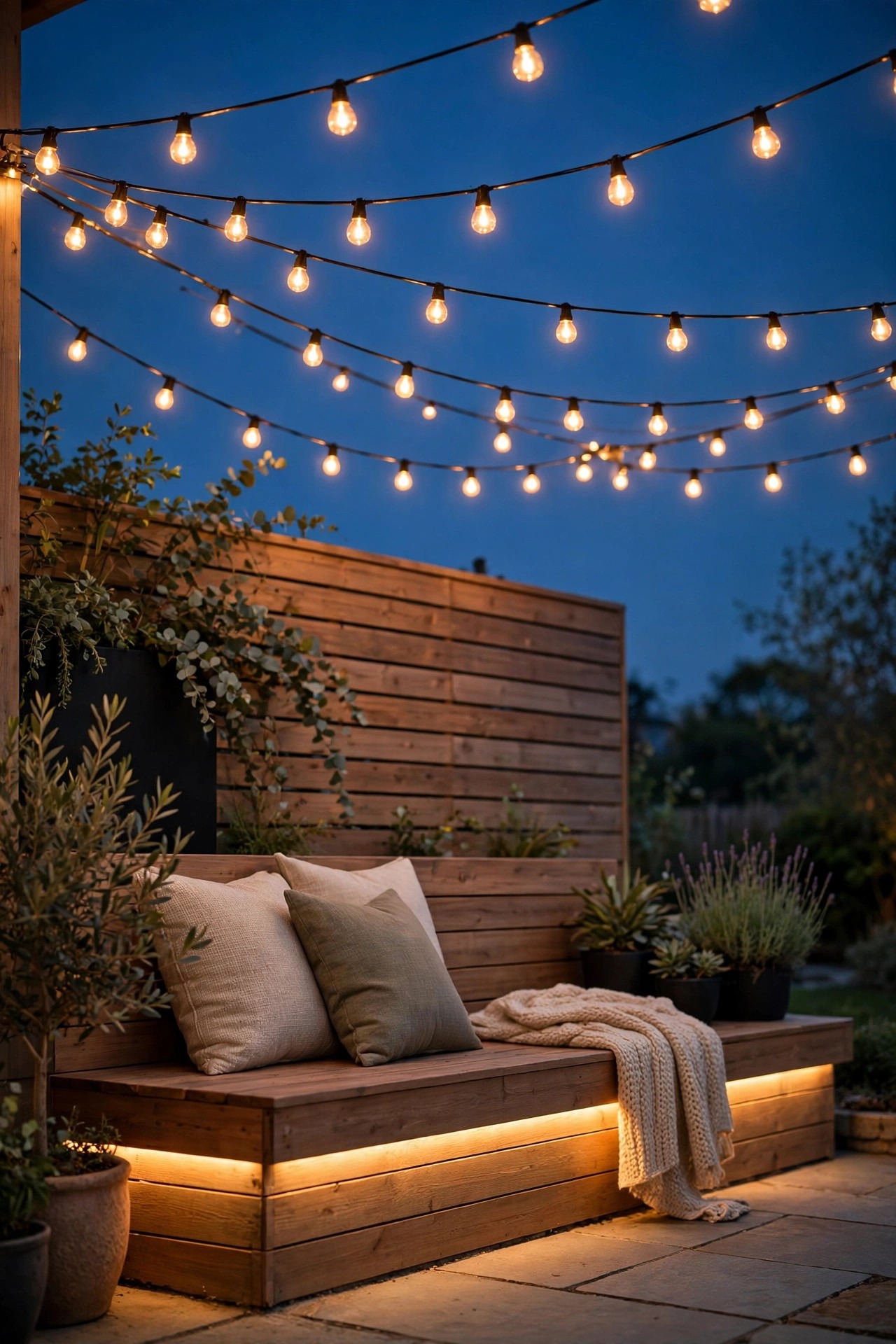
String lights are points of light. You see every bulb, every gentle swag of the catenary curve, and that visibility is the whole charm. The bulbs sparkle because each one is a separate little star, and the strand sways almost imperceptibly in a breeze, which makes the light feel alive. Bulb shape does real styling work here: elongated filament bulbs read vintage bistro, round globes read soft and modern, and tiny fairy bulbs read whimsical. Strings also look good switched off — the swagged lines give a patio structure during the day, like a ceiling drawn in the air.
Rope light is the opposite gesture. The diodes hide inside a flexible tube, so what you see is one unbroken line of light with no visible source. It grazes along whatever it touches — a railing, a step edge, a beam — and washes the surface instead of sparkling at you. The effect is architectural and calm, closer to a line drawn with a ruler than to a string of stars. During the day a well-installed rope nearly disappears into its channel, which is exactly what minimal, modern yards want. If you want to see how far the overhead look can go, my outdoor string lights guide walks through bulb styles and canopy patterns in detail. Neither look is better. They are simply two different handwritings: cursive versus print.

Where Each One Wins: Canopy Overhead vs Lines and Edges
Give string lights the sky. Spanned between the house, a pair of poles, or a sturdy tree, they build a ceiling over dining tables and conversation areas, and that overhead layer is what makes guests linger. Strings also win anywhere you want vertical drama — zigzagged over a courtyard, fanned from a center pole, or draped along a fence line at head height where the bulbs themselves are the decoration.
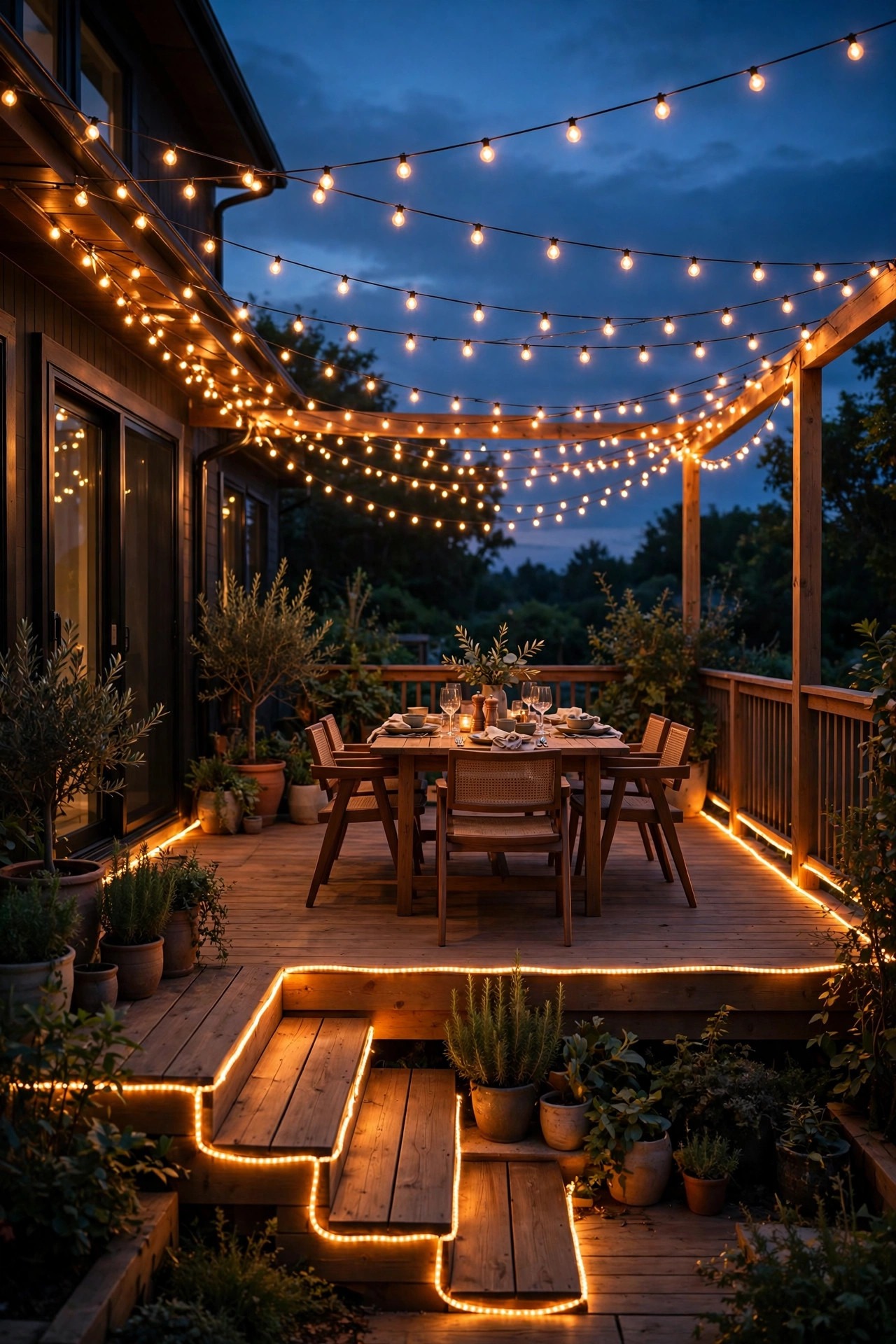
Rope light wins every job that is about edges. Under a deck's top rail it throws a soft wash down the balusters. Along step nosings it marks each tread without a single visible fixture. It traces pergola beams, bench undersides, garden bed borders, and the coping line of a raised spa with a draftsman's precision. Because the light is indirect, it guides feet beautifully and never glares into eyes at ankle height. If a space has a line, rope can underline it.
The honest summary: strings light the room, rope lights the route. Most patios need both a room and a route, which is why the layered answer keeps winning. For a gallery of what the edge treatment can look like, browse these outdoor rope light ideas before you plan your runs.
Brightness: Which One Actually Lights the Table?
This is where the two products stop being interchangeable. A typical LED string bulb puts out a small but real pool of light in every direction, and a full strand over a table adds up to genuinely useful illumination — enough to serve dinner, read a menu, and see everyone's faces flatteringly. Hung 7 to 8 feet over the table, strings are a lighting fixture, not just a decoration.
Rope light plays a different game. Its diodes sit behind a diffused tube, so the light spreads evenly but softly, and the perceived brightness at any one spot is low. That is perfect for marking a step edge at midnight and disappointing over a grill station. If you set a plate of food under rope light alone, the meal looks dim and a little flat, because the light skims surfaces instead of filling the space.
My working rule: if a human activity happens there — eating, cooking, cards, conversation — it needs strings or another real fixture overhead. If the job is simply "do not trip and do not lose the edge of the deck," rope does it with less glare than anything else I have tried. Judge rope by the foot and strings by the bulb, and never expect one to impersonate the other.

Installation: Guide Wires, Spans, Clips and Channels
String lights ask for anchors and a little math. Short runs under about 15 feet can hang from their own cord between two solid points, but longer spans deserve a guide wire: a thin steel cable strung tight with turnbuckles, with the strand clipped to it so the wire carries the weight and the cord just carries the current. Where no wall or tree exists, dedicated poles solve it — my roundup of patio string light pole ideas covers planter poles, fence-post mounts, and permanent posts. Always order 20 to 30 percent more length than the straight-line distance, because the swag eats cord faster than anyone expects. A canopy goes up in an afternoon with a ladder and a helper.
Rope light installs slower but sits more permanently. It mounts with small clips every 12 to 18 inches, or better, inside an aluminum channel that holds it dead straight and hides the tube. It can only be cut at marked cut points — usually every 18 to 36 inches — and every cut needs a connector, an end cap, and a dab of sealant. It bends around corners happily within its bend radius, follows curved bed edges beautifully, and never sags if the clips are close. Measure twice, because a rope cut two inches short has no stretch left in it.
Durability and Failure: One Bulb Out vs a Dead Section
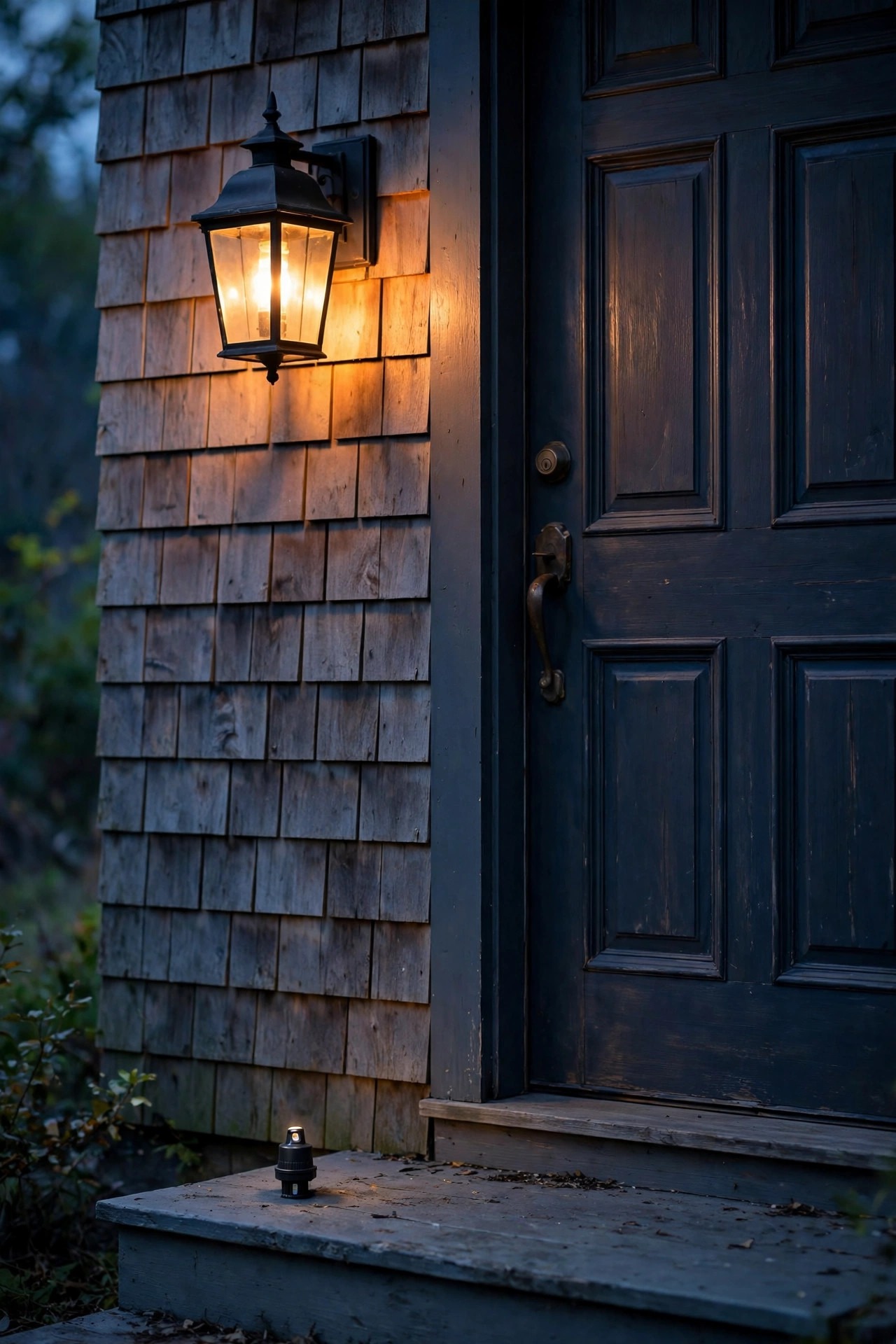
In my experience, string lights age gracefully. A commercial-grade strand shrugs off seasons of rain, and when a bulb finally dies you unscrew it and twist in a spare — a two-minute fix, and on parallel-wired strands the rest stay lit in the meantime. Shatterproof plastic bulbs survive drops onto concrete that would end a glass bulb. The weak points are the sockets and the plug, so I store strands coiled loosely and keep connections off the ground.
Rope light fails differently. The sealed tube is genuinely tough — dirt and water stay out, and there are no sockets to corrode. But the diodes inside are wired in series sections, so one failed diode can darken a whole section of tube, often a run of two or three feet, and there is no opening it up to fix it. Cheap tubing also yellows in strong sun after a few seasons, turning a warm white line faintly amber, and cut ends are where moisture eventually sneaks in.
So the trade is serviceability versus sealed toughness. Strings demand tiny, easy repairs now and then. Rope asks for nothing — until the day it asks for a whole new run.
Dimming and Color Options
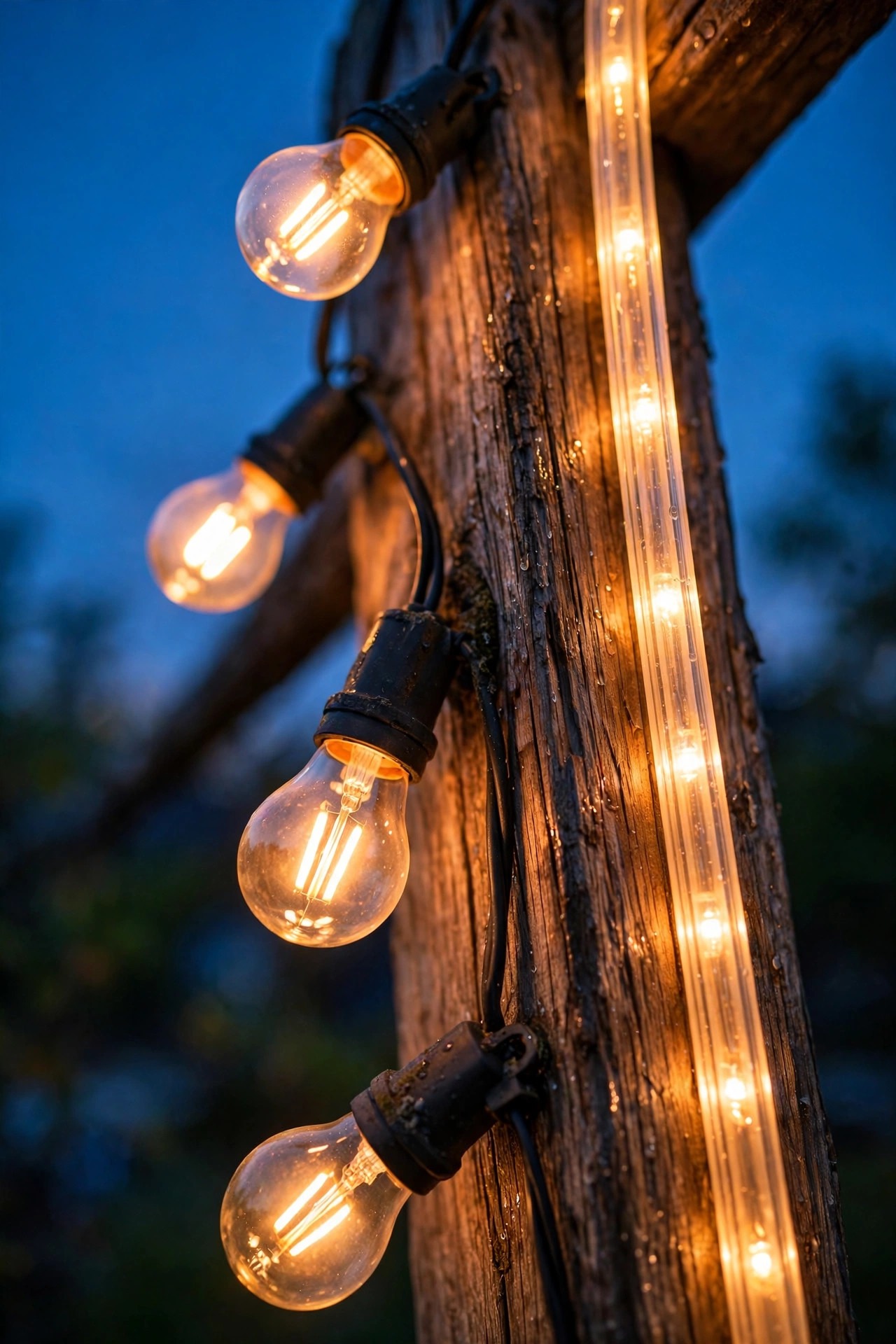
Mood control is where strings pull ahead for entertainers. Dimmable LED filament bulbs on a simple plug-in dimmer sweep from full dinner brightness down to a candlelit murmur, and that range changes the whole personality of a patio in one slide. You can also restyle a strand by swapping bulbs — clear to frosted, warm to amber — and colored bulbs turn the same canopy into holiday mode in December. Just confirm the bulbs are rated dimmable, because the cheapest LED bulbs will buzz or flicker on a dimmer.
Rope light can dim too, but it is pickier. Many LED ropes need a compatible controller rather than a standard wall dimmer, and the wrong pairing shows up as flicker or a rope that only dims halfway. Where rope shines is color: color-changing rope with a remote lets you zone a deck edge in warm white for dinner and wash it teal or violet for a party, all from one installed run.
Whichever you choose, match color temperatures across the patio. A 2700K canopy over a 5000K rope line reads as a mistake, not a design. One more practical note: put strings and rope on separate plugs or controls when you can, because the best dinner setting is usually strings dimmed to half glow with the rope line still at full — two different moods that deserve two different dials.
Safety and Warmth to Touch
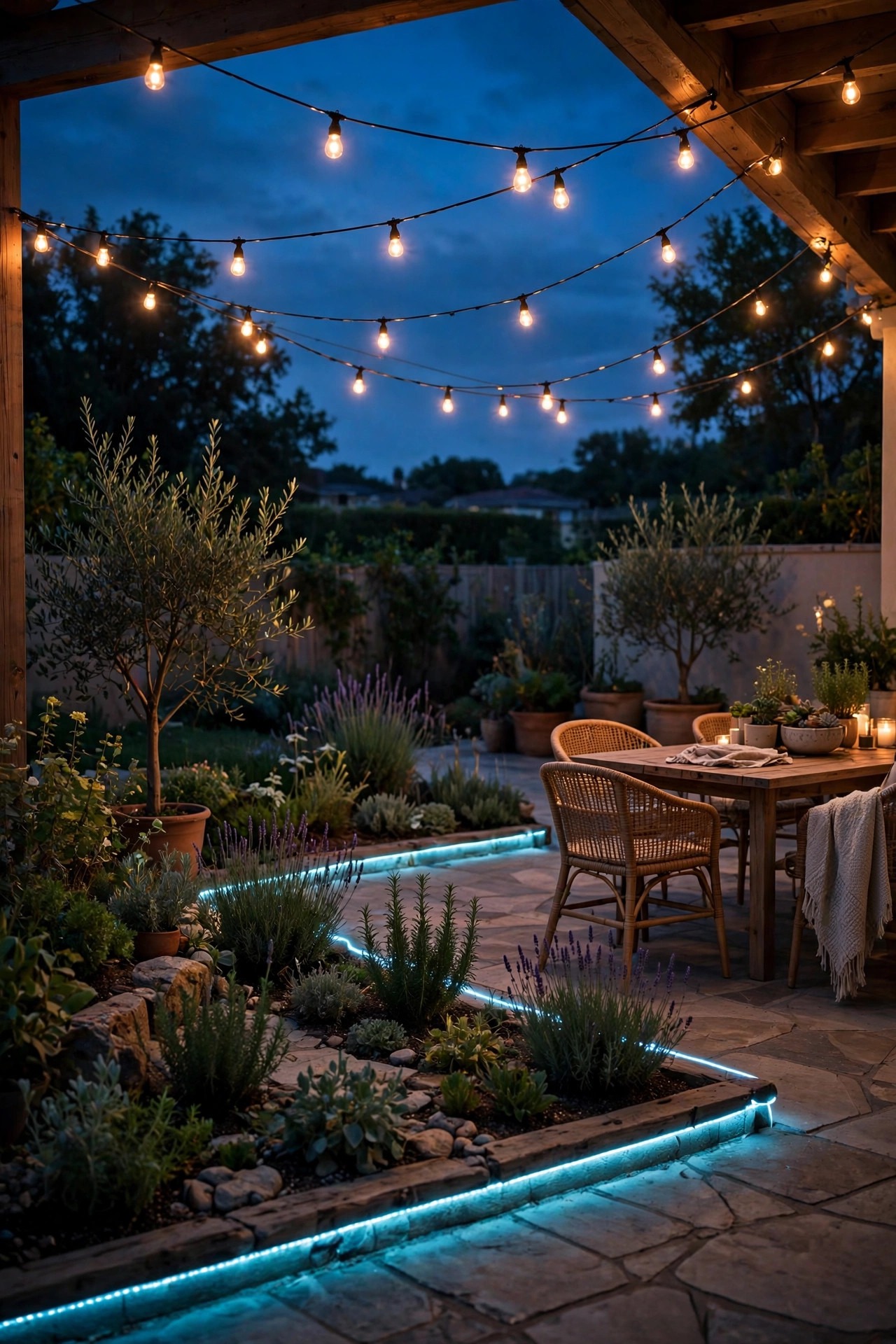
Both products are at their safest in LED form. LED bulbs and LED rope stay cool to the touch, which matters anywhere hands, kids, or chair backs brush against the light — under a handrail is the classic example, and it is a job I would only ever give to rope or low-voltage lighting. The older incandescent rope ran noticeably warm, and draping it against dry wood mulch or fabric was a genuinely bad idea; if you inherit an old tube, check its temperature after an hour before trusting it anywhere near anything flammable.
The shared rules are simple. Plug everything into a GFCI-protected outdoor outlet, keep plugs and connections raised off wet ground with a drip loop, and never run a staple through any cord — string or rope — to hold it up. Use the clips and channels made for the job. Check that everything is rated for outdoor or wet locations, keep line-voltage runs away from pool water unless the product is specifically rated and local code allows it, and give connections a quick inspection each spring. Light should be the least dramatic thing in your yard. And if a run ever feels warm to the touch or a plug looks scorched or brittle, unplug it first and investigate later — pretty light is never worth a worry.

Storage and Seasonal Use
String lights are the travelers. They come down in minutes, coil onto a reel or a flat piece of cardboard, and store in a single bin — which makes seasonal play easy. I swap clear bulbs for amber in October and add a colored strand at the holidays, then put everything back before spring. That flexibility is a real lifestyle advantage if you like to restyle, rent your home, or simply refuse to commit.
Rope light prefers to be a permanent resident. Installed in its channel, it can live outside year-round and ask for nothing, and honestly that set-and-forget quality is its biggest lifestyle win. The mistake is treating it like a string: coiling and uncoiling a rope every season stresses the tube, invites kinks at the connectors, and quietly cancels the durability you paid for. If you must store it, coil it in big, lazy loops — never tight ones.
Left up all year, both age. Sun works on string sockets and rope tubing alike, so a covered patio or pergola extends the life of either choice. My own compromise: the rope stays up permanently in its channel, and the strings rotate with the seasons, which gives me one fresh look a year without a single new purchase.

What It Costs in 2026
Let me put honest numbers on both, because the sticker gap surprises people. A basic residential string strand runs about $20 to $40 for 25 to 48 feet, and commercial-grade strands with replaceable bulbs cost $50 to $90 for the same lengths. Add $15 to $30 for a guide wire kit and $25 to $60 per pole if you need them, plus $15 to $25 for a plug-in dimmer.
LED rope sells by the foot: roughly $1 to $3 per foot, so a 50-foot spool lands around $40 to $90, with mounting clips or channel adding $0.50 to $1 per foot and power kits or connectors at $8 to $15 each.
Running costs are tiny either way. A 48-foot LED string strand sipping about 25 watts, run five hours a night, uses roughly 0.125 kilowatt-hours nightly — about $0.02 a night at a typical residential rate, or near $7 a year. A 50-foot rope at about a watt per foot costs closer to $14 a year on the same schedule.
All in, a strings-only canopy usually totals $80 to $150, a rope-only edge outline $70 to $130, and the layered combination most people end up loving runs $150 to $280.
5 Mistakes That Ruin the Effect
Mistake one: swagging rope light overhead like a string. The tube is too stiff and heavy for spans, sags between its clips, and ends up looking like a glowing clothesline. Rope wants support every foot or so — give spans to strings.
Mistake two: using strings as step lighting. Bulbs hung at ankle height glare straight into your eyes and light nothing useful, while the tread itself stays dark. Steps want a low line of light at the edge, which is rope's home turf.
Mistake three: kinking the rope. A sharp fold cracks the tube, stresses the conductors, and can kill the section beyond the bend. Respect the bend radius and use corner connectors where a run turns hard.
Mistake four: forgetting the swag allowance. Measure the straight-line distance, order exactly that much string, and you will come up short every time — the curves eat 20 to 30 percent. Strings need slack to look right.
Mistake five: mixing color temperatures. Warm strings over a bluish rope line, or the reverse, makes the whole patio look patched together. Buy both at 2700K and the layers will read as one design. Avoid those five and the two products stop competing and start cooperating — which is the whole point of using them together.
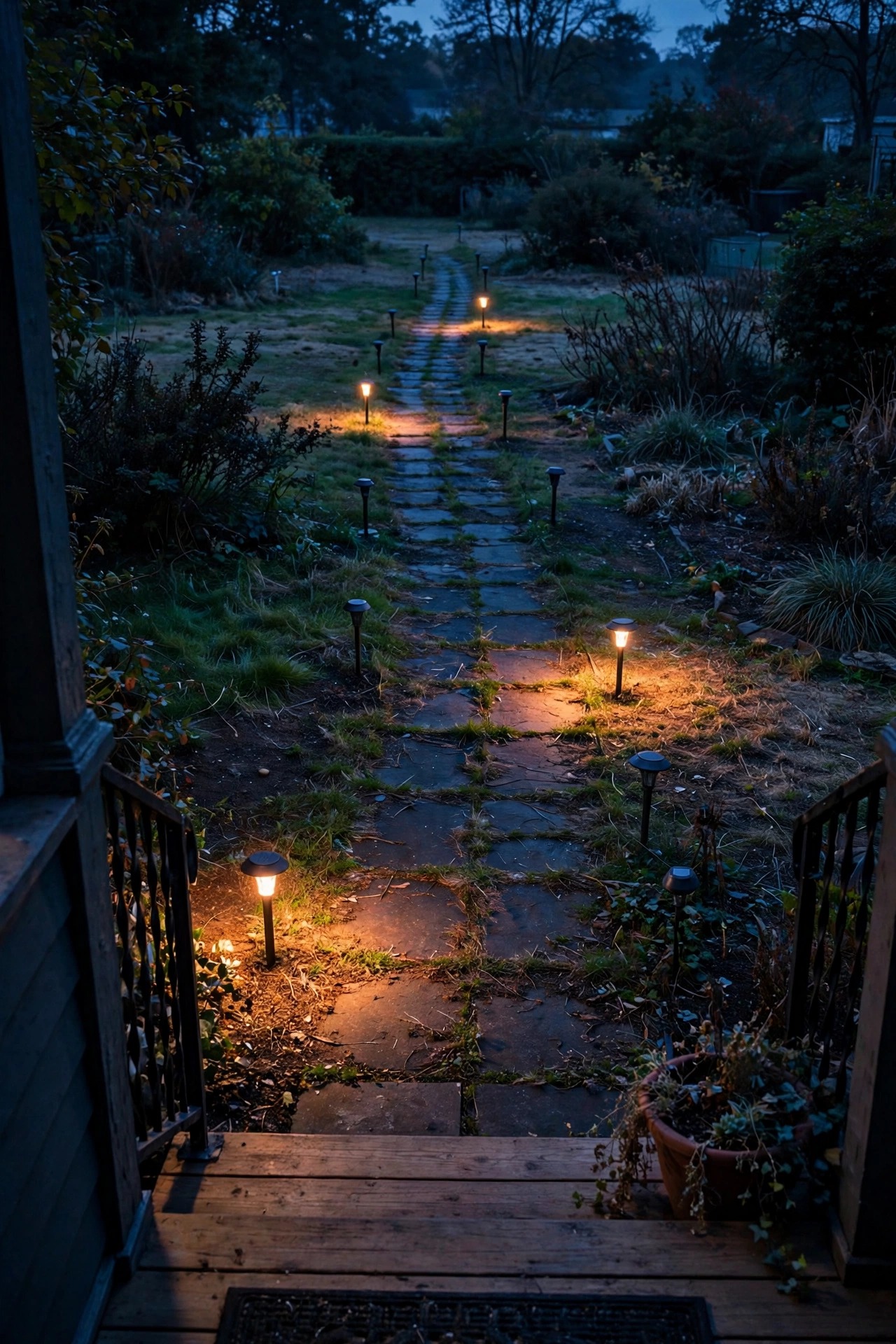
The Verdict on String Lights vs Rope Lights: Layer Them
After three patios and more strands than I can count, my verdict is boring in the best way: these two products are not rivals, they are layers. Strings are atmosphere plus genuinely useful light, hung where people gather. Rope is architecture plus wayfinding, run where feet travel. A patio with only strings has nowhere for the eye to land at ground level; a patio with only rope feels lit but never festive.
There are honest exceptions. A tiny balcony with one short span should start with strings and skip rope entirely. A modern deck with wide steps and no overhead structure should start with rope in channels, then add strings later if a pergola arrives. But for the classic rectangular patio where most of us actually live, strings over the table and rope along the edges is the combination I recommend to every friend who asks — and the one I keep choosing for myself. The layered approach also stages nicely across a season: hang the canopy this month, add the edge lighting next month, and let the patio improve in steps instead of one big push. Either way, measure your spans and your edges before you buy anything, keep the receipts until the first dusk test, and the products will do the rest.
Frequently Asked Questions
Can rope lights be hung overhead like string lights?
Physically, yes — with clips every foot or so, a rope will stay up. In practice it sags between clips, cannot form those graceful curves, and reads as rigid instead of romantic. Overhead spans are what string lights are built for; save rope for surfaces it can hug.
Which lasts longer outdoors, strings or rope?
The diodes themselves live similar lives. The difference is failure style: strings let you replace one bulb in minutes, while rope usually needs a section or a whole run replaced when diodes fail. Sealed rope handles weather abuse slightly better day to day, so the honest answer is a tie decided by how you feel about repairs.
Is rope light bright enough to light a whole patio?
No, and it is not trying to be. Rope is accent and wayfinding light — it marks edges, steps, and lines beautifully, but faces and food need a real overhead source. Pair it with strings above and the combination covers both jobs.
Can I cut rope light to fit my deck exactly?
Yes, but only at the marked cut points printed along the tube, typically every 18 to 36 inches, and every cut needs the matching connector and a sealed end cap. Cut anywhere else and you will darken the section. String lights cannot be cut at all, but strands connect end to end, so you size them by the strand.
Conclusion
After all the measuring, clipping, and swapping, my string lights vs rope lights answer never really changes: let the strings do the sparkling overhead, and let the rope draw the quiet lines that keep everyone safe on the steps. Match the product to the job and your patio stops looking decorated and starts looking designed. If you are starting from zero this weekend, hang one strand over the table first — dinner outside will sell you on the rest. Browse the ideas galleries here whenever you need a nudge, and enjoy the glow.