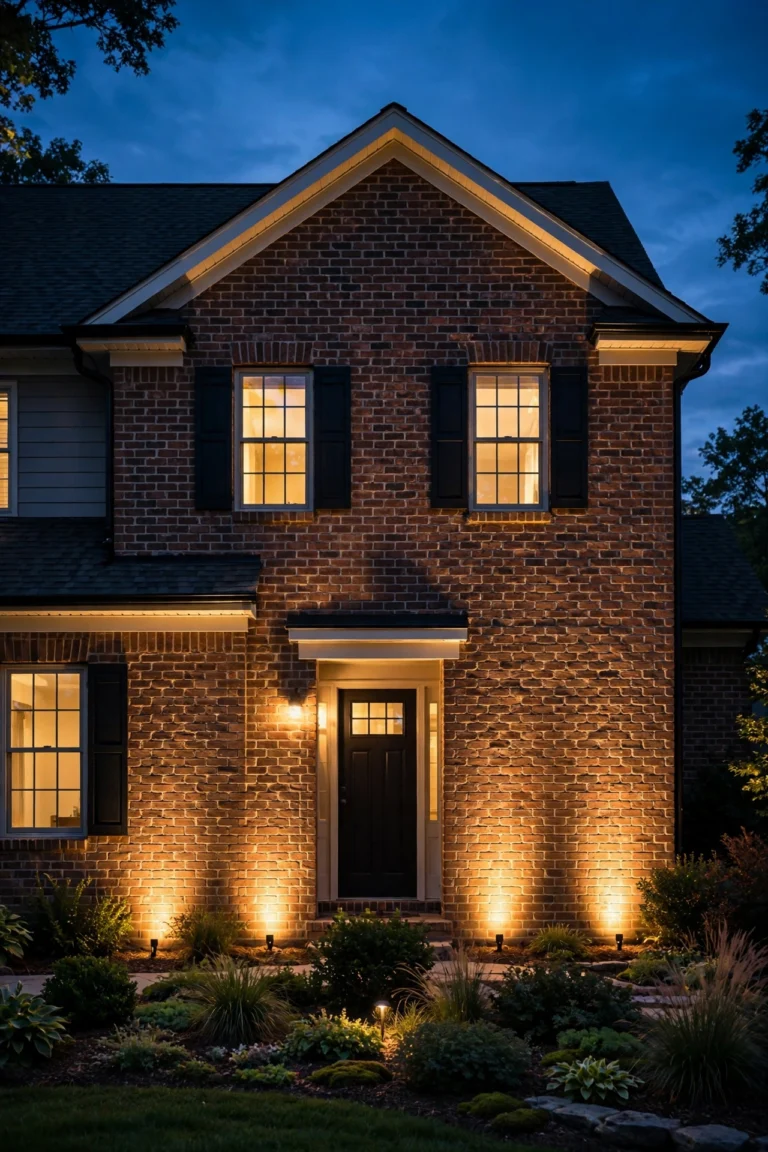
There is a special kind of joy in turning the porch lights on without getting up. It is raining, the delivery driver is two minutes away, and instead of padding to the door in your socks, you tap your phone or simply ask out loud, and the whole entry starts to glow. That little luxury is exactly why I fell for smart porch lighting ideas in the first place: they take the layered porch lighting I already loved and put every layer on a schedule, a sensor, or a simple voice command. In my experience, a smart porch is never about gadgets for their own sake. It is about light that shows up exactly when you need it: a warm welcome when you pull into the driveway, a soft pool of light for evening packages, and a porch that looks happily lived-in even when you are two states away. In this post I will walk you through 17 ways to build that kind of porch, from five-minute bulb swaps to whole-porch routines that basically run themselves. Most use the fixtures you already own, and every single one is couch-approved.
1. Start With Three Layers: A Smart Porch Lighting Ideas Game Plan
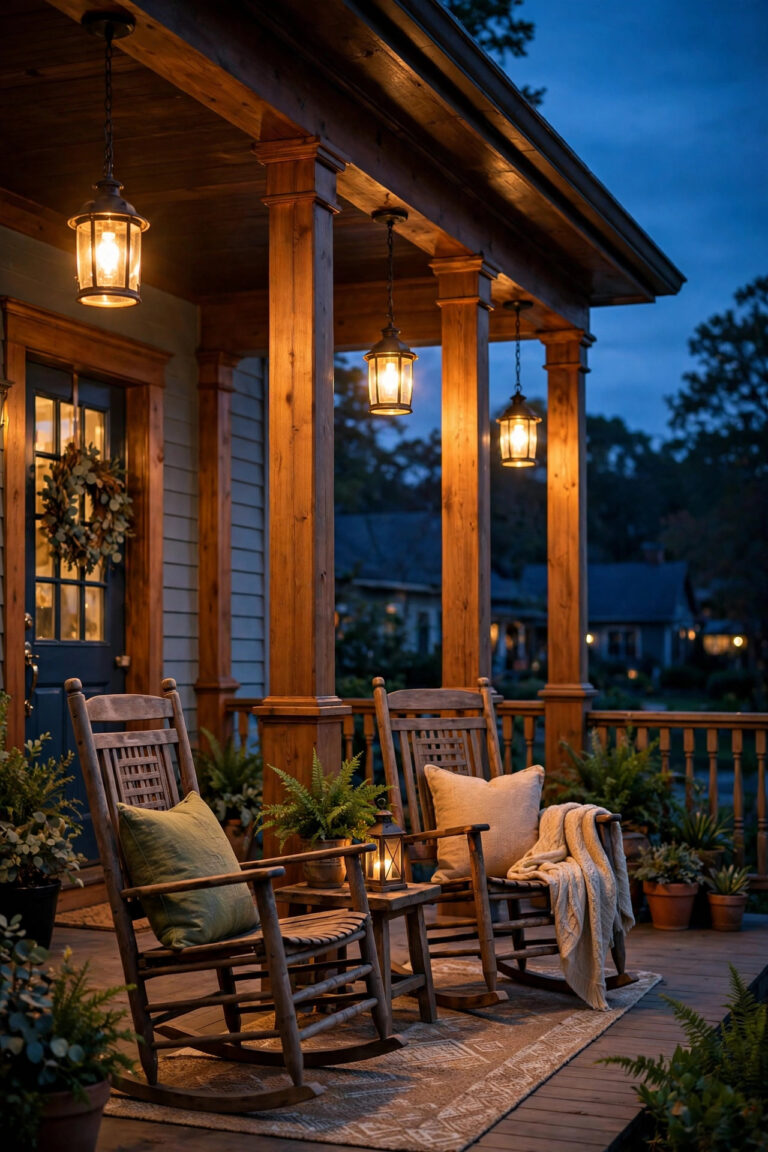
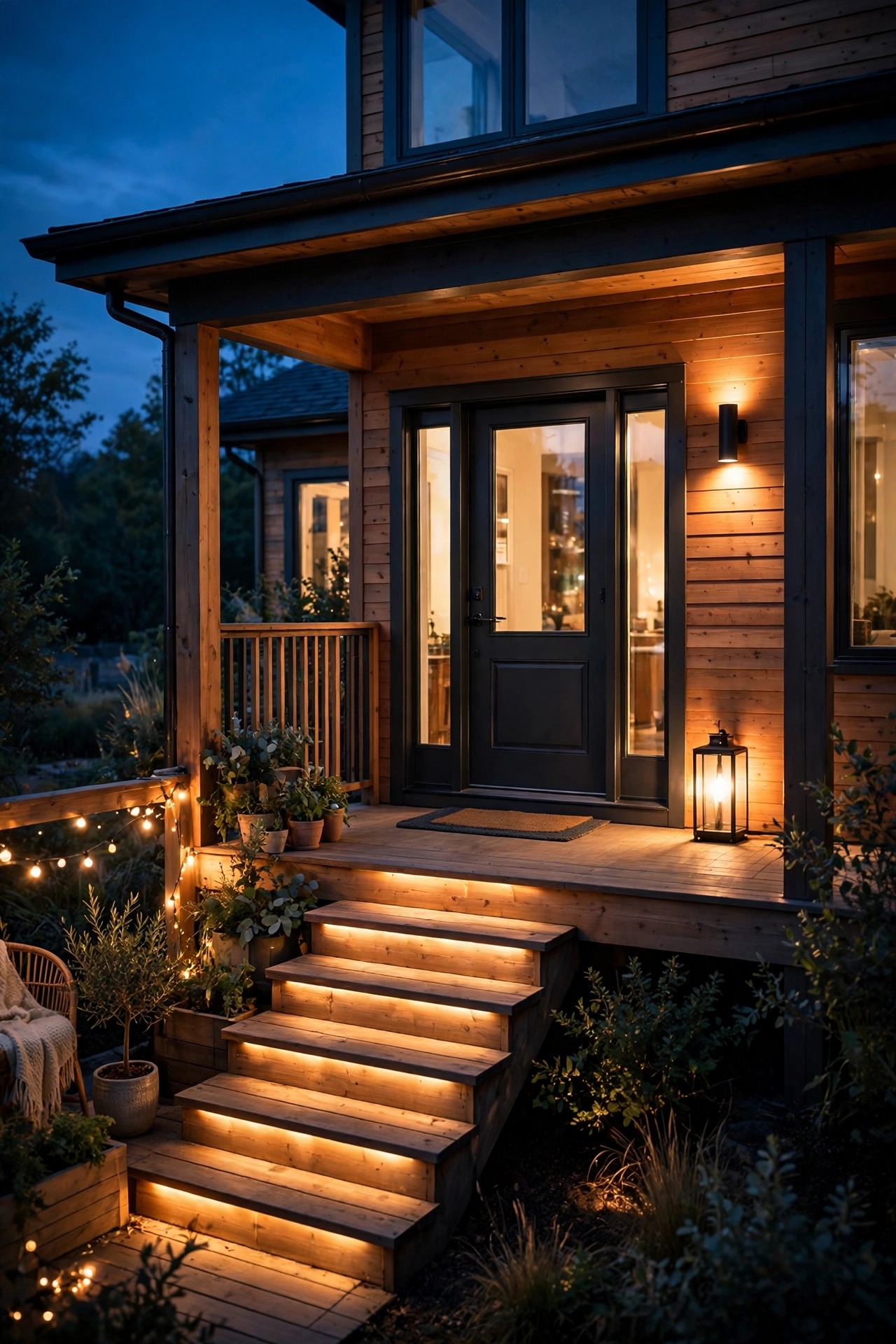
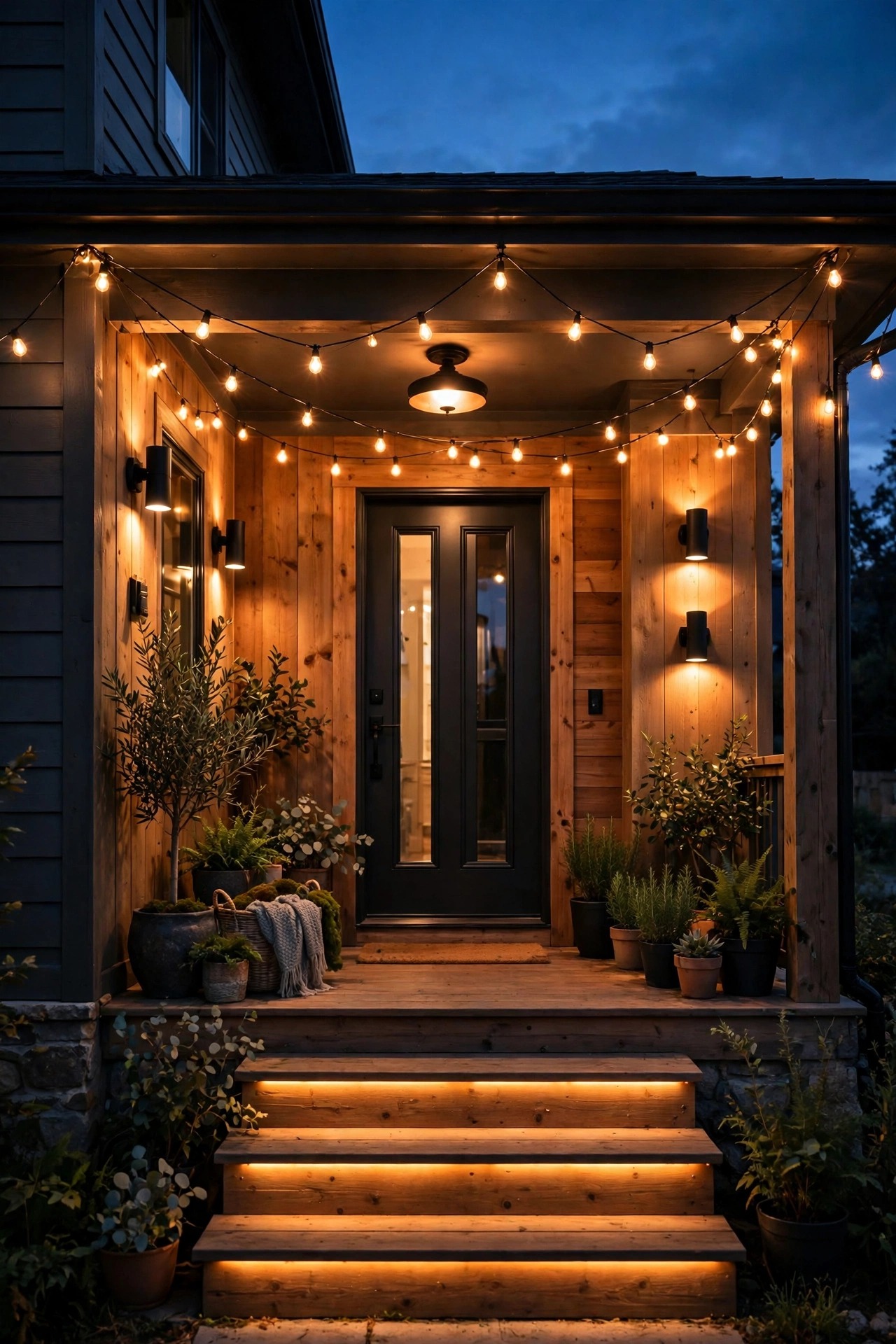
Before you buy a single smart bulb, steal the trick every good porch uses: layering. I plan my porches in three layers. The first is welcome light, the sconces or lantern beside the door that make the entry feel friendly. The second is task light, a brighter source over the steps, the house numbers, and the lock, so nobody fumbles. The third is the pretty layer: string lights, a lantern on the step, maybe a soft wash over a wreath or planter. Smart porch lighting ideas work best when each layer gets its own control, because you rarely want all three at full blast. Put the welcome layer on a schedule, the task layer on a motion sensor, and the pretty layer on a smart plug you tap when friends come over. That split is the whole secret: instead of one blazing porch light, you get scenes that match the moment. Walk your porch at dusk before you shop, note which existing fixtures belong to which layer, and check that your Wi-Fi signal reaches the front door (hold your phone by the lockset; two bars is plenty). Everything else in this post builds on that simple plan. Suggested budget range: $0 – $50.

2. Swap In Smart Bulbs and Keep Your Favorite Sconces
The fastest smart upgrade on any porch is also the cheapest: unscrew the bulbs you have and screw in smart bulbs instead. Your beloved lantern sconces stay exactly where they are; they just gain superpowers. From the app you can dim them for a soft evening glow, warm the color temperature down to a candle-like 2200K, or schedule them to fade up at sunset like they are happy to see you. A few honest tips from my own porch: choose bulbs rated for enclosed fixtures if your sconce has a closed shade, because smart bulbs run warm electronics inside the base. Check the bulb shape, too; a slim candle-style bulb fits older lantern housings better than a chunky globe. And leave the wall switch on. Smart bulbs need constant power to hear your commands, so the switch becomes an emergency backup rather than the main control. If family members keep flipping it off out of habit, a little switch guard (about five dollars) ends the battle. Two bulbs will smarten most porches, and because nothing gets rewired, this is my go-to recommendation for renters and the commitment-shy alike. Suggested budget range: $20 – $60.
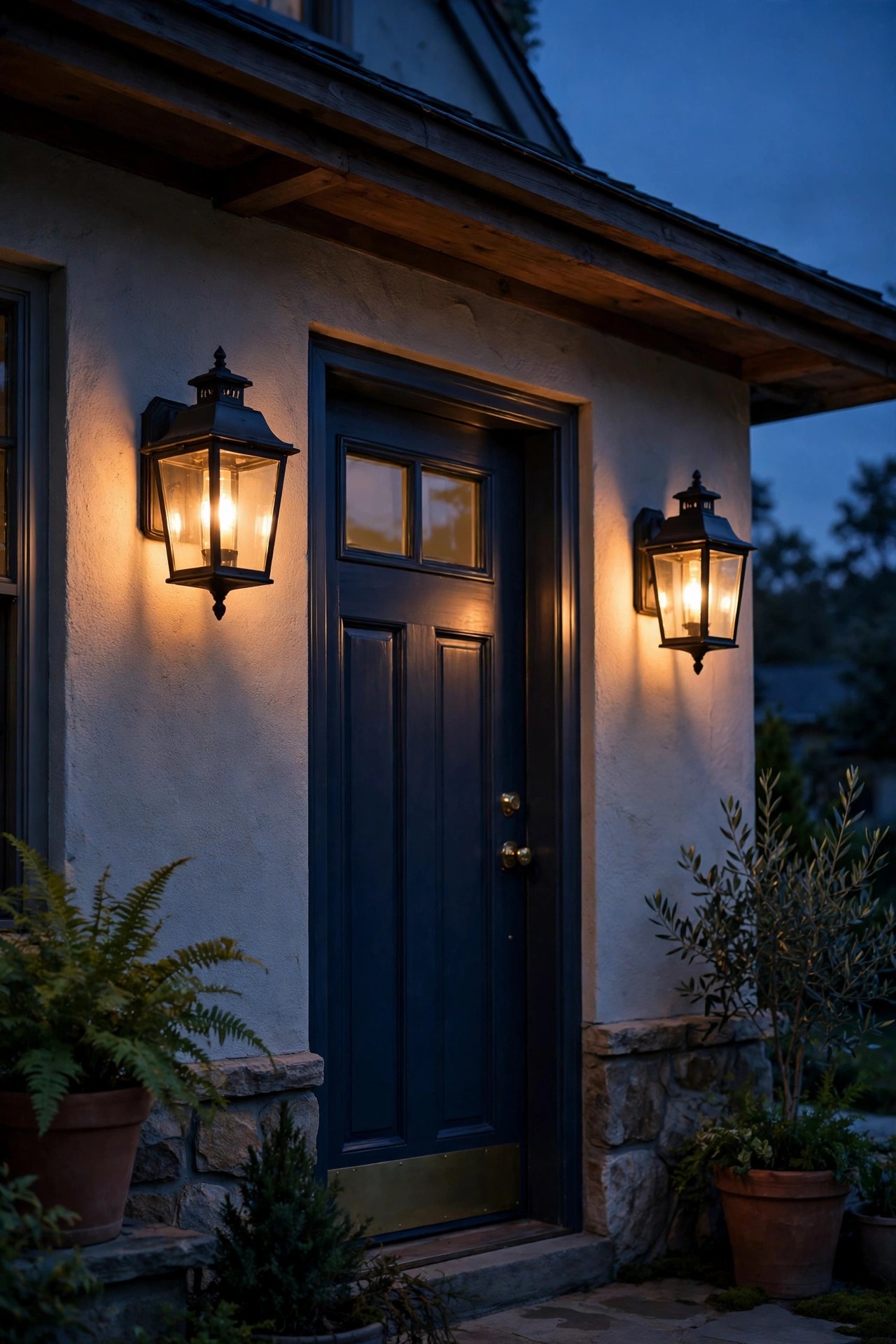
3. Choose a Smart Switch When the Fixtures Are the Stars
Sometimes the bulbs are not the problem; the fixture is. If your porch has a beautiful ceiling fixture with odd-sized bulbs, or a row of matching lanterns you would never replace, put the smarts in the wall switch instead. A smart switch controls whatever bulbs live in the fixture, dumb or fancy, and it behaves like a normal switch for guests who just want to tap something. This is also the tidier option when one switch runs three or four fixtures at once, because you buy one device instead of a basket of bulbs. The honest trade-offs: most smart switches need a neutral wire in the switch box, which older homes sometimes lack, and the install means turning off the breaker and swapping wires, a 20-minute job for a confident DIYer or a quick call to an electrician. I weighed both routes for my own porch in our smart switch vs. smart bulb comparison, and the short version is this: bulbs win for renters and single fixtures, switches win for fixture groups and households that love a physical switch. Either way, the couch stays your command center. Suggested budget range: $25 – $70.
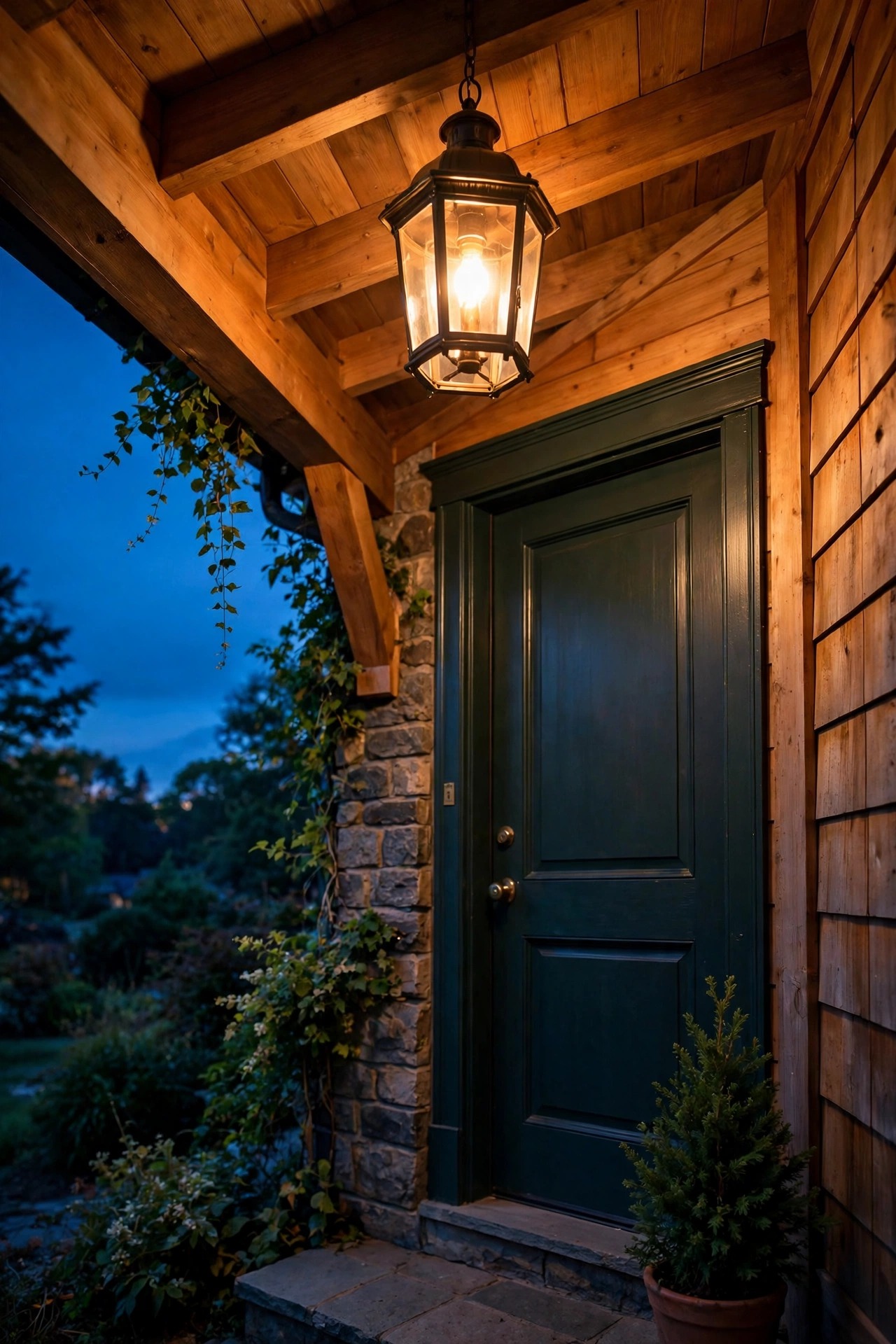
4. Talk to Your Porch: Voice Control From the Couch
This is the idea that sells everyone, so let me just say it plainly: "turn on the porch lights" is a genuinely delightful sentence to say from under a blanket. Any smart speaker or voice assistant you already own can act as the porch remote. Link your bulbs, switch, or plugs in the assistant app once, give the group a friendly name like "Porch," and from then on your voice does the walking. I use it most on package nights ("porch to fifty percent" so the driver can see the step), when my hands are full of groceries, and when I hear a noise outside and want the whole entry lit without leaving the sofa. A few setup habits make voice control feel magical instead of glitchy. Name lights the way you actually talk: "door lantern" beats "Sconce Left B." Keep the porch group separate from the backyard group so one command does not light up the whole property like a stadium. And set a quiet default brightness, around 60 percent, so a sleepy midnight command does not blast your eyes. It takes ten minutes to configure and pays you back every single evening. Suggested budget range: $0 – $50.
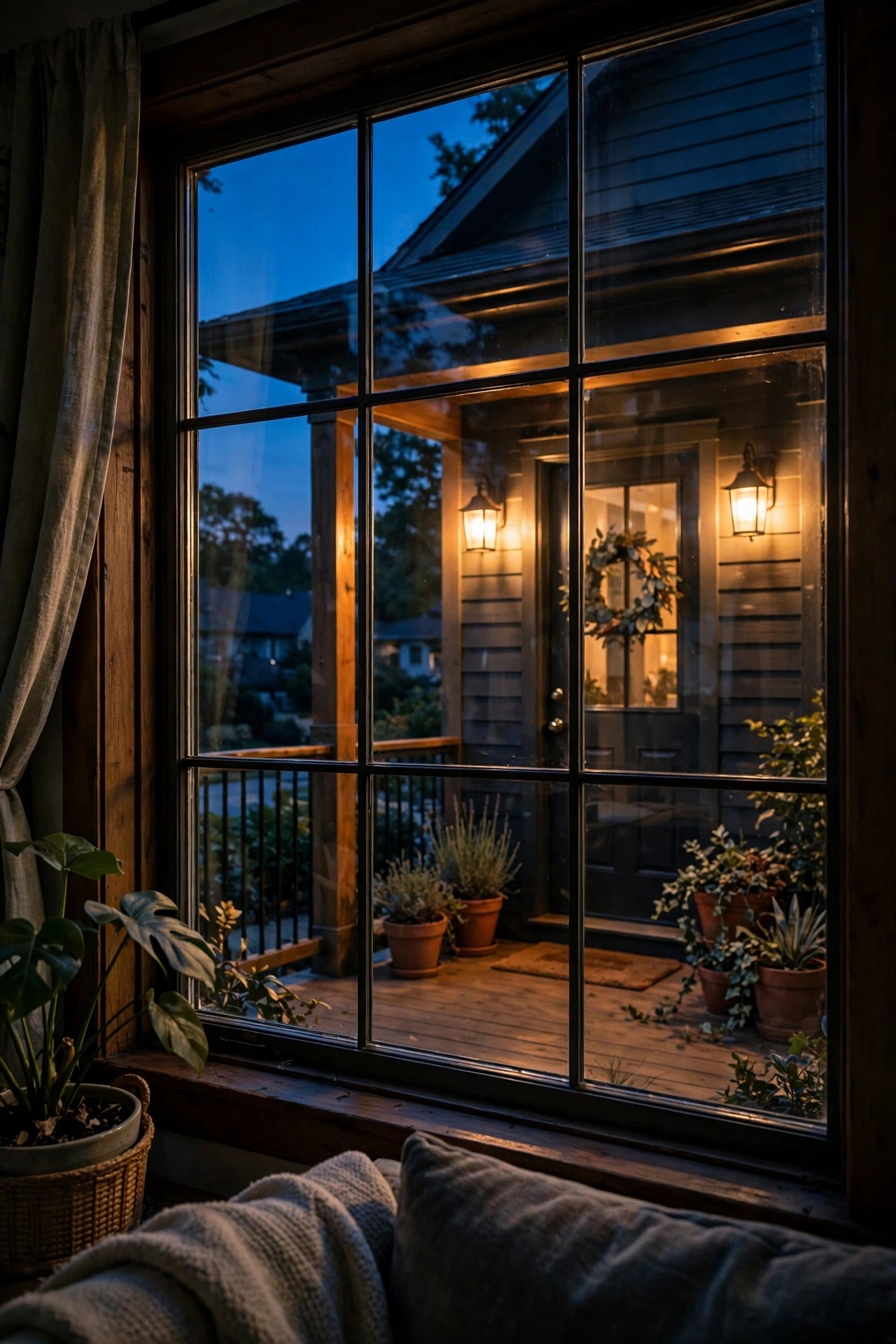
5. Motion-Sensor Lights That Greet You at the Gate
A motion sensor is the hardest-working member of the smart porch family. Instead of burning all evening, the light sleeps until someone actually arrives, then welcomes them with a warm pool of light. Smart versions beat the old hardware-store floods in two ways: you can adjust sensitivity and brightness from the app (no ladder, no tiny dials), and the light can trigger other things, like turning on the porch sconces or sending your phone a gentle heads-up. Placement matters more than price. Mount the sensor 6 to 8 feet high, aimed across the walkway rather than straight down it, so it catches cross-traffic instead of headlights. Keep the detection zone inside your own yard; a sensor that fires for every passing car will train you to ignore it. I like a soft 40 percent glow that ramps up when motion is detected, then fades after two quiet minutes. Our motion sensor outdoor lights guide covers aiming angles in more detail if your porch shape is tricky. On my porch, this single change cut our overnight light use dramatically while making late arrivals feel safer and more welcoming. Suggested budget range: $30 – $90.
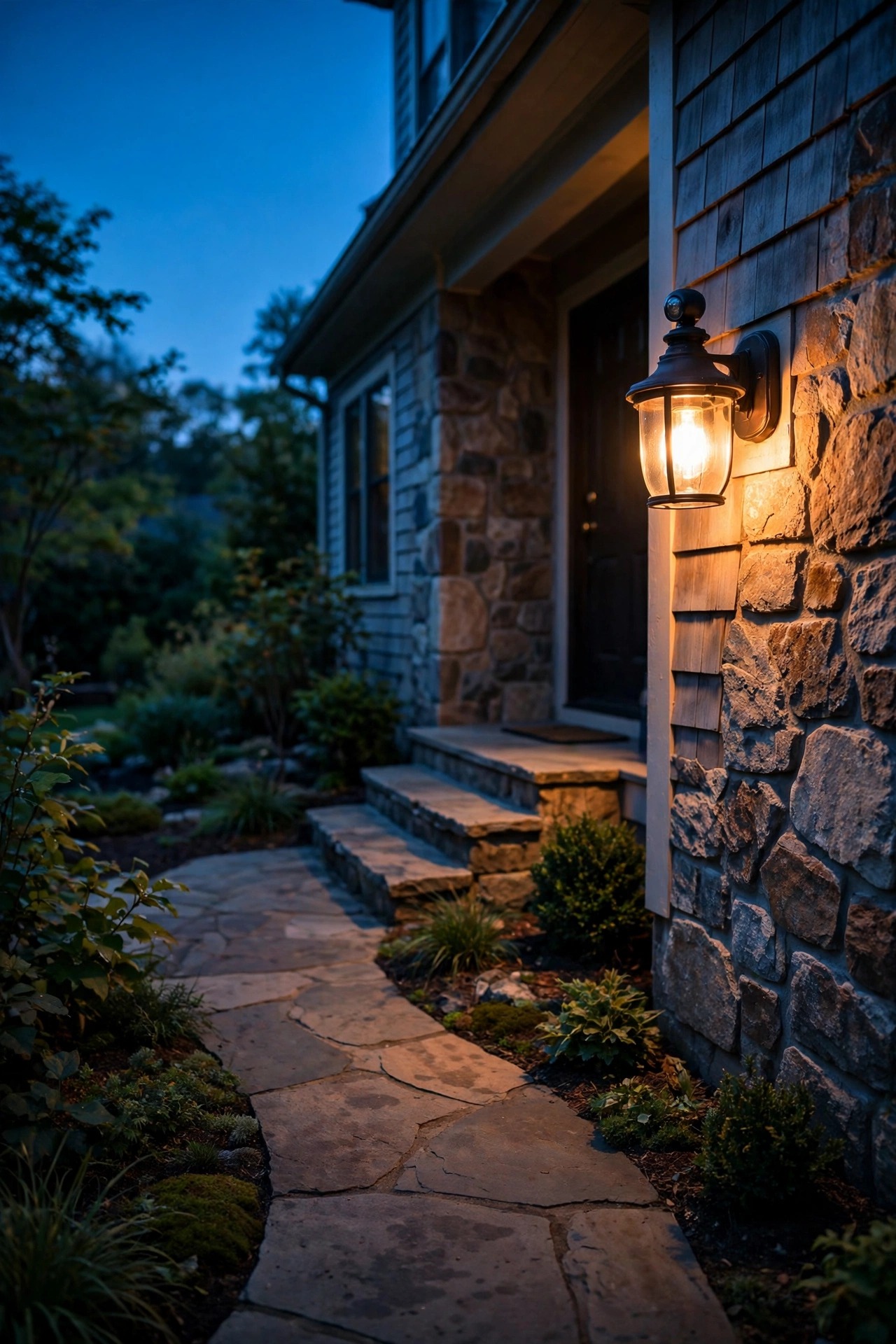
6. Pair a Video Doorbell With Lights That Answer the Door
A video doorbell sees the porch; smart lights let the porch respond. Link the two and a press of the doorbell (or motion at the door) can bring the sconces up to full brightness, so the camera view is well lit and your visitor feels acknowledged before you even pick up your phone. From the couch, this feels like pure magic: the doorbell chimes, the porch brightens, and you can see exactly who is standing there in crisp, warm light instead of a grainy gray shadow. Set it up thoughtfully, though. Lights that snap on for every moth and passing cat will drain the charm fast, so use the doorbell's person detection if it offers it, and keep the light trigger to the door zone only. A two-minute auto-off keeps things polite for neighbors. I also suggest a gentler brightness after 10 p.m., bright enough for the camera, soft enough not to glare through a visitor's eyes. There is a safety bonus here too: a porch that lights itself up when someone approaches looks occupied and attentive, which is exactly the impression you want whether you are home on the sofa or away for the weekend. Suggested budget range: $70 – $200.

7. Set a Dusk-to-Dawn Schedule and Forget the Switch
If you only adopt one smart porch habit, make it this one: a schedule that follows the sun. Most apps offer a sunset-to-sunrise mode (sometimes called astronomical timing) that quietly adjusts itself all year, so your porch lights come on a little earlier in December and linger later in June without you touching a thing. I run my welcome sconces at 70 percent from sunset until 11 p.m., then let them drop to a 20 percent security glow until sunrise. That low overnight level costs pennies, keeps the steps visible for early risers, and never gives the street that harsh all-night glare. A few refinements worth stealing: add a 15-minute offset so the lights come on just before true dark, when the porch actually starts to feel dim. Give weekends a slightly longer full-bright window if you entertain. And if your app supports it, randomize the off-time by a few minutes so the pattern never looks robotic. Honestly, this is the feature that made my porch feel professionally designed. Nobody sees a timer working; they just notice that the house always looks awake at exactly the right moment. Suggested budget range: $0 – $40.
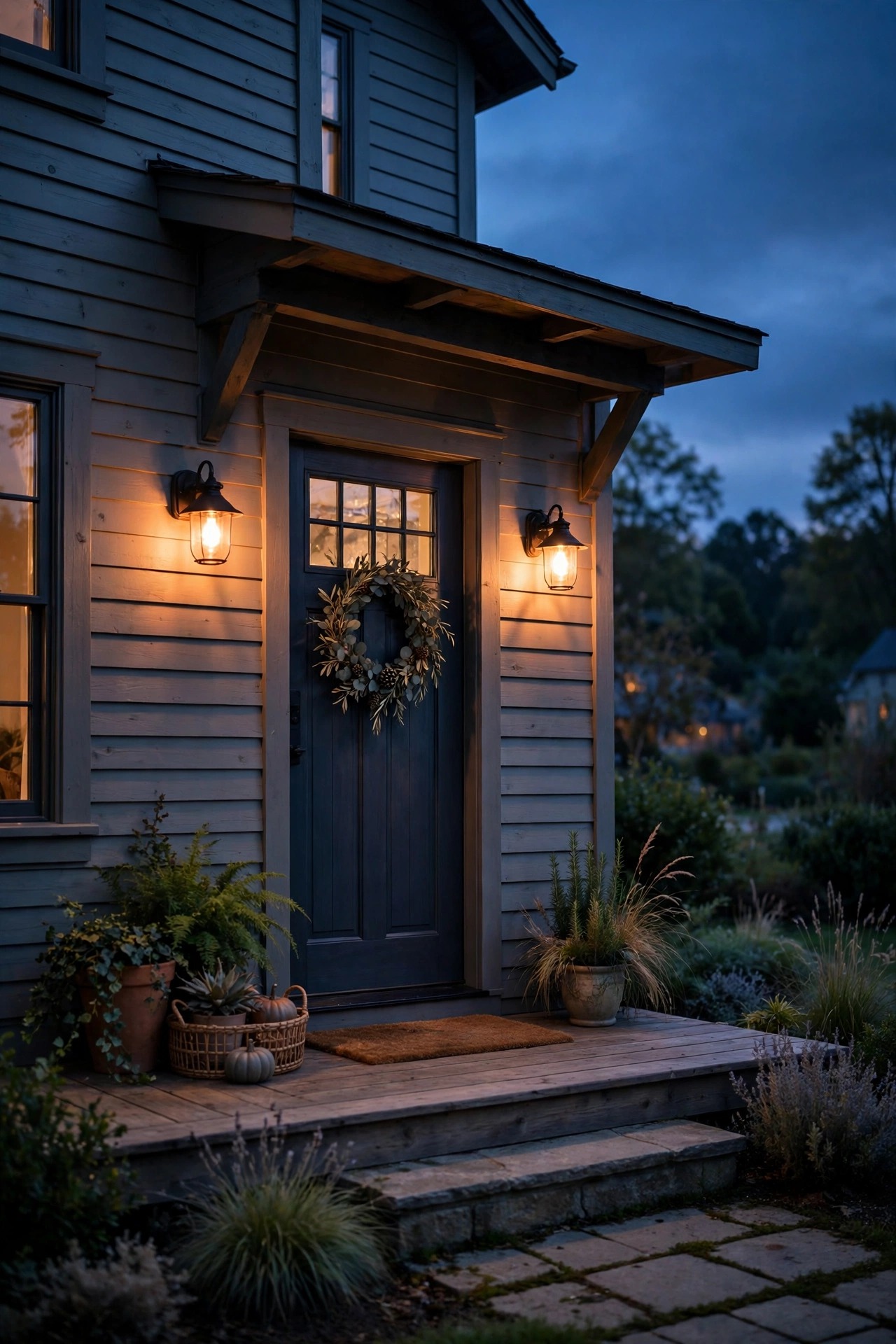
8. Put String Lights and Lanterns on a Smart Plug
Not everything on the porch needs to be born smart. The café string lights over my porch swing and the little lantern on the step are gloriously dumb, and a weatherproof smart plug makes them brilliant. Plug the strand into the smart plug, the smart plug into the outlet, and suddenly those lights join your schedules, scenes, and voice commands like they were smart all along. This is the cheapest way to add a "pretty layer" to your porch, and it works for holiday inflatables' lighting, lit wreaths, and rope lights along the railing too. Two buying notes: choose a plug specifically rated for outdoor use, with a weather-resistant housing and a downward-facing outlet if it will live in the rain, and check the wattage rating against your strand (LED strings sip power, so almost any plug handles them; old incandescent strands deserve a check). I keep a shortlist of features that count in our roundup of the best outdoor smart plugs and timers. Mount the plug at least a foot off the ground and loop the cord downward so water drips off instead of creeping in. Suggested budget range: $15 – $35.
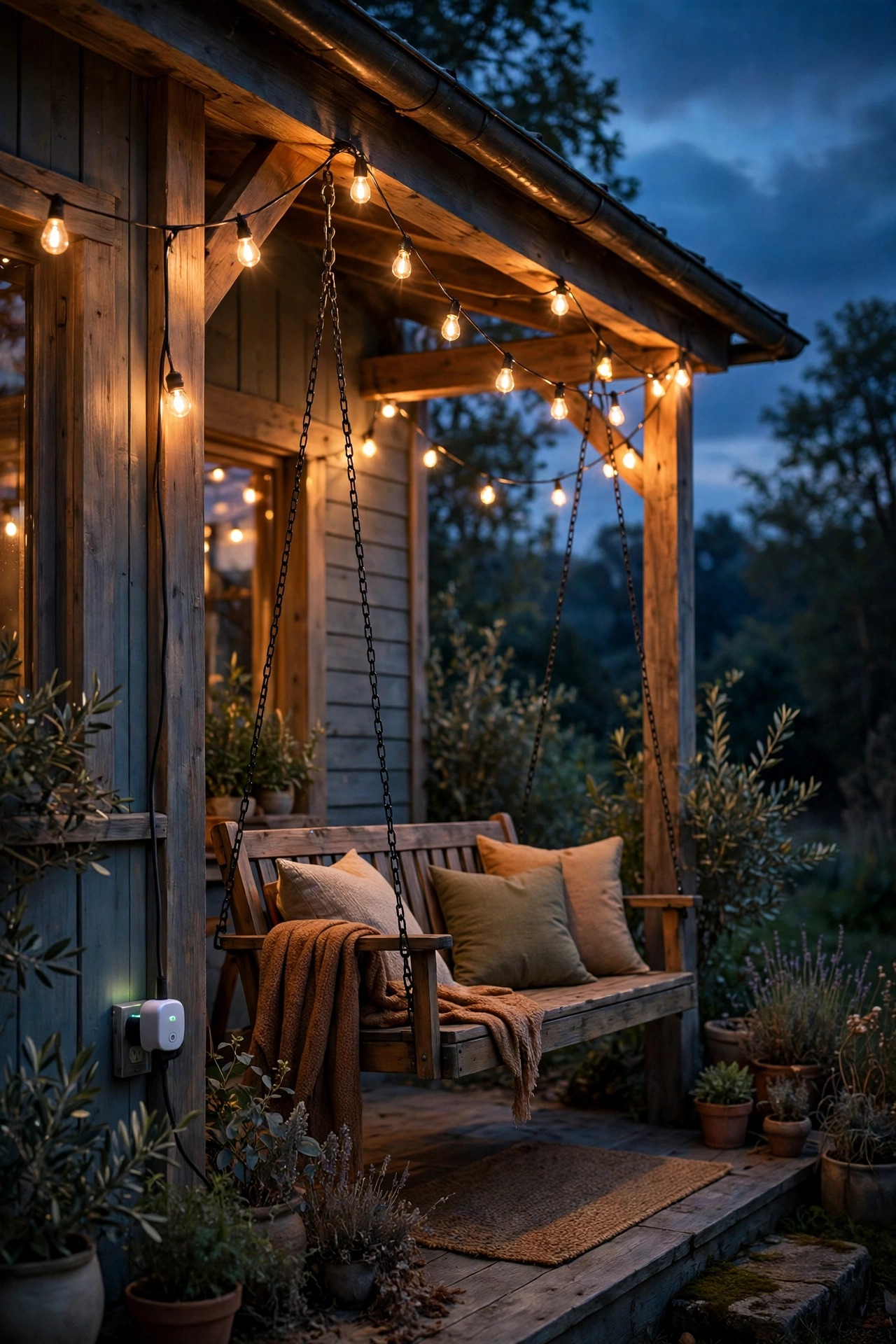
9. Color-Changing Bulbs for Holidays, Game Days, and Tuesdays
Here is where smart porch lighting gets playful. A color-changing smart bulb in each sconce means your porch can dress itself: soft orange for October, warm red and green at Christmas, your team's colors on game day, and a patriotic red, white, and blue for the Fourth of July. The rest of the year, mine live at a classic warm white, because honestly, 2700K is the porch's best look. The trick to using color tastefully is restraint. Color the sconces, but keep the step and path lights warm white so guests can still see where they are walking. Use the app's scenes to save your favorites ("Harvest," "Game Day," "Party") so switching takes one tap from the couch instead of a fiddly color wheel. Saturation matters too: slightly desaturated, pastel-leaning colors look elegant on a house, while full neon can read more arcade than adorable. And be a good neighbor after big games and holidays; a schedule that returns everything to warm white at 11 p.m. keeps the street happy. Kids, I should warn you, consider this feature non-negotiable once they have seen it. Suggested budget range: $25 – $70.
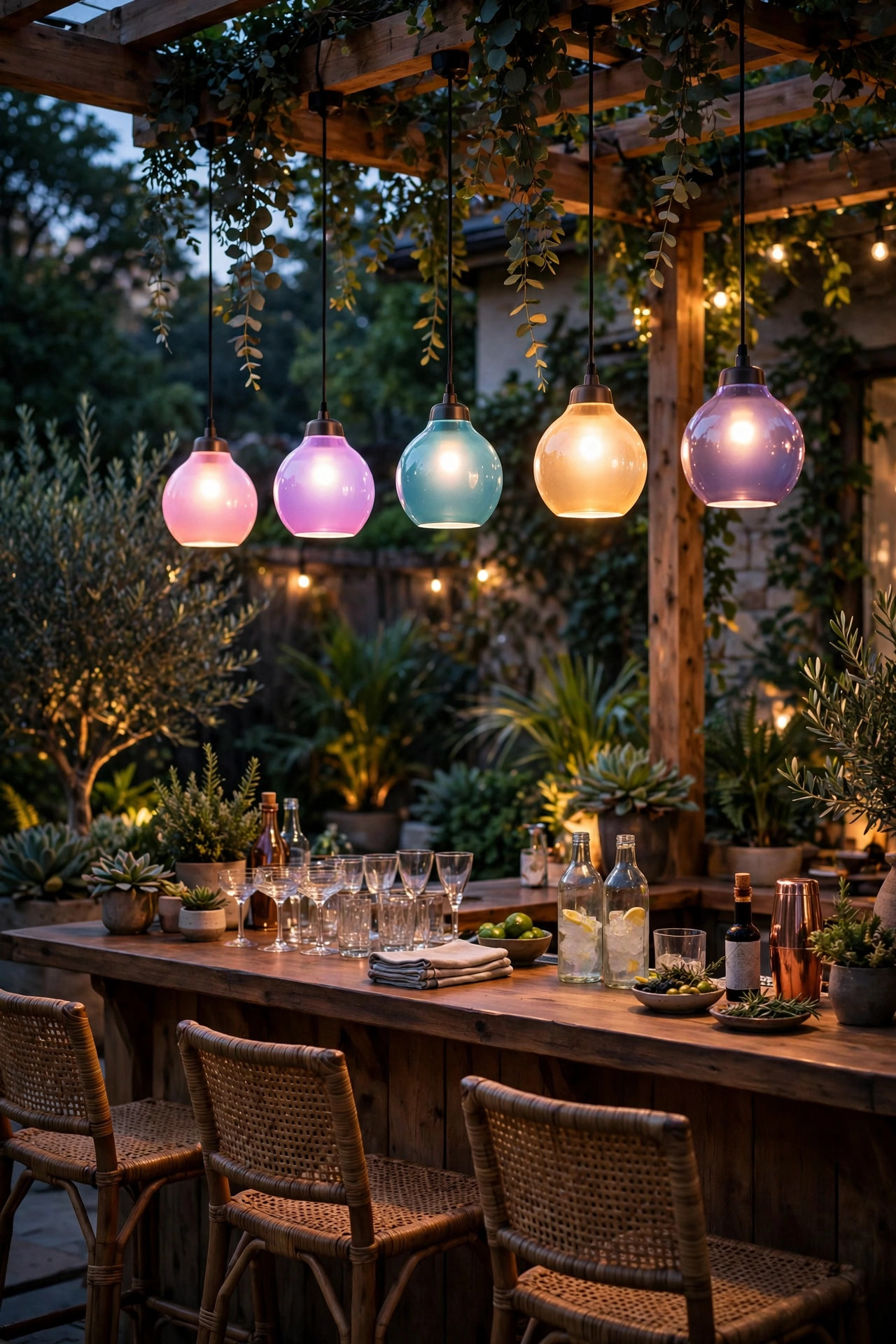
10. Create Dimming Scenes for Every Kind of Evening
Brightness is a mood, and the couch is where moods get decided. A scene is simply a saved combination: which lights are on, at what brightness, in what tone. I keep four on my porch. "Welcome Home" runs the sconces at 80 percent and the step lights full. "Evening Porch" drops everything to a candle-soft 30 percent for sitting outside with a drink. "Delivery" is all business, everything bright for ten minutes. And "Goodnight" leaves a single sconce at 10 percent, just enough to say the house is tucked in. Setting these up takes fifteen unglamorous minutes in the app, dragging sliders and testing from the doorway, but you only do it once. After that, one tap or one sentence changes the entire feel of your entry. A tip for smoother scenes: choose bulbs from the same family so their dimming curves match, because mismatched bulbs fade at different rates and one will always look slightly drunk compared to the other. If a bulb flickers at very low levels, raise its floor to 15 or 20 percent; most porch scenes live happily above that anyway. Suggested budget range: $0 – $60.

11. A Smart Ceiling Light for Covered Porches
If your porch has a ceiling, its center fixture is prime smart territory. Swap that tired flush mount for a smart ceiling light (or fit the existing one with a smart bulb or switch) and the whole porch gains an even, shadow-free base layer that sconces alone cannot give. I love this layer for practical moments: finding the right key, reading a package label, sweeping the steps, or helping a grandparent navigate the door after dark. From the app, mine runs bright and neutral for chores, then warms and dims into the background when the sconces take over the mood. Look for a fixture rated for damp or wet locations depending on how exposed your porch roof is, and choose a diffuser style, frosted glass or a fabric-look shade, that hides the bulb and softens the light on faces. Size matters more than style here: a fixture 12 to 15 inches across suits most porches, while long covered porches may want two smaller fixtures on one smart switch. Because the ceiling light sits on the layer you use most, this is a smart upgrade that quietly improves every single evening, not just the fancy ones. Suggested budget range: $40 – $150.

12. Step and Path Lights That Run on a Timer
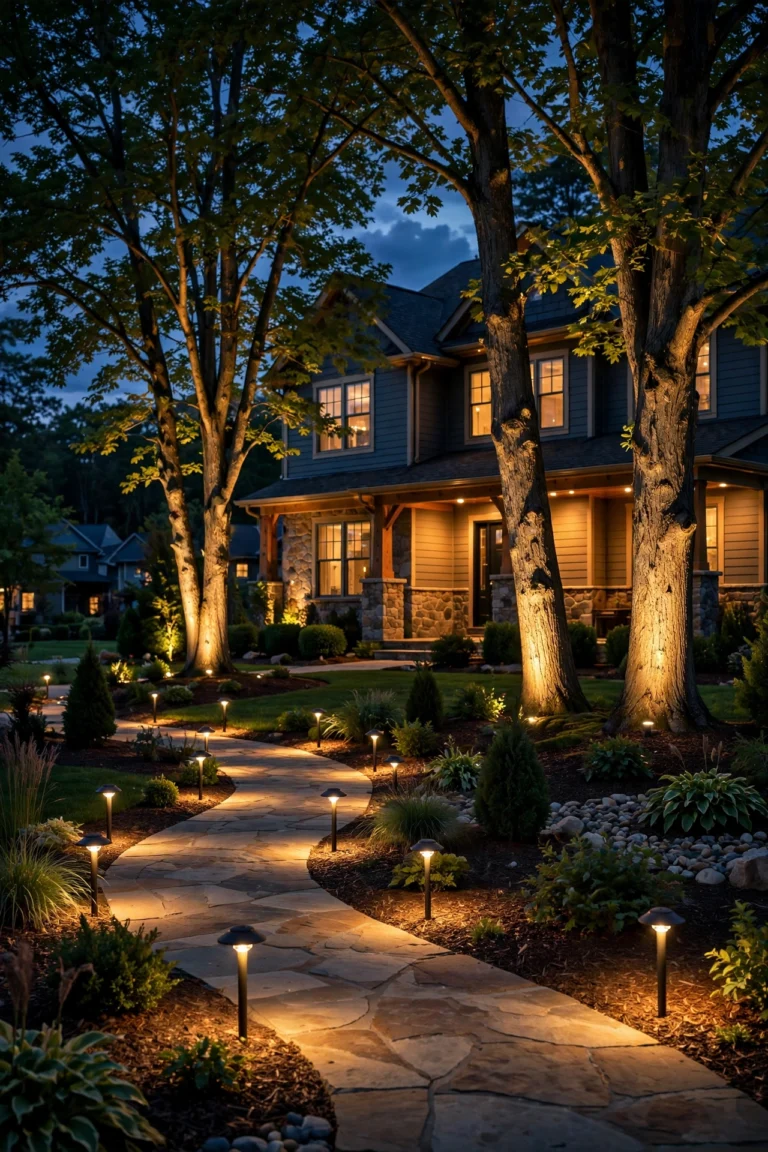
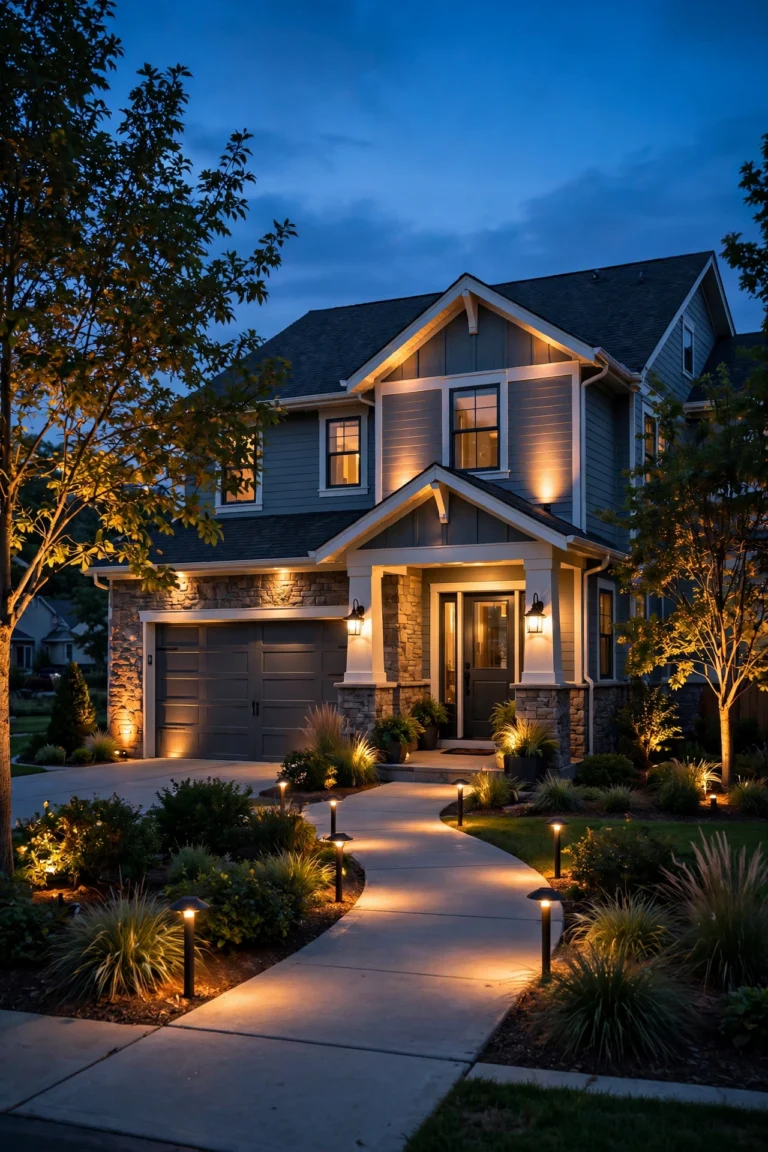
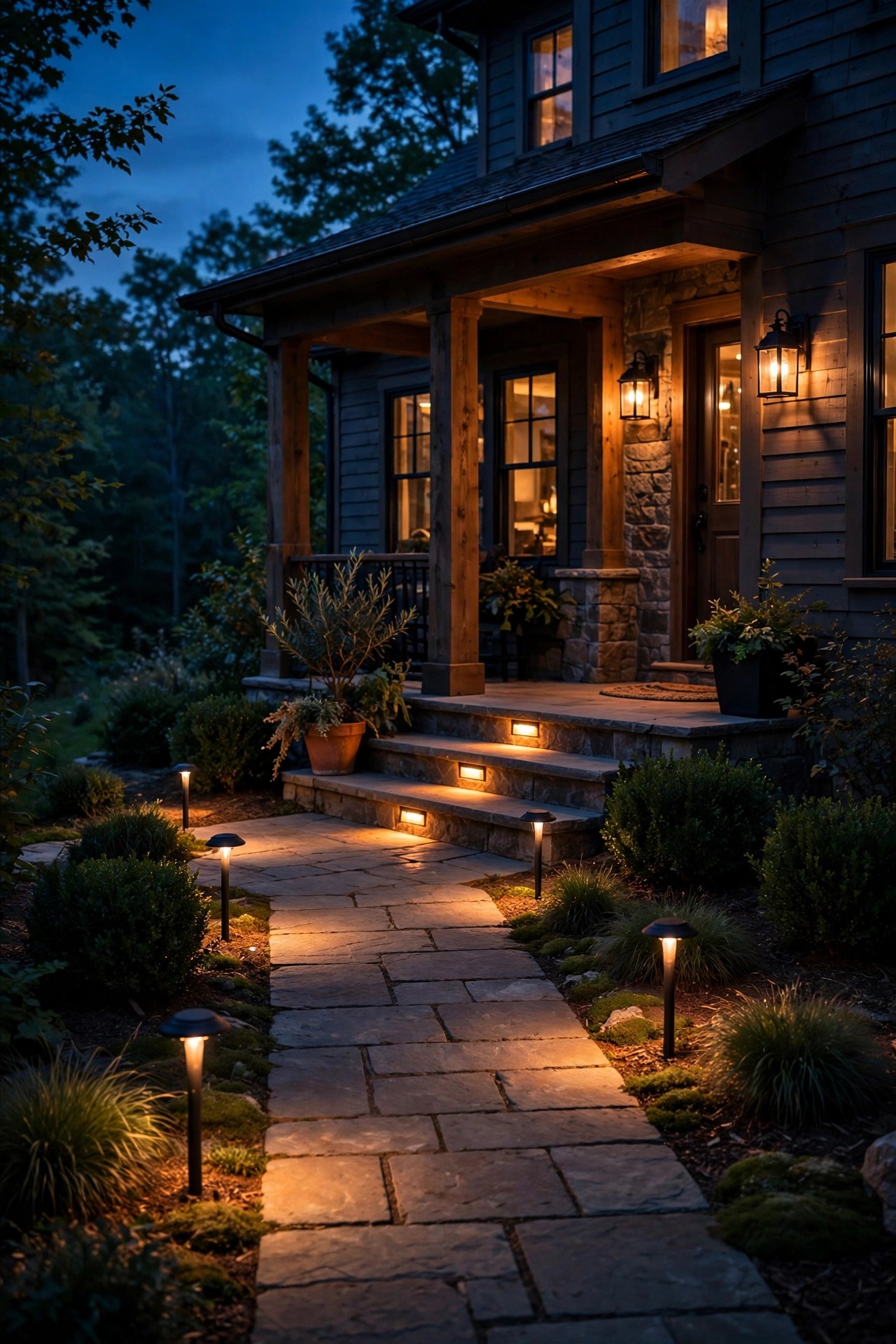
The most appreciated porch lights are often the lowest ones. A few low-voltage or solar step and path lights, set on a smart timer or dusk sensor, turn the trip from car to door into a guided, graceful thing, and they do it without you remembering anything. I run mine from sunset to midnight, then off, because nobody needs a lit staircase at 3 a.m. Spacing is the make-or-break detail: place path lights every 6 to 8 feet, staggered on alternating sides of the walk rather than in a straight runway line, and keep fixtures 12 to 18 inches back from the path edge so mower wheels and snow shovels leave them alone. On steps, one light per two treads, tucked to the side, gives even coverage without glare in climbers' eyes. If your set is solar, the smart part is mostly the photocell, so spend on panel size and battery quality instead of app features. If it is wired low-voltage, one smart plug or smart transformer on the circuit automates the whole run at once, which is the budget-savvy move I recommend to almost everyone. Suggested budget range: $35 – $120.
13. Vacation Mode That Makes an Empty House Look Lived In
A dark porch is a billboard that says nobody is home. Smart lighting fixes that with an away mode that turns your layers on and off at slightly randomized times, so the house looks genuinely lived in while you are at the lake. Most apps offer this as a built-in "vacation" or "away" routine; if yours does not, two overlapping schedules with different start times create the same effect. I set the welcome sconces to come on around sunset with a random 20-minute wiggle, the ceiling light to join for a few "evening" hours, and everything to settle to the low security glow by 11ish, just like a real Tuesday at home. While you are setting it up, put a porch light on your packing checklist mentality: enable the routine the moment you leave, and let it run until the morning after you return. Pair it with the motion-sensor lights staying active, and any actual visitor still gets a bright, attended-looking welcome. It is the cheapest peace of mind I know, and unlike a house sitter, it never forgets. Suggested budget range: $0 – $30.

14. Group Your Lights Into Zones You Actually Use
The difference between a smart porch that delights and one that annoys is organization. Instead of controlling six individual devices, group them into zones named for how you live: "Entry" for the sconces and ceiling light, "Steps" for the low lights, "Pretty" for the strings and lanterns. Then your couch commands become short and natural: "Entry on," "Pretty off," "Steps to half." In the app, groups also make schedules saner, because you set one sunset rule for the entry zone instead of editing four devices every season. My favorite refinement is a porch-wide group layered on top of the zones, a master "Porch" that everything belongs to, so one command can still light or darken the whole entry when you are heading to bed. Take ten minutes to rename devices while you are at it; "Left Sconce" and "Right Sconce" will serve you far better than factory model numbers when you are troubleshooting from the sofa. Honestly, this invisible bit of housekeeping is what makes the whole system feel effortless months later, long after the novelty of the gadgets themselves has worn off. Suggested budget range: $0 – $20.
15. Lights That Turn On Before You Reach the Door
Geofencing sounds technical, but the experience is pure butler: as your phone crosses an invisible line a block or two from home, the porch lights rise to welcome you. By the time you pull in, the entry is glowing, the steps are lit, and you are not juggling keys in the dark with grocery bags cutting off your circulation. Most lighting apps and voice-assistant platforms offer location-based routines; set the trigger radius generously (around 500 feet) so the lights beat you home instead of tying with you. The mirror-image routine is just as good: when the last household phone leaves in the morning, any porch light accidentally left on turns itself off, quietly saving the waste nobody ever notices. A few honest caveats. Location routines depend on your phone, so a dead battery means a dark arrival once in a while, and every adult in the house needs the app set up for the "everyone left" logic to work. Keep the motion sensor as your safety net and the schedule as your backbone, and treat geofencing as the delightful bonus layer it is. Suggested budget range: $0 – $40.

16. Solar and Battery Smart Lights for Tricky Spots
Every porch has one corner the wiring cannot reach: the far gate post, the step at the garden edge, the mailbox by the street. Solar and battery-powered smart lights were made for exactly those spots, and the good ones now talk to your system with motion triggers, dusk sensors, and app-adjustable brightness. Be choosy, because this category has the widest quality gap on the porch. Look for a solar panel you can angle toward real sun, a replaceable battery, and an IP65 or better weather rating. In northern winters, expect shorter runtimes and give panels a quick wipe when you think of it; a dusty panel is a dim light waiting to happen. I use a pair of solar motion lights at my side gate where running cable would have meant tearing up a flower bed, and they have survived two winters of honest service. Match their color temperature to your wired layers (2700K keeps the family resemblance) and nobody will know which lights are the freelancers. For renters, these are also the move-in, move-out heroes: full smart behavior, zero holes in the siding. Suggested budget range: $25 – $80.

17. Bring It Together: Smart Porch Lighting Ideas in One Routine
Here is the payoff for everything above: a single evening routine that runs your whole porch like a stage manager. Mine starts at sunset, when the entry zone fades up and the steps switch on. At 8 p.m. the pretty layer joins if we are home, because string lights should feel like a decision, not a default. Motion at the door brightens things temporarily whenever it happens. At 11, the routine dims the porch to its overnight glow, and the sensors keep watch until sunrise switches everything off. Building it takes one sitting with the app and a little trial and error; stand at the curb once, look at your house the way a guest does, and adjust. That curb check is my favorite ritual, honestly, because it reminds you the porch is the handshake of your home. So here is my advice: pick two or three of these smart porch lighting ideas this weekend, ideally the schedule, one sensor, and one fun layer, and let the couch become mission control. The rest can follow whenever you are ready. Your future self, warm under a blanket while the porch handles itself, says thanks. Suggested budget range: $50 – $250.
Frequently Asked Questions
What color temperature is best for smart porch lights?
Warm white, between 2200K and 2700K, suits almost every porch. It flatters siding, skin, and wood doors, and it matches the cozy glow most of us picture. If your bulbs are tunable, set 2700K as your everyday default and save the softer 2200K candlelight look for evening scenes and sitting-outside time.
Do smart bulbs work in any outdoor fixture?
Almost, with two checks. The fixture should be rated for outdoor or damp locations, and if the shade is fully enclosed, choose smart bulbs labeled safe for enclosed fixtures so the electronics do not overheat. Also confirm your Wi-Fi reaches the porch; a quick phone signal test by the door tells you everything.
Will my smart porch lights still work if the Wi-Fi goes out?
Mostly, yes. Schedules stored on the device, motion sensors, and photocells keep doing their jobs, and a smart switch still works by touch. What you lose during an outage is app and voice control until the connection returns, which is one more reason I like at least one physical switch in the mix.
How much does it cost to make a porch smart?
A satisfying starter setup, two smart bulbs plus a smart plug for the string lights, runs about $35 to $95 and takes under an hour. A full layered porch with a smart switch, motion sensor, and scenes typically lands between $150 and $400, especially if you build it in stages.
Conclusion: A Porch That Listens
The heart of all these smart porch lighting ideas is not the technology at all; it is hospitality on autopilot. Layers for welcome, work, and beauty, each arriving exactly when it should, make your home feel cared for from the street and effortless from the sofa. Start with the sunset schedule, add a sensor where you need a greeting, and save your scenes like recipes you will use for years. Then come browse more porch and outdoor lighting ideas here whenever you are ready for the next layer, because a porch this welcoming tends to inspire the whole yard to keep up.