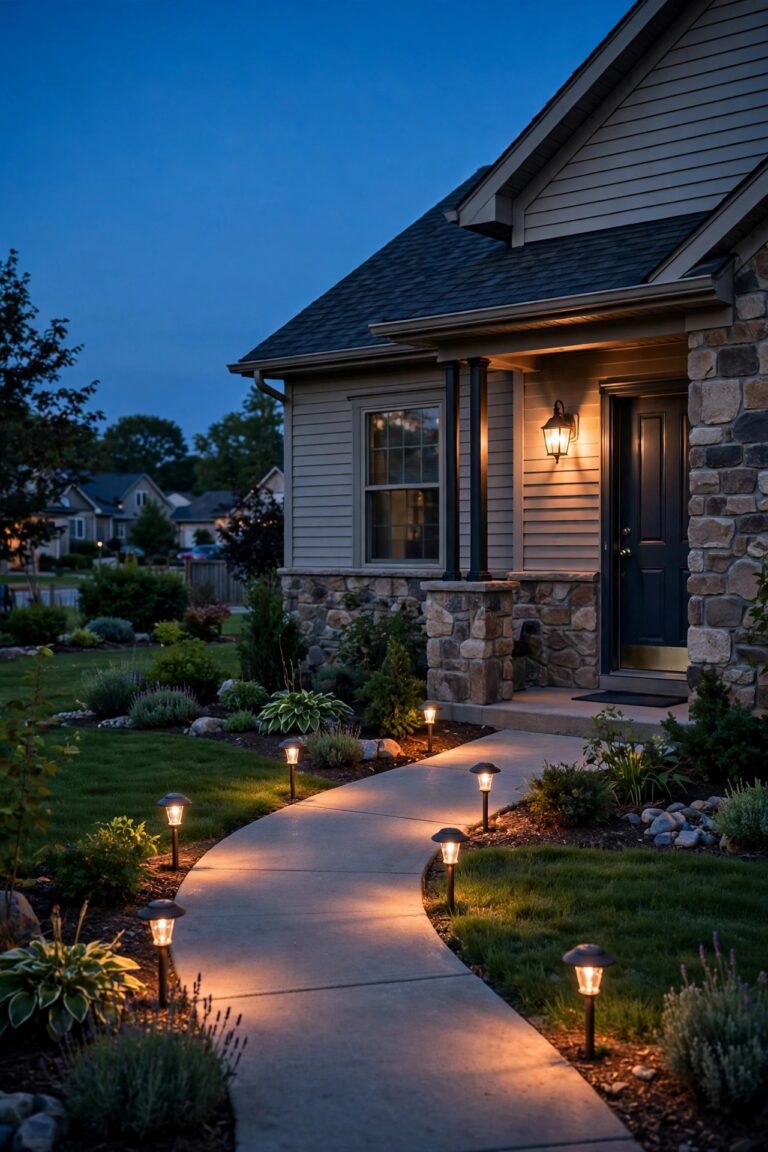
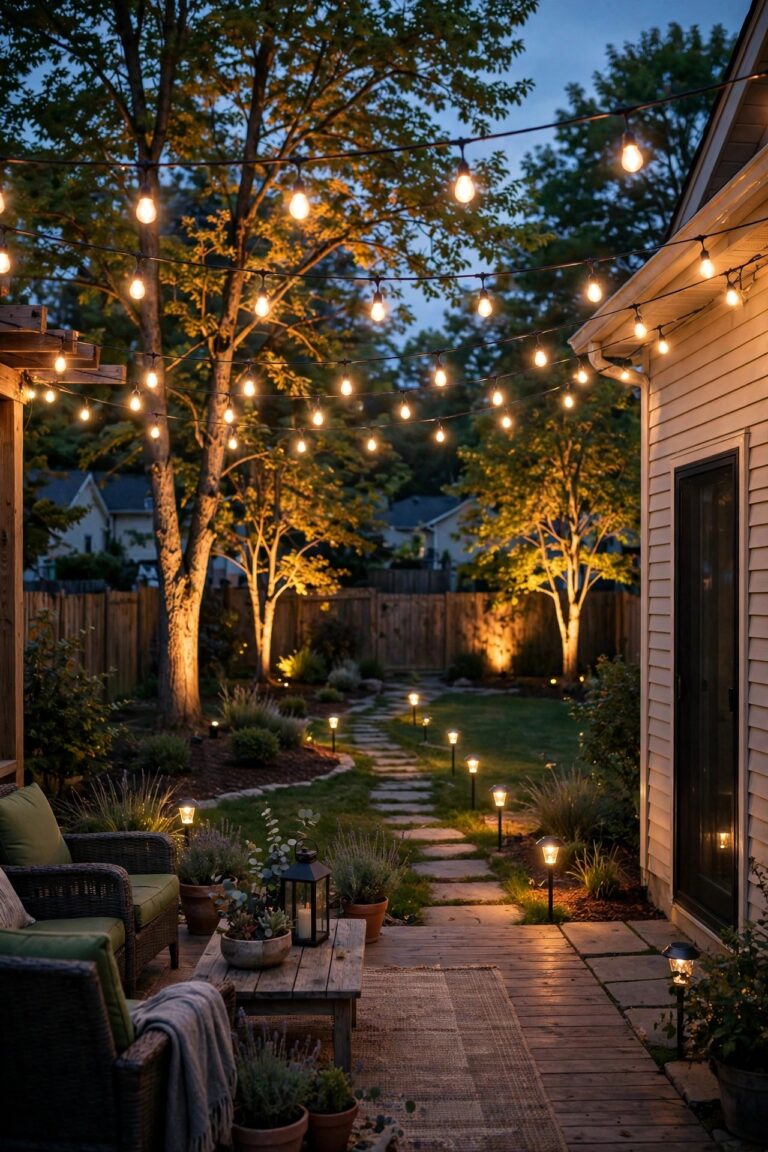
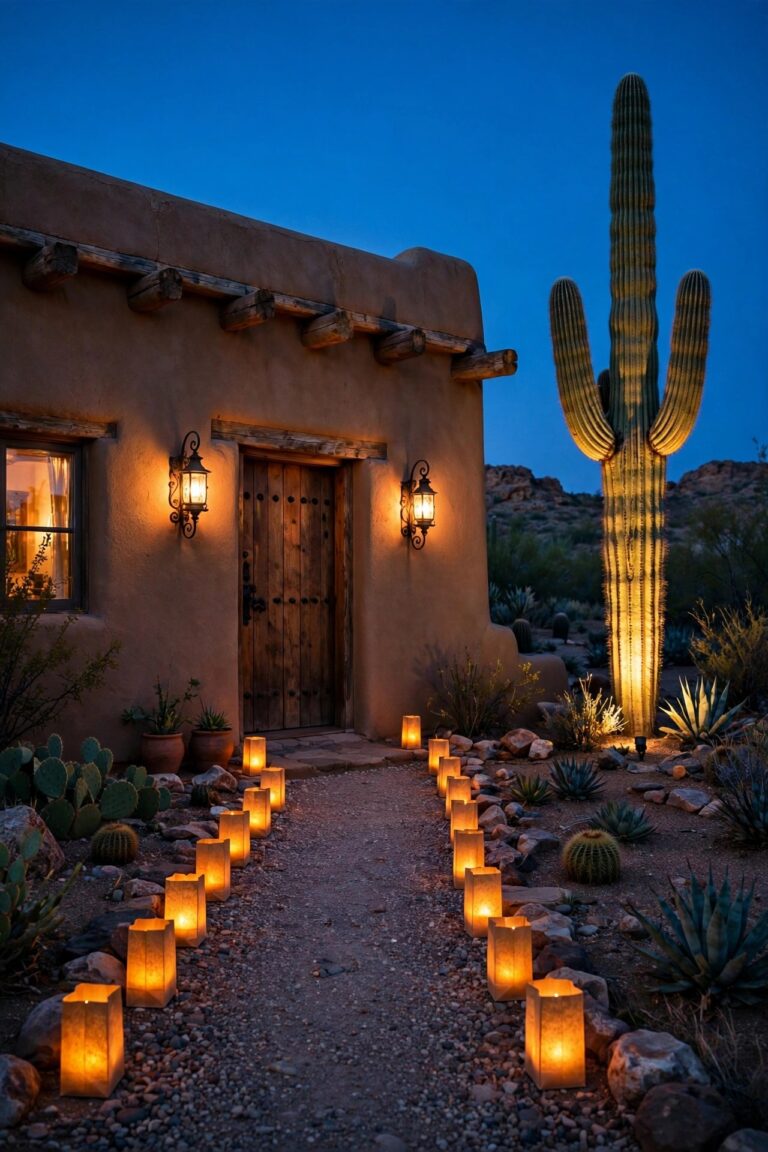
There is a moment, just after sunset at a really good resort, when the pool turns to glass, the palms glow from below, and nobody at the table wants to go inside. I have chased that feeling in my own yard for years, and honestly? It is not about spending the most money. The luxury backyard lighting ideas that actually work all follow the quiet formula the hotels use: soft guidance light low along paths and steps, warm welcome light where people gather, and gentle accent light on the water, trees, and stone that make the yard worth looking at. In my experience, luxury reads as restraint — fixtures you barely notice, light that seems to come from nowhere, and one warm color temperature from the pool gate to the fire pit. Spend on the layers and the controls, save on gimmicks, and the whole yard exhales. Below are the 19 moves I recommend when a reader tells me they want their own backyard to feel like a five-star stay, from the first sketch to the final dusk walk-through.
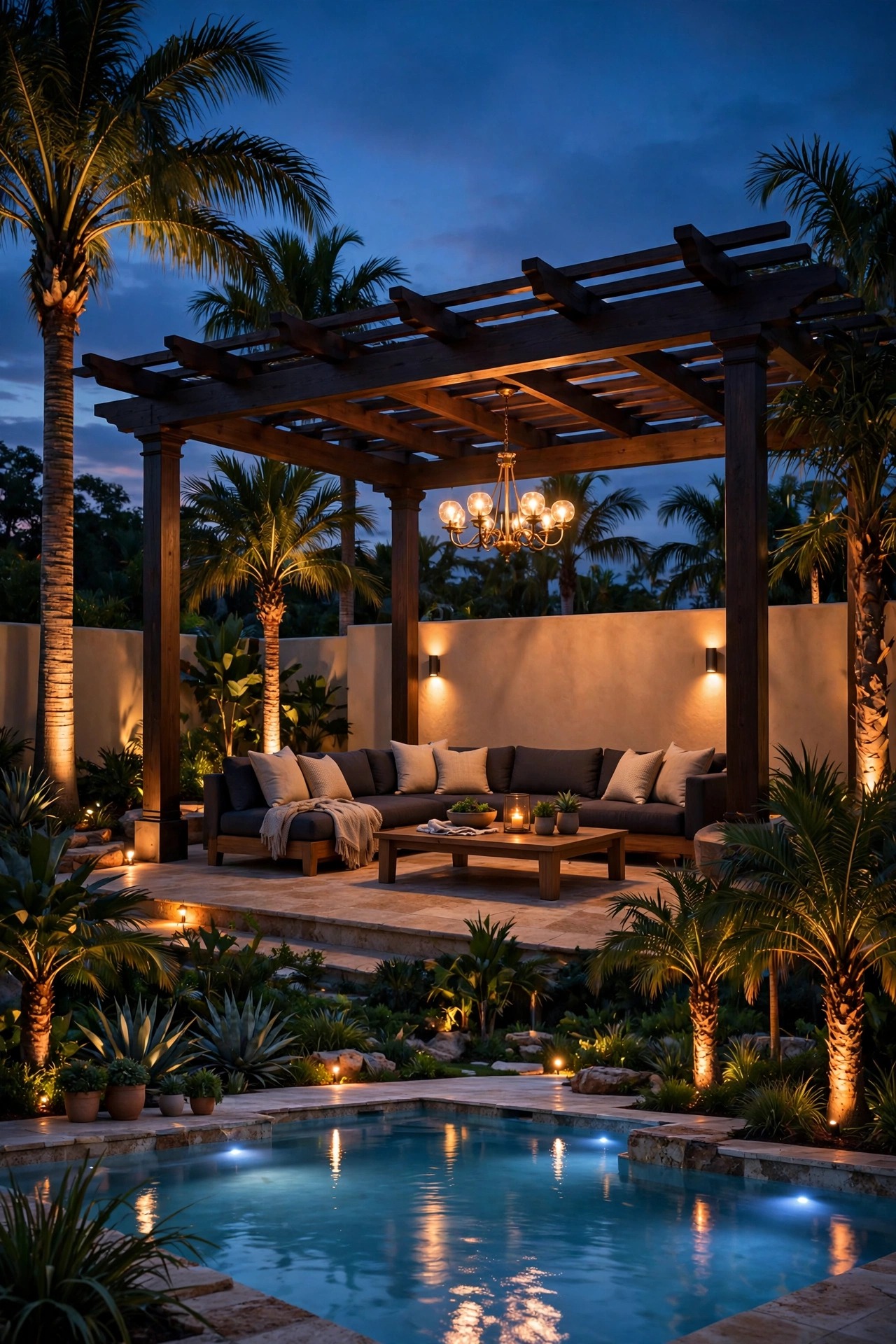
1. Luxury Backyard Lighting Ideas Start With Three Quiet Layers
Every resort yard I have ever studied is built on the same three layers, so draw them before you buy a single fixture. Layer one is guidance: low, shielded light along paths, pool deck edges, and steps, placed about 12 to 18 inches back from the walking surface. Layer two is welcome: eye-level light where people actually sit and gather — the patio door, the outdoor kitchen, the fire pit circle — roughly 5 to 6 feet up and always dimmable. Layer three is accent: a wash on the specimen tree, the stone wall, the fountain, purely for beauty. Sketch the yard, assign every planned light to one layer, and notice which layer is missing; most amateur yards are all accent and no guidance, which photographs well and trips guests. Keep each layer softer than you think it should be and let them add up — three gentle layers read expensive, while one bright layer reads like a parking lot. This plan also tells you where the transformer zones and dimmers go, which is where the real resort feeling is born.
Suggested budget range: $0 – $75.
2. Give the Pool a Soft Underwater Glow
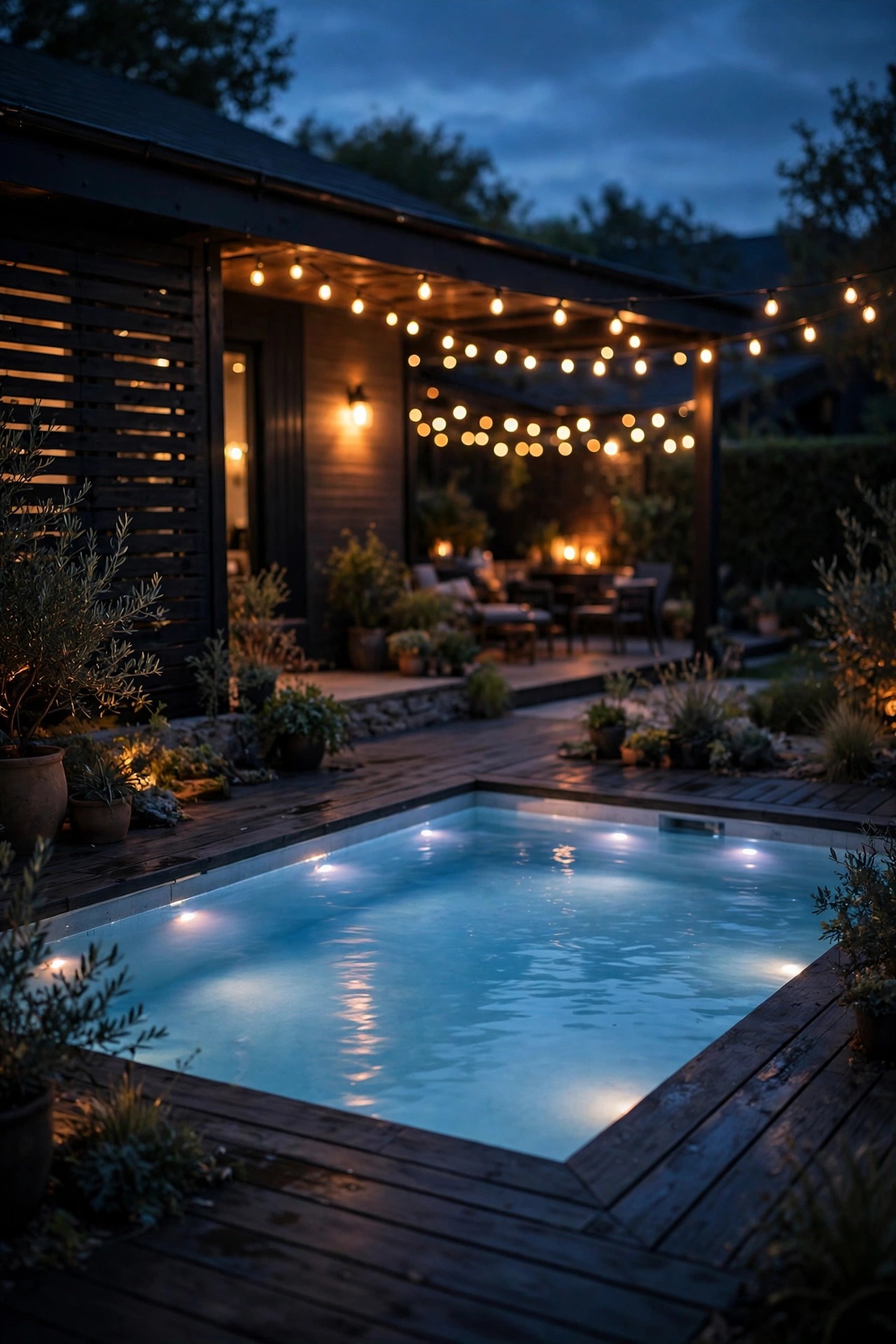
Nothing says resort faster than a pool that glows from within, so this is where I tell readers to spend real money. Modern LED pool lights sit flush in the wall and bathe the water in an even wash — keep them on the house side of the pool, aimed away from the seating, so you see luminous water instead of a bare bulb. One light serves most backyard pools up to about 30 feet; larger pools want two, spaced to avoid a bright spot at one end. Pair the underwater glow with a nearly dark deck: a few low, shielded fixtures at the coping edge and nothing overhead, because the contrast is what makes the water look like glass. Warm white is my default for a high-end feel, though a deep blue reads dramatic for parties. One safety note I never skip: pool lighting is line-voltage work in water, so it belongs to a licensed electrician, with GFCI protection and fixtures rated specifically for pool use. For the surrounding deck itself, I gathered my favorite pool deck lighting ideas in a separate roundup.
Suggested budget range: $400 – $1,500.
3. Hang One Statement Chandelier Under the Pergola
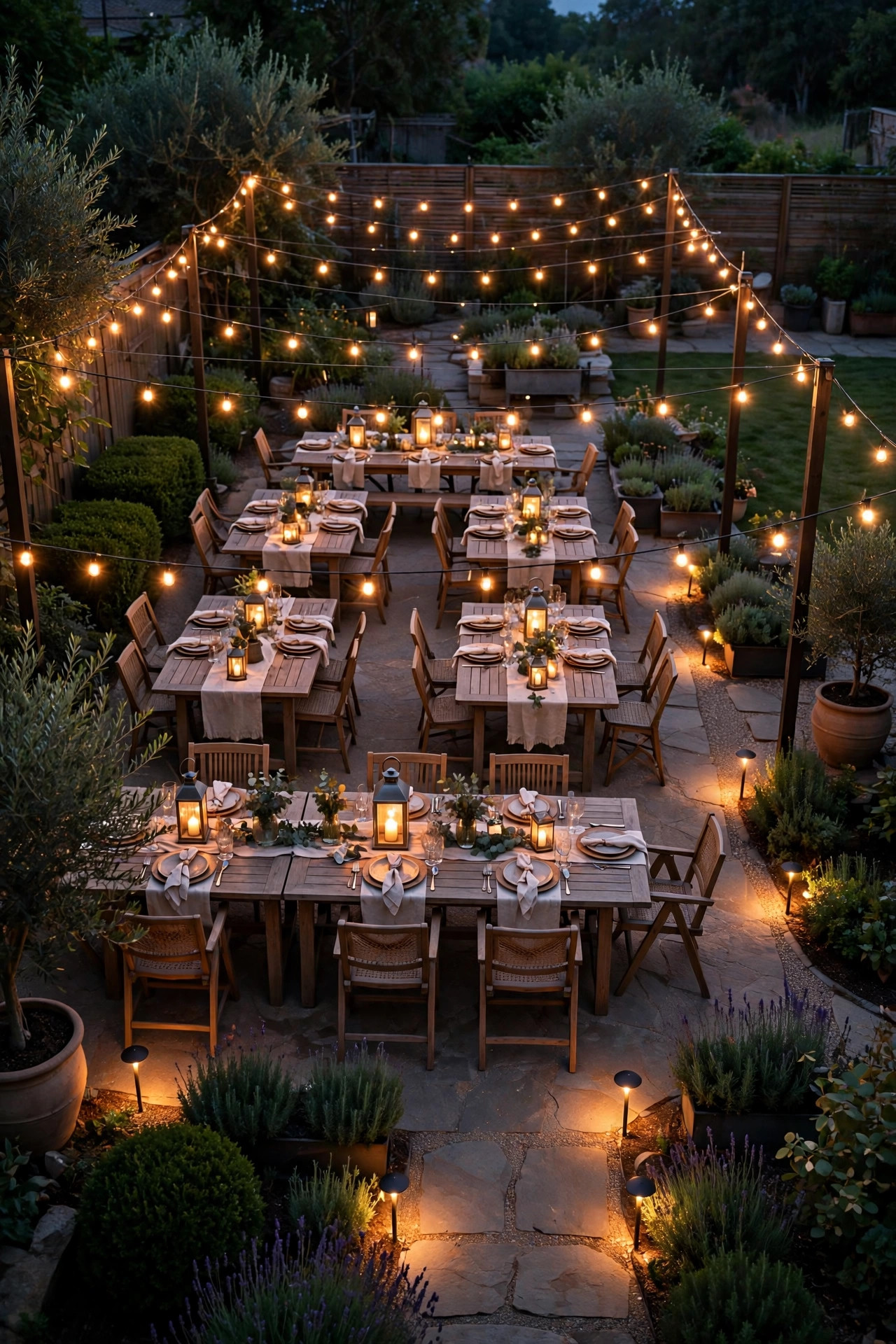
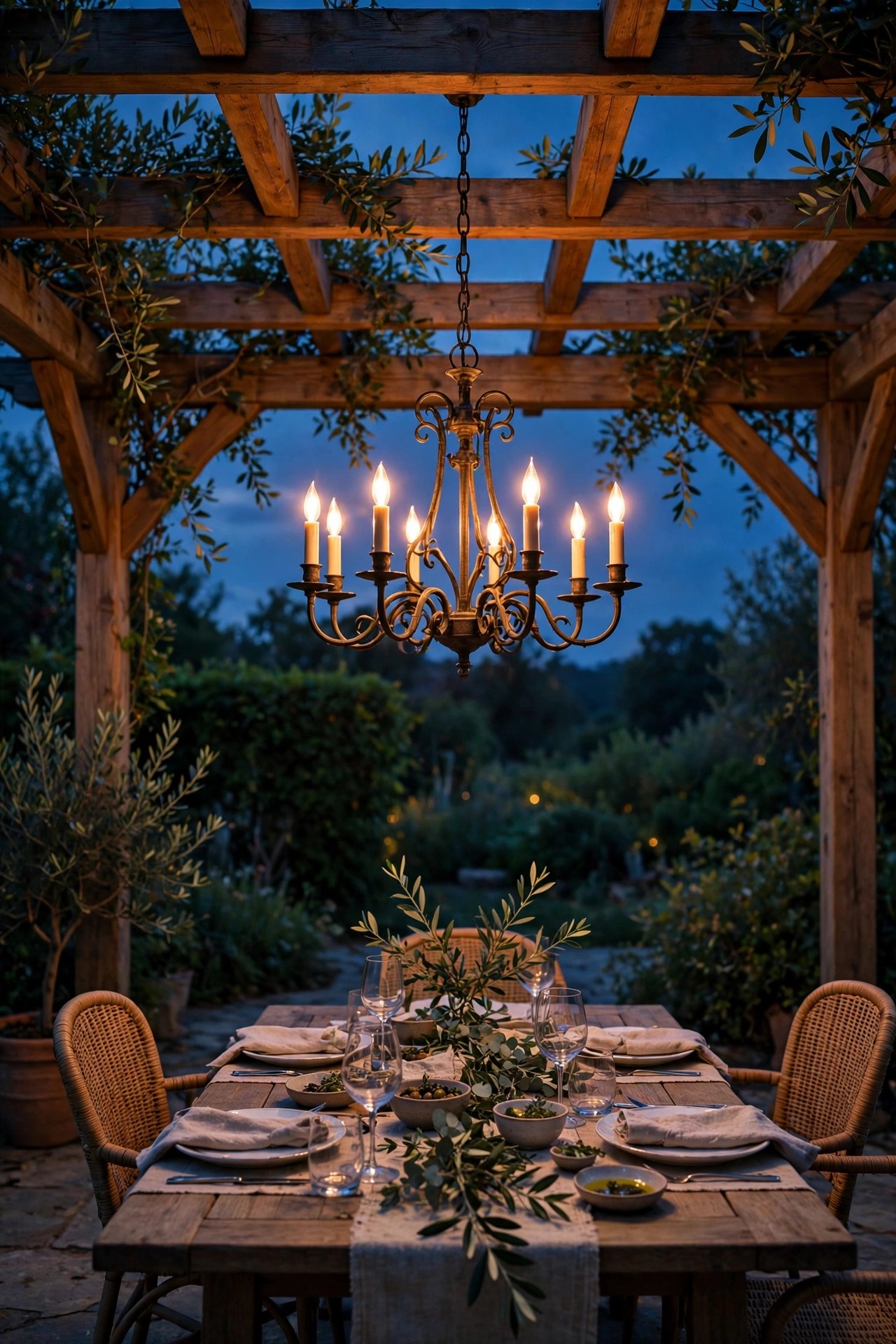
A pergola is a ceiling without a roof, and it begs for the one fixture a backyard can show off: a chandelier. Choose an outdoor-rated piece sized to the dining table below — roughly half the table width in diameter looks generous without crowding — and hang it so the bottom sits about 30 to 36 inches above the tabletop. Iron scrollwork, seeded glass, and candle-style LED bulbs all read luxury; keep the bulbs at 2200K to 2700K so the light flatters faces and food. Wire it to its own dimmer, because the difference between a dinner party and a magazine photo is usually one small slide of that dimmer. If your pergola is open to the sky, confirm the fixture is wet-location rated, not just damp, and hang it from the center beam with a hook rated well above its weight. I keep a collection of pergola dining lighting ideas for different pergola sizes and styles if you want to compare silhouettes before committing. One beautiful piece, properly dimmed, does more than six matching lanterns ever will.
Suggested budget range: $350 – $1,200.
4. Circle the Fire Feature With Low, Hidden Light
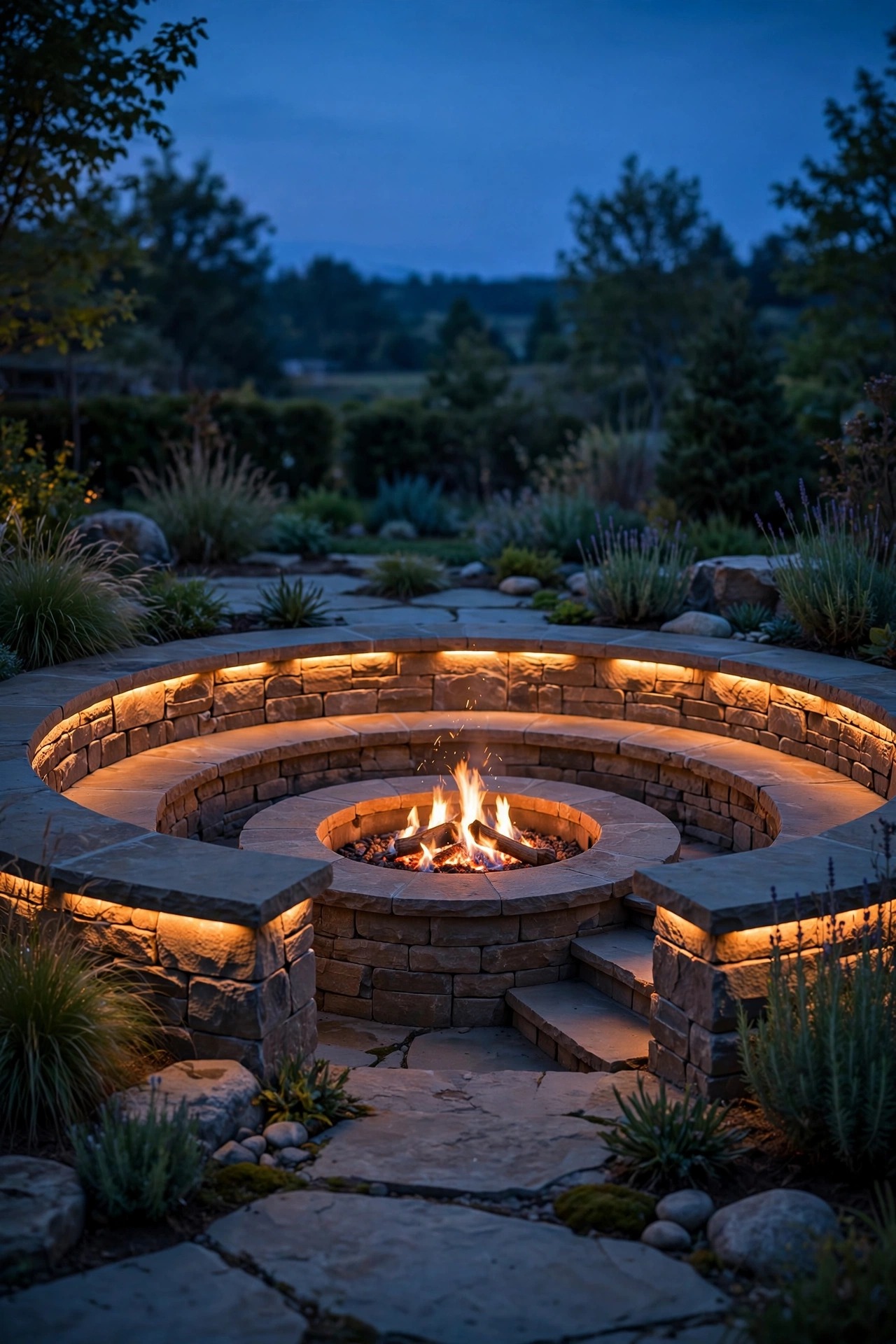
Fire is the oldest luxury in the backyard, and the trick is to light the seating around it without competing with the flame. I run a low stone or retaining wall around sunken fire pits and tuck small LED strip or puck lights under the capstones, so the seat wall glows softly and guests can find their spot. Add a gentle wash on the pit's outer face from two well lights set 18 to 24 inches back, aimed up at a shallow angle — the texture of stacked stone does the rest. Keep every fixture shielded and below knee height; anything at eye level will fight the fire for attention and win in the worst way. Use flameless-friendly placement too: lights near cushions and throws should be LED-only and cool to the touch, and never run low-voltage cable where feet or fire tools will nick it. If your pit burns gas, a soft wash of light across the lava rock or glass media at dusk, before anyone lights it, makes the whole feature look intentional even on off nights.
Suggested budget range: $250 – $900.
5. Moonlight the Tall Trees for a Resort Canopy
Moonlighting is the technique the pros save for their best yards: fixtures mounted high in a mature tree, aimed down through the branches, so the light filters to the ground in soft, dappled pools that mimic a full moon. It takes two or three fixtures per large tree, set 20 to 30 feet up, with the beams overlapping gently over a patio or lawn. Use narrow-to-medium beam spreads, shielded housings, and 2700K lamps so the effect reads as moonlight, not stadium light. The magic is that the source disappears — guests see patterned light and shadow, never a fixture. This is one job I hand to an arborist or lighting pro, because mounting hardware must be tree-safe, installed without drilling into the trunk, and serviced with a tall ladder or lift. The payoff is a canopy of light over your main seating area that no string light can imitate, and it makes every other layer beneath it look calmer and more deliberate. Start with the one tree that shades your favorite spot.
Suggested budget range: $600 – $1,800.
6. Uplight One Specimen Tree Like a Sculpture
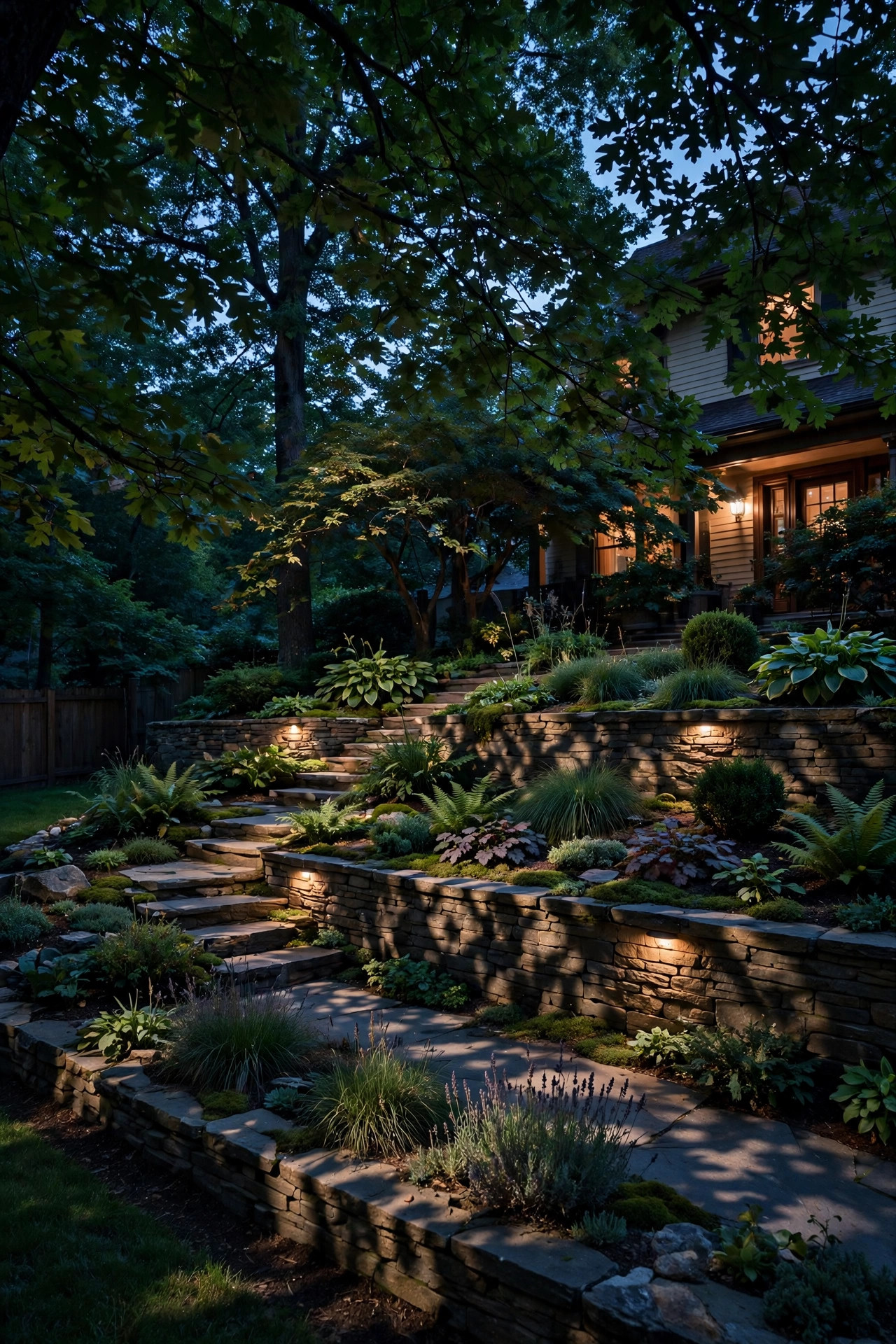
If moonlighting is the whisper, uplighting is the portrait. Pick the single most beautiful tree in the yard — a sculptural olive, a multi-trunk crepe myrtle, a palm with a gorgeous trunk — and light it like the artwork it is. Two fixtures usually beat one: a wider wash from 3 to 4 feet back for the canopy, plus a tighter beam at the base to model the trunk and bark. For palms, a single well light close to the trunk, aimed straight up, turns the fronds into a fireworks burst against the night sky. Resist lighting every tree; one hero and a couple of supporting players in dimmer roles is the resort formula. Keep fixtures black or bronze, buried or tucked behind a shrub, and re-aim them every spring as the canopy grows — an uplight that misses its tree and hits the sky is just light pollution with a pedigree. In my experience, this single move is the one neighbors ask about most, and it costs less than most people guess.
Suggested budget range: $300 – $1,000.
7. Light the Outdoor Kitchen Like a Chef Works There
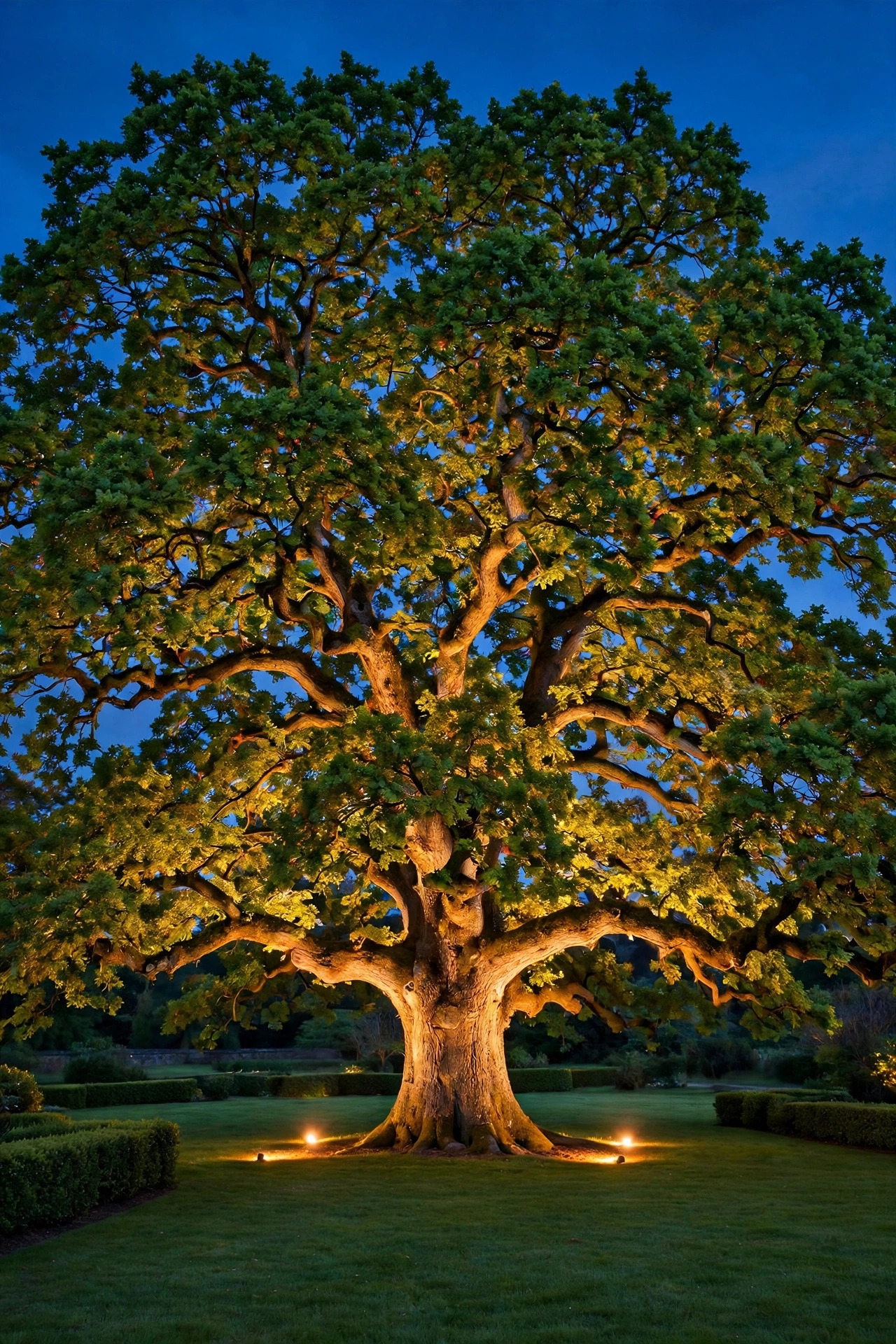
A luxury outdoor kitchen fails fast if the cook is grilling in their own shadow. Start with task light right over the grill and counters: a row of damp-rated pendants or a slim fixture mounted under the pergola beam or vent hood, putting bright, neutral light exactly where knives and thermometers work. Aim for noticeably brighter light here than the dining zone — chefs need to see a steak's color honestly — then let the eating area sit softer. Add low strip lighting under the bar counter lip so guests on stools get a warm glow at their knees and can see the foot rail, plus a small downlight inside any glass-front cabinet or shelf to make bottles and glassware sparkle. All of it belongs on dimmers and GFCI-protected circuits, and fixtures near the grill must be rated for heat and grease splatter. Wipe glass and lenses monthly in grilling season; a clean lens is the cheapest brightness upgrade there is, and it keeps the whole kitchen looking cared for.
Suggested budget range: $450 – $1,400.
8. String Café Lights the Five-Star Way
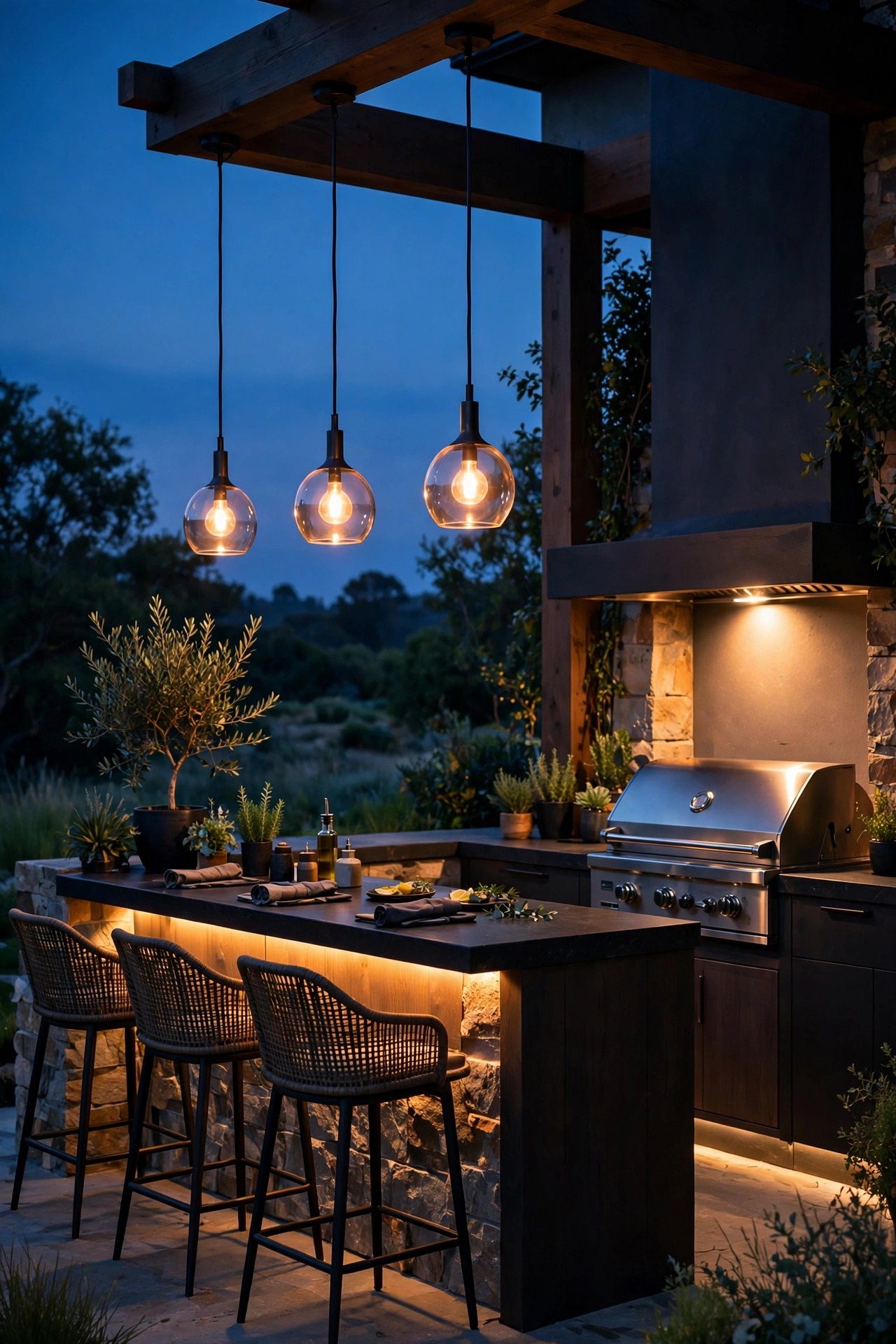
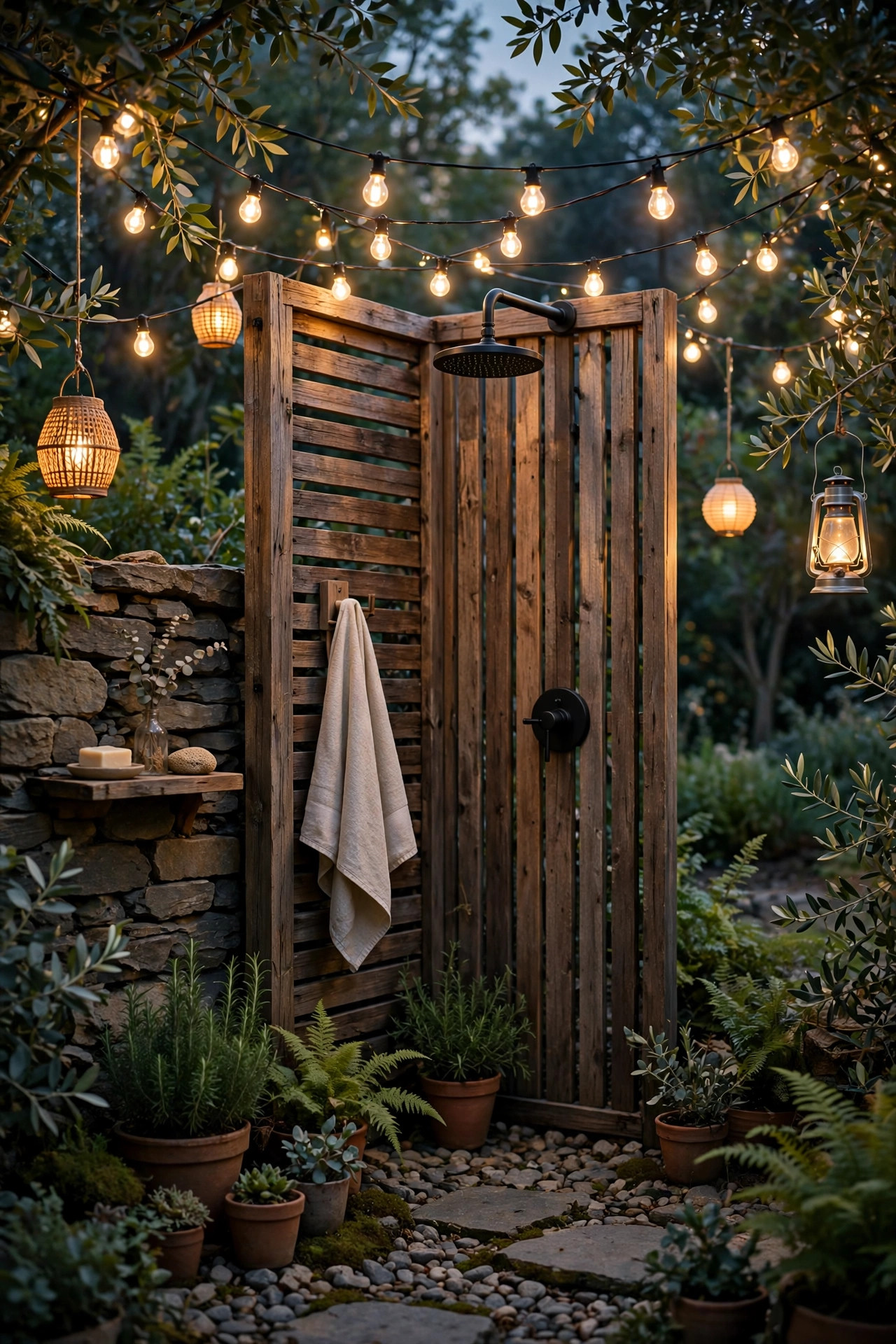
String lights can read food-truck or five-star, and the difference is discipline. Use commercial-grade strands with suspended sockets and replaceable LED bulbs, never the lightweight patio sets that sag and tangle by August. Hang them in even, deliberate geometry — a clean perimeter, a zigzag with equal swags, or spokes from one center pole — with each dip about 12 to 18 inches deep and every line pulled to the same height, roughly 8 to 9 feet over seating. Screw-in filament-style bulbs at 2200K to 2700K, all on one dimmer, give you the dial that separates romantic from carnival: at full brightness they are festive, dimmed to half they are pure hotel courtyard. Support long runs with proper guide wire and turnbuckles so wind does not turn your ceiling into a jump rope, and anchor to posts or tree straps, never to gutters. Done with this much care, a simple strand becomes architecture. Done loosely, it is the first thing I would take down in any yard I consult on.
Suggested budget range: $200 – $700.
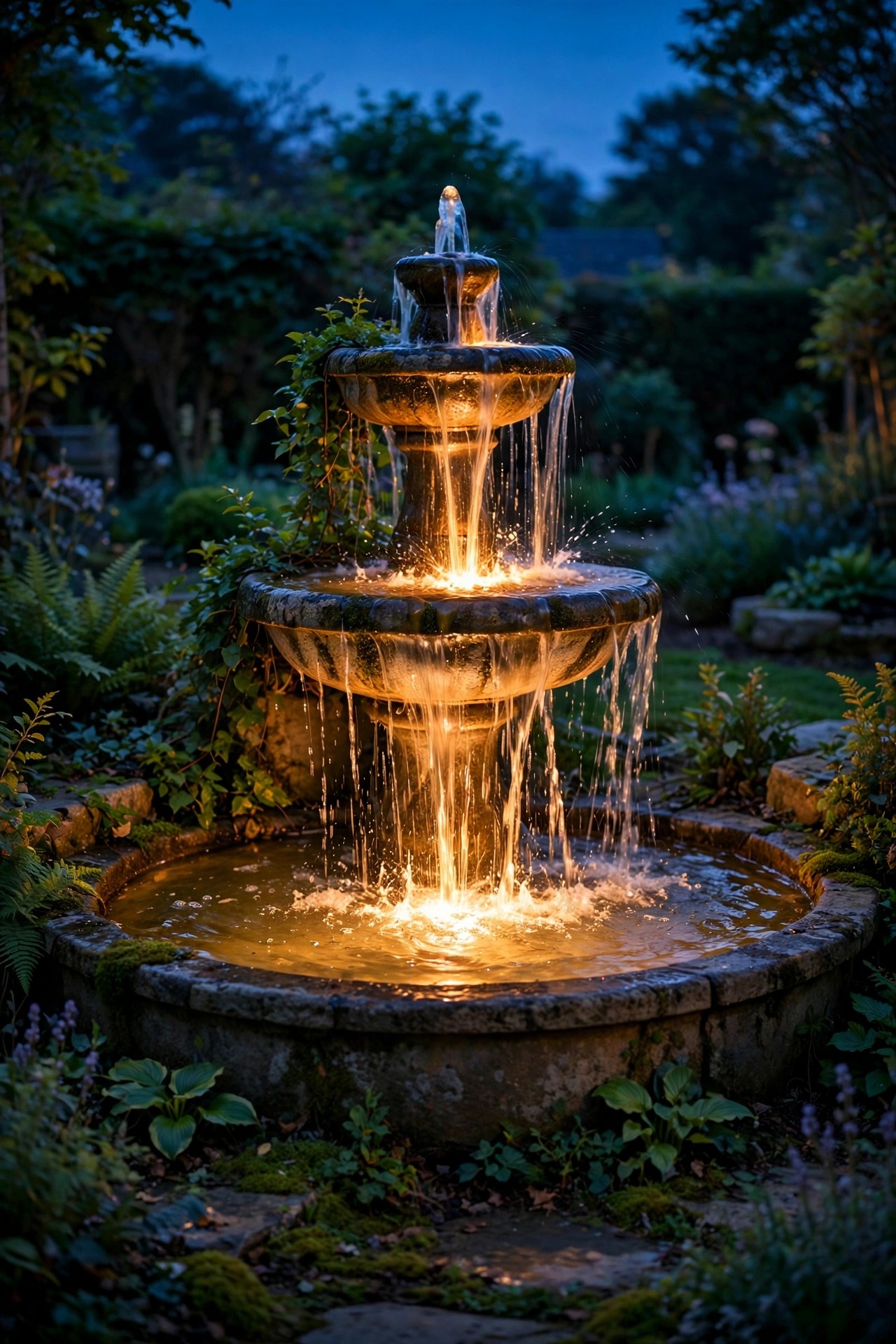
9. Make the Fountain Glow From Inside the Water
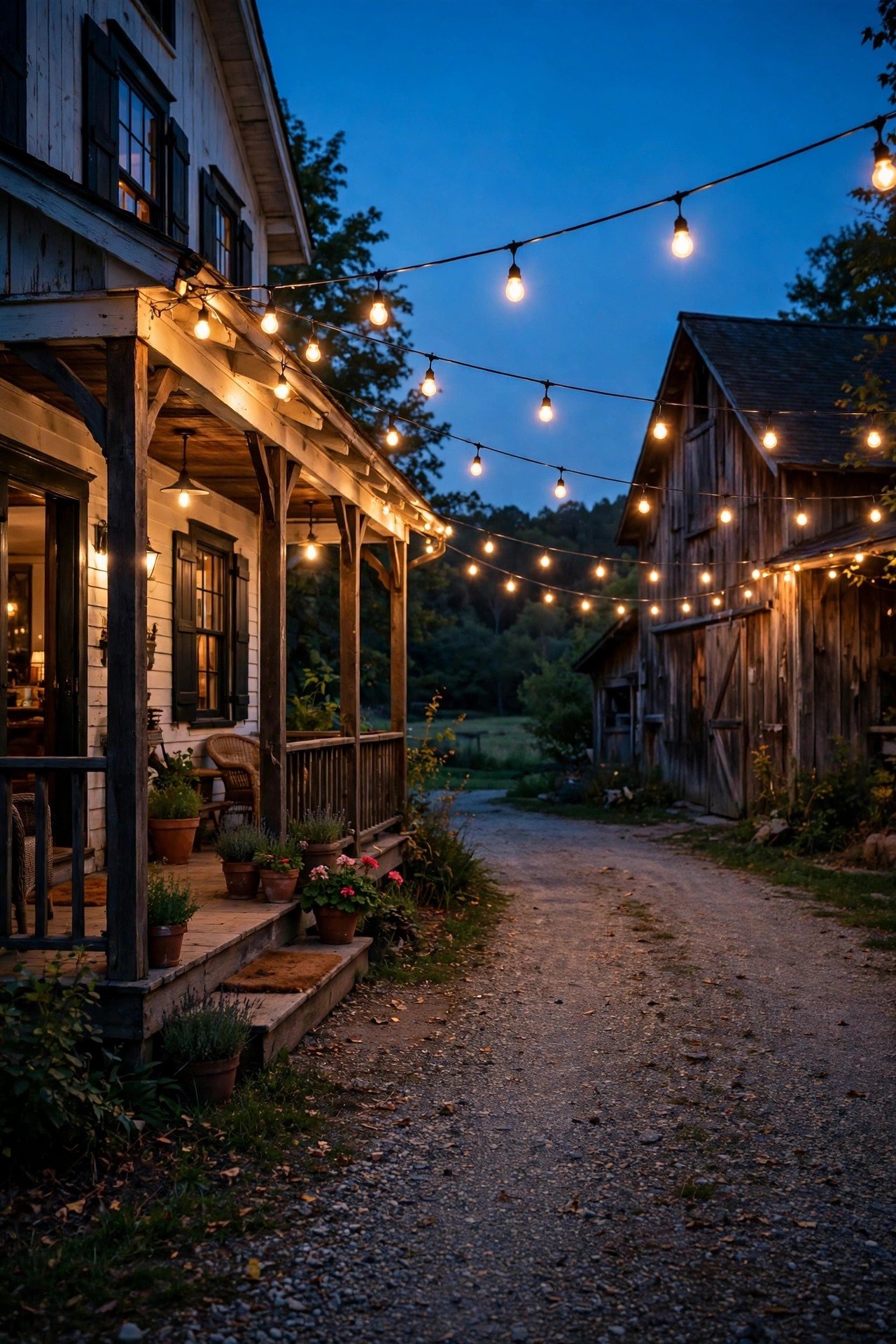
Moving water plus light is the oldest resort trick in the book, and it works in a yard of any size. A small submersible LED spotlight set at the base of a fountain, aimed up through the falling water, turns a modest bubbler into a liquid sculpture after dark. For wall fountains and spillways, hide a warm strip light behind the lip so the sheet of water itself becomes the glowing element. Keep the color warm — 2700K or softer — because cool white water light reads municipal very quickly. Submersible fixtures must be rated for full underwater use, run on low voltage or a GFCI-protected circuit, and sit where you can reach them for a monthly lens wipe; algae film dims them faster than anything. If you have a pond or reflecting pool instead, one low uplight on the far bank, aimed at a tree whose reflection doubles in the water, gives you twice the beauty for one fixture. Sound, shimmer, and glow together calm a yard down like nothing else I know.
Suggested budget range: $150 – $600.
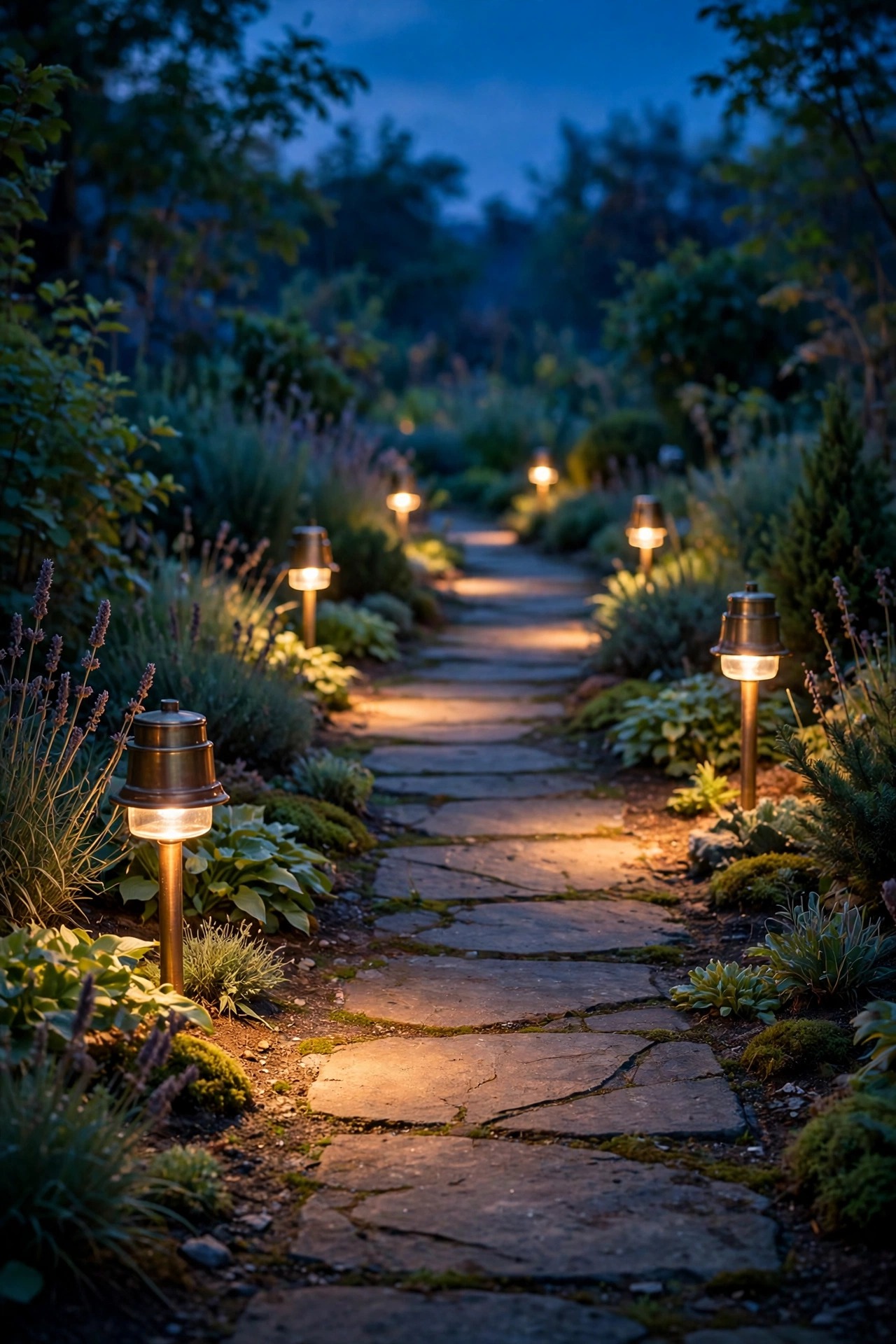
10. Choose Solid Brass Path Lights and Keep Them Low
Path lights are where luxury yards quietly separate themselves, because the material matters more than the shape. Solid brass fixtures cost more up front but age into a rich patina instead of peeling like painted aluminum, and they will outlast three generations of bargain stakes. Choose low, shielded designs that throw light down onto the path surface in a soft pool, never out into guests' eyes. Space them 8 to 10 feet apart along one side of a path, staggered if the walk curves, and keep them 12 inches back from the edge so mowers pass cleanly. Low-voltage wired runs give the steadiest result and let the whole path live on one timer zone with the rest of your guidance layer. Where I see money wasted is quantity: a path needs gentle punctuation, not a landing strip, so if you can read a book under them, remove every other light and watch the yard get prettier. The goal is that guests always know where the path is without ever thinking about why.
Suggested budget range: $400 – $1,100.
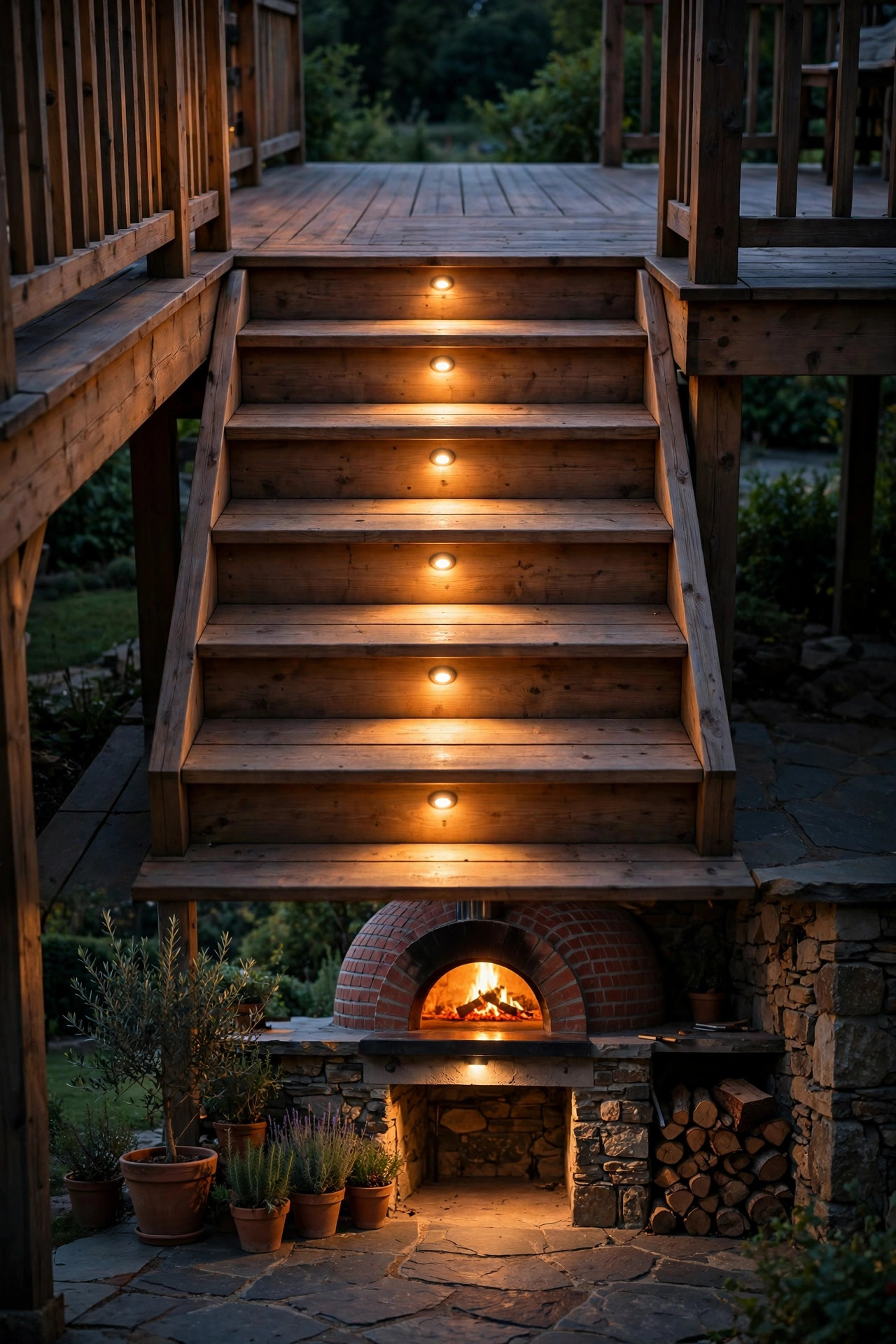
11. Recess Lights Into Steps and Deck Edges
Nothing feels more custom than light that comes from the architecture itself, and recessed step lights are the easiest version of that trick. Set small LED fixtures into the riser of each stair or into the deck fascia near the edge, so every tread edge catches a line of warm light and nobody misses a step after dark. On a deck, a rhythm of recessed markers along the perimeter also defines the space beautifully without a single visible fixture. Use wet-location rated housings, keep the light output modest — these are markers, not spotlights — and match their temperature to the rest of the yard at 2700K. Wire them into the guidance zone so they follow the same timer as the path lights. Retrofitting is easiest during a deck build or resurface, so if new boards are in your future, plan the wire runs before the first plank goes down. Guests will never consciously notice these lights, which is exactly the point: they will just feel that moving around your yard at night is effortless, the way it feels at a well-run hotel.
Suggested budget range: $250 – $800.
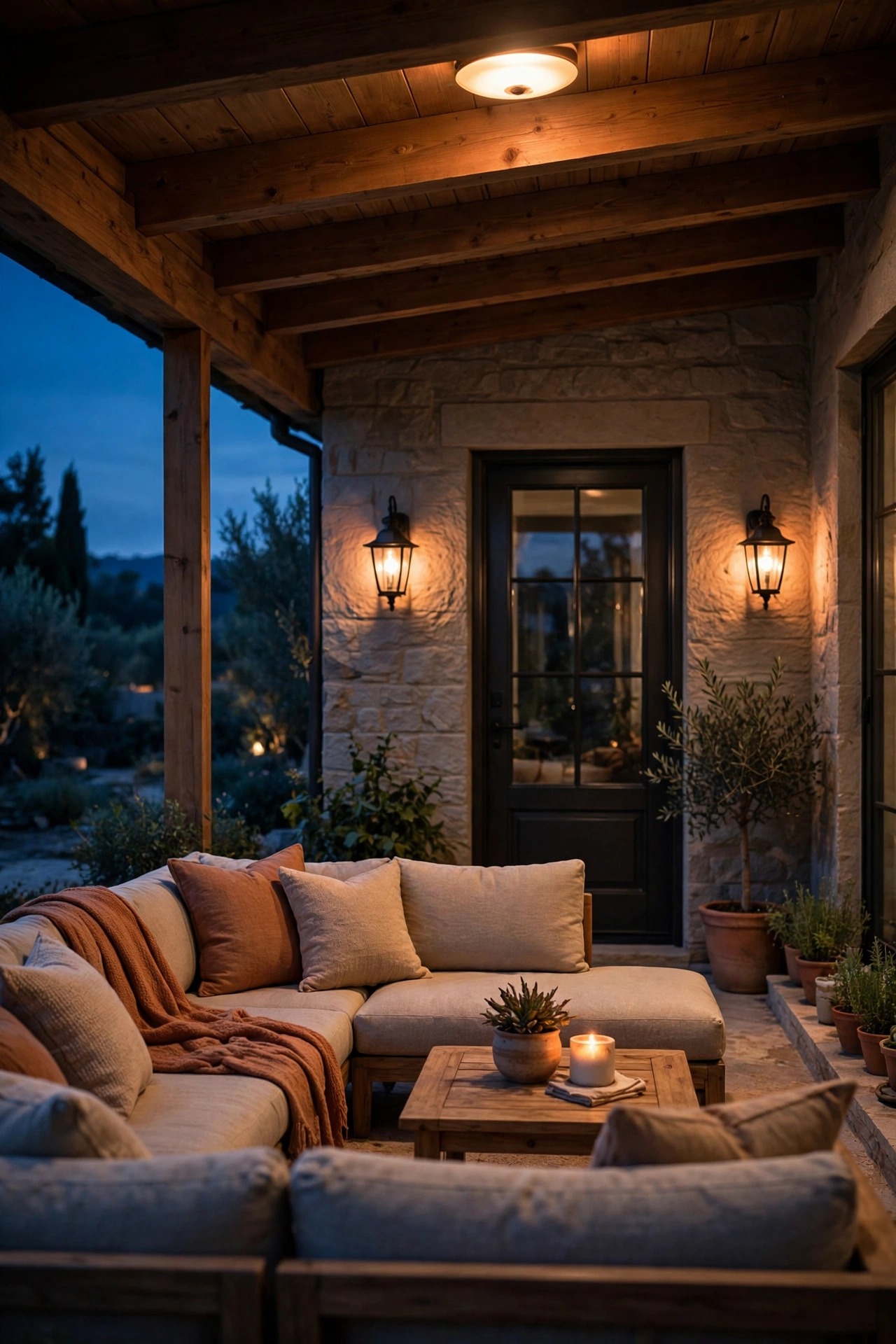
12. Add Sconces and a Ceiling Light to the Covered Patio
The covered patio or lanai is where backyard evenings actually happen, and it deserves real room lighting, not spillover from the kitchen window. Flank the back door with a pair of outdoor sconces sized like indoor fixtures — this is not the place for tiny carriage lamps — and put a flush-mount or a ceiling fan with an integrated light kit at the center of the ceiling. Keep the fan's light and the sconces on separate dimmers so you can run the room in layers: sconces only for drinks, everything on for a card game. Choose fixtures that echo the house's interior hardware finishes, because the covered patio is a room, and treating it like one is the whole luxury mindset. All fixtures here need at least a damp-location rating, wet if the ceiling edge takes wind-driven rain. A pair of sconces at seated eye level also throws the kindest light on faces of anything in this list, which is why the prettiest dinner photos always happen under a porch roof.
Suggested budget range: $300 – $950.
13. Spotlight the Garden Art Nobody Sees by Day
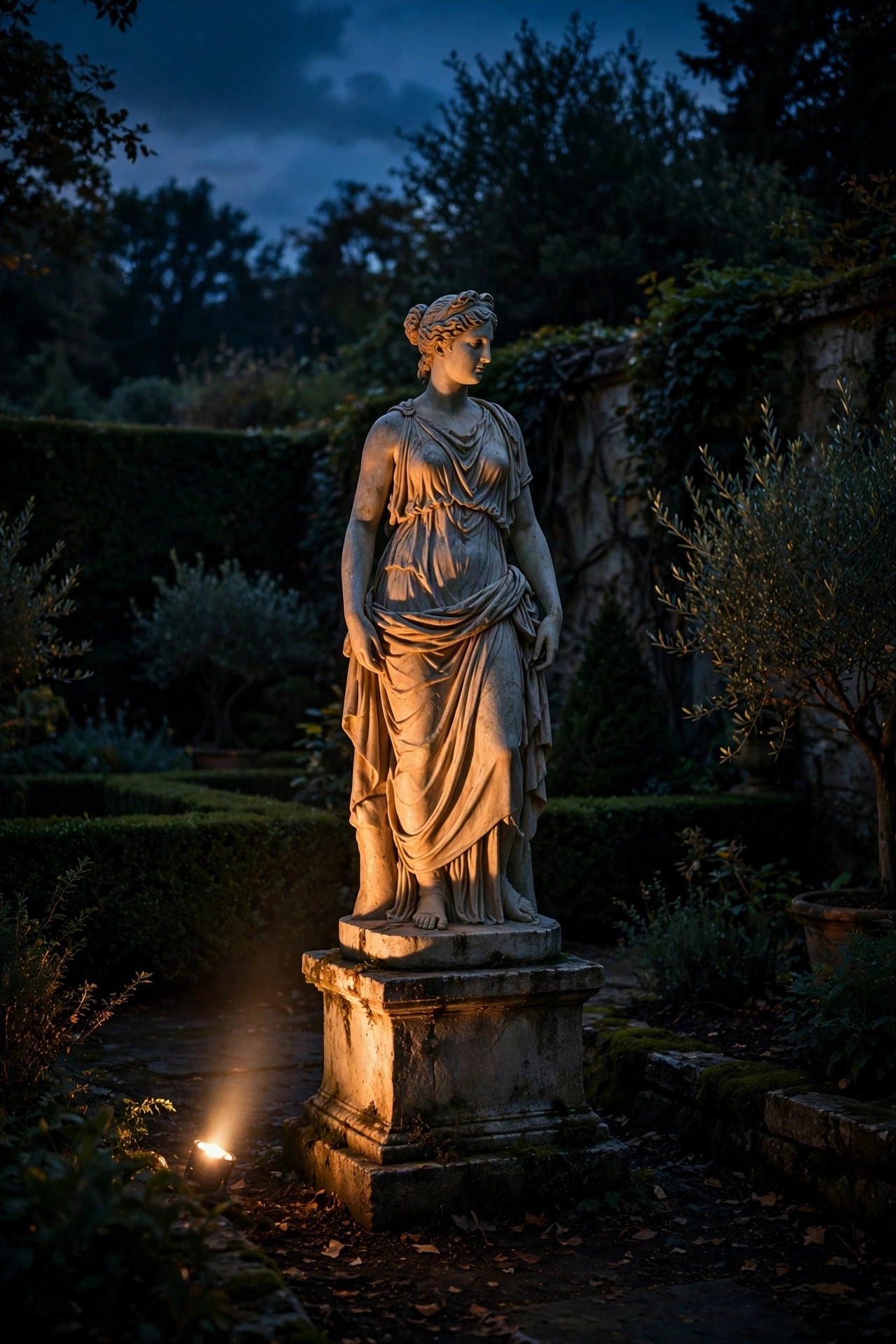
Resorts light their sculptures; you can light yours. A garden statue, a beautiful urn, a piece of metal wall art on the fence — each one deserves a small, tight-beamed accent light placed low and close, aimed so the piece models itself in light and shadow. A beam spread of about 15 to 30 degrees is the portrait lens of landscape lighting: wide enough to cover the piece, narrow enough to leave the surroundings dark, and darkness is what makes it feel like a gallery. For urns and planters, an uplight tucked inside or just in front washes the foliage from within and looks genuinely magical. Keep these fixtures on the accent zone so they can burn a little brighter than the guidance layer without unbalancing the yard. And rotate the honor: in my yard, the statue gets the spotlight in summer, and in fall a small spotlight moves to the Japanese maple at peak color. Art lighting should feel curated, and curation means editing, not accumulation.
Suggested budget range: $120 – $450.
14. Cluster Lanterns in the Trees at Different Heights
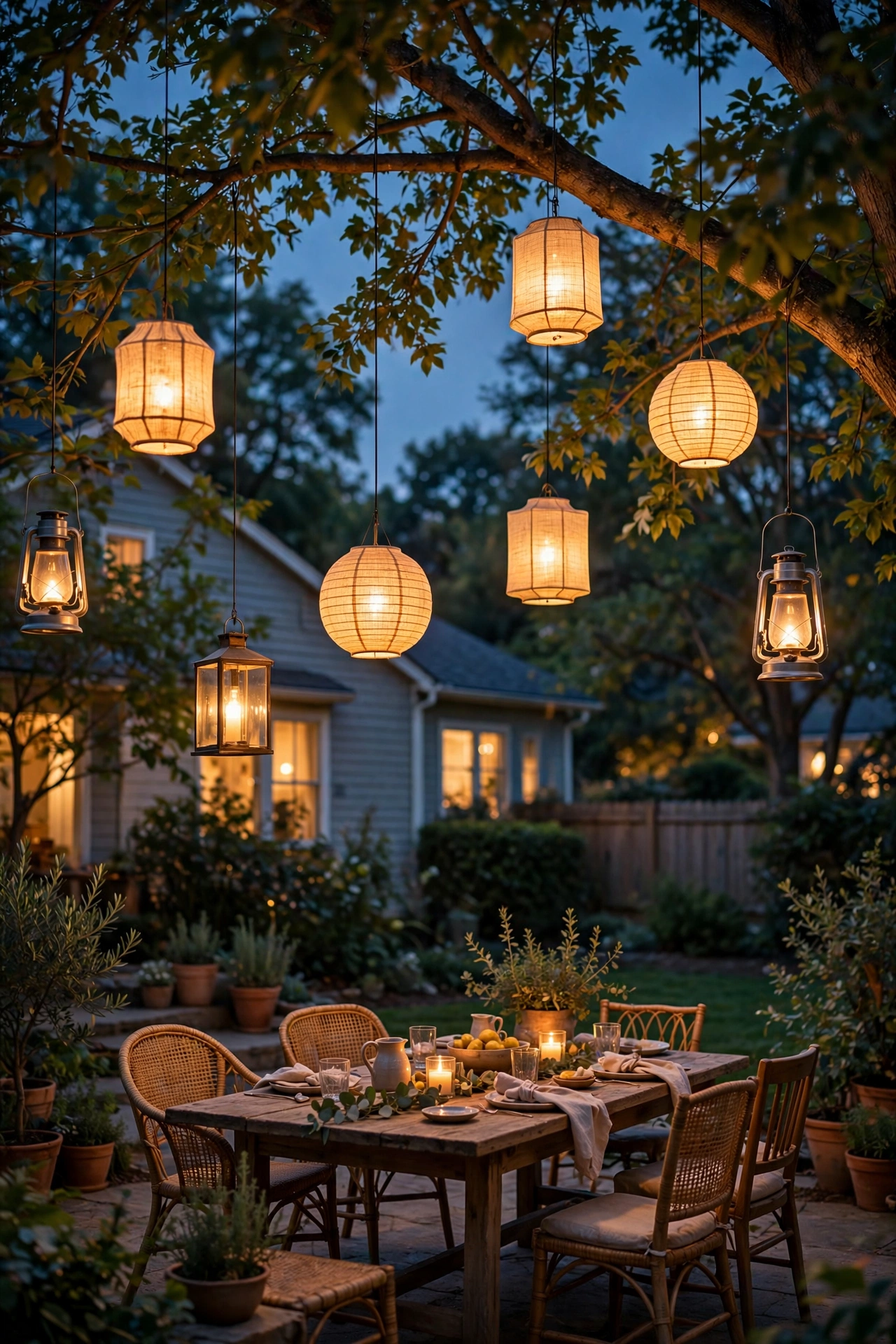
For softness no wired fixture can match, hang a cluster of lanterns in a low tree over your favorite seating corner. Mix three to five lanterns at varied heights — the lowest about 7 feet up, the highest near 10 — and group them close together so they read as one floating constellation rather than scattered singles. Battery-powered flameless candles on timers are the practical choice here: no cords in the branches, no open flame near leaves, and they wake up at dusk on their own for five hours a night. Lanterns in black metal, aged brass, or woven rattan each give a different flavor, but commit to one material per cluster. Hang them with jute rope or discreet black chain from sturdy limbs, and check the whole arrangement after storms. This is the corner guests drift to with a glass of something after dinner, every single time. It costs little, photographs beautifully, and delivers the intimate, tucked-away feeling that big open yards struggle to create on their own.
Suggested budget range: $100 – $350.
15. One Warm Temperature Makes Luxury Backyard Lighting Ideas Feel Cohesive
Here is the least glamorous and most important idea on this list: pick one color temperature and defend it everywhere. Resorts feel calm because every bulb in sight agrees — usually a warm 2700K, with 2200K reserved for flame-effect bulbs near the fire. The moment a cool 5000K bulb sneaks into a path light or a porch fixture, the eye catches the mismatch and the whole yard feels cheaper, even if every fixture is solid brass. When you shop, buy bulbs and integrated fixtures by their Kelvin rating, not by words like warm white on the box, and keep a small labeled stash of spares so a midnight replacement never introduces a stranger. Put dimmers on the welcome and accent layers, because dimming warms light further and lets you tune the mood nightly. In my experience, half of the yards that feel off are one rogue bulb away from feeling right. Audit yours on the next clear evening: stand at the gate, squint, and hunt for anything that glows blue-white. Replace the offender before you buy anything new.
Suggested budget range: $150 – $600.
16. Run It All on Smart Scenes and an Astronomical Timer
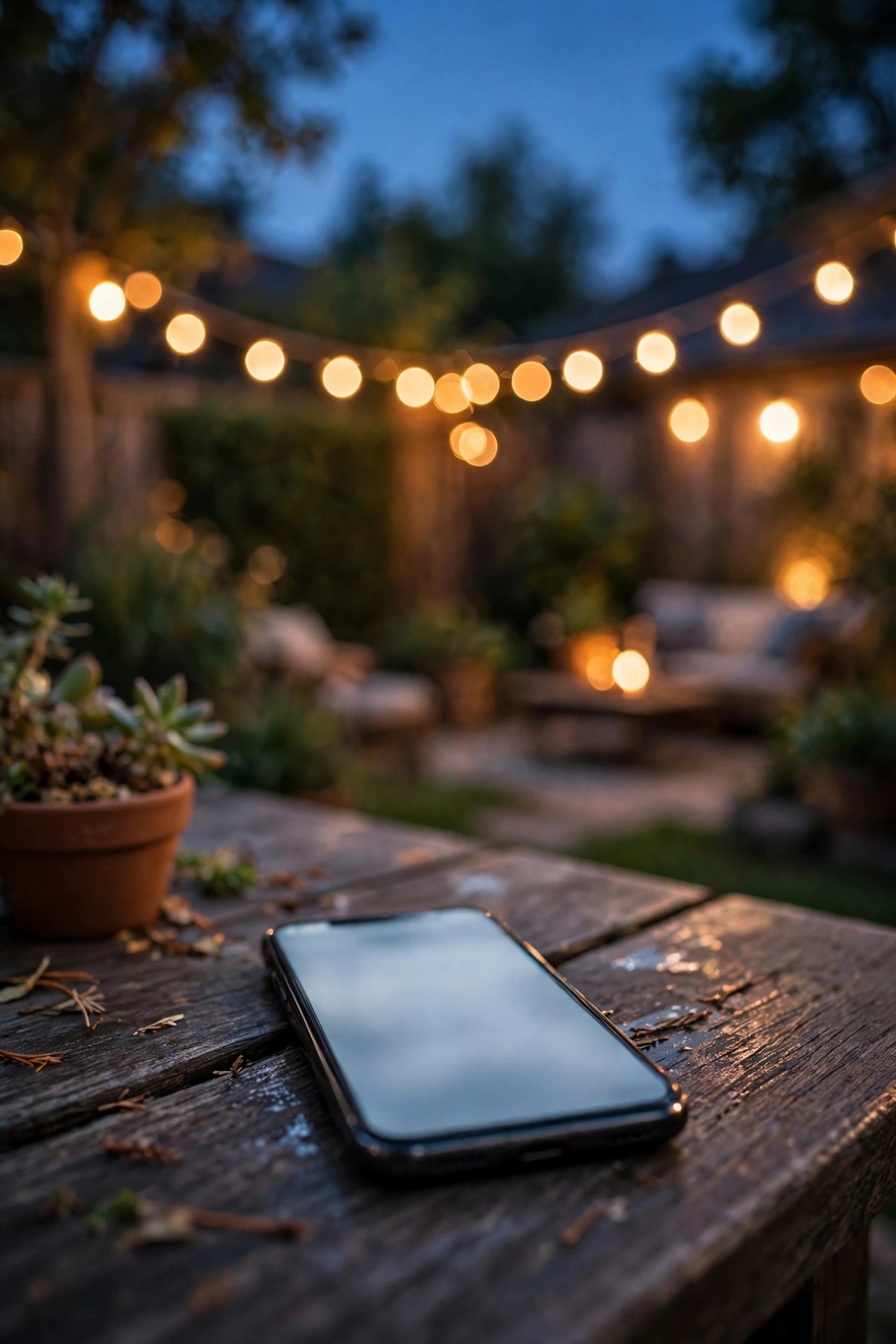
The difference between a lit yard and a resort yard is often just choreography, and choreography means controls. Put the whole system on an astronomical timer that tracks sunset in your zip code, so lights arrive with dusk every night of the year without a single adjustment from you. Then build two or three scenes: an everyday scene with guidance and welcome layers at full and accents at seventy percent, an entertaining scene that brings the pool, chandelier, and café strands up together, and a late-night scene that drops everything to a whisper after eleven. App or voice control is a genuine pleasure here, not a gimmick — dimming the chandelier from the table without standing up is the kind of small luxury guests remember. Choose one control system and standardize on it across zones, because three apps for one yard is nobody's idea of relaxation. Set the schedule, save the scenes, and then enjoy the best feature of all: forgetting the system exists.
Suggested budget range: $200 – $800.
17. Give the Cabana or Pool House Its Own Warm Glow
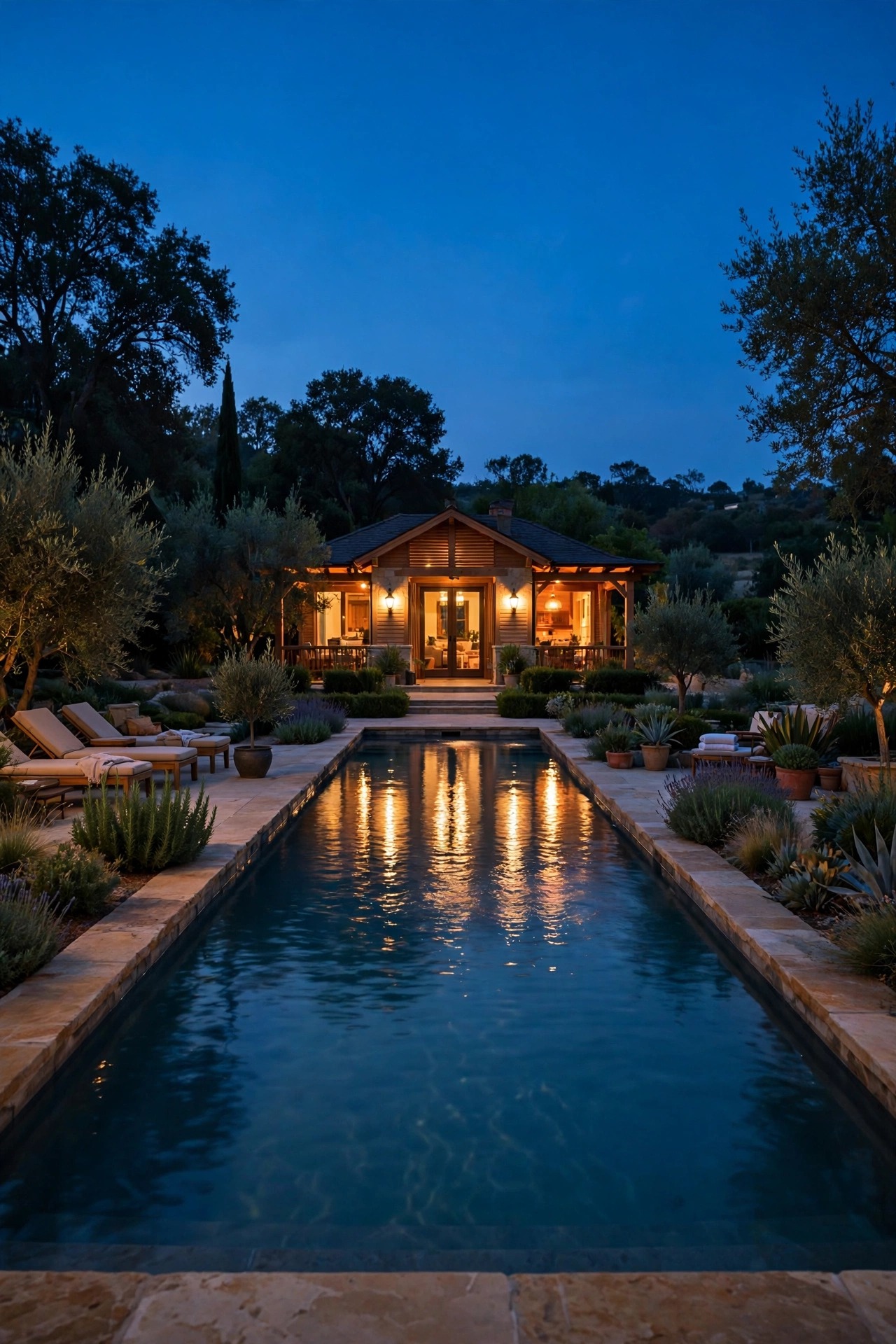
If your yard has a pool house, cabana, or even a handsome shed, light it like a destination rather than a storage unit. A small pair of sconces by its door, a warm interior glow through its windows, and one soft uplight on its best architectural detail — a stone chimney, a cedar gable — turn it into the far focal point that gives the whole yard depth. Resorts understand sightlines: your eye should travel from the patio, across the glowing pool, to something warm and inviting at the far end. Keep the cabana's light a touch dimmer than the main house's so it reads as the retreat, not the headquarters. A ceiling fan light inside, left on low during evening swims, makes the windows glow like a lantern across the water. Even without a true pool house, the principle holds: light the farthest structure you have, whether that is a pergola, a gazebo, or a garden studio, and the yard instantly feels larger, deeper, and more expensive than it did at noon.
Suggested budget range: $350 – $1,100.
18. Dress the Yard Up for Evenings That Matter
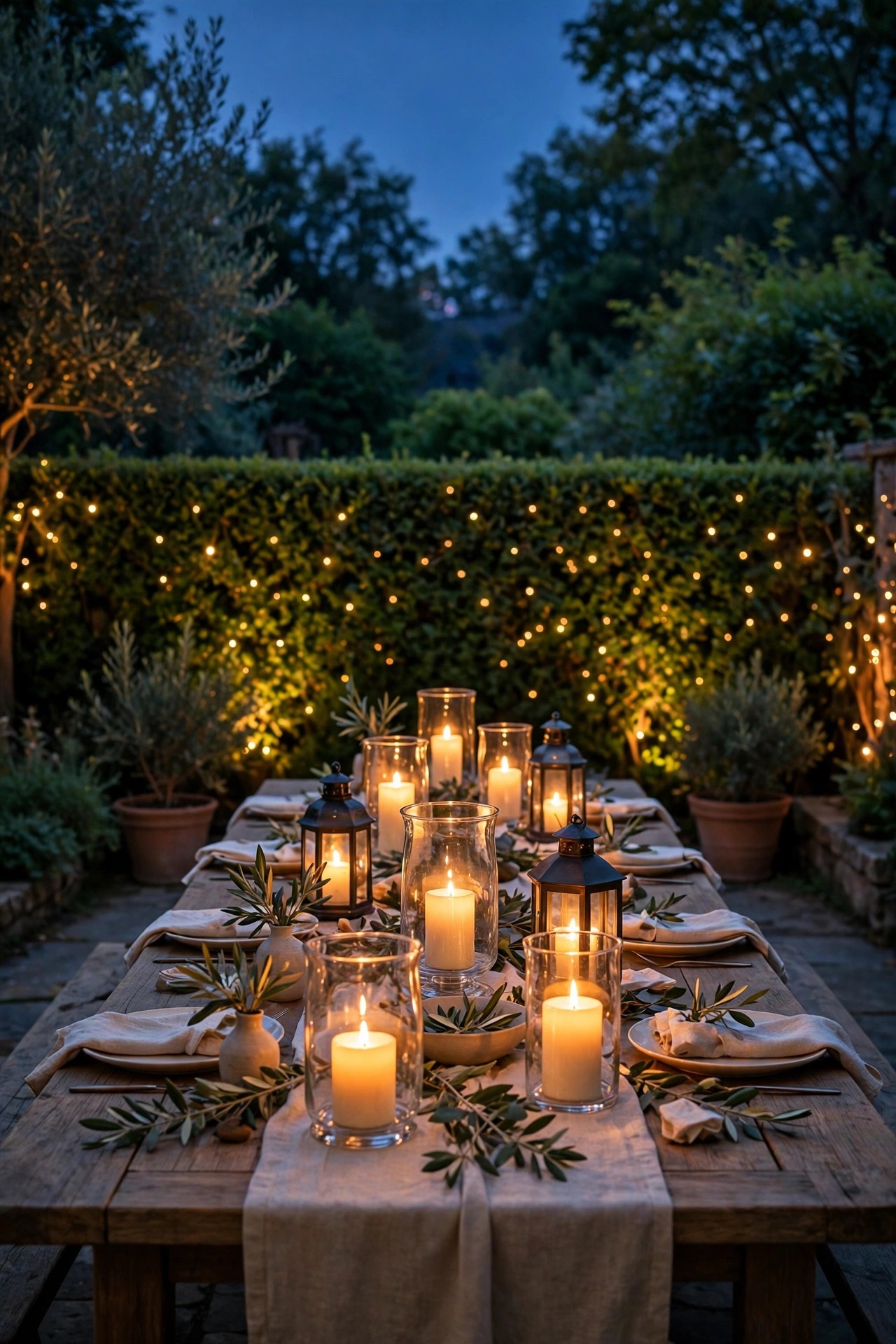
A luxury base scheme earns its keep on ordinary Tuesdays, but it should also dress up. For weddings, anniversaries, and the big summer party, layer temporary pieces over your permanent layers: flameless candles in glass hurricanes down the center of the table, a few extra lantern clusters at the garden's dark corners, and fairy lights woven through the fence or hedge behind the seating so the backdrop itself glows. The rule is addition, not replacement — your guidance, welcome, and accent layers stay exactly as tuned, and the party pieces just raise the sparkle. If you are planning a full celebration setup, my roundup of backyard wedding lighting ideas walks through a complete plan. Keep open flame out of paper goods, dried arrangements, and anywhere a breeze can deliver a curtain; flameless candles have gotten good enough that no guest will ever know. When the last guest leaves, ten minutes of gathering lanterns returns the yard to its calm, everyday resort self, which is exactly the rhythm a well-lit home should keep.
Suggested budget range: $150 – $500.
19. Walk the Yard at Dusk and Edit Your Luxury Backyard Lighting Ideas
The last step costs nothing and matters most: once everything is installed, walk the whole yard at dusk, slowly, the way a guest would. Stand at the gate, cross to the pool, sit in every chair. You are hunting for three things — glare, where a bare bulb hits your eyes; holes, where a step or corner goes black; and arguments, where two lights fight for the same job. Adjust angles with a gloved hand while the fixtures are on, dim the loudmouths, and do not be surprised if removing one light improves the whole scene; editing is the soul of luxury. Resorts employ people who do exactly this walk every week, and your yard deserves the same five minutes monthly, plus a lens wipe while you are out there. This is also when you will feel the result you have been building: guidance underfoot, welcome at the table, accent on the water and trees, one warm temperature holding it all together. That calm, deliberate glow is the whole point — a backyard that feels like the best hotel you know, except it is yours.
Suggested budget range: $0 – $200.
Frequently Asked Questions
What color temperature looks most luxurious outdoors?
Warm, and consistent: 2700K is the resort standard for most fixtures, with softer 2200K reserved for flame-effect bulbs and café strands near seating. The number matters less than the agreement — one temperature everywhere reads calm and expensive, while a single cool-white bulb can make an otherwise beautiful yard feel mismatched. When in doubt, go warmer and dimmer; you can always raise brightness, but you cannot warm up a harsh bulb.
How much does resort-style backyard lighting really cost?
A focused refresh — one hero tree uplit, brass path lights, café strands on a dimmer, and a smart timer — can land between $1,500 and $3,500 in quality fixtures. A full layered scheme with pool lighting, moonlighting, a pergola chandelier, and an outdoor kitchen typically runs $6,000 to $15,000 installed, depending on yard size and how much line-voltage work is involved. Phasing it layer by layer over two or three seasons is how most of my readers do it, and the plan-first approach in this post keeps those phases coherent.
Is low-voltage wired or solar better for a high-end backyard?
Low-voltage wired, and it is not close. Wired fixtures deliver consistent brightness, true warm color, dimming, and decades of service from solid materials like brass and copper. Solar has improved and earns a place as a quiet accent in far beds or temporary party lighting, but its dimmer output, cooler color, and fading batteries undercut the calm, even glow a luxury scheme depends on. I use wired for all three layers and let solar help only where running cable makes no sense.
Do I need an electrician or a lighting designer?
For low-voltage work — path lights, uplights, most accent fixtures — a confident DIYer can handle the transformer, cable runs, and connections safely. Anything line-voltage, anything in or near the pool, and anything involving new circuits or GFCI protection belongs to a licensed electrician, both for safety and for code. A designer is optional but genuinely useful on large or sloped yards; even a one-hour consultation can save you from buying the wrong fixtures. My honest rule: design help is a luxury, electrical safety is not.
Conclusion
The secret behind luxury backyard lighting ideas is that the luxury was never really about the price tags. It is layers that agree with each other: guidance underfoot, welcome where people gather, accent on the water and the trees, all of it in one warm temperature and all of it dimmable. A glowing pool, one beautiful chandelier, a fire pit lit from below, and a timer that brings it all to life at dusk will take your yard further than any single extravagant fixture. Start with the plan, add one layer a season if you like, and take that slow evening walk to keep every light earning its place. If you are ready for more, browse the rest of my lighting ideas here on the site — your resort is closer than you think, and it has your name on the gate.