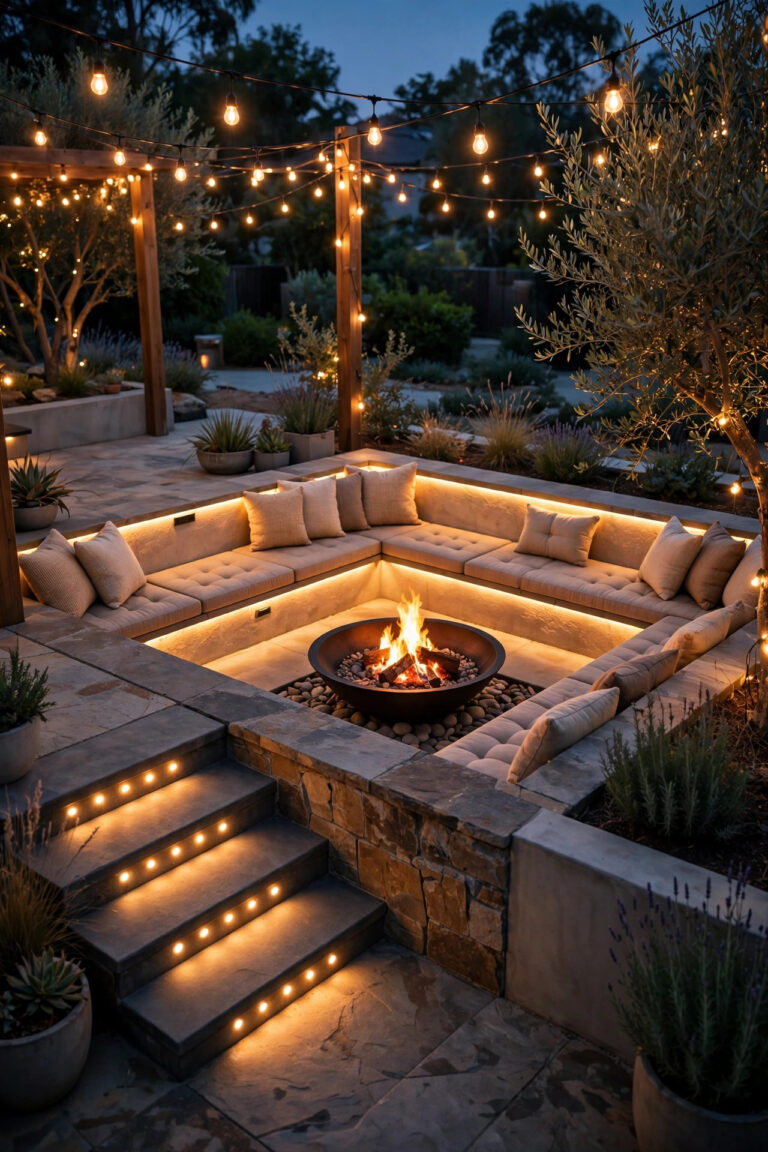
Hiring the right installer is the biggest decision in any lighting project — bigger than any fixture you will ever pick. Fixtures can be swapped in an afternoon. Undersized transformers, skinny wire, and pierce-clip connections get buried in your beds, literally, and you pay for them for a decade. After years of watching friends hire well and hire badly, I am convinced that learning how to hire a landscape lighting professional comes down to the questions you ask before anyone digs a trench. A good pro welcomes hard questions; a weak one gets slippery and vague. So before you sign anything, work through the fifteen questions below. Each one gives you the answer a trustworthy pro gives, the red-flag answer that should end the interview on the spot, and what that answer protects in your wallet. If you want the wider picture first, I have shared my notes on choosing a landscape lighting contractor too. Bring this list to the walkthrough, take notes, and trust specifics over salesmanship. The pro who answers all fifteen well is the one whose work will still look beautiful five winters from now.
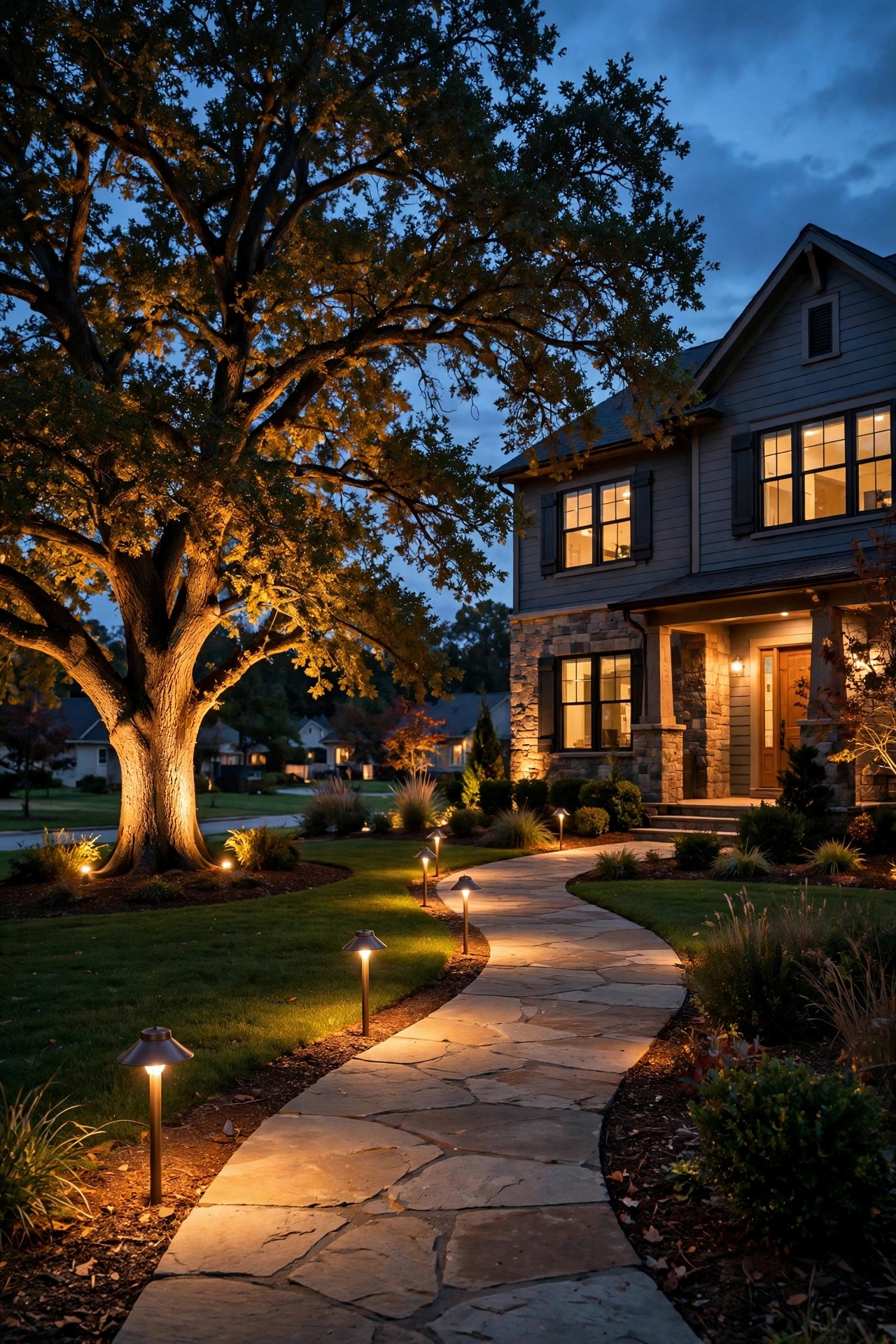
1. How to Hire a Landscape Lighting Professional Starts Here: Are You Licensed and Insured?
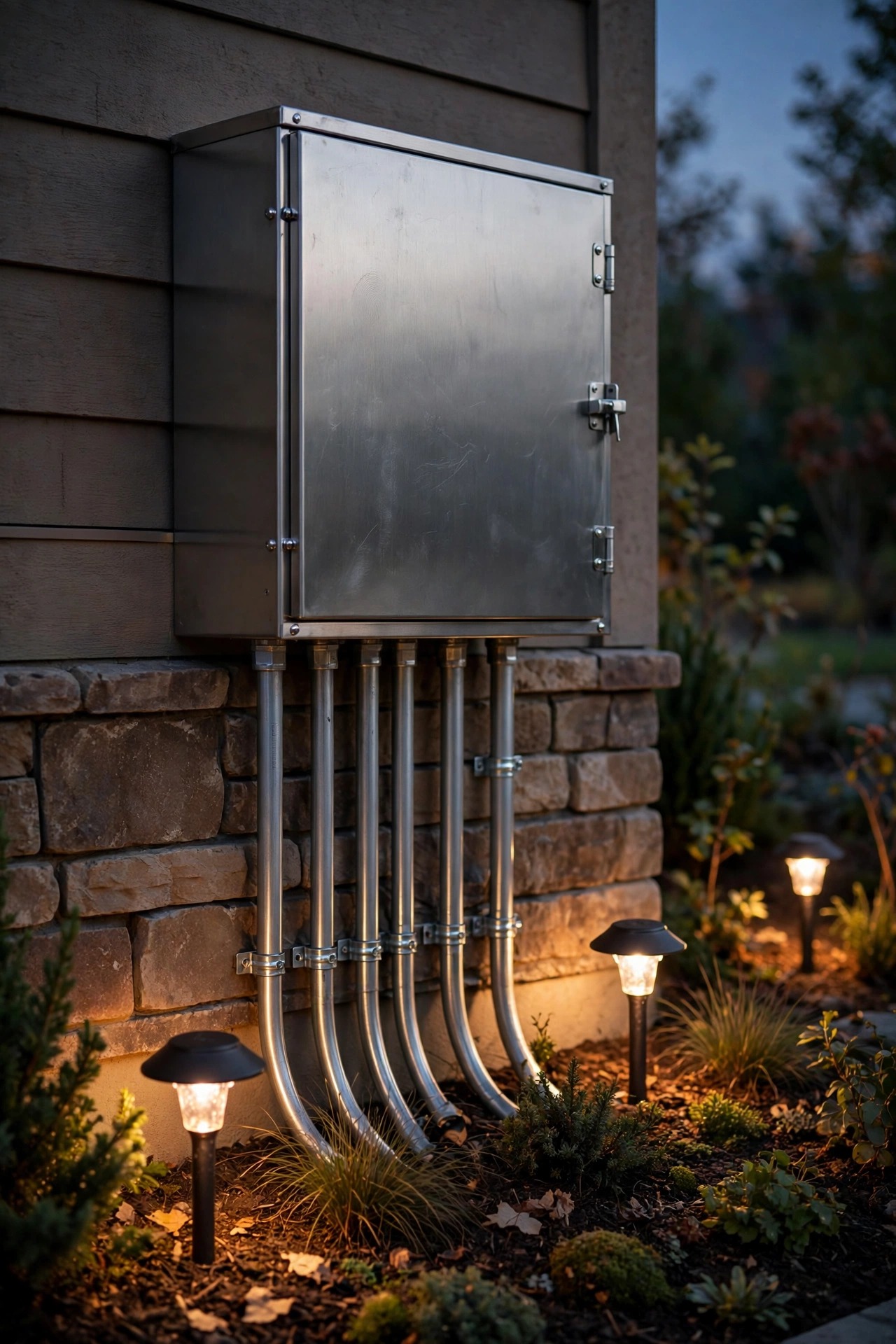
Ask this first, before you discuss a single fixture, and ask for paperwork rather than promises. Licensing rules vary by state — low-voltage work is exempt from electrician licensing in many places, but the outlet and GFCI circuit feeding the transformer are 120-volt work, and that part is regulated almost everywhere. A good pro answers without blinking: a state or local business license, general liability insurance, workers compensation for the crew, and certificate copies offered before you even request them. They will also tell you exactly which parts of your job, if any, a licensed electrician handles. The red-flag answer sounds like this: "We do not bother with permits or insurance for garden lights, it is all low voltage anyway," or anything that ends with a request for cash only. Walk away politely and completely. Why it matters: if an uninsured worker is hurt on your property, or a buried cable shorts against a sprinkler line two summers from now, the bill lands on the homeowner, not the installer who vanished. Verifying one license number online takes four minutes and protects you from the kind of five-figure surprises no warranty-less handshake will ever cover.
Suggested budget range: $1,000 – $10,000.
2. Will You Set Up a Nighttime Demo Before I Commit?
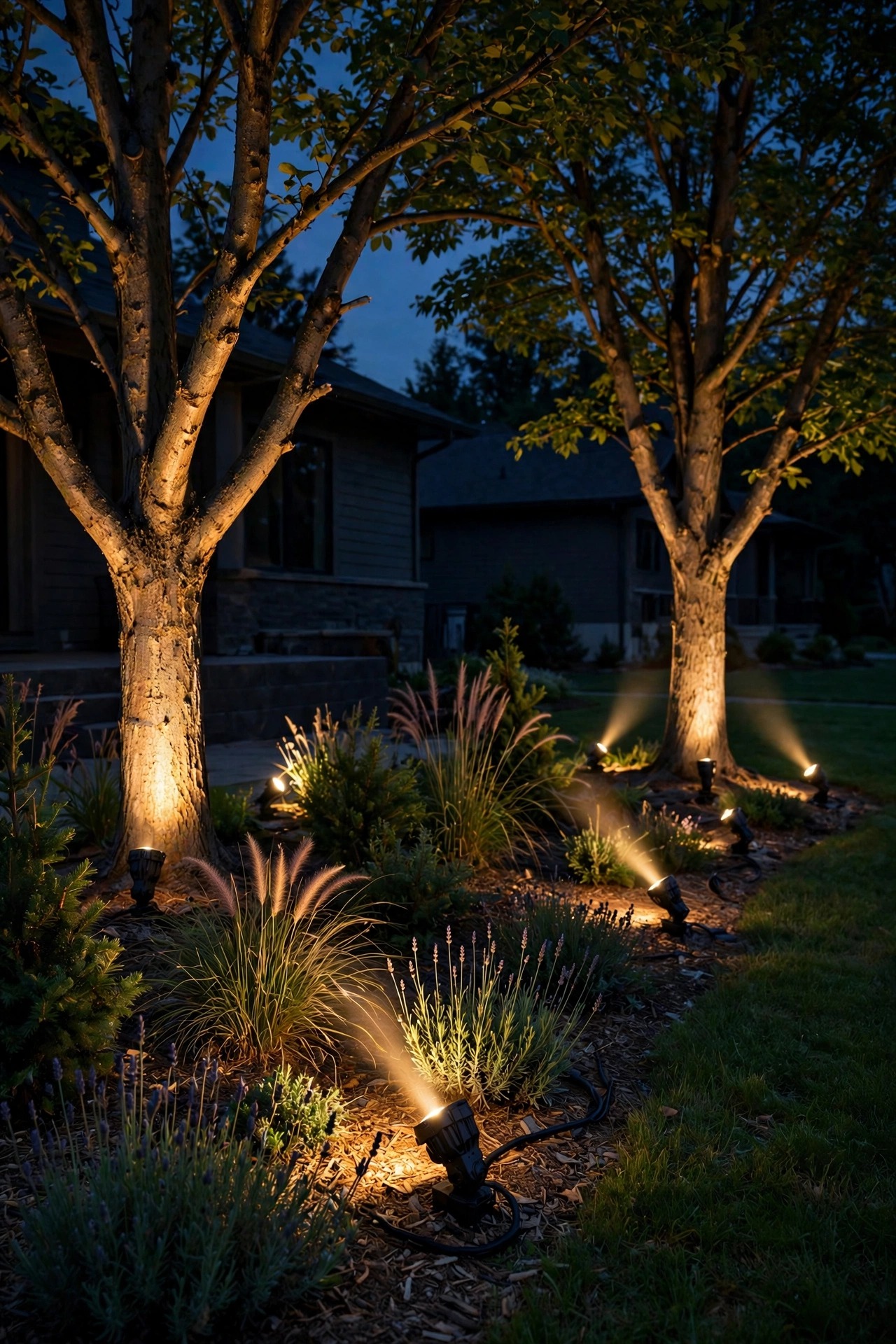
Landscape lighting is the one home improvement you literally cannot judge in daylight, so serious pros prove the design after dark. The good answer: "Absolutely — we will set temporary fixtures on stakes or clamps, run them off a demo transformer for a night or two, and walk the yard with you at dusk." You get to see the real beam spread on your own trees, check glare from the street and the sofa, and feel the difference between a 2700K and a 3000K lamp before a single dollar of product is buried. Many pros offer the demo free or charge a small fee credited toward the job. The red-flag answer is any version of "just trust the catalog photos" or "we have done hundreds of these, they all look great." Photos flatten everything — they hide hot spots, runway effects, and the way a cheap fixture sprays light into a neighbor's bedroom window. A pro who refuses a demo is telling you they design by habit, not by eye, and your yard will be the canvas they practice on. Insist on seeing light, in your yard, at night, before the contract.
Suggested budget range: $0 – $250.
3. What Fixture Materials Do You Install — and What Do You Refuse to Install?
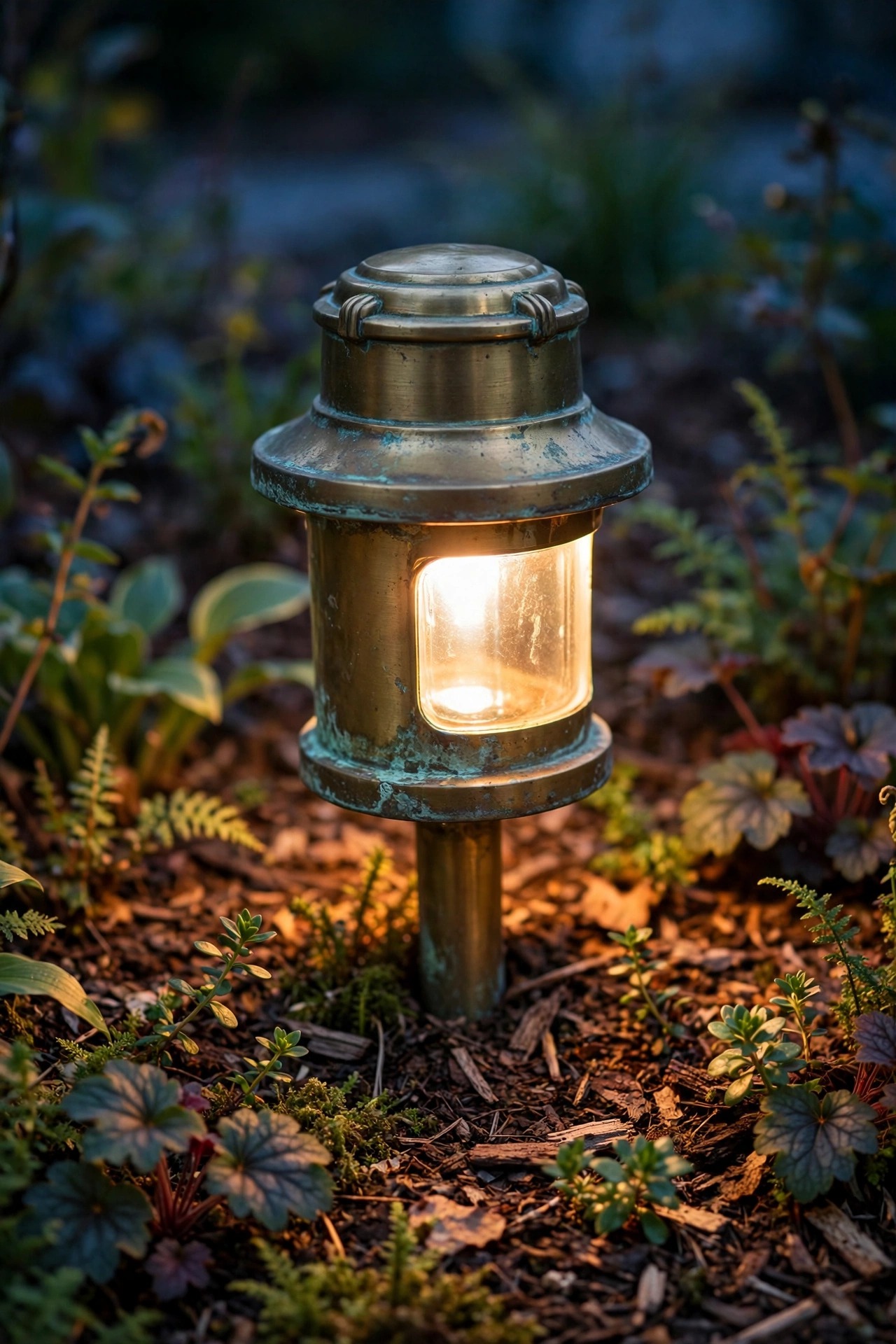
This question separates installers who think in decades from those who think in seasons. The good answer names materials with opinions attached: solid cast brass or copper fixtures that patina instead of peeling, heavy cast aluminum with a proper powder coat as the respectable middle tier, glass lenses instead of plastic, and silicone gaskets. Then comes the part I listen for hardest — what they refuse to install. A real pro has a list: no plastic stake lights, no painted steel that rusts at the stem in two wet winters, no fixtures with foam gaskets that crumble. The red-flag answer is "we can install whatever you buy at the home center" or a shrug about materials altogether. That installer is selling labor hours, not a system, and they will happily bury twenty-dollar fixtures that crack, yellow, and fade before the second spring. Remember, with professional installation the labor is the expensive half of every fixture hole in your yard. Paying a crew to install junk means paying that same crew again in three years to dig the junk out. Buy the fixture once; the digging is not free the second time.
Suggested budget range: $60 – $250.
4. Are the Lamps Replaceable, or Are the Fixtures Sealed?
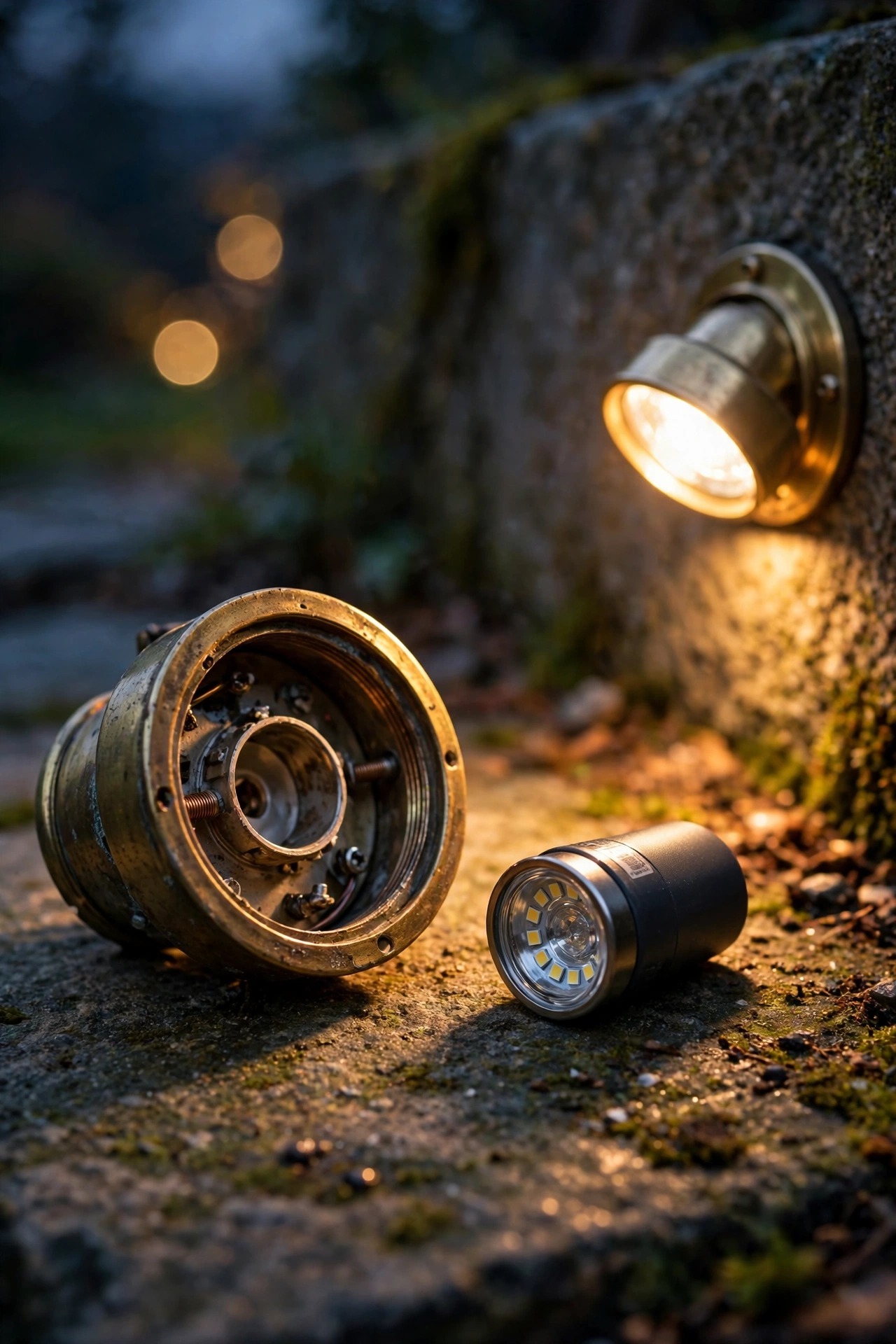
LEDs last a long time, but "a long time" is not forever, and this question decides what happens in year eight. Fixtures built around a standard replaceable lamp — an MR16 or similar socketed LED — can be refreshed for the price of a sandwich: pop the lens, swap the lamp, done. Sealed integrated fixtures bury the LED and its driver permanently inside the housing, so when the module dies or just dims with age, the entire fixture comes out of the ground and a new one goes in, labor included. The good answer: "We install fixtures with replaceable lamps and standard sockets, and we will leave you two spares." The red-flag answer is a wave of the hand: "Sealed is better, these last forever, you will never touch them." Nothing electrical lasts forever, and drivers — not the LED chips themselves — are usually what fail first, often just past the warranty. Ask the pro to open a fixture and show you the lamp with their own hands. If they cannot change it on a tailgate, you are buying a disposable system at permanent-installation prices, and the replacement cycle will quietly double your long-term cost.
Suggested budget range: $8 – $25.
5. How Do You Size the Transformer, and How Much Headroom Is Left?
The transformer is the heart of the system, and sizing it is simple math a good pro does out loud. They add up the wattage of every lamp on the plan, then choose a transformer rated comfortably above that load — most pros aim to run at about 70 to 80 percent of capacity — so the unit runs cool, lasts longer, and leaves room for the two or three fixtures you will inevitably want next year. Multi-tap transformers, with 12 to 15 volt output options, earn bonus points because those taps are how pros conquer voltage drop on long runs. The red-flag answers come in two flavors: "One size fits all, we use the same box on every job," or a transformer sized exactly at — or above — its rating on day one. An overloaded transformer runs hot, hums, cooks its own electronics, and flickers on cold nights. An exactly-full transformer also strands your future plans: every added fixture means a second transformer, a second timer, and a second trenching bill. Ask for the load math in writing on the quote itself. A pro who cannot show you the numbers is guessing, and you are the one paying for the guess.
Suggested budget range: $150 – $450.
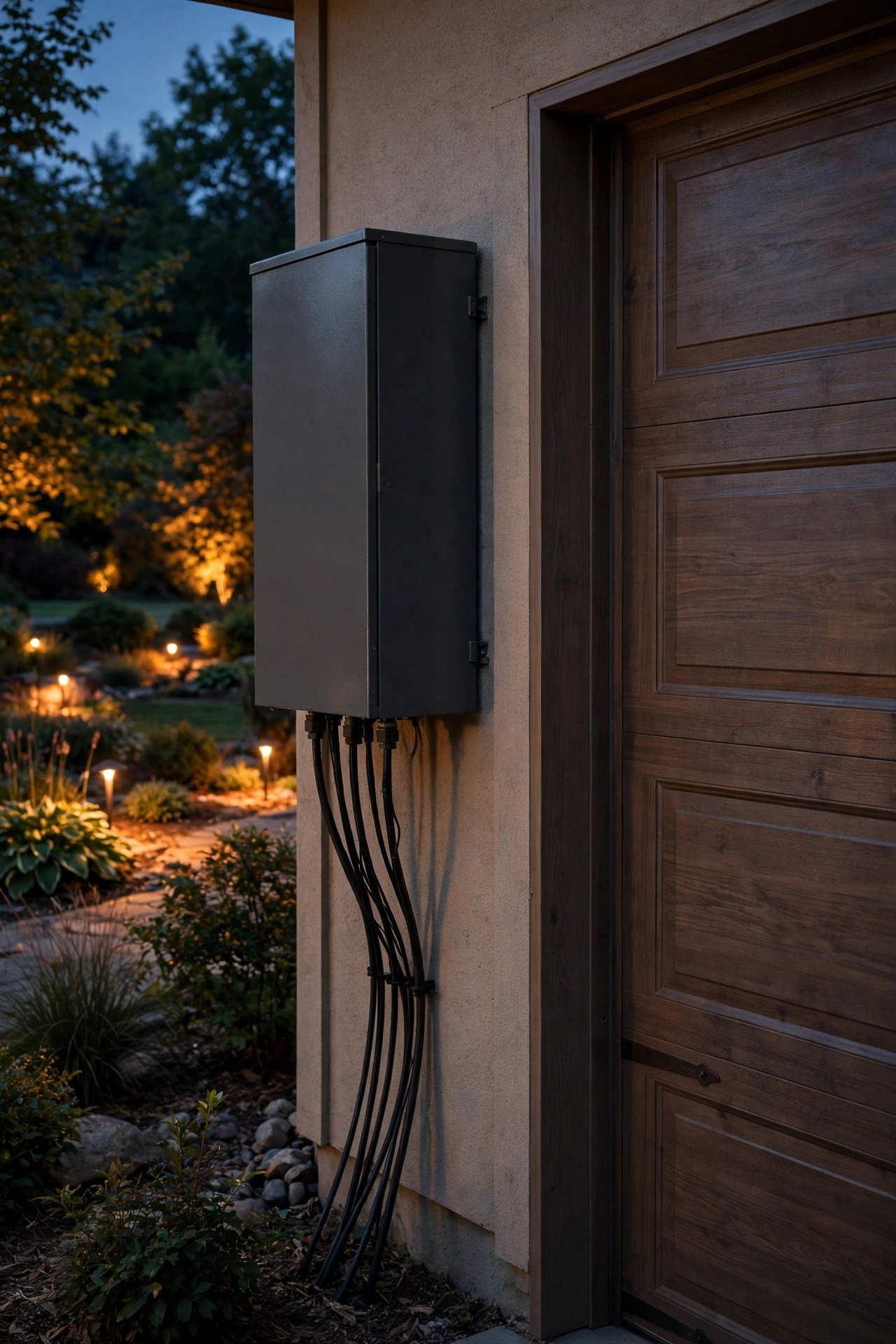
6. What Wire Gauge and Connection Method Do You Use?
Wire is invisible once buried, which is exactly why corner-cutters save their money here. The good answer is specific: 12-gauge direct-burial cable for most residential runs, 10-gauge on very long ones, and connections made with brass hub connectors, gel-filled wire nuts, or soldered and sealed joints — methods that keep water out of the copper for decades. Ask them to show you a sample connection; good pros carry one in the truck and clearly enjoy the question. The red-flag answer is the pierce-point clip, sometimes called a quick connector: two plastic teeth that bite through the insulation to touch the wire. They install in seconds, which is their entire virtue. Within a couple of seasons, moisture creeps into those pinholes, the copper corrodes green, resistance climbs, and your lights dim one by one while you blame the bulbs. Tracking down corroded clips buried in mulch is maddening, billable detective work. The difference between proper connections and clips on a typical system is a few hundred dollars at install — and thousands in troubleshooting, re-digging, and replacements later. This is the hill I would die on as a buyer.
Suggested budget range: $100 – $400.

7. How Do You Handle Voltage Drop on Long Runs?
Electricity fades with distance: push 12 volts down a hundred feet of cable feeding a string of fixtures, and the last light on the run may see only 9 volts — glowing noticeably dimmer and warmer than the first. A competent pro explains this before you ask and has a toolkit ready: home-run wiring back to the transformer, the hub method that equalizes distances, splitting loads across runs, thicker cable, and using the transformer's higher voltage taps to compensate. The phrase I want to hear is a target: keeping every lamp between roughly 10.5 and 12 volts so the whole yard matches. The red-flag answer is a blank stare, or worse, "LEDs do not care about voltage." They do care — underfed LEDs dim unevenly, shift color, and make a carefully planned design look like a yard sale of mismatched lights. Voltage drop is invisible on install day in bright afternoon sun and glaring obvious on the first night walk, which is why this question belongs in the interview, not the complaint call. If a pro cannot explain it in plain English, they have never fixed it — they have only left it behind.
Suggested budget range: $300 – $800.

8. What Exactly Does the Quote Include, Line by Line?
A professional quote reads like a receipt, not a riddle. The good answer itemizes: fixture count and model tier, transformer size, feet of cable, timer or photocell controls, trenching and bed restoration, any permit fees, haul-away and cleanup, and the dusk adjustment visit. Line items let you compare three bids honestly, spot what a suspiciously cheap bid quietly omitted, and — just as valuable — decide where to trim. Maybe you keep the brass fixtures but phase the backyard trees to spring. You can only make those calls when the numbers are separated. My own breakdown of landscape lighting budget tiers will help you sanity-check where a quote lands before you sign. The red-flag answer is a single lump sum scribbled on the back of a business card, or a verbal price "around three thousand, give or take." Give-or-take contracts grow teeth later: the timer becomes an extra, the cleanup becomes your weekend, and that included adjustment visit evaporates. Get the itemized quote in writing, keep it with the contract, and treat any refusal to itemize as the answer to the whole interview.
Suggested budget range: $2,000 – $8,000.
9. What Warranty Covers the Fixtures, the Transformer, and Your Labor — Separately?
"Warranty" is three different promises wearing one coat, and pros who blur them together are counting on you never asking. Ask separately. Fixture warranty: solid brass fixtures commonly carry long manufacturer warranties, sometimes lifetime on the housing — but that covers the part, not the swap. Transformer warranty: ask the years and whether the timer mechanism inside is included. Labor warranty: this is the installer's own workmanship coverage, and one to five years is the honest range; this is the warranty that pays a human to come re-aim, re-connect, and replace on their dime. The good answer gives three numbers, in writing, and explains who you call and who files the manufacturer claim — the pro or you. The red-flag answer is "we stand behind our work" with nothing on paper, or a big lifetime number that turns out to be only the fixture housing while labor expires in ninety days. Warranties are also a quiet quality signal: installers who bury pierce clips and plastic fixtures cannot afford long labor warranties, and they know it. Write the three answers on the quote itself before signing, not after the first failure.
Suggested budget range: $500 – $2,000.
10. Who Services the System in Year Two, and What Does a Visit Cost?
Outdoor lighting is a living system in a growing garden: plants swallow fixtures, lenses film over, lamps age, and a light that was perfectly aimed in May is lighting the inside of a hydrangea by August. Good pros plan for this and will quote it cheerfully — an annual or seasonal service visit that covers cleaning lenses, re-aiming, trimming back plantings, checking voltage, and swapping tired lamps, either per visit or as a modest yearly plan. Ask whether they service systems they did not install, too; the answer reveals whether service is a real department or an afterthought. The red-flag answer is "these systems never need service" — a sentence that is simply not true of anything outdoors — or a company that goes quiet when you mention year two, because they intend to be unfindable by then. Knowing the year-two price before you sign also protects your budget from the classic trap: a rock-bottom install bid from a company that plans to make it back on $400 "emergency" service calls. Maintenance money spent with the original installer is the cheapest insurance your system can have.
Suggested budget range: $75 – $250.
11. Can I See Two Finished Jobs at Night, Not in Photos?
Every lighting portfolio looks gorgeous, because photos lie in a dozen flattering ways: long exposures gather light that was never there, angles hide glare, and nobody photographs the fixture that buzzes or the corner they left black. So ask for two addresses — ideally jobs at least a year old — that you can drive past after dark, or a past client willing to let you stand in the yard for five minutes. The good pro lights up at this question, pun intended, and hands over addresses with genuine pride, because a night drive-by sells their work better than any brochure. Look for even brightness with no dim tail-end fixtures, beams that land on trees and stone rather than in windows, and hardware that has weathered gracefully. The red-flag answer is a portfolio-only defense: "Our clients value privacy, but here are some pictures on my phone." Privacy is real, but a company with years of happy clients can always find two who said yes in advance. A pro who cannot show you a single finished yard at night is asking you to be their first portfolio piece — at full price.
Suggested budget range: $0 – $25.

12. What Is the Payment Schedule? The Money Question in How to Hire a Landscape Lighting Professional
Money timing is where your leverage lives, so get the schedule in writing before work begins. A fair structure looks like this: a modest deposit to schedule the job, sometimes a materials payment when fixtures arrive, a progress payment at rough-in if the project is large, and a meaningful final balance — ten to twenty percent — due only after the nighttime walkthrough, when you have seen every fixture lit, the punch list is written, and adjustments are promised with a date. The good pro proposes something close to this themselves, because pros who finish jobs do not fear final walkthroughs. The red-flag answers are "full payment up front" and "balance due at completion," where completion mysteriously means the afternoon the trenches close — hours before the first dusk reveals the dim run at the back fence. Once the last check clears, your punch list is a favor you are requesting; before it clears, it is a contract they are completing. Never let the schedule invert that. If a pro balks at a modest holdback tied to the night walk, ask yourself what they expect you to find in the dark.
Suggested budget range: $250 – $1,500.
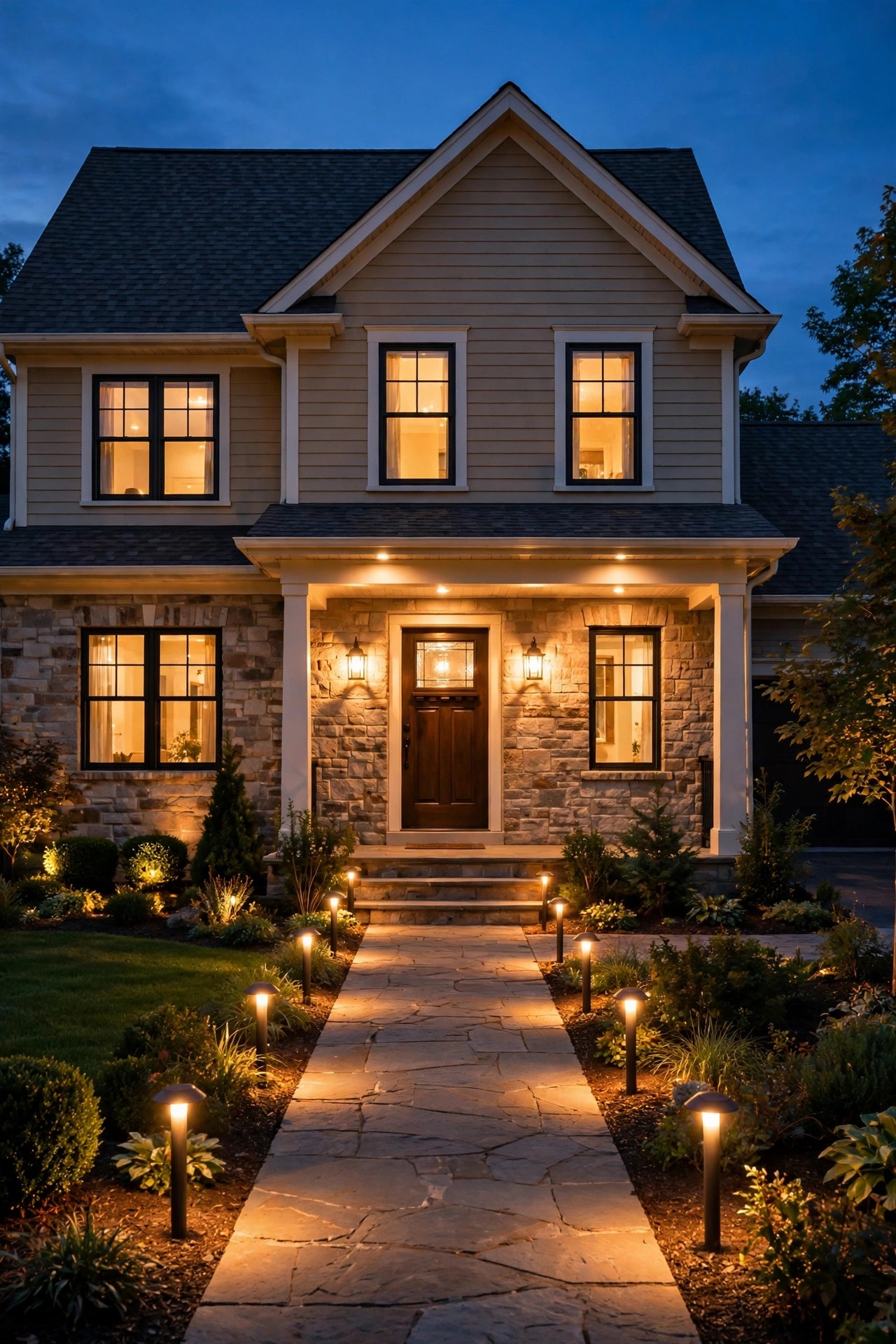
13. How Do You Aim and Adjust After Install — the Dusk Fine-Tune Visit?
Here is the industry's open secret: fixtures installed and aimed in daylight are aimed wrong. Beams behave differently than anyone guesses, glare only shows itself in darkness, and soil settles around new fixtures in the first weeks. Good pros build the correction into the job — a scheduled return visit at dusk, usually within one or two weeks, where they walk the property with you and nudge angles, swap a beam spread that is too tight, add a glare shield, and re-seat anything that shifted. Ask whether that visit is included in the quote or billed separately, and get it on the calendar before the crew leaves, not as a someday favor. The red-flag answer is "we set everything perfectly the first day" — a claim no honest installer makes — or an adjustment visit that costs a full service call because "aiming is extra." This visit is worth real money to you: it is the difference between the design you approved in the demo and the slightly-off reality that trench day produced. The best installers I know treat the fine-tune as their signature. The worst treat it as a warranty claim you have not filed yet.
Suggested budget range: $0 – $150.

14. What Color Temperature and Beam Plan Are You Proposing, in Writing?
Light has a color and a shape, and if both are not on paper before install day, you are approving a design you have never actually seen described. Color temperature is measured in Kelvin: 2700K is the warm golden glow most of us picture for a home, 3000K is a touch crisper, and anything bluer starts reading as commercial. The good pro states one temperature for the whole system — mixing temperatures fixture to fixture is how yards end up looking patchy — and pairs it with a beam plan: narrow spots for tall trees, wider floods for beds and walls, and shields or louvers where a beam crosses a walkway or a window. All of it written into the quote or a plan sketch you keep. The red-flag answer is "we use whatever lamps come in the fixtures" or "color is color, it all blends at night." It does not blend; your eyes find every mismatch instantly. A written plan also protects you mid-job: if different fixtures show up on the truck than the plan describes, you have paper to point at. Design that cannot be written down is not design — it is improvisation with your money.
Suggested budget range: $0 – $150.
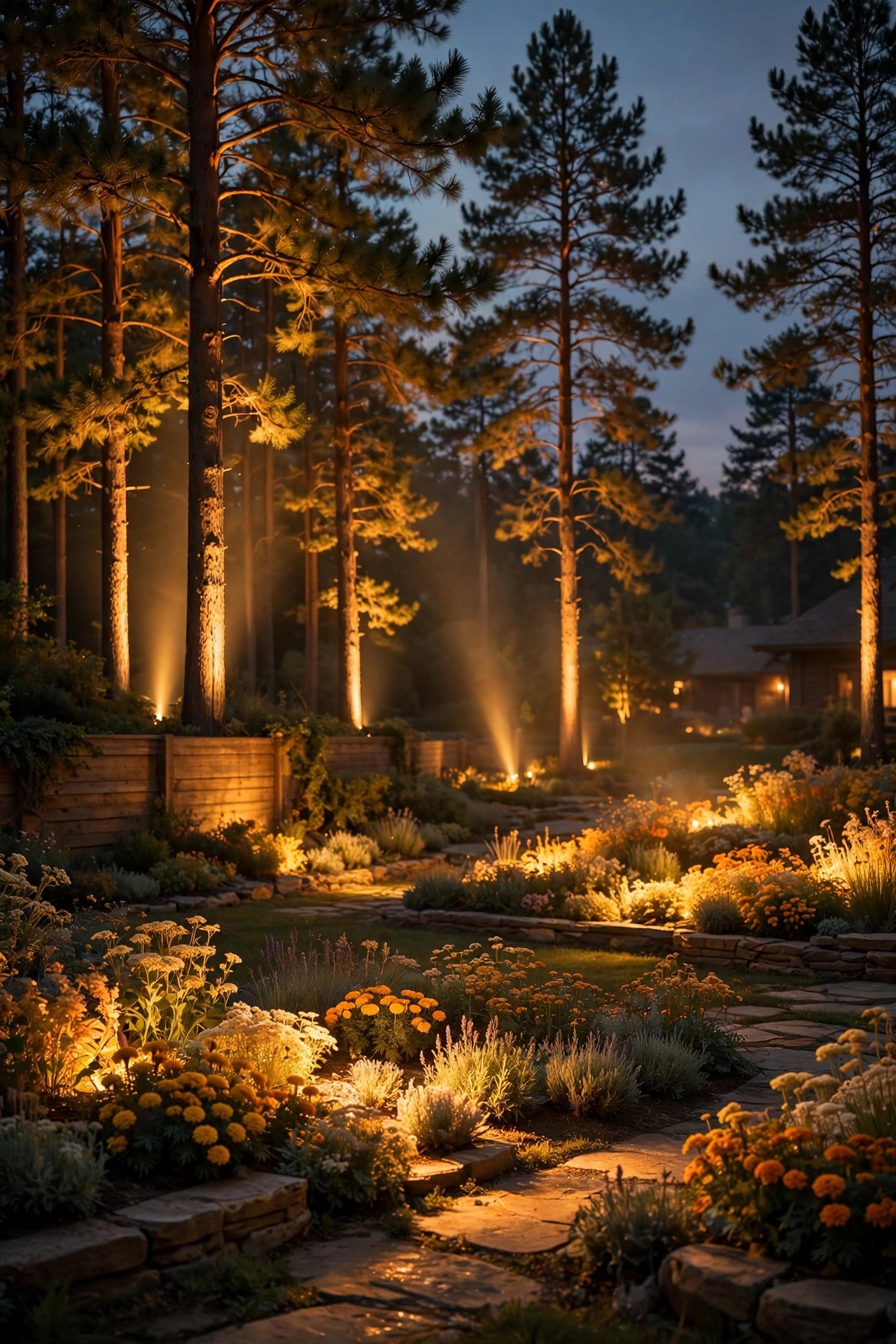
15. What Would You Talk Me Out of Buying?
End the interview with the question that reveals character. Every homeowner walks in with a wish list shaped by magazines and neighbors, and some of it — honestly? — is waste. A trustworthy pro will name yours without flinching: the eighth path light that turns the walk into a runway, the color-changing package you will use twice, uplights on the tree the arborist says is coming down, or the premium tier in a zone where, as my splurge versus save guide puts it, nobody will ever look closely enough to tell. Many will suggest phasing — front yard now, backyard next season on the oversized transformer from question five — because a pro playing the long game would rather have your second phase than your regret. The red-flag answer is a pro who talks you out of nothing and into everything, whose every suggestion adds fixtures, footage, and zeros. That person is paid on the size of your invoice, not the quality of your yard. The installer who protects you from your own list in the interview is rehearsing, in miniature, exactly how they will treat your budget for the entire job. Hire that one.
Suggested budget range: $200 – $1,000.
Frequently Asked Questions
How much does it cost to hire a landscape lighting pro for a typical home?
Most professionally designed and installed residential systems land between $2,500 and $7,500, with per-fixture installed costs commonly running $250 to $500 depending on materials and wiring distance. Small entries with six to ten fixtures can come in under that range, while large properties with dozens of fixtures, long cable runs, and multiple transformers climb well past it. The itemized quote from question eight is what keeps your number honest.
Is it worth hiring a pro, or should I DIY my landscape lighting?
DIY low-voltage kits are fine for a simple path-light run and can teach you a lot. A pro earns their fee on design, voltage-drop math, connection quality, and everything buried: the parts that decide whether the system looks intentional and still works in ten years. If your project involves tall trees, long runs, multiple zones, or a 120-volt circuit, I recommend hiring the design and installation out.
How many quotes should I get before hiring?
Three is the sweet spot. Fewer and you have no way to spot an outlier; more and the details blur together. Compare the itemized quotes line by line rather than by the total — the cheapest bid often wins by quietly omitting the timer, the thicker cable, or the adjustment visit. If one bid is dramatically lower, ask what is missing before you celebrate.
How long does a professional installation take?
Most single-family jobs take one to three days of on-site work: trenching and cable first, fixtures and transformer next, then the separate dusk fine-tune visit within a week or two. Larger properties or projects phased by zone can stretch to a week. Any timeline a pro gives you should name the adjustment visit explicitly — if it is not on the schedule, ask why.
Conclusion
Fifteen questions, and not one of them is really about light fixtures. They are about licenses and lamp sockets, wire gauge and warranty language, demos at dusk and dollars held back until you have walked your own yard in the dark. That is the whole secret of how to hire a landscape lighting professional: the questions do the hiring, because they force specifics — and specifics are where honest pros shine and slippery ones fog over. Print the list, ask every question out loud, and write the answers on the quote itself. When you find the installer who welcomes the interrogation and answers in numbers, hire them with confidence, hold that final payment until the night walk, and then enjoy the best seat in the neighborhood: standing at your own curb after sunset. For more ideas to plan the yard they will be lighting, browse the landscape lighting guides here on the site.