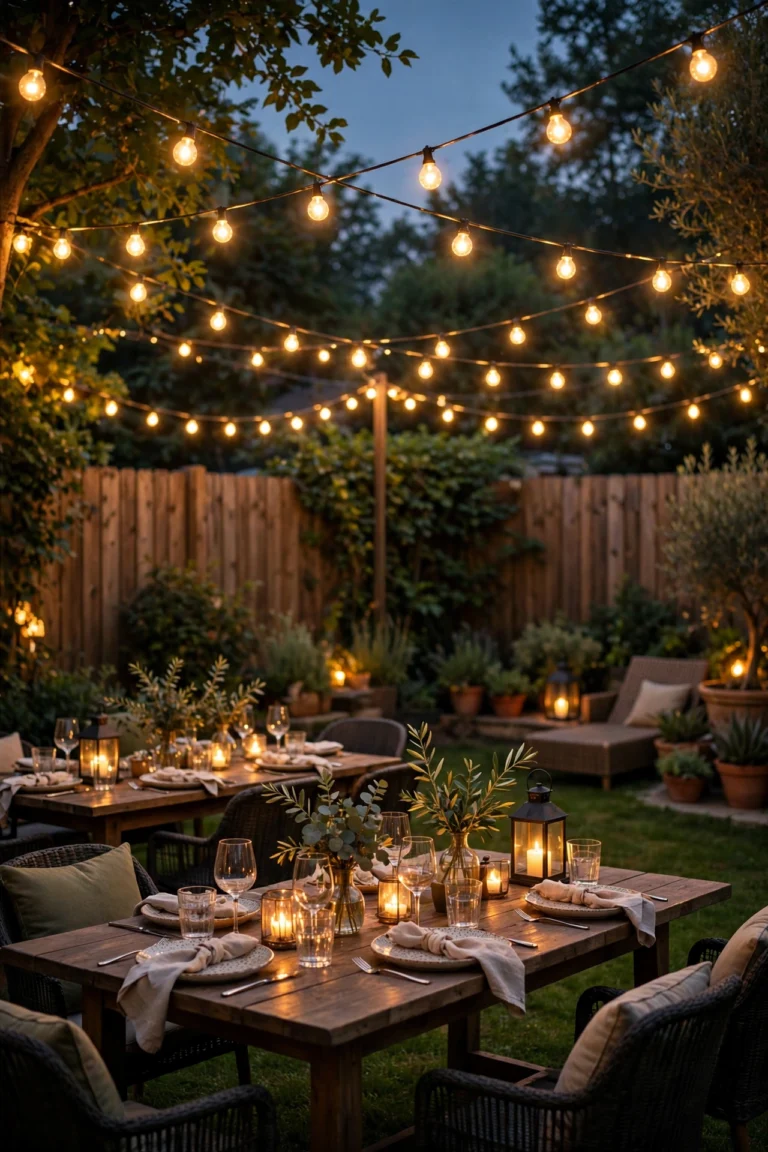
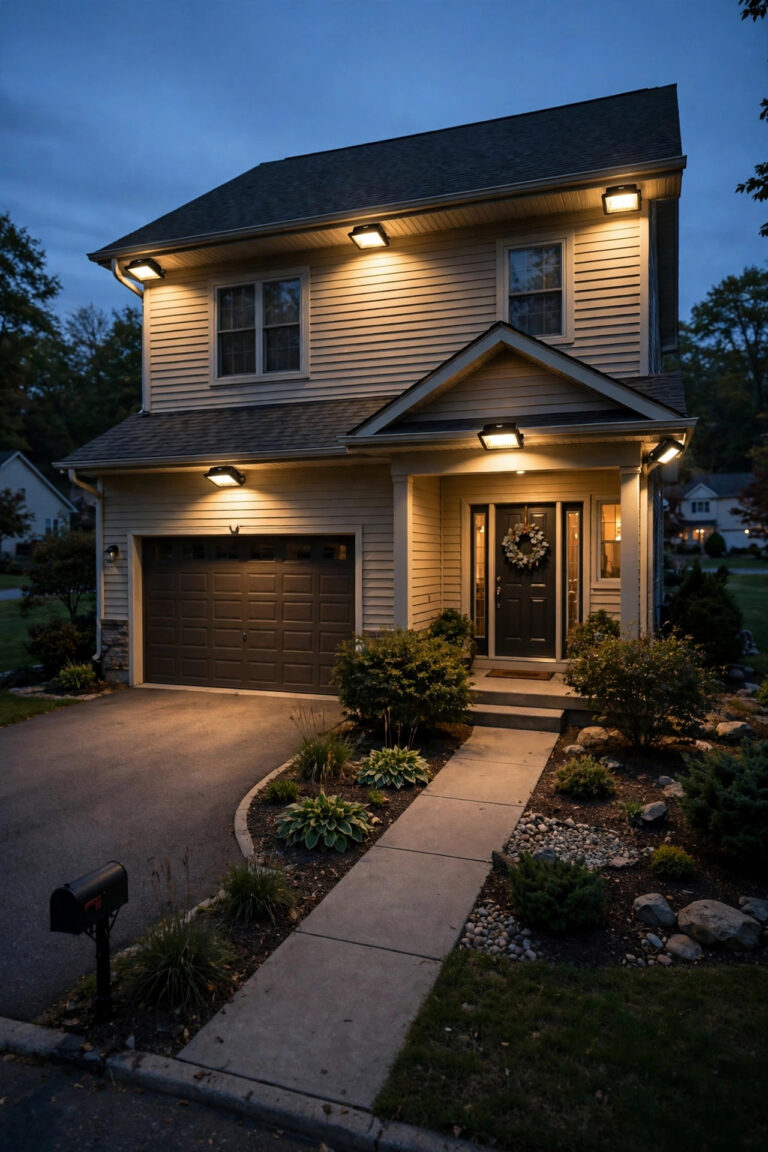
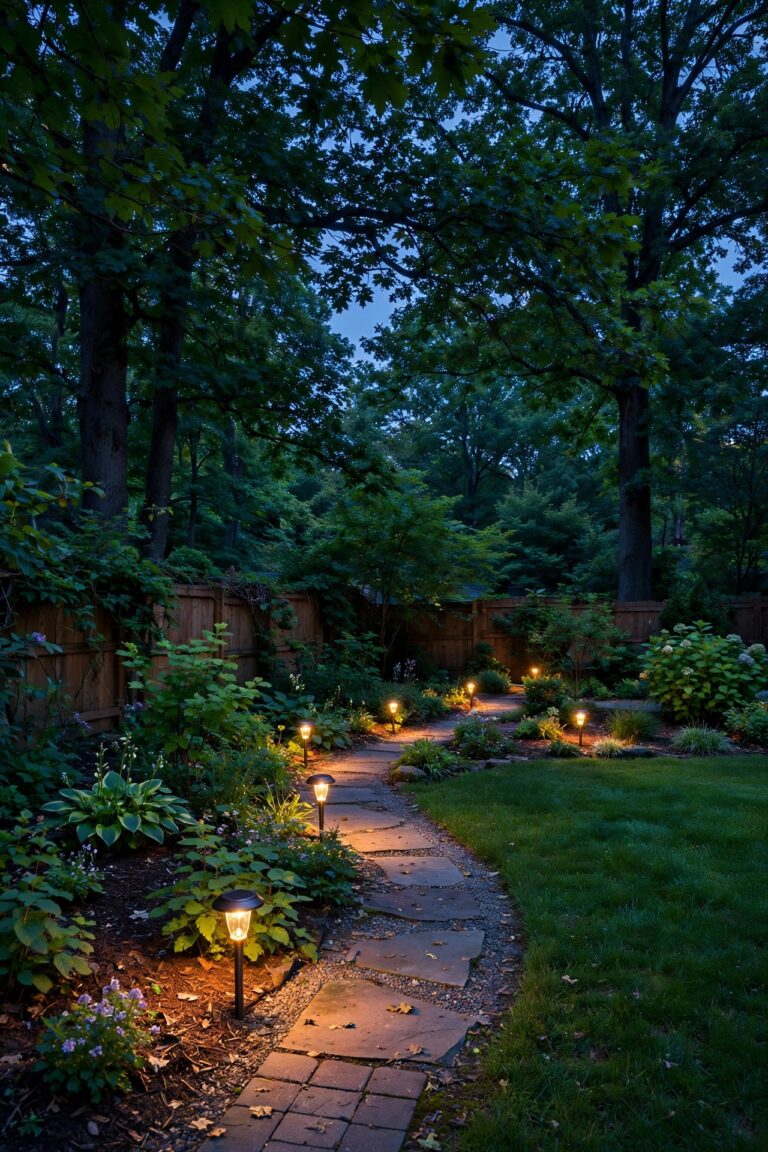
There is a quiet half hour in my house that belongs entirely to me, and it happens out on the patio with a mug in my hands while the sky is still deciding what color to be. The problem is that half hour starts before sunrise for much of the year, and fumbling around a dark patio with hot coffee is nobody's idea of peaceful. That is exactly why I went looking for outdoor breakfast patio lighting ideas that work with dawn instead of against it. Morning light needs a completely different touch than evening entertaining light: your eyes are adjusted to the dark, the sky is brightening by the minute, and anything harsh will wreck the mood instantly. My approach, as always, is layering, but softer. A gentle overhead glow, something warm at eye level, and just enough ground-level guidance to get you from the kitchen door to your favorite chair without a single squint. Below are the 17 setups I have tested through every season, from frosty January dawns to lazy June sunrises. Pick two or three and your coffee ritual will never feel rushed again.
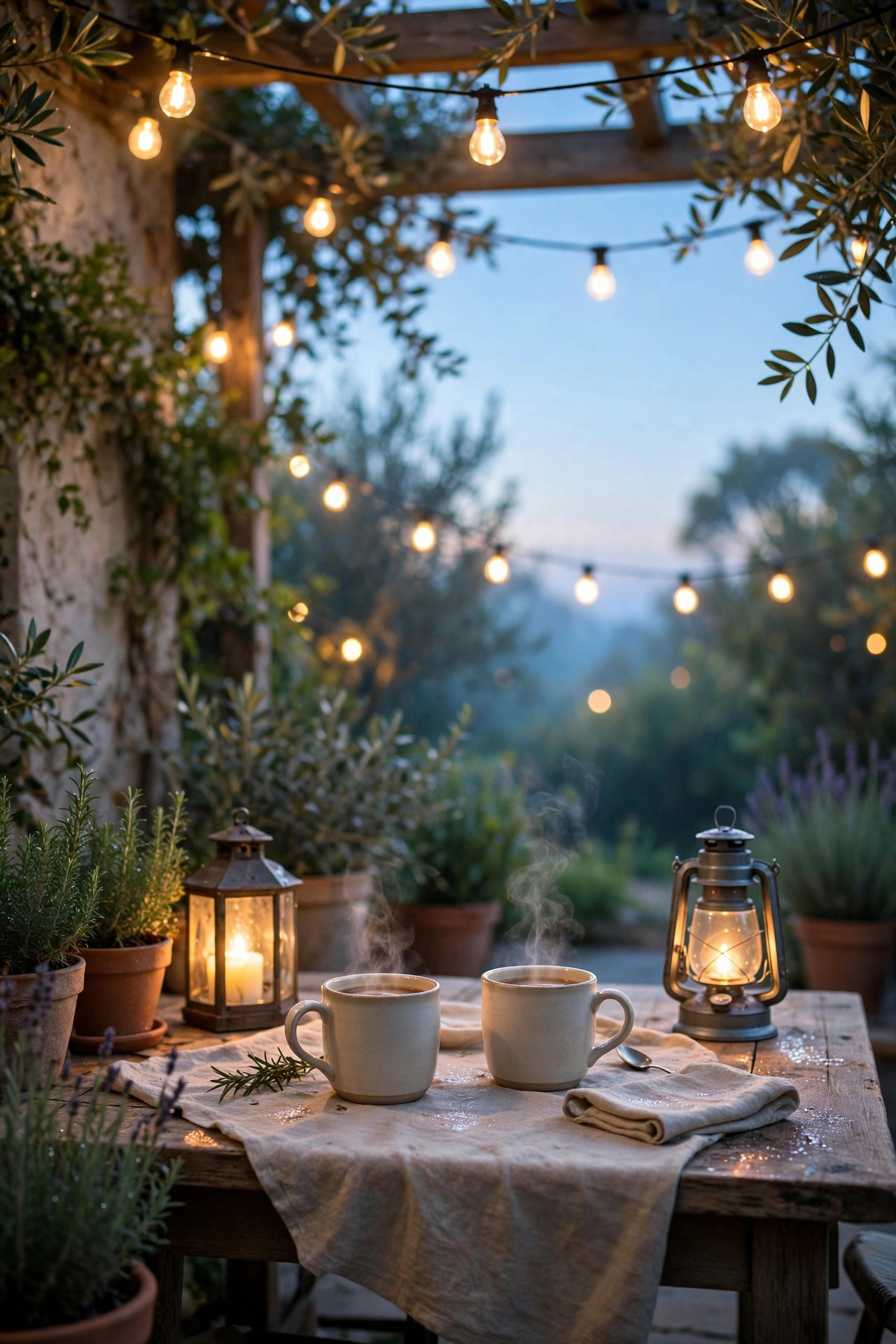
1. Start With a Layered Plan for Your Outdoor Breakfast Patio Lighting Ideas
Before you buy a single bulb, sit in your breakfast chair at actual dawn and look around. Notice where your eyes go: the table in front of you, the garden beyond the railing, the path back to the kitchen door. Those three zones are your layers. The overhead layer is your soft general glow, string lights or a dimmed pendant, and it only needs to whisper in the morning because the sky is adding light every minute. The eye-level layer is the cozy one, lanterns and sconces that make faces and food look warm instead of shadowy. The ground layer is pure practicality, a faint wash along steps and edges so bare feet and coffee mugs travel safely. In my experience, dawn lighting should total far fewer lumens than your evening setup; what feels romantic at 9 p.m. feels like an interrogation at 6 a.m. Sketch the three layers on paper, assign one fixture to each, and resist adding more until you have lived with it for a week. Most mornings, honestly, I run just two layers and let the sunrise handle the rest.
Suggested budget range: $0 – $25.
2. Mount Dimmable Wall Sconces Beside the Patio Door
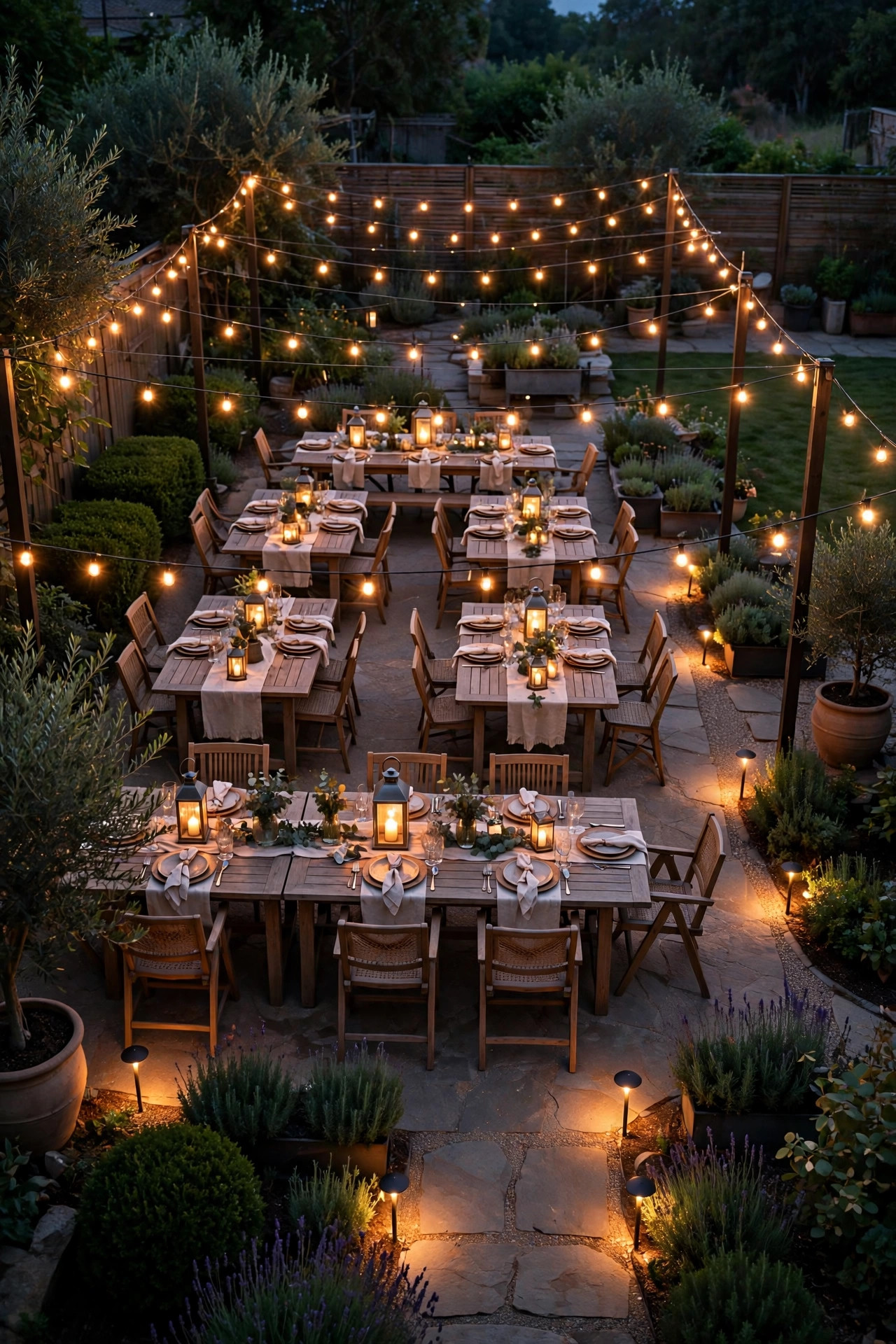
The very first light you meet in the morning sets the tone for the whole ritual, and for me that is a pair of warm sconces flanking the patio door. Choose outdoor-rated fixtures with frosted or seeded glass so the bulb itself never glares into sleepy eyes, and fit them with dimmable LED bulbs in the 2700K range at about 200 to 400 lumens each. A dimmer is not optional here, it is the whole point: in December you might run them at 60 percent through a long dark morning, while in June a bare 15 percent is plenty as a backdrop to the sunrise. Mount them at eye level, roughly 5.5 to 6 feet up, so the light washes the door and the first few feet of patio rather than blasting the yard. If your patio door circuit already has a switch inside, swapping in an outdoor-compatible dimmer switch is a simple job; anything beyond that, I always recommend a licensed electrician. These sconces also earn their keep at night as gentle security lighting on their lowest setting.
Suggested budget range: $60 – $180.

3. String Café Lights Overhead, But Keep Them Low and Dim
Overhead string lights are the backbone of my morning patio, but dawn calls for restraint. I run two short swags rather than a full canopy, hung about 7.5 to 8 feet over the breakfast table, and I keep the bulbs small: LED filament-style or G40 globes at 2700K, on a plug-in dimmer so I can start them at barely-a-glow and ease them down as the sky brightens. Spacing matters more than wattage here; bulbs every 12 to 18 inches along the strand give even pools of light with no dark gaps over the table. Use a guide wire or sturdy hooks rather than draping cords over branches, and always plug into a GFCI outlet with a weatherproof in-use cover. If you want the complete playbook on hanging patterns and pole setups, my roundup of backyard string light ideas covers every layout I have tried. Retire the strand the moment nights turn icy if yours is not rated for year-round outdoor use; cold-cracked sockets are a spring headache I have learned to avoid.
Suggested budget range: $35 – $90.
4. Cluster Flameless Lanterns on the Breakfast Table
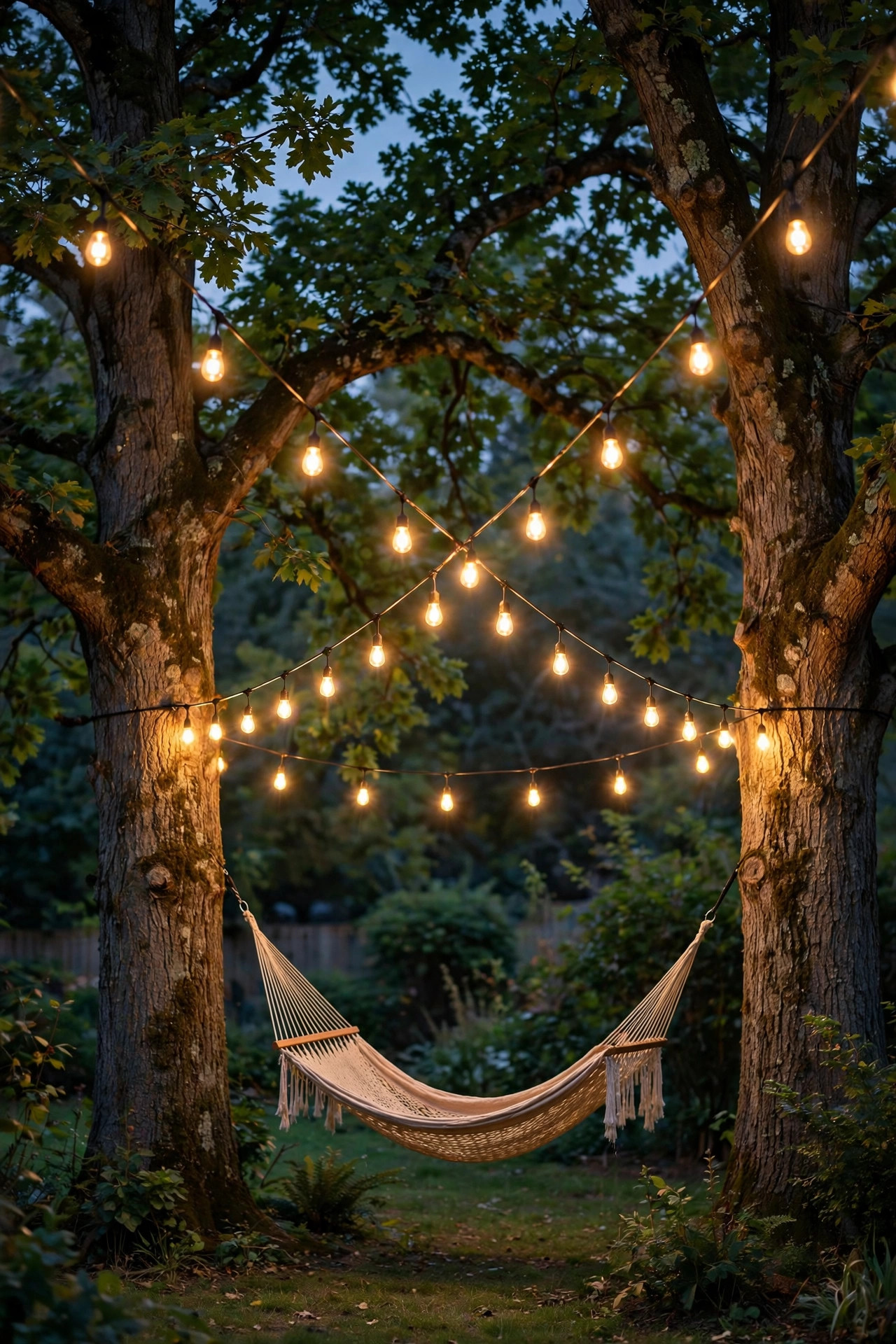
Nothing flatters a plate of toast and a French press like light at table height, and a little cluster of lanterns is the easiest win on this whole list. I group three flameless candle lanterns in mixed heights, roughly 6, 9, and 12 inches, at one corner of the table where they will not crowd the plates. Flameless is non-negotiable outdoors in my book: real candles blow out in the slightest dawn breeze, drip wax on table linens, and are a genuine hazard around napkins and newspaper pages. LED candles with a realistic flicker and a warm 2200K to 2700K tone look astonishingly real in dim light. Look for lanterns with metal or resin frames rated for outdoor use, timers built in are a lovely bonus, and set them to greet you automatically if your mornings run on a schedule. Group them on a small tray so the whole arrangement moves indoors in one trip when the weather turns. On dark winter mornings this cluster alone, plus the sconces, is honestly all the light breakfast needs.
Suggested budget range: $25 – $70.

5. Run an LED Strip Under the Railing for a Soft Floor Wash
The most useful morning light at my house is the one you barely notice. A waterproof LED strip tucked under the top rail of the patio railing throws a soft ribbon of light down onto the deck boards, outlining the patio edge and lighting the floor without a single visible fixture or glare source. Choose a warm white strip around 2700K, rated IP65 or better, and keep the brightness low; for a floor wash you need far less than you think, roughly 100 to 150 lumens per foot is plenty and half that works on dark mornings. Run it on the underside of the rail so the strip itself hides from view, secure it with the adhesive backing plus clips every 12 inches because outdoor adhesive gives up after a hot summer, and route the power lead to a GFCI outlet. This is the light that gets me safely from door to chair with a full mug in each hand, and it makes the whole patio look like it is floating on a cushion of gold at dawn. Guests always ask about this one.
Suggested budget range: $20 – $55.

6. Give Your Coffee Station Its Own Little Light
If you keep a coffee cart, a French press station, or even just a tray table by the door, light it like the tiny workstation it is. A short battery-powered LED bar light mounted under a shelf or on the wall above the station throws focused, shadow-free light exactly where you are pouring, and pouring boiling water in the dark is a mistake you only make once. Aim for a rechargeable bar about 10 to 12 inches long with a warm setting if it offers one, and motion activation if you want it to wake up when you reach for the kettle. Magnetic mounts make it renter-friendly and easy to pull down for charging. Apartment dwellers, this trick travels beautifully to small spaces; my guide to balcony morning lighting ideas uses the same station-light idea on the tiniest balcony. Keep the brightness modest so the station glows like a little hearth rather than a checkout counter, and let it double as your landmark: first light on, coffee on, day officially started.
Suggested budget range: $15 – $45.

7. Mark the Walk With Low Solar Path Lights
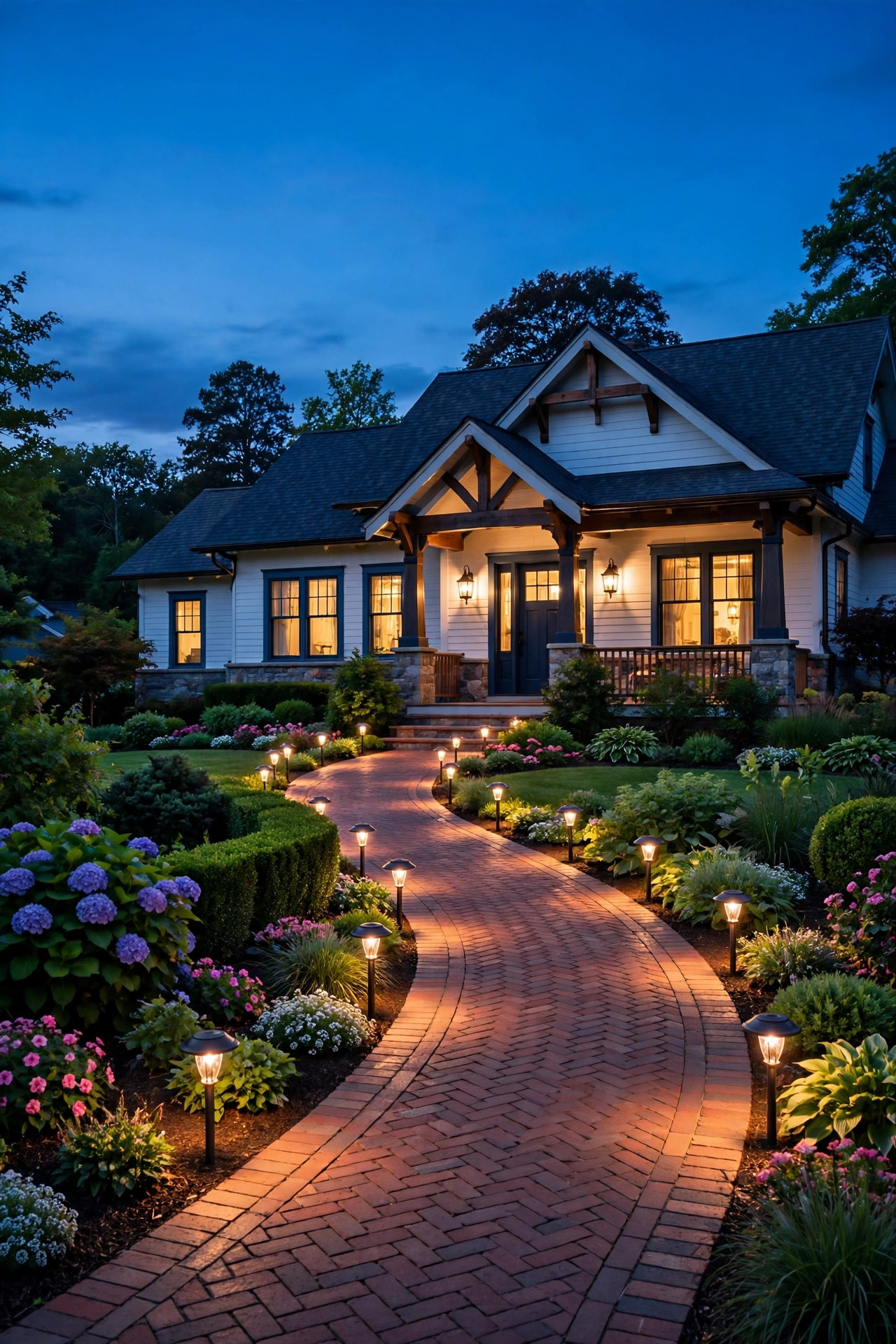
The journey matters as much as the destination: my patio sits about 20 feet from the kitchen door across the lawn, and a dotted line of low solar path lights turns that sleepy walk into part of the ritual. Space small stake lights every 6 to 8 feet along the route, staggered slightly on alternating sides so the pools of light overlap and there are no dark gaps. Keep them dim and warm; basic solar stakes at 10 to 30 lumens are perfect for wayfinding and will not fight the sunrise. Here is the honest catch about solar at dawn: the lights have been running all night, so by 6 a.m. cheaper models are fading. Choose ones with decent battery capacity and set your expectations kindly, because they only need to last until you are seated. In deep winter I supplement with the railing strip and sconces. Wipe the little solar panels with a damp cloth every few weeks; in my experience dusty panels are the number one reason these lights quit early.
Suggested budget range: $20 – $60.
8. Hang One Pendant Over the Breakfast Table
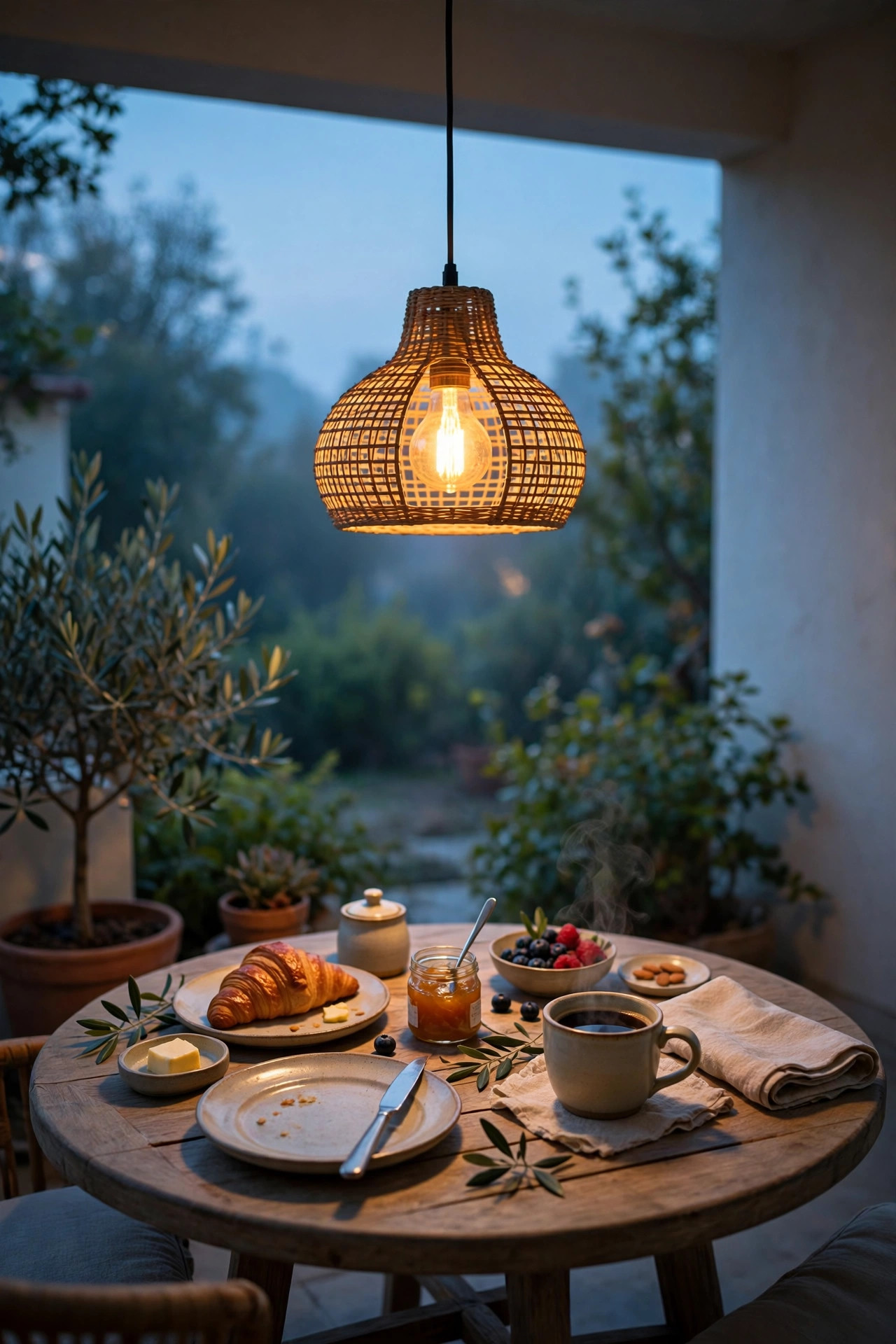
A single pendant centered over the table does something string lights cannot: it draws a circle of morning around your breakfast and makes the rest of the patio fall away. Choose a fixture genuinely rated for damp or wet locations, with a metal or all-weather resin shade that throws light downward in a warm pool, and fit it with a dimmable LED around 2700K. Hang it so the bottom of the shade sits roughly 30 to 36 inches above the tabletop, low enough to feel intimate, high enough that nobody bumps it reaching for the jam. On a pergola or covered patio this is an easy hardwired swap for an existing fixture; on an open patio, a plug-in pendant on a shepherd's hook arm works, provided the cord is outdoor rated and runs overhead, never across the floor. One caution from experience: skip clear glass shades at dawn. Bare bulbs glare brutally when your eyes are still dark-adjusted, so frosted glass or a solid shade wins every time before sunrise.
Suggested budget range: $70 – $220.
9. Weave Fairy Lights Through Your Morning Planters
The planters flanking my patio door get a strand of copper-wire fairy lights woven through them, and at dawn the effect is pure magic: tiny warm pinpoints floating among the leaves while the garden is still in shadow. Copper-wire strands are the right tool here because the wire practically disappears and the micro LEDs sip power. A 16 to 33 foot battery strand with a built-in timer handles two medium planters; set the timer once and the lights will greet you at the same time every morning for weeks on one set of batteries. Tuck the battery pack under the planter rim or inside a small waterproof box, because most packs are water-resistant at best. Keep the density gentle, one loose spiral per plant rather than a tight wrap, and avoid winding wire where you will be pruning weekly. Herbs are my favorite hosts: rosemary and lavender hold the lights beautifully and brush your ankles with scent on the way to your chair. In winter, the same trick moves to an evergreen planter and looks like frost that glows.
Suggested budget range: $10 – $30.

10. Add Step Lights Wherever the Patio Changes Level
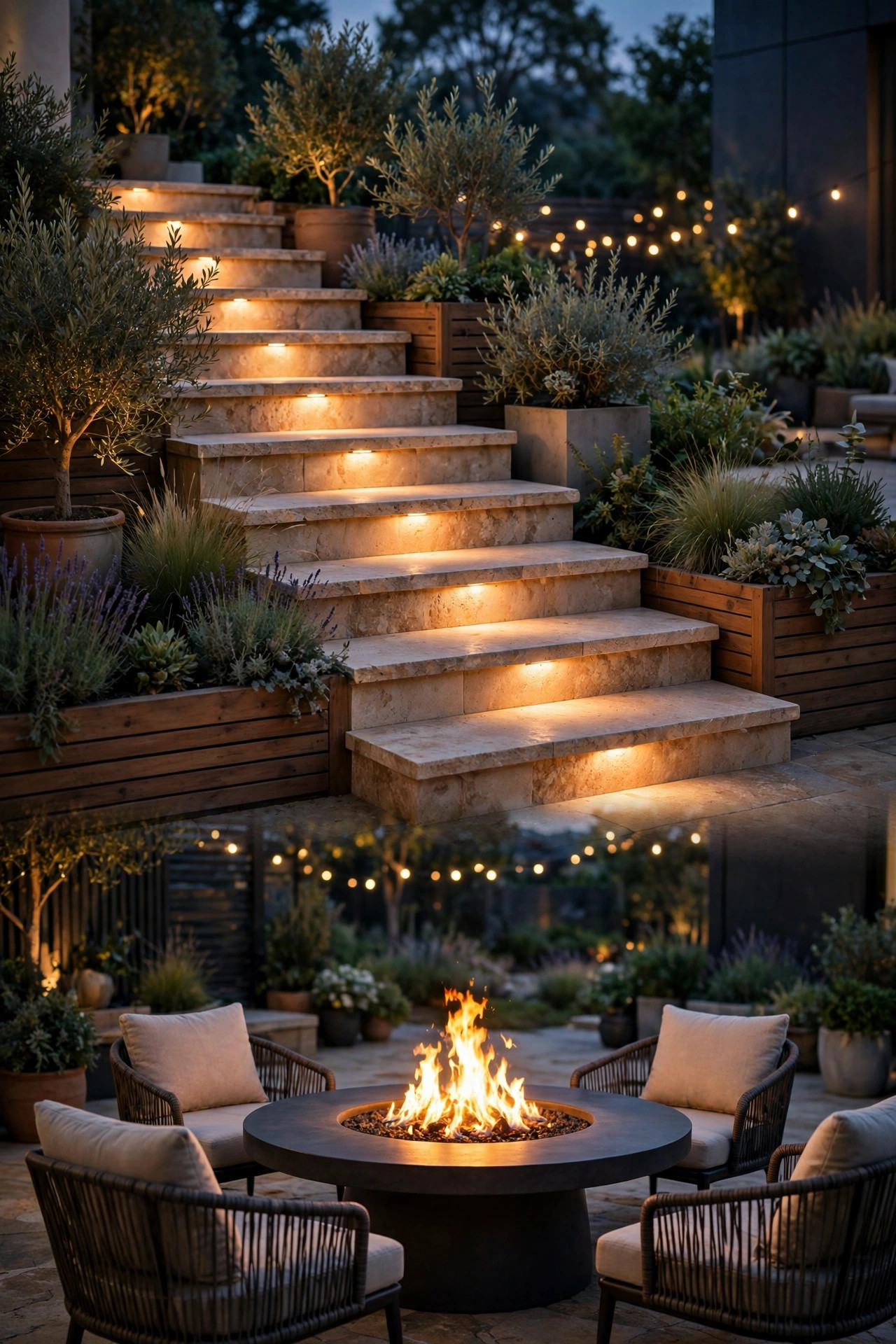
Every patio has a sneaky spot: the single step down to the lawn, the raised threshold, the edge of the deck that disappears completely in flat dawn light. Those are the places that earn a dedicated step light. Small recessed or surface-mount LED step lights, wired low-voltage or solar, throw a focused wash across the tread so the level change announces itself before your feet find it. Solar versions stick or screw onto the vertical face of the step and need no wiring at all; choose warm white around 2700K to 3000K and expect 20 to 50 lumens, which is plenty for a tread. If you go low-voltage, two lights per step on a standard 4-foot-wide stair is generous, one centered light works for narrower steps. Keep fixtures flush so nothing catches a toe or a broom. I added mine after one memorable January morning involving a full mug, a frosty step, and my favorite slippers. Learn from my laundry bill: light the steps first, then buy the pretty stuff with whatever budget remains.
Suggested budget range: $25 – $80.
11. Swap in Flame-Effect Bulbs for a Campfire-Morning Feel
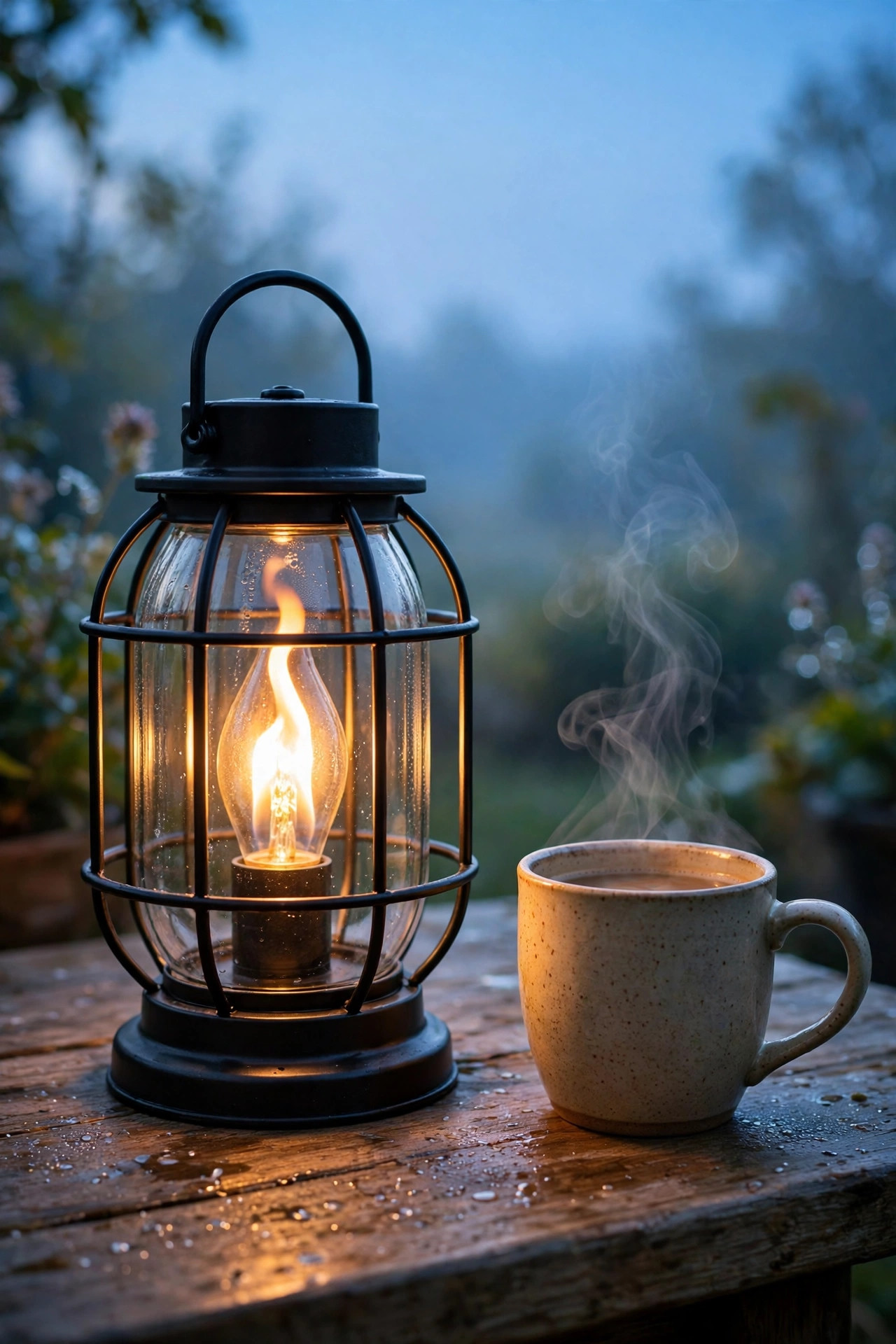
Some mornings call for atmosphere more than illumination, and flame-effect LED bulbs deliver a flickering campfire glow without a wisp of smoke or a single ember near your robe. I screw one into the sconce by my reading chair and sometimes into a caged lantern on the table, and the gentle movement of the light does something static bulbs cannot: it makes the patio feel alive while the rest of the neighborhood sleeps. Look for bulbs with a realistic gravity-sensing flicker (so the flame always rises even in a sideways fixture) and a warm amber color around 1800K to 2200K. They are dim by design, roughly equivalent to a candle or two, so treat them as an accent layer, never your only light on steps or paths. Standard screw-base sizes fit most outdoor fixtures, and the LED internals stay cool to the touch, which makes them safe around paper lanterns and dry wreaths where real flame would be reckless. On the first cold morning of fall, coffee plus flicker is honestly my favorite combination on this entire list.
Suggested budget range: $12 – $35.
12. Use a Gentle Motion-Sensor Light at the Kitchen Door
The trip from kitchen to patio often happens with both hands full, a mug in one and a plate in the other, and a light switch is simply not part of that equation. A motion-sensor fixture at the door solves it, but for dawn duty it must be the gentle kind. Choose a warm white sensor light with adjustable sensitivity and a low-lumen setting, 200 to 400 lumens is plenty, and angle the head downward so it lights the threshold and the first few feet of patio instead of announcing you to the whole street. Set the timer short, 30 to 60 seconds, just long enough to get seated; a light that blazes for ten minutes after every trip kills the sunrise mood. Solar sensor lights mount anywhere with two screws and no wiring, while wired versions suit a permanent door fixture. Aim the sensor across your walking path rather than straight at it for the most reliable trigger. This is also the light your future self will thank you for on trash night, guaranteed.
Suggested budget range: $20 – $65.

13. Set an Astronomical Timer to Fade Everything Off at Sunrise
The unsung hero of my whole morning setup is a timer that knows when the sun rises. An astronomical timer calculates dawn and dusk from your location and date, so your patio lights can switch on before your alarm and, more importantly, switch themselves off as daylight takes over. No more realizing at noon that the string lights have been glowing pointlessly since 5 a.m. Program the breakfast scene to come on at your usual coffee time and fade off about 15 minutes after local sunrise; the schedule self-adjusts all year, which matters when sunrise swings from 5:30 in June to 7:15 in December. Smart plugs rated for outdoor use make this a ten-minute install for plug-in lights, and my astronomical timer setup guide walks through the programming step by step. The energy math is tiny but satisfying: a 10-watt LED string running two needless hours a day wastes real money over a year. Set it once, honestly, and forget it forever.
Suggested budget range: $15 – $40.

14. Uplight the Garden View You Face at Breakfast
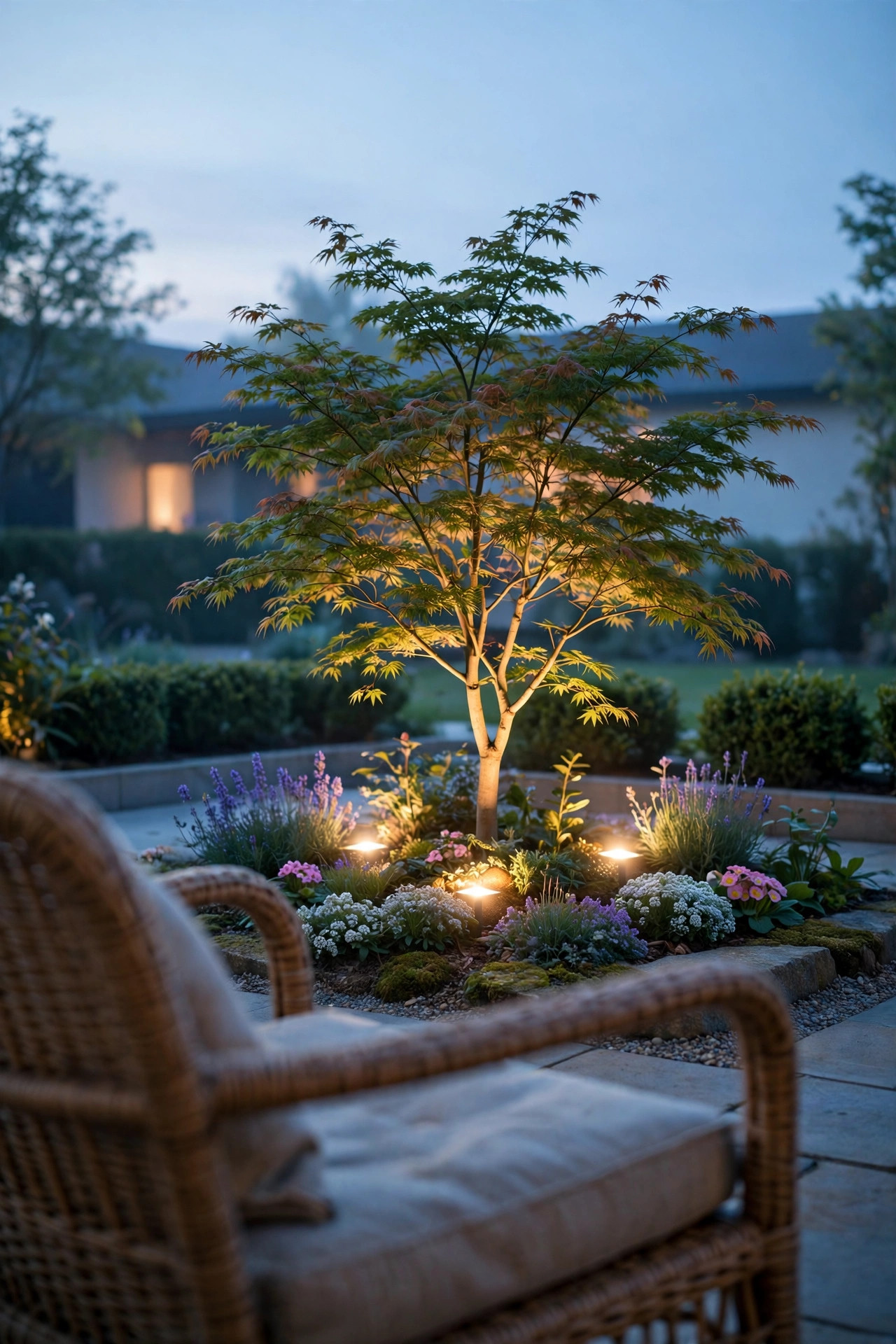
Every breakfast chair has a view, and mine faces a flower bed and a small ornamental tree that, unlit, are just black shapes until well after sunrise. One low-voltage spotlight aimed up into the tree canopy and a second small uplight grazing the bed changed my mornings entirely; now the view arrives twenty minutes before the sun does. Keep the wattage humble, 3 to 5 watts per LED uplight, and warm, around 2700K, so the scene reads as moonlight's warmer cousin rather than a stage set. Angle tree uplights from the base, about 12 inches out from the trunk, tilted to catch the lowest branches, and bury or pin the cable a few inches under mulch so nothing trips a mower or a foot. Low-voltage systems are forgiving DIY territory since there is no household current in the ground, but keep the transformer plugged into a GFCI outlet and sized with headroom for future fixtures. When real daylight arrives, switch them off with the timer and the garden simply continues being beautiful on its own.
Suggested budget range: $45 – $140.
15. Create a Reading Corner With a Focused Task Light
If your sunrise ritual includes the newspaper, a novel, or the crossword, you need one honest task light in a sea of mood lighting, and the trick is keeping it focused so it does not flood the whole patio. A small adjustable-arm lamp, a clip-on book light style fixture scaled up for outdoors, or a solar gooseneck lamp clamped to the side table beside your chair all work beautifully. Look for 300 to 500 lumens with a warm-to-neutral tone around 3000K; slightly cooler than your accent lights reads clearer on paper, but skip anything daylight-white or your eyes will protest at 6 a.m. Position the light over your shoulder, about 12 to 18 inches above the page, angled down so the beam stays in your lap. Battery models free you from outlet geography entirely, and a solar version charged on the patio table all day is set-and-forget. My rule: the reading light is the last one on and the first one off, a little ceremony that brackets the quietest part of the day.
Suggested budget range: $18 – $60.

16. Choose Amber Bulbs to Keep Dawn Bugs Out of Your Coffee
From May through September, dawn is prime time for gnats and mosquitoes, and bright white light is an open invitation to share your coffee. Amber LED bulbs, the kind sold as bug lights around 2000K to 2200K, are far less attractive to flying insects because they lack the blue and ultraviolet wavelengths bugs navigate by. I swap the sconce bulbs nearest the table to amber for the summer and keep one brighter white fixture lit farther out by the garden, which acts as a decoy drawing insects away from breakfast entirely. The amber tone also happens to be gorgeous at dawn, like permanent candlelight, and it flatters everything from pancakes to people. Be honest with yourself about the trade-off: amber is dimmer and warmer than standard warm white, so keep the path and step lights in regular 2700K for safety and let amber own the seating zone. Pair the bulbs with a small fan on muggy mornings, moving air is the other great insect deterrent, and your sunrise coffee stays gloriously unbothered.
Suggested budget range: $10 – $30.

17. Put It All Together: Outdoor Breakfast Patio Lighting Ideas That Run Themselves
The real magic of great outdoor breakfast patio lighting ideas is not any single fixture, it is the sequence. Here is my morning, choreographed: the astronomical timer wakes the sconces and railing strip at 5:45, dim and warm. The lantern cluster is already on its own timer on the table. I cross a path dotted with solar stakes, coffee station light blinking on as I pass, and settle under string lights running at 20 percent. As the sky pales, I dim the overheads down and let the garden uplights carry the view, then the timer surrenders everything to the sun by 6:30. Yours will look different, but the principles travel: automate the base layer, keep every source dimmable, warm, and low, and let at least one light exist purely for joy, whether that is a flame-effect bulb or fairy lights in the rosemary. Start with three pieces, live with them for a week of mornings, then add one layer at a time. Slow light for slow mornings; that is the whole secret.
Suggested budget range: $50 – $150.

Frequently Asked Questions
What color temperature is best for morning patio lighting?
Warm white around 2700K is my sweet spot for dawn. It echoes the golden tones of sunrise itself, flatters food and faces, and is gentle on eyes that have just adjusted to a dark house. Amber bulbs near 2000K to 2200K are lovely accents in summer, while anything at 4000K or above reads harsh and clinical before the sun is up.
Are solar lights bright enough for a breakfast patio?
For wayfinding, yes. Low solar stakes and step lights in the 10 to 50 lumen range mark paths and level changes perfectly well. For the table itself, seating glow and safe pouring of hot coffee, I recommend at least a couple of plug-in or battery fixtures you control, because solar lights have been draining all night and are at their weakest right at dawn.
How bright should patio lights be before sunrise?
Far dimmer than evening lighting. Your eyes are dark-adjusted at dawn, so 100 to 300 lumens per fixture is usually plenty, and dimmers earn their keep here. If you can read a coffee bag label comfortably at the table and see every step clearly, you have enough. Anything more just competes with the sunrise you came outside to watch.
Can I leave my patio lights on all night so they are ready at dawn?
You can, but a timer or photocell setup is kinder to your electric bill and your neighbors. LED strings and sconces on an astronomical timer cost pennies per morning, come on exactly when you need them, and shut off as daylight arrives. If you do run lights overnight, keep them dim, warm, and shielded so they light your patio rather than the whole street.
Conclusion
The best outdoor breakfast patio lighting ideas all come back to one simple principle: layer soft, warm, dimmable light, then let the sunrise do the heavy lifting. Start with safe footing and a welcoming glow at the door, add one layer of pure atmosphere at the table, and automate the whole routine so it greets you before your eyes are fully open. Your mornings will feel slower, warmer, and entirely yours. If this list sparked a few plans, browse the rest of the lighting ideas here on the site, because a patio that shines at dawn usually deserves a little love after dark too.