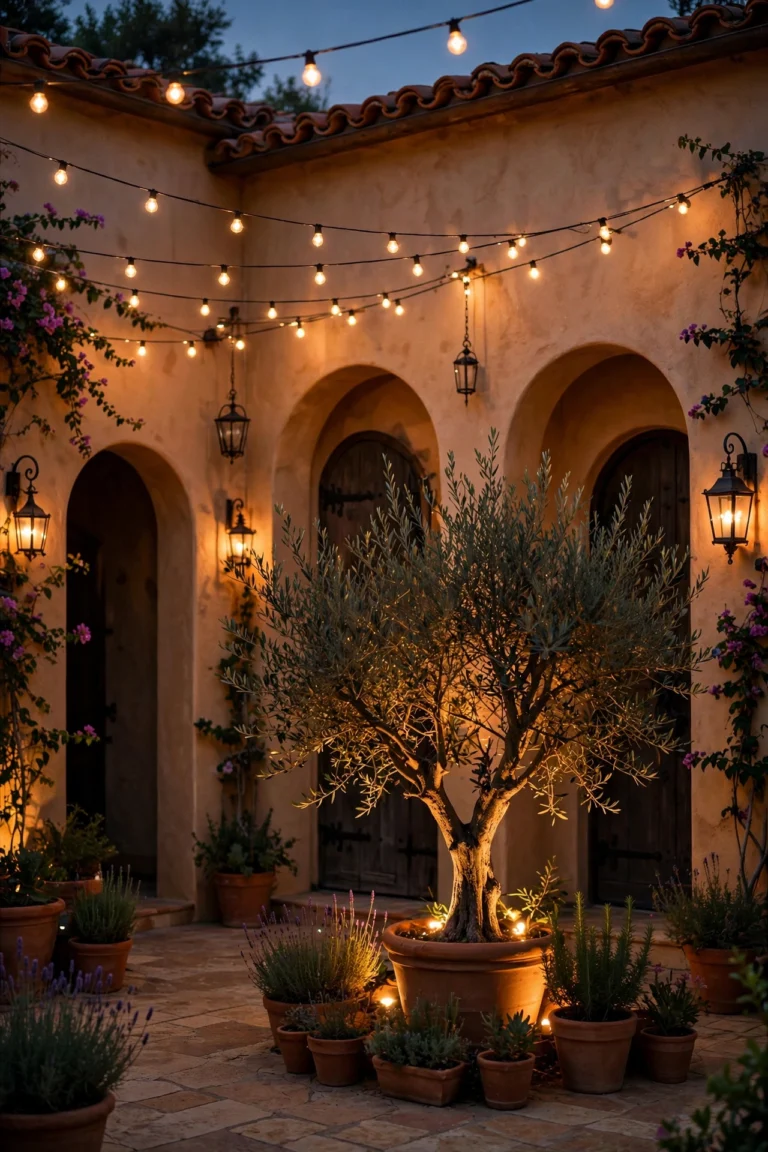
Here is my favorite party trick that is not really a trick at all: our house wears warm white almost every night of the year, and then, with one tap on my phone, it turns red and green for Christmas, orange and purple for Halloween, and red, white and blue for the Fourth of July. That is the magic of color changing smart outdoor lights. They behave like well-mannered everyday lighting 350 nights a year, and then they celebrate on cue. In my experience, the secret is the same layering I use everywhere outside: guidance light low, welcome light at eye level, and accent light up high, except now every layer can change color, dim, and run on a schedule. In this post I will walk you through 15 ways to use that color wisely, from five-minute bulb swaps to full holiday scenes you set once and reuse for years. Every idea keeps a warm white default, honest budgets, and the neighbors firmly in mind, so your home looks festive on the big nights and simply lovely on all the ordinary ones in between.
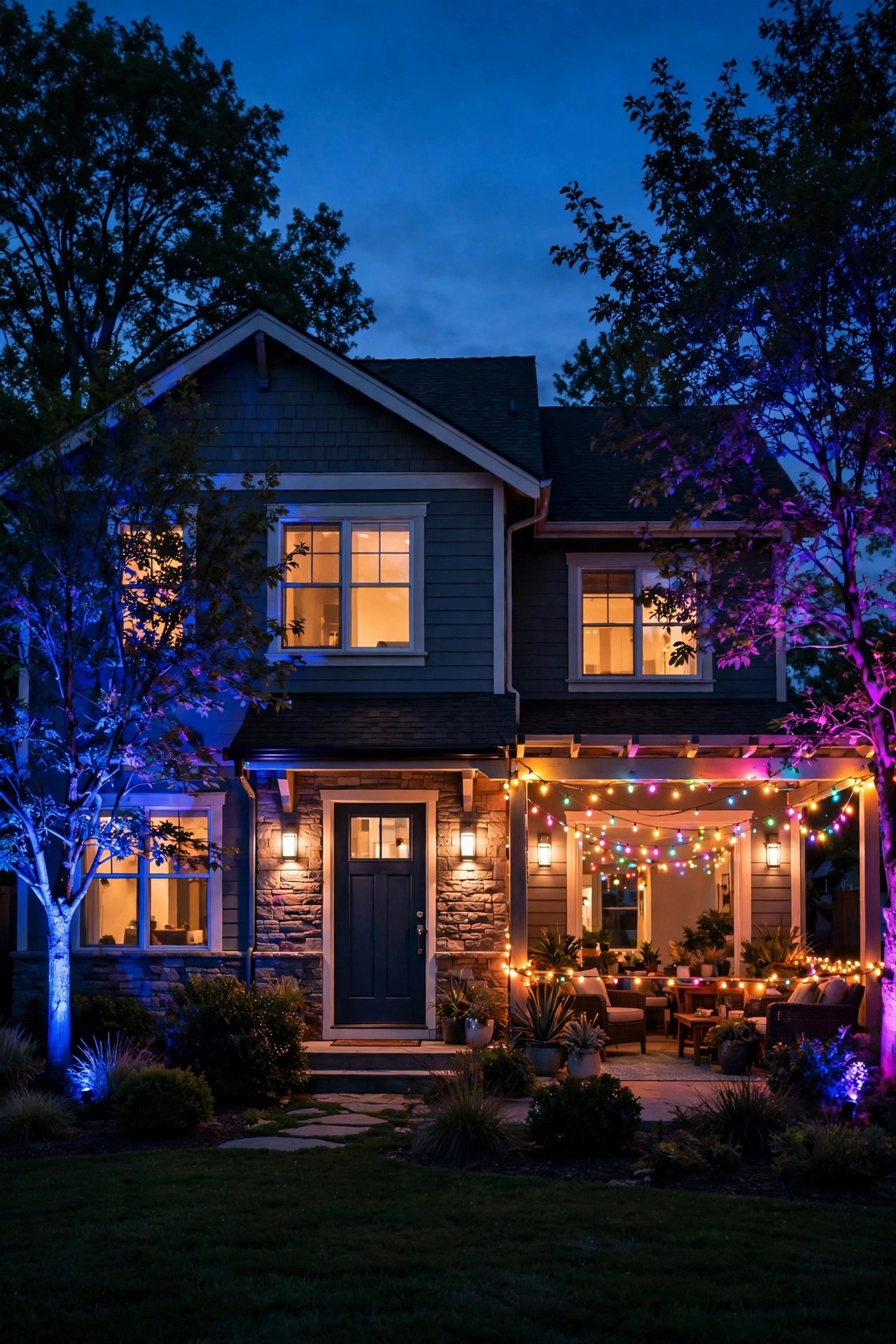
1. Map Your Color Changing Smart Outdoor Lights by Zone First
Before you buy a single bulb, walk your yard at dusk and divide it into zones: the entry, the path and driveway, the patio or deck, and the garden accents. Color changing smart outdoor lights behave best when each zone can be controlled as a group, because a whole-yard color blast is fun for exactly one photo and then it is just loud. I group mine by area in the app, then think in layers inside each zone: low guidance light, eye-level welcome light, and high accent light. Decide in advance which zones get color at all. In my yard, the entry and garden accents go full rainbow for holidays, the path stays practical, and the patio shifts between warm white and soft color depending on the evening. Check your Wi-Fi reach while you walk (two bars at the farthest fixture is plenty), note which fixtures share a switch, and count bulb bases and sizes as you go. This ten-minute survey prevents the classic mistake of buying twelve bulbs in three incompatible styles. It also means every idea below drops neatly into a zone you already planned. Suggested budget range: $0 – $50.
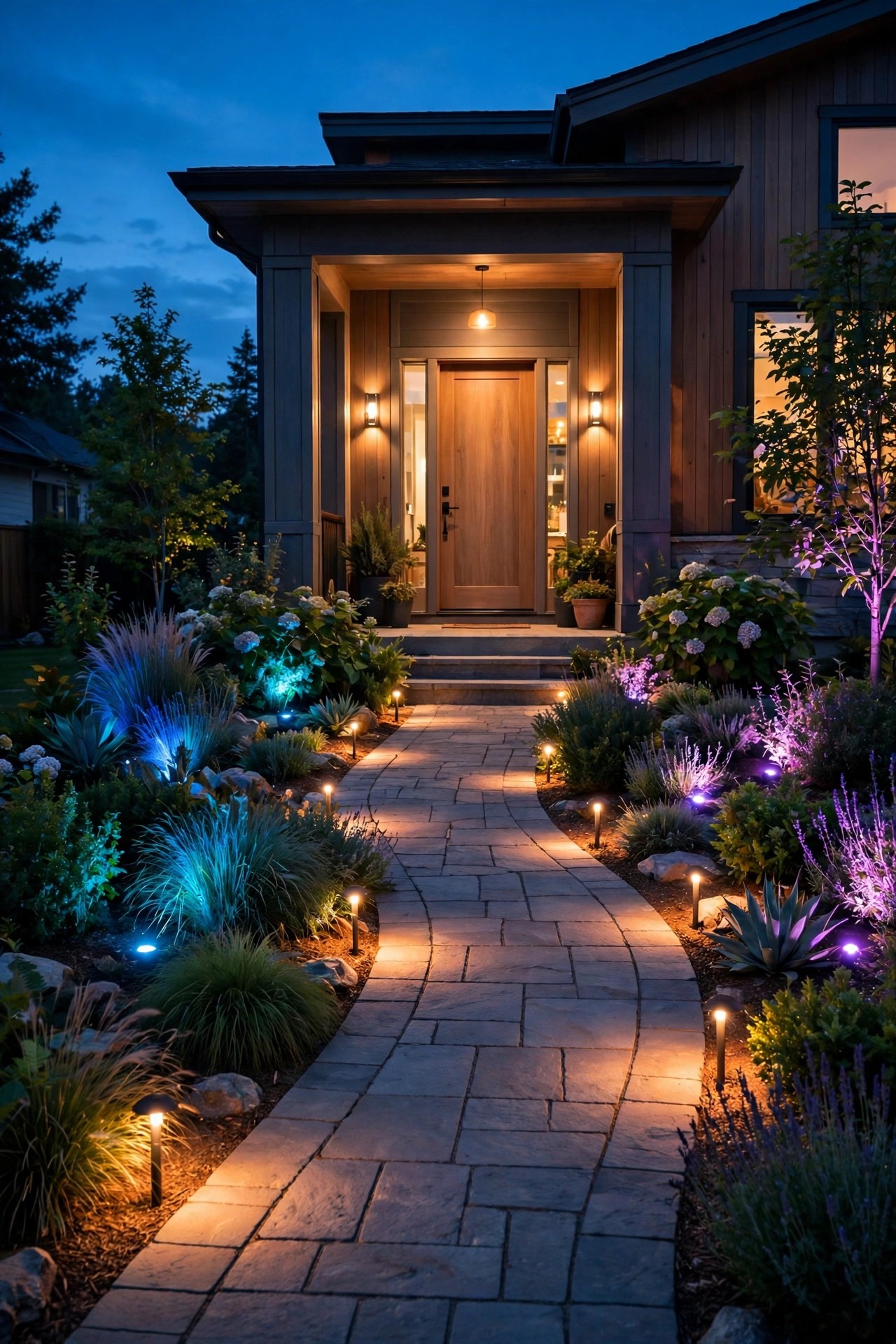
2. Swap Color-Changing Smart Bulbs Into the Sconces You Own
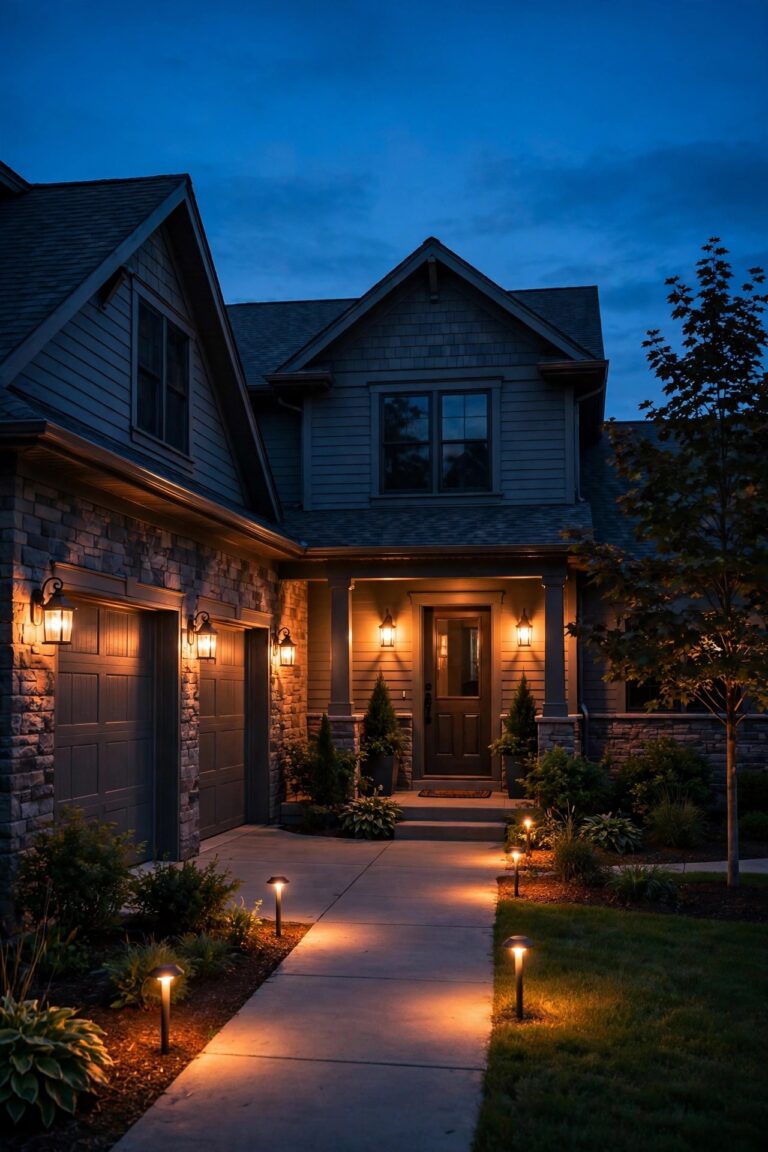
The cheapest ticket into this whole world is a pair of color-changing smart bulbs screwed into the porch sconces you already have. Nothing gets rewired and your favorite fixtures stay put; they simply learn new tricks. Most of the time mine burn a cozy 2700K warm white that flatters brick, siding and faces alike. Then a holiday rolls around and the same sconces glow pumpkin orange, holly red or a soft icy blue, dimmed down so they read as festive rather than carnival. A few tips from my own entry: pick bulbs rated for enclosed fixtures if your sconce has a closed shade, since the electronics in the base run warm. Match the bulb shape to the housing, candle-style for lantern sconces and standard globes for open fixtures. And leave the wall switch on, because smart bulbs need constant power to hear the app; a five-dollar switch guard ends the family habit of flipping them off. Two bulbs smarten most porches, which makes this my favorite first step for renters and the commitment-shy alike. Suggested budget range: $25 – $70.

3. Drape Smart String Lights That Fade From Dinner Warm to Party Bright
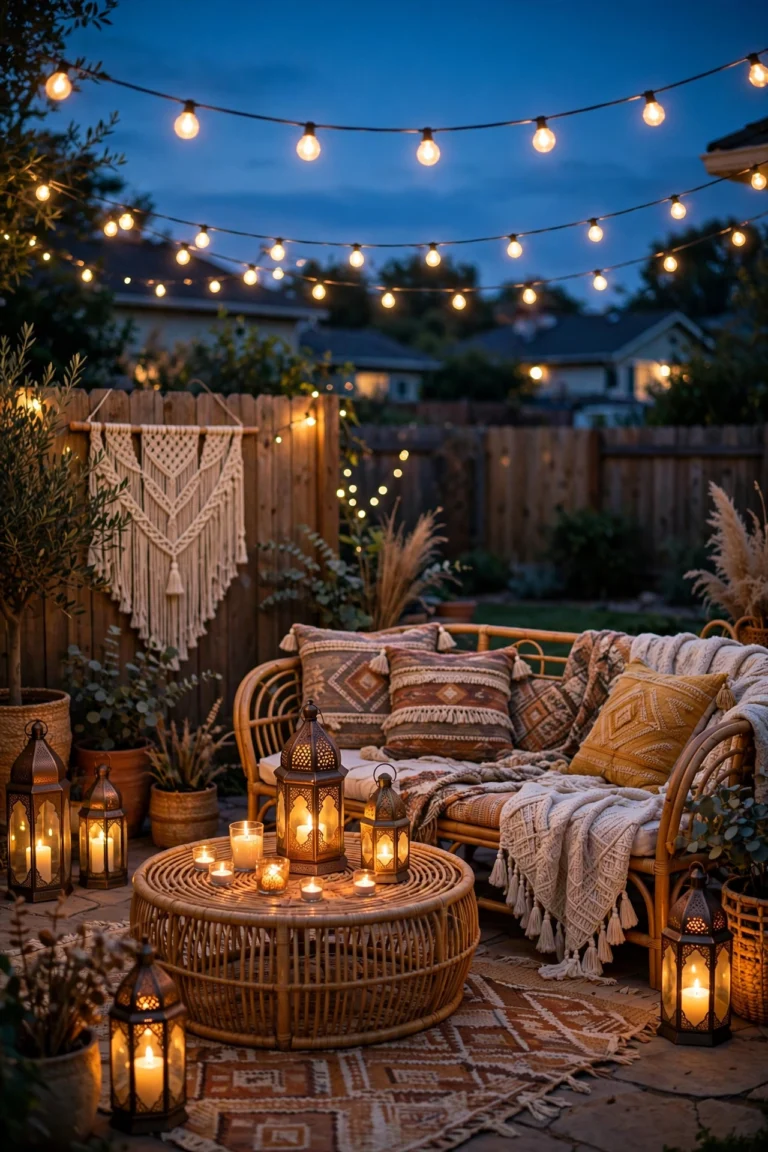
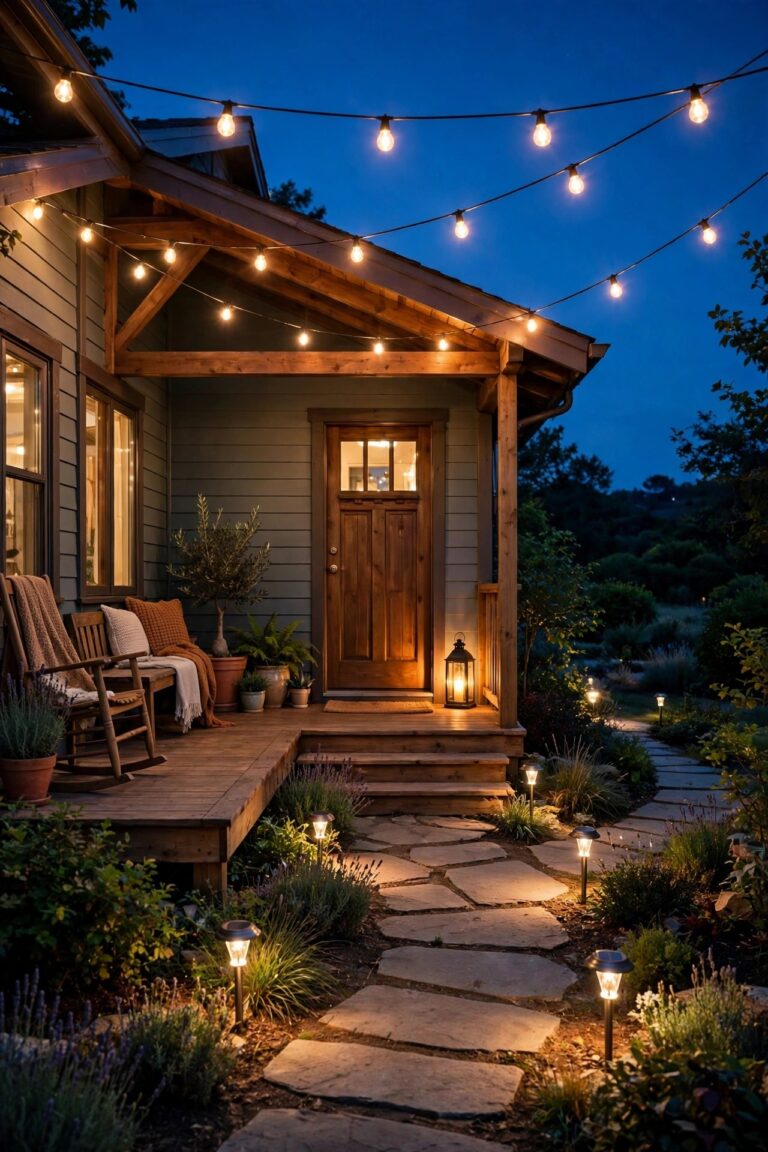
String lights are the happiest layer on any patio, and the smart color-changing versions are a genuine two-for-one. At six o'clock mine pour out a warm white glow, low and golden, that makes dinner outside feel like a little bistro. At eight, when friends arrive, I tap one scene and the same strands roll through soft jewel tones, or settle into a single color that matches the occasion. Look for strands rated for outdoor use with shatterproof bulbs, and plan your swags before you hang: gentle catenary curves between the house, a pergola post and a shepherd's hook, with the plug end landing near a GFCI outlet. A smart plug can make even a plain strand schedulable, but true color control lives in the strand itself. Keep the drop at least 7 feet above walkways so tall guests stay happy, and store your favorite scenes in the app with names you will actually remember, like Dinner Warm and Birthday Bright. In my experience, one good strand over the main seating area beats three cheap ones scattered everywhere. Suggested budget range: $40 – $120.
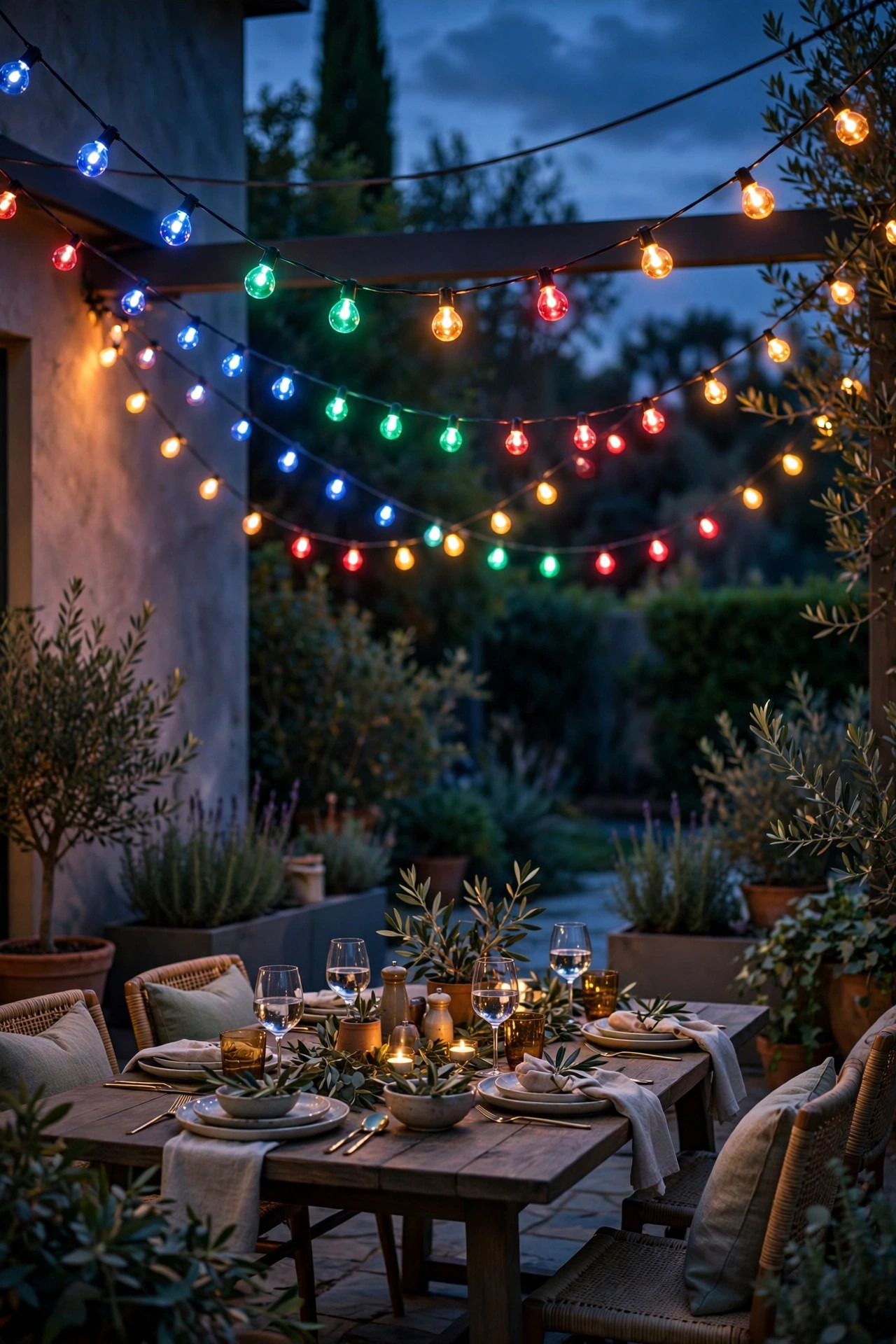
4. Line the Walk With Color-Changing Path Lights
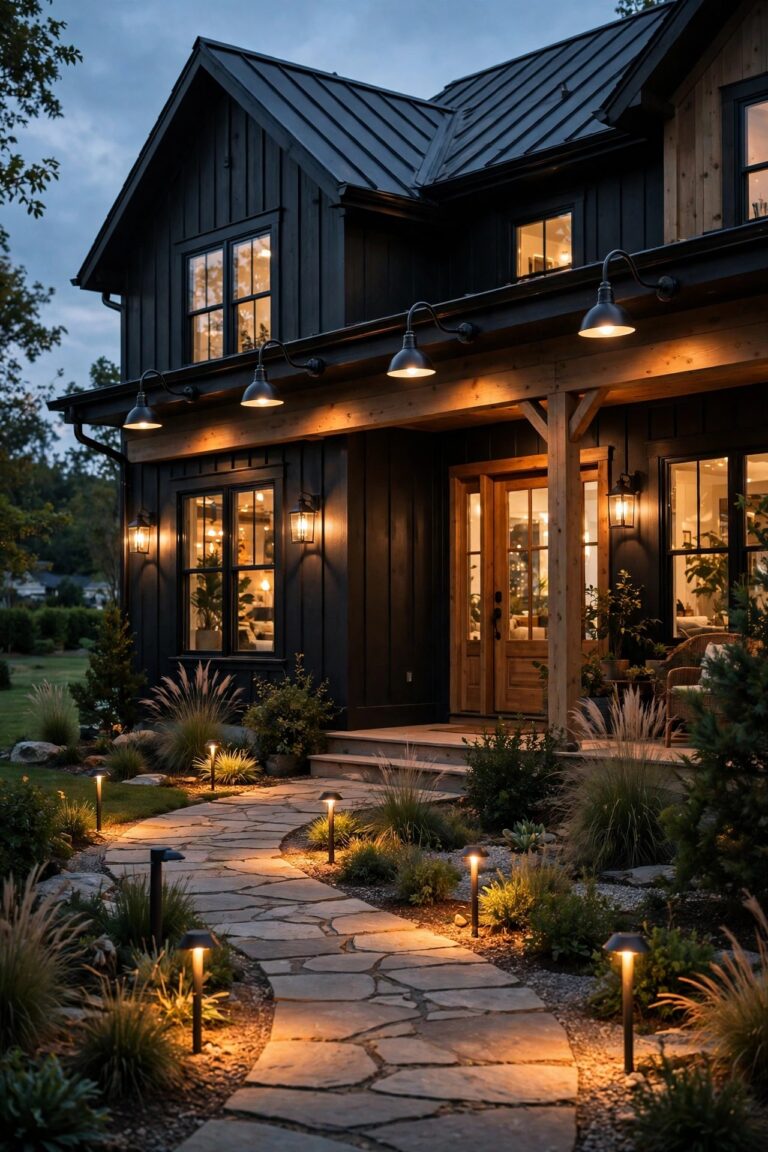
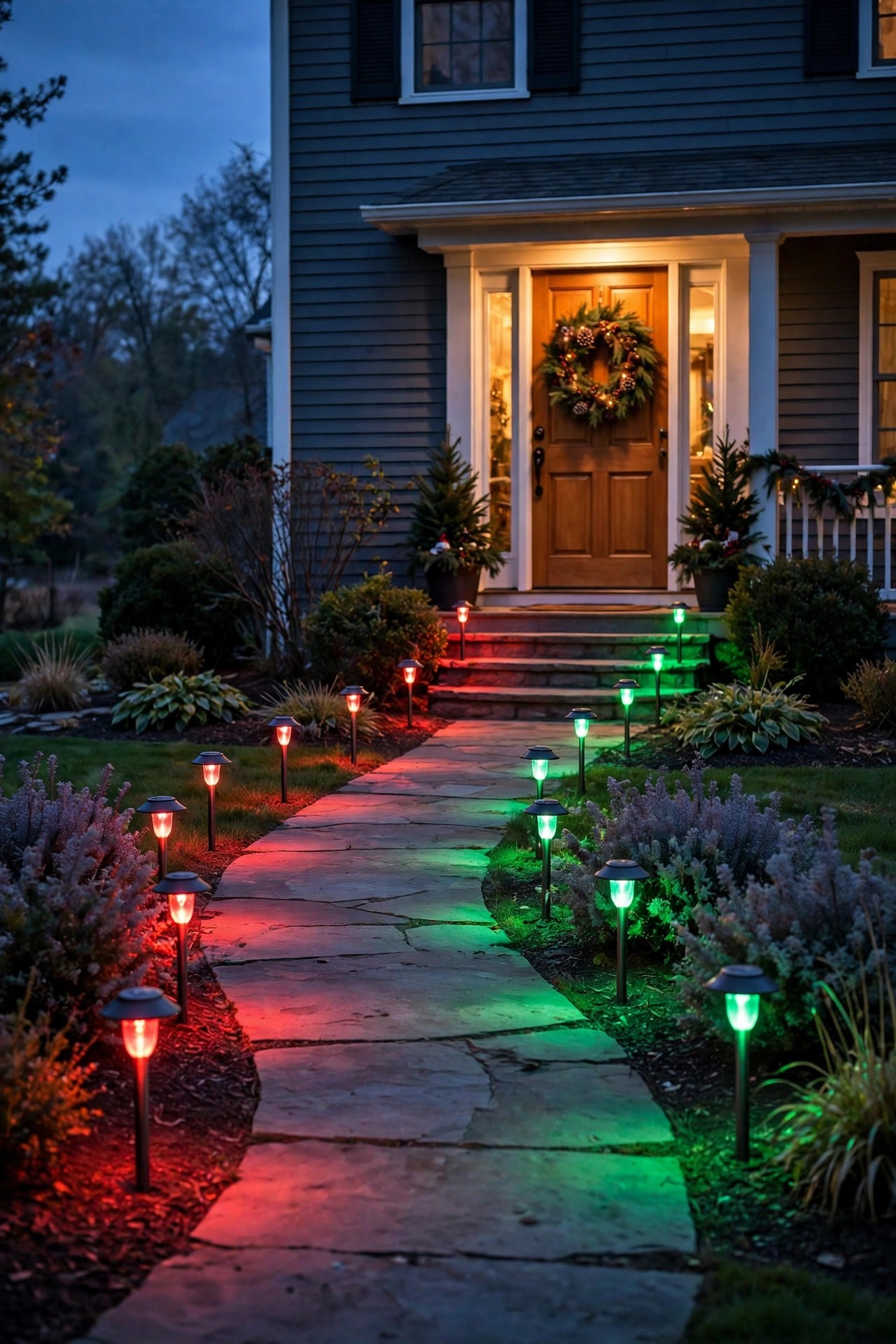
Path lights have one job, getting everyone from the driveway to the door without a stumble, but nobody said they have to be boring about it. Color-changing path lights, whether low-voltage stakes on a transformer or solar stakes like the ones in my color-changing solar light ideas roundup, pool soft light on the treads most nights in a warm white that matches the rest of the entry. Then Halloween arrives and the whole walk turns a gentle pumpkin orange, or December brings alternating red and green pools that make kids slow down and grin. Space stakes 6 to 8 feet apart, staggered on alternating sides rather than in a runway line, so the pools overlap softly. Keep the brightness modest; path light should kiss the ground, not glare into eyes, and color reads best at about half brightness anyway. If your path lights run off a low-voltage transformer, one smart plug on the transformer gives the whole run a schedule, even if individual stakes are simple models. This is the idea my neighbors ask about most, precisely because it is cheerful from the street and still completely practical up close. Suggested budget range: $35 – $110.
5. Uplight One Hero Tree in Color and Watch the Yard Transform
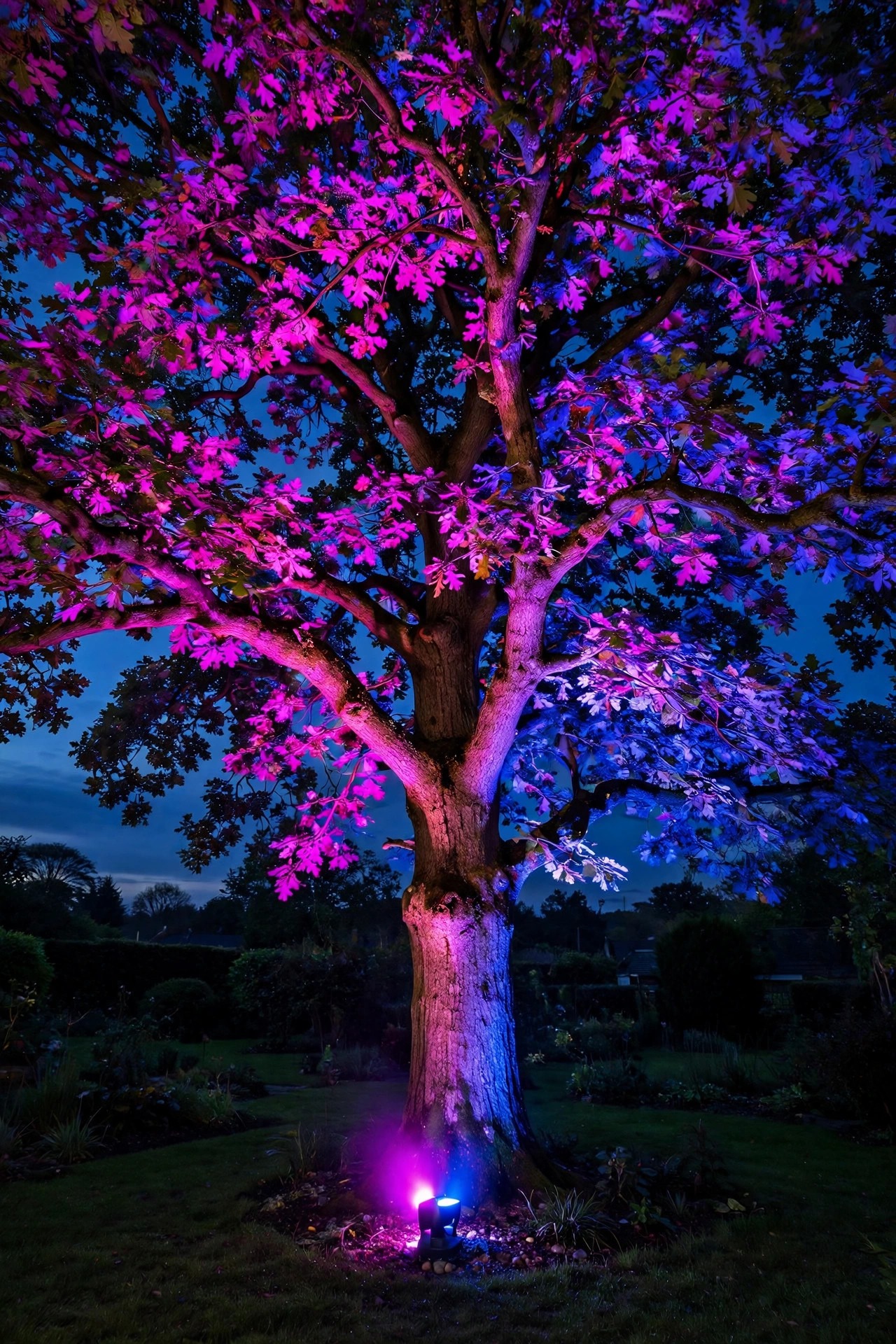
If I could keep only one color idea, it would be this one: a single color-changing spotlight aimed up into your best tree. A wash of color through branches is pure theater. Soft green makes spring foliage look impossibly lush, amber turns an oak into autumn even in June, icy blue gives you a moonlit winter scene in July, and a deep magenta at Halloween makes the whole street slow down. Place the fixture 12 to 18 inches from the trunk, aimed up through the canopy, and choose a model with a ground stake and a real outdoor rating so rain is a non-event. One tree, lit well, beats five trees lit timidly, and restraint is what keeps color classy. Run it on its own app group so you can bring the tree in and out of scenes without touching the rest of the yard. On ordinary nights I set mine to the warmest white and dim it to about 40 percent, where it quietly does the classic moonlighting job. The color is the encore, not the everyday act. Suggested budget range: $30 – $90.
6. Wash the Whole Facade With a Smart Color Floodlight
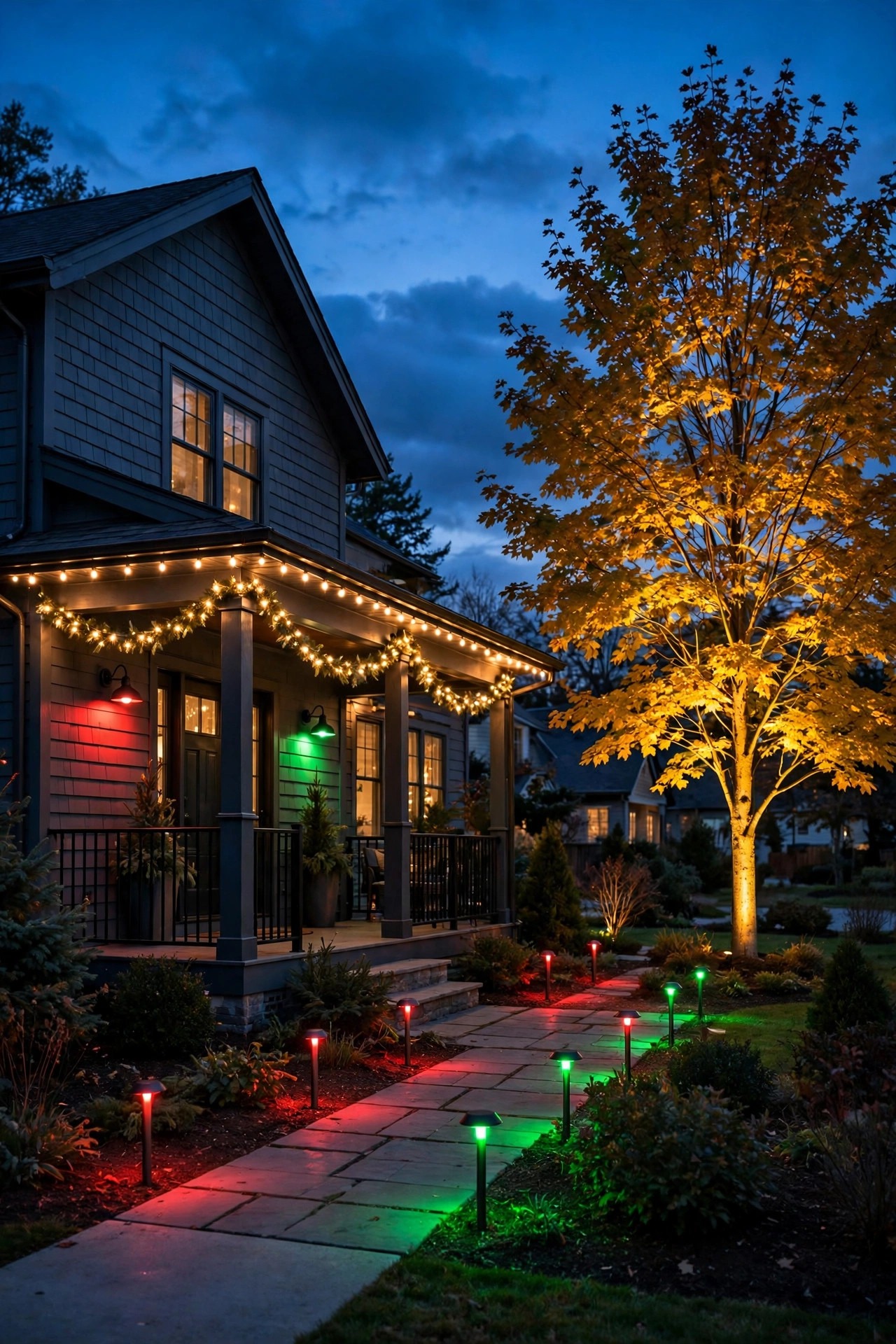
Want the big gesture? A color-changing smart floodlight or two, tucked into the planting bed and aimed at the house, can wash an entire facade in color for holidays and big games. This is how you get the house that glows orange in October and pastel in spring without ever climbing a ladder to swap bulbs. Position floods 3 to 5 feet out from the wall, angled up so the beam grazes siding or brick and dies before it hits the windows. Two narrower beams usually look richer than one wide blast, and mixing a colored wash with warm white window candles or sconces keeps the effect layered instead of flat. Mind the neighbors here more than anywhere: keep the wash on your own walls, dim it after 10 p.m., and let a schedule turn it off entirely by bedtime. Because floods are the brightest fixtures in the yard, I keep mine in their own app group with a strict timer. Used a dozen nights a year, they are the exclamation point of the whole system. Used every night, they are just noise. Suggested budget range: $45 – $130.

7. Save a Holiday Scene Once and Reuse It Every Year
This is the idea that pays you back forever: build your holiday scenes once, name them clearly, and never hang a ladder-timer argument again. My Christmas scene runs the sconces holly red, the path alternating red and green, the hero tree in warm gold, and the string lights at a soft warm white so the color has somewhere to rest. Halloween is orange floods, a purple tree and one flickering porch lantern effect. The Fourth gets red, white and blue across everything, and a gentle pastel scene covers Easter and spring birthdays. Building each scene takes ten unhurried minutes in the app: set every zone, check it from the street, dim anything that shouts, save it with the holiday name. After that, the whole display is one tap, or better, one schedule that runs from the first Friday of the season to the morning after the holiday. Honestly, this single habit is why color changing smart outdoor lights feel like magic instead of homework. The lights remember so you do not have to. Suggested budget range: $0 – $40.
8. Back Your Team With Game Day Colors in the Backyard
Game day is where color-changing lights earn their keep in our house. The patio strings go team colors two hours before kickoff, the backyard flood adds a wash on the fence, and the cooler-side lantern settles into a steady warm white so nobody is pouring drinks under a strobe. The trick is containing the party palette to the backyard, where it belongs, and keeping the front of the house calm for the rest of the street. If your crew watches outside, set the scene to rise with the pregame and fade to warm white at halftime for food runs, then back to color for the second half. Rivalry weeks are honestly the most fun: split the patio down the middle, one side in each team's colors, and let the yard keep score of who dressed louder. Keep brightness around 60 percent so faces and food still look right on camera, and save the scene under the team name so next season is one tap. When the game ends, one command returns the whole yard to its polite warm-white self. Suggested budget range: $20 – $80.

9. Put Color Under the Water With Rated Pool and Fountain Lights
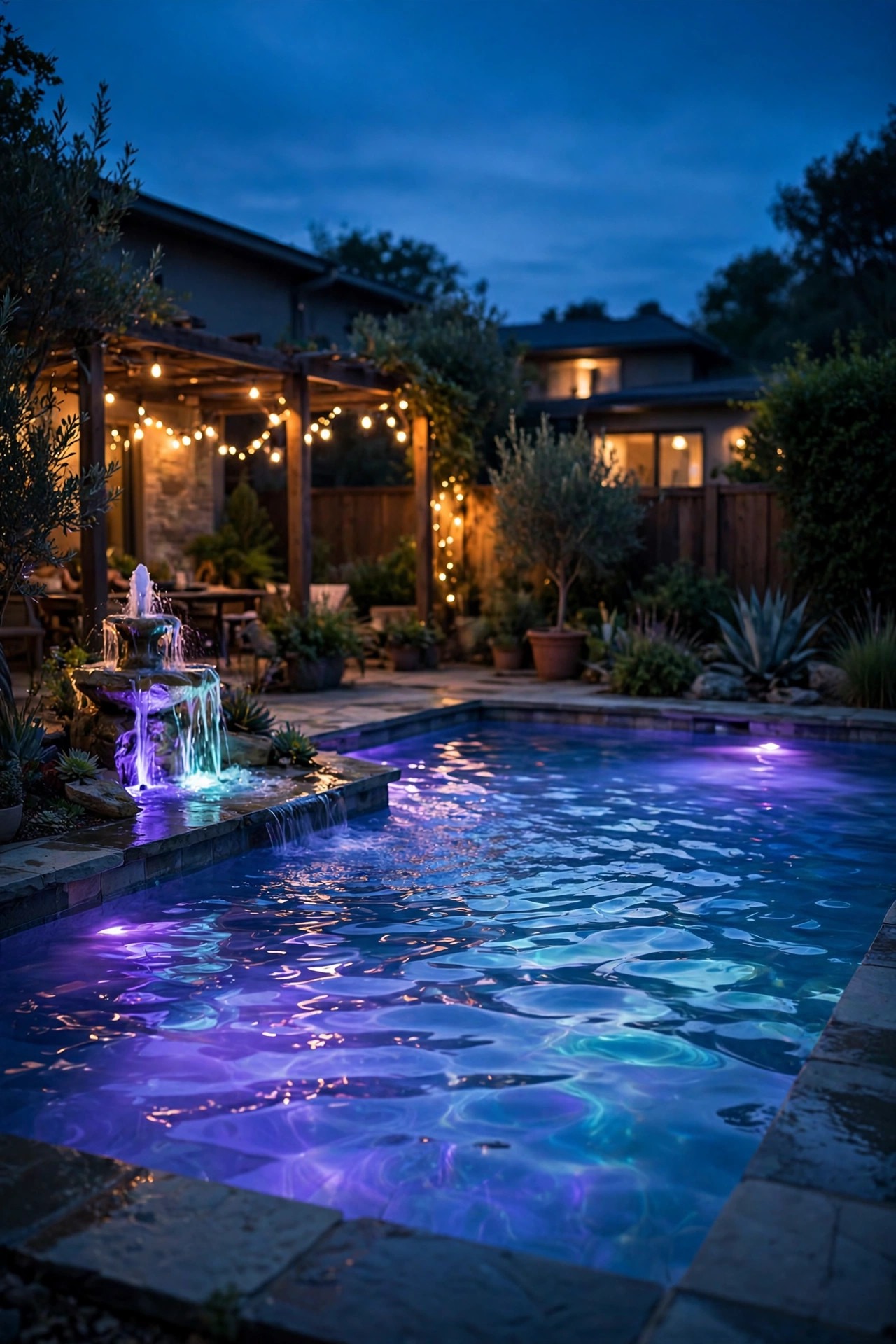
Color does its most magical work under water. A color-changing pool light turns an ordinary evening swim into a lagoon, rolling slowly from aqua to deep blue to violet, and a little submersible accent in a fountain or birdbath throws rippling color across the nearest wall. This is the one idea where ratings are not fine print, they are the whole purchase: pool and fountain fixtures must be made and sealed for submersion, with an IP68 rating, and anything near water belongs on a GFCI-protected circuit, no exceptions. If your pool still runs an old single-color light, a color-changing replacement bulb or fixture is often a straightforward swap a pool tech can do in one visit. Keep the show gentle: slow fades hypnotize, fast strobing empties a patio. On non-swim nights I park ours on the softest aqua at low brightness, where it doubles as a calm accent for the whole backyard. And when the grandkids visit, the rainbow cycle comes out and the pool becomes the entire evening's entertainment. Suggested budget range: $60 – $250.
10. Carry the Color With Portable Smart Lanterns and Flameless Candles
Not every color moment needs a fixture. Portable smart lanterns and flameless candles with color-changing LEDs go wherever the evening goes: a cluster on the porch steps for Halloween in flickering orange, a line down the dinner table in soft amber for a birthday, two by the hot tub in spa blue. Because they are battery powered, they are also my favorite renter move and my favorite backup when a fixture quits an hour before guests. Look for weather-resistant housings, USB charging so you are not feeding them disposable batteries, and a remote or app control so the whole cluster changes together. The flameless part matters: LED candles near dried wreaths, paper luminarias and table linens give you the candlelit look with zero fire risk, which is the only way I light anything within reach of a tablecloth. Group them in odd numbers, three on a step, five down a table, and keep the colors in one family per cluster so it reads as a palette, not a grab bag. Suggested budget range: $25 – $75.
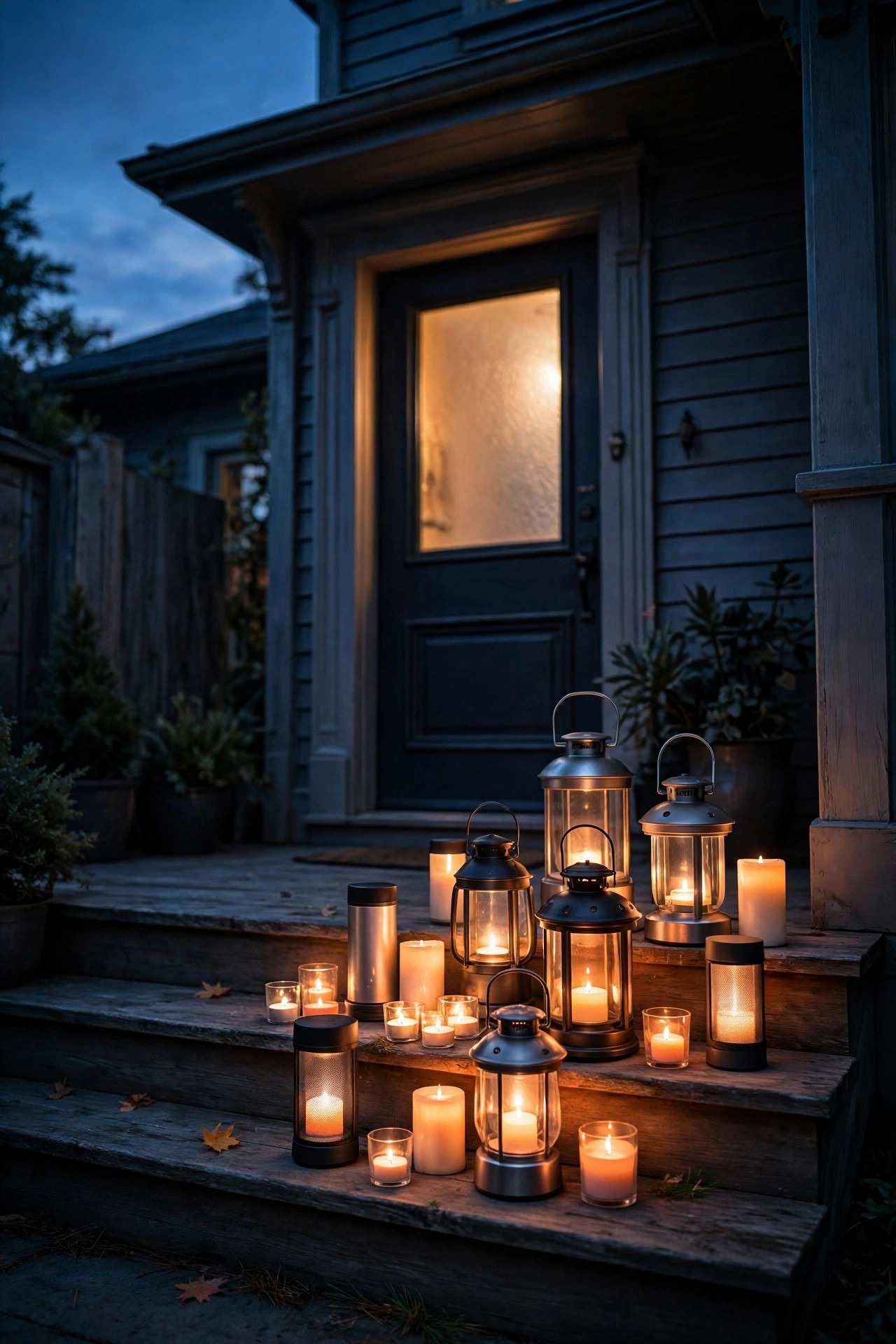
11. Hide Color-Changing Strip Lights Under Rails, Steps and Eaves
Strip lights are the invisible magicians of this list. Run a color-changing LED strip under a deck rail, beneath stair treads, along the underside of an eave or behind a bench back, and you never see the source, only a floating ribbon of colored glow. It is the most modern look here, and the most forgiving, because indirect light hides a multitude of sins. Use strips rated for outdoor exposure, mount them in an aluminum channel with a diffuser if they sit anywhere near eye level (the diffuser turns dotted bulbs into one smooth line), and put the power supply somewhere dry with the connection on a GFCI outlet. Under-step strips in a warm white are a genuine safety upgrade on dark stairs, and on party nights the same run washes the whole stairway in color. My favorite quiet use: a strip under the porch rail set to the palest warm gold at 20 percent, so the rail seems to hover. Save the saturated color runs for the backyard, where they read as celebration instead of signage. Suggested budget range: $30 – $100.

12. Let Motion Trigger a Friendly Glow of Color at the Door
A motion sensor plus color gives you a porch that says hello. Ours works like this: after dark, when the driveway sensor sees a car or the path sensor sees a guest, the sconces breathe up from a dim warm white to a welcoming gold, and on holiday weeks they bloom into the season's color for two minutes before settling back down. It feels like the house noticed you, in the nicest way. You can build the same routine with a smart motion sensor, a video doorbell, or the motion feature built into many smart floodlights. Keep two courtesies in mind. First, never flash or strobe toward the street; a gentle fade over five to ten seconds delights guests and startles nobody. Second, set the trigger window to end by 11 p.m. so late dog-walkers are not setting off your light show all night. Delivery drivers, grandparents and my own arms-full-of-groceries self all agree: a porch that lights itself, warmly and on time, is the hardest-working idea in this whole post. Suggested budget range: $35 – $90.
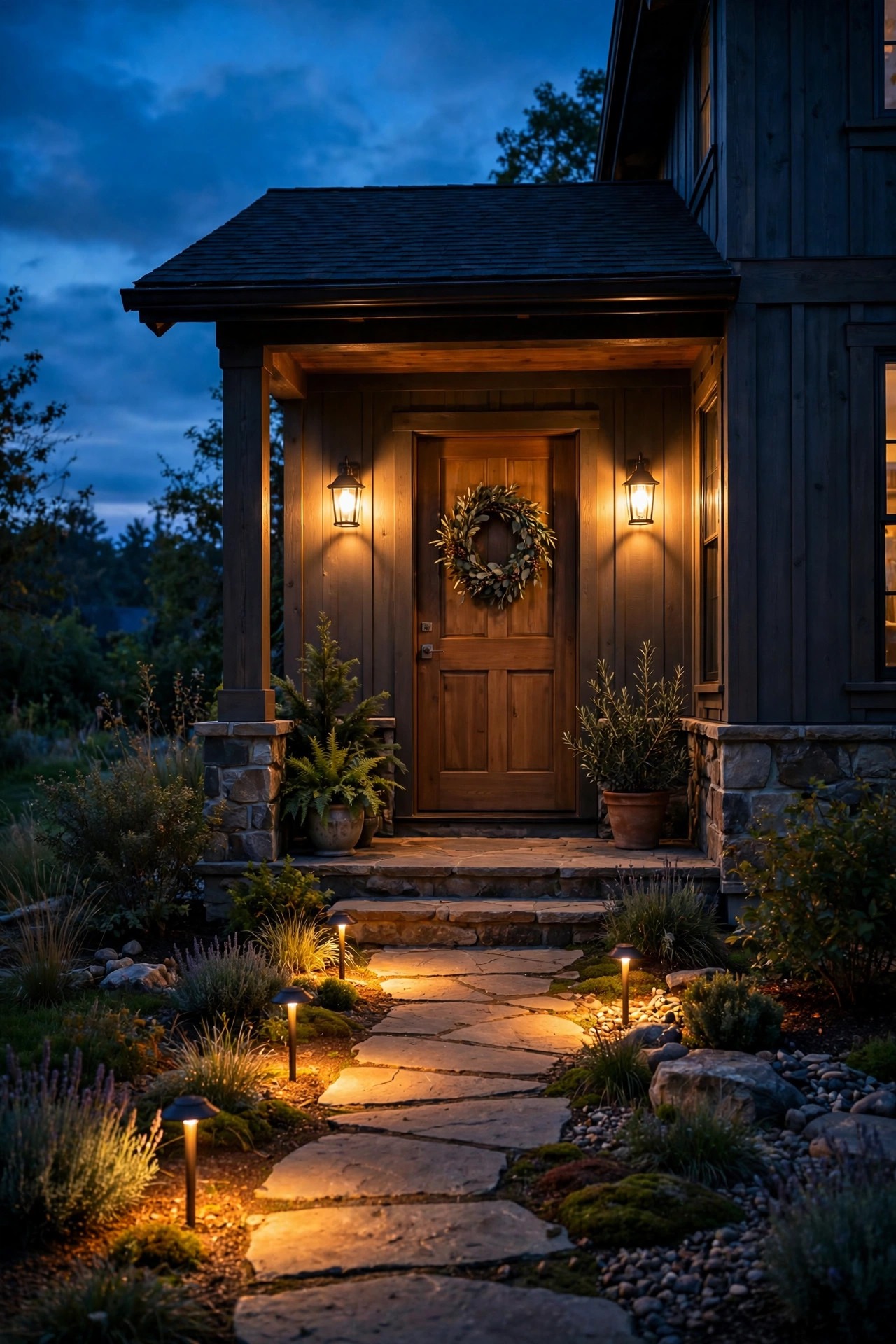
13. Schedule Sunset On, Gentle Fade, and Lights-Down by Bedtime
Color gets the glory, but schedules do the daily work. Every one of my outdoor scenes runs on the clock and the sun: on at sunset, never a minute of daylight burning, then a slow fade down to a whisper at 10 p.m., and fully off by 11 except the path lights on their lowest warm setting. That rhythm is what makes a colorful house a good neighbor. Setting it up is a one-time, ten-minute job, and our guide to easy app-controlled lighting walks through the basics if you are new to routines. Two refinements worth stealing: use astronomical or sunset-based timing rather than a fixed clock, so the schedule breathes with the seasons, and build a separate later schedule for Friday and Saturday, when the patio is actually in use. Vacation mode deserves a mention too: randomize the on and off times slightly while you travel and the house looks lived-in, colors and all. The best compliment my system ever got was a neighbor asking who was house-sitting. Nobody was. It was just the schedule. Suggested budget range: $0 – $30.
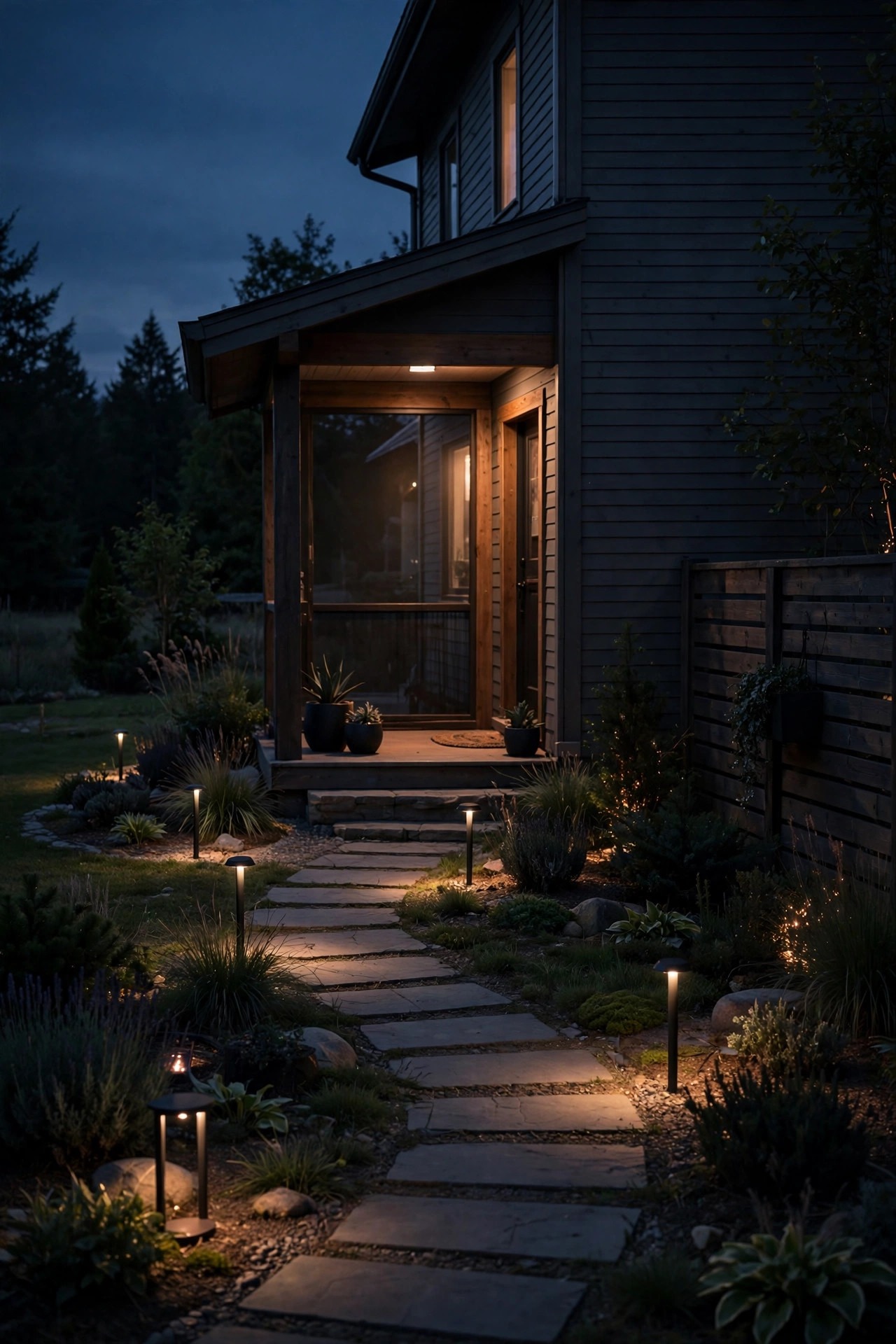
14. Keep a Warm White Default So Color Stays a Treat
Here is the rule that holds this entire list together: warm white is the default, and color is the occasion. Every fixture in my yard wakes up at 2700K, the candle-warm tone that flatters siding, stone, skin and supper. Color arrives for holidays, games, birthdays and the odd Tuesday when somebody needs cheering up, and then it goes away again. That discipline is exactly why the color lands when it comes; a house washed in magenta every night is just a magenta house by week two. It is also why the neighbors smile instead of squinting, and why most HOA letters never get written, since ordinary evenings at my address look completely classic. When you build scenes, start from the warm default and add color to one or two zones at a time, checking from the street as you go. If a scene still looks tasteful in a phone photo at arm's length, you have the balance right. Treat color like hot sauce: a confident dash, in the right dish, never the whole bottle. Suggested budget range: $0 – $25.

15. Do a Test Night and Tune Your Color Changing Smart Outdoor Lights Scene by Scene
The last step is the one everybody skips and everybody needs: a test night. Wait for full dark, open the app, and walk the property with your phone like a lighting designer doing a final pass. Stand at the street and check the front scenes first, then circle to the backyard. You are hunting for three things: any fixture glaring into eyes or windows, any color that reads harsher outside than it did on the app's color wheel (saturated reds and blues almost always need dimming), and any zone that got left out of a scene it belongs in. Adjust brightness scene by scene, because color changing smart outdoor lights nearly always look best between 40 and 70 percent, then save over the old scene so the tuned version is the one that runs. Take a photo of each finished scene; next season, those photos are your cheat sheet. I do this walk twice a year, once before Halloween and once before the December holidays, coffee in hand. Ten minutes of tuning is the whole difference between a yard that looks decorated and a yard that looks designed. Suggested budget range: $0 – $20.

Frequently Asked Questions
Are color-changing smart lights bright enough for everyday use?
Yes, as long as you shop by lumens instead of watts. For porch sconces and most accent spots, look for 800 lumens or more per bulb, which matches a classic 60-watt bulb, and check that the warm white mode reaches a true 2700K. In white mode a good color-changing bulb is just as bright and just as warm as a regular smart bulb; the color is a bonus layer, not a compromise.
Do color-changing outdoor lights cost much to run?
Very little. A typical color-changing LED bulb draws about 9 to 12 watts at full brightness, and far less dimmed or in a soft color, versus 60 watts for an old incandescent. Run ten of them for five hours a night and you are looking at roughly a dollar or two a month in most of the US. Schedules and sunset timers cut that further by making sure nothing burns in daylight.
Will colorful lights bother my neighbors or break HOA rules?
Not if you follow the warm-default rule in this post. Keep everyday lighting at 2700K, save saturated color for holidays and events, aim washes at your own walls and trees, and let a schedule end the show by 10 or 11 p.m. Most HOAs regulate permanent fixtures and all-night displays, not a porch that glows orange on Halloween. When in doubt, a quick friendly word with the closest neighbor settles it.
Can color-changing smart lights really live outside all year?
They can, with the right ratings. Look for IP65 or better on fixtures and strips, bulbs listed for outdoor or enclosed-fixture use where relevant, and keep plugs and power supplies in weatherproof boxes on GFCI outlets. Cold shortens battery life on portable lanterns, so bring those in on the bitterest nights. Everything hardwired or plugged in at my house stays out through rain, frost and one memorable ice storm without a flicker of complaint.
Conclusion
Fifteen ideas in, the pattern is simple: layer your light low, at eye level and high, give every layer a warm white home base, and let color changing smart outdoor lights do what they do best, which is show up for the moments. A scene for the holidays, a scene for game day, a gentle fade for every ordinary bedtime. Start with one zone, tune it on a test night, and add color the way you would add anything good to a house you love: a little at a time, on purpose. If you are planning the rest of your setup, browse our full smart outdoor lighting guide and the other seasonal ideas here on the site; your future self, tapping one button next December while the whole house blooms red and green, says thanks.