
Energy-Saving Exterior Lighting Tips
Exterior house lighting enhances curb appeal, safety, and ambiance for front porches, patios, pathways, and garages, but it can increase energy costs if not managed efficiently. In 2025, homeowners can leverage LED, solar, and smart lighting technologies to reduce electricity consumption while maintaining functionality. This guide provides practical energy-saving tips for exterior lighting, featuring recommendations from brands like Philips Hue, Amazon Basics, and Leonlite to illuminate your dream home sustainably and cost-effectively.
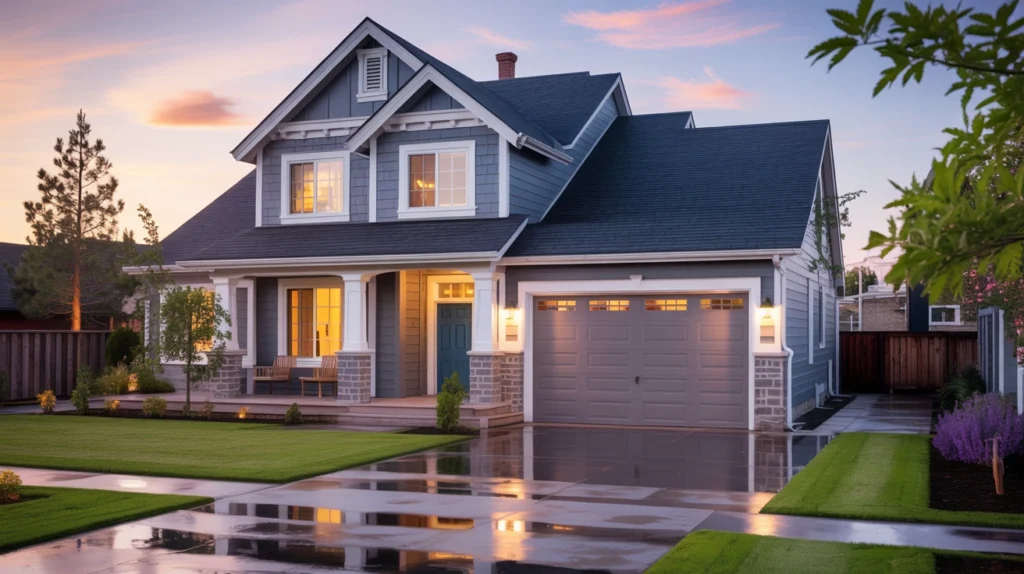
Why Energy-Saving Exterior Lighting Matters
Energy-efficient outdoor lighting reduces your carbon footprint and lowers utility bills, which average $0.15/kWh in the U.S. For example, 10 inefficient 60W incandescent lights running 6 hours nightly cost ~$197/year, while 10W LEDs cost ~$33/year, saving ~$164 annually. These tips help maximize savings while enhancing light blue, gray, or white exteriors.
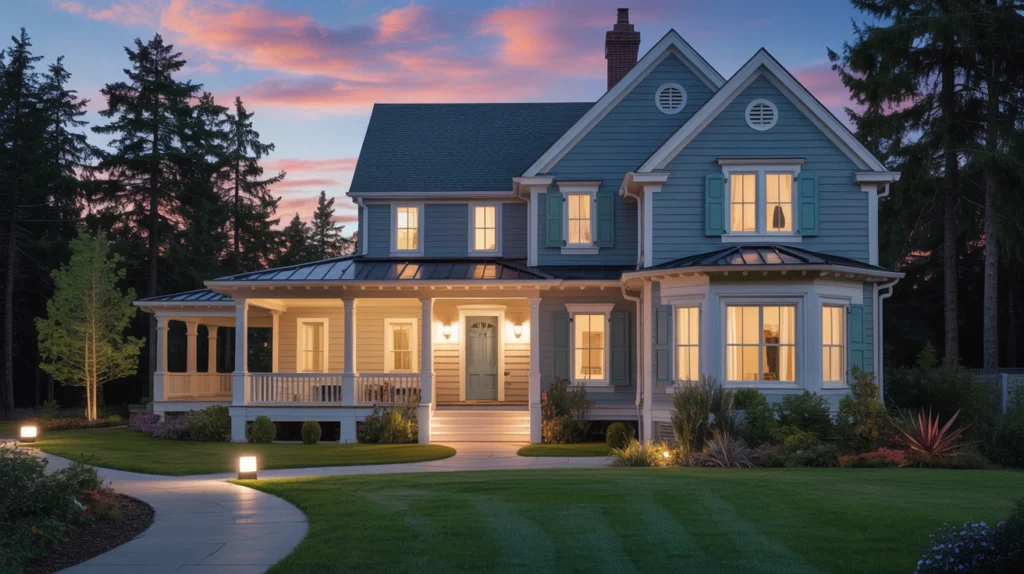
Top Energy-Saving & Lighting Tips for Exterior Houses
1. Switch to LED Bulbs
LEDs (Light Emitting Diodes) are the most energy-efficient lighting option, using 60–80% less power than incandescent bulbs and 20–40% less than CFLs.
- How It Saves: A 10W LED replaces a 60W incandescent, saving ~$16.42/year per fixture (6 hours/day, $0.15/kWh).
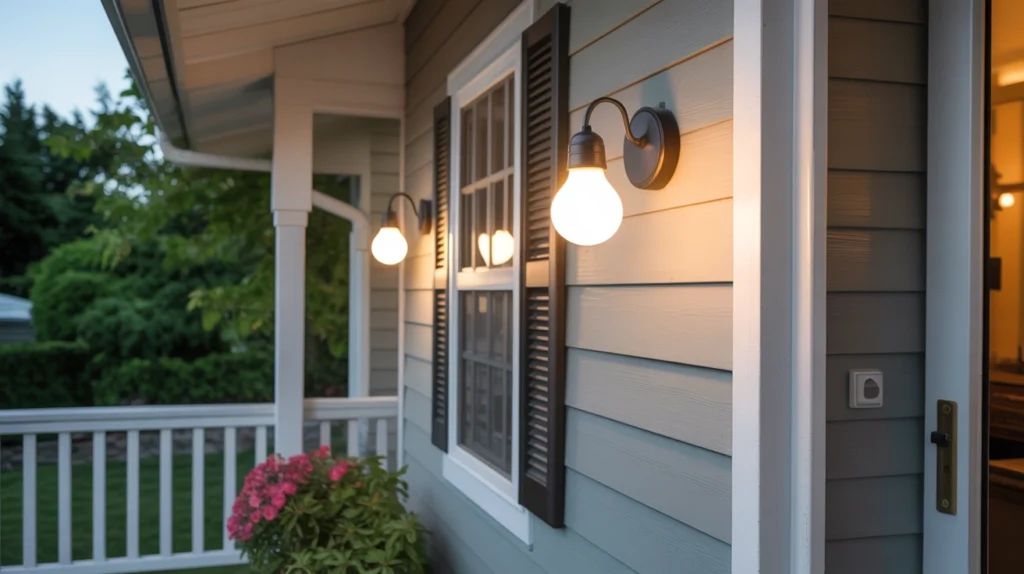
- Example: Kichler Crosby Wall Sconce (~$100, Home Depot) with 10W LED (440 lumens) for entryways.
- Tip: Choose Energy Star-certified LEDs with 25,000–50,000-hour lifespans (~10–20 years).
- Customer Quote: “Switching to LED sconces slashed our porch energy costs!” – Emily T., Seattle, WA.
2. Use Solar-Powered Lights
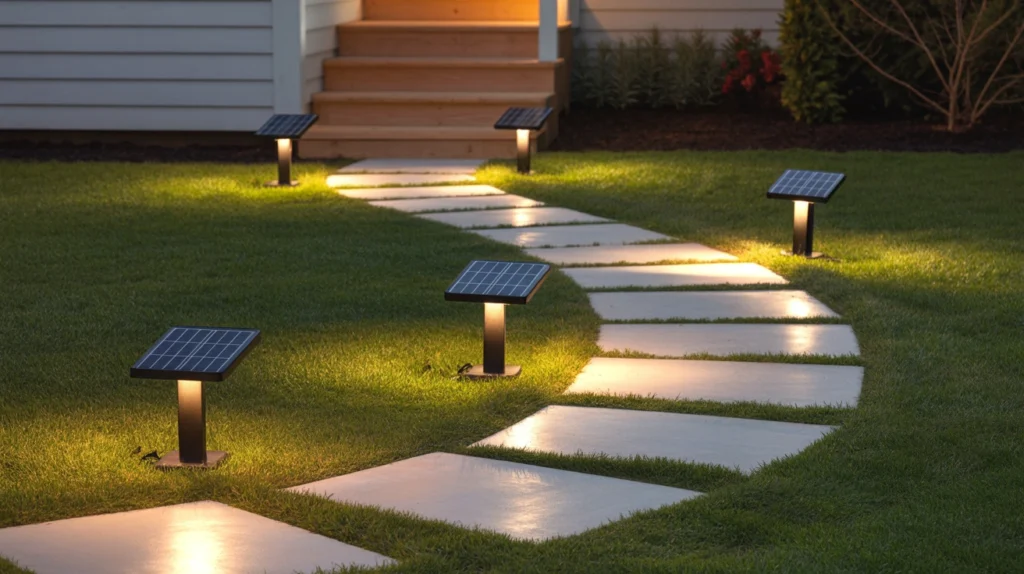
Solar lights harness sunlight to power LEDs, eliminating electricity costs entirely.
- How It Saves: A 10W solar LED saves $3.29/year vs. a grid-powered 10W LED (6 hours/day, $0.15/kWh). No wiring reduces installation costs ($100–$300/fixture).
- Example: Amazon Basics Solar Pathway Lights (8-Pack) (~$40, Amazon, 10 lumens) for walkways.
- Tip: Place in south-facing areas with 6–8 hours of sunlight; clean panels monthly for efficiency.
- Customer Quote: “Our solar path lights cost nothing to run and brighten our light gray home!” – Mark T., Central Iowa.
3. Install Motion Sensors
Motion sensor lights activate only when movement is detected, reducing runtime and energy use.
- How It Saves: Cutting runtime by 50% (e.g., 3 vs. 6 hours nightly) saves ~$1.65/year per 10W LED fixture.
- Example: Leonlite LED Motion Sensor Floodlight (~$60, Amazon, 1800 lumens, 20W) for garages.
- Tip: Adjust sensor range (10–33 feet) and duration (30 seconds–5 minutes) to avoid false triggers.
- Customer Quote: “The motion floodlight saves energy and secures our navy house!” – Claire W., Denver, CO.
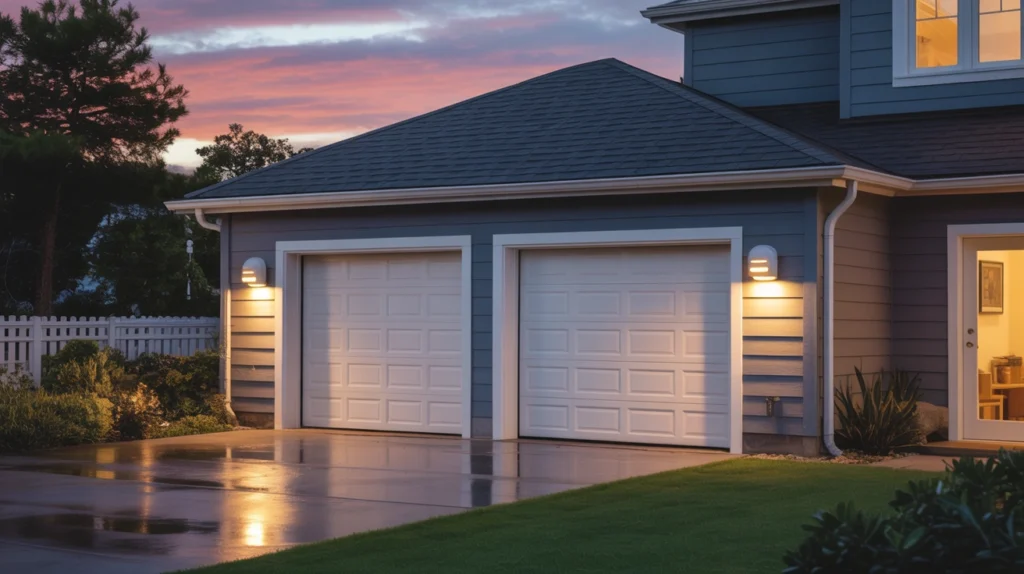
4. Use Dusk-to-Dawn Sensors
Photocell sensors turn lights on at dusk and off at dawn, preventing daytime operation.
- How It Saves: Ensures lights only run ~6–8 hours/night, saving ~$0.50–$1/year per fixture vs. manual operation.
- Example: Amazon Basics Solar Wall Lantern (2-Pack) (~$40, Amazon, 200 lumens) with built-in photocell.
- Tip: Pair with LEDs or solar lights for maximum efficiency.
- Customer Quote: “Our dusk-to-dawn lanterns save power on our light blue porch!” – Sarah M., Raleigh, NC.
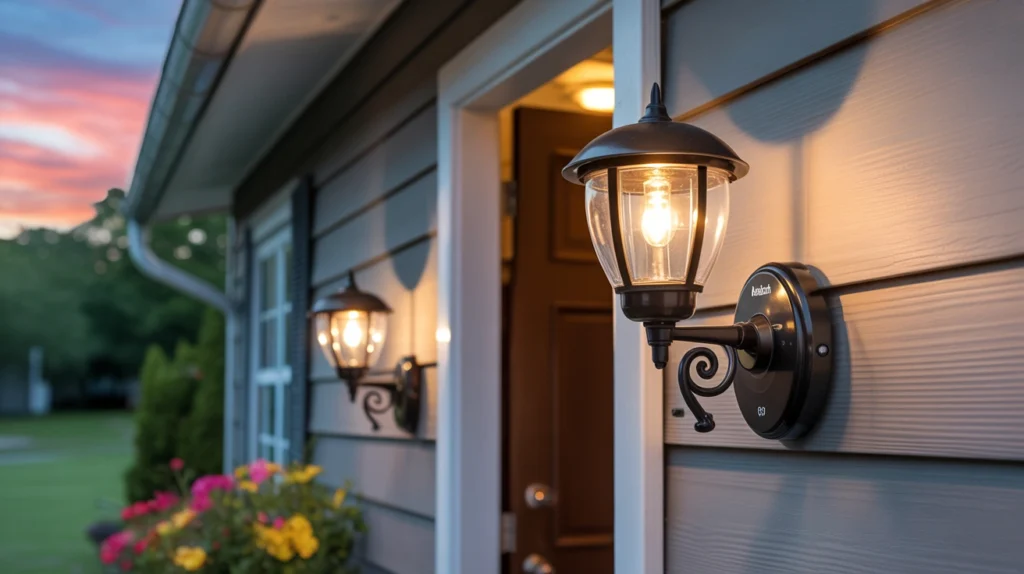
5. Implement Smart Lighting Controls
Smart lights allow scheduling, dimming, and remote control via apps, Alexa, Google Home, or Matter, optimizing energy use.
- How It Saves: Dimming by 50% or scheduling off-times saves ~$0.80–$1.65/year per 10W fixture; motion integration reduces runtime.
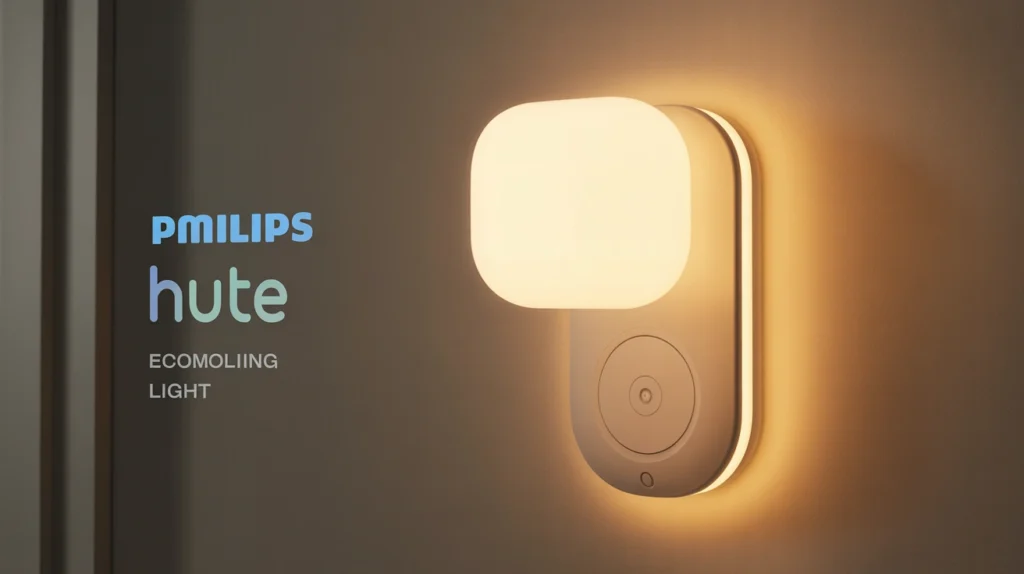
- Example: Philips Hue Econic Smart Wall Light (~$180, Amazon, 1150 lumens, 15W) with Zigbee and motion sensor support.
- Tip: Set automations (e.g., lights off at midnight, dim at 10 PM) or sync with Ring cameras for motion-triggered lighting.
- Customer Quote: “Smart Hue lights cut costs and make our white house glow!” – Tom R., Miami, FL.
6. Dim Lights When Full Brightness Isn’t Needed
Dimmable LEDs reduce energy consumption by lowering brightness for ambiance rather than security.
- How It Saves: Dimming a 10W LED to 5W saves ~$1.65/year per fixture (6 hours/day, $0.15/kWh).
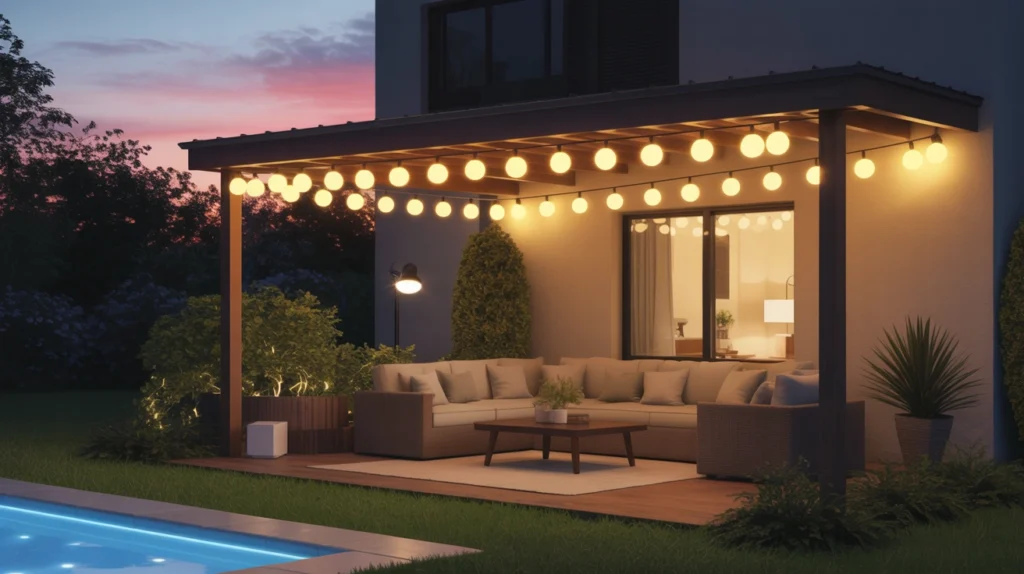
- Example: Govee Outdoor String Lights H1 (~$119, Amazon, 100 lumens) with app-controlled dimming.
- Tip: Use dimmable smart lights for patios or decks; dim to 20–50% for cozy settings.
- Customer Quote: “Dimming our string lights saves energy on our beige patio!” – Lisa M., Wilmington, NC.
7. Choose Low-Lumen Lights for Decorative Areas
Use lower-lumen LEDs (100–400 lumens) for pathways or landscapes where bright light isn’t critical, reserving high-lumen lights (800–2000) for security.
- How It Saves: A 5W LED (200 lumens) vs. a 10W LED (800 lumens) saves ~$1.65/year per fixture.
- Example: Linkind StarRay Solar Spotlight (~$30, Amazon, 400 lumens, 7W) for shrubs or facades.
- Tip: Match lumens to purpose: 100–200 for accents, 400–800 for entryways, 1000+ for floodlights.
- Customer Quote: “Low-lumen spotlights save power and highlight our sage green house!” – John P., Myrtle Beach, SC.

8. Group Lights for Efficient Control
Group multiple lights into zones (e.g., porch, pathway) controlled by a single smart switch, motion sensor, or app to streamline operation.
- How It Saves: Reduces redundant runtime; controlling 5 lights as one saves ~$0.50–$1/year per group via scheduling.
- Example: Wyze Outdoor Floodlight v2 (~$84, Amazon, 2800 lumens) with Wi-Fi group control.
- Tip: Use Philips Hue Bridge (~$60) or Govee app for zoning without rewiring.
- Customer Quote: “Grouping our smart lights saves energy across our gray exterior!” – Emily T., Seattle, WA.
9. Optimize Light Placement
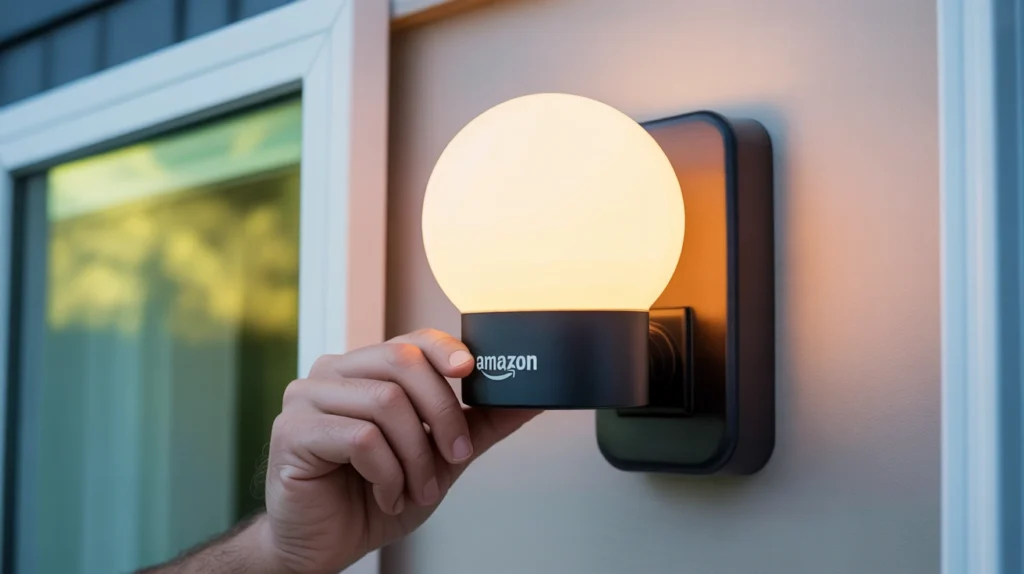
Position lights to maximize coverage with fewer fixtures, reducing overall energy use.
- How It Saves: Using 5 well-placed 10W LEDs vs. 8 saves ~$9.87/year (6 hours/day, $0.15/kWh).
- Tip: Place sconces at 65–75 inches, floodlights 8–12 feet high, and pathway lights 2–3 feet apart. Angle spotlights to avoid overlap.
- Example: Hinkley Luna Recessed LED Light (~$80, Home Depot, 600 lumens) for eaves.
- Customer Quote: “Strategic recessed lights cover our white facade with less power!” – Claire W., Denver, CO.
10. Take Advantage of Rebates and Incentives
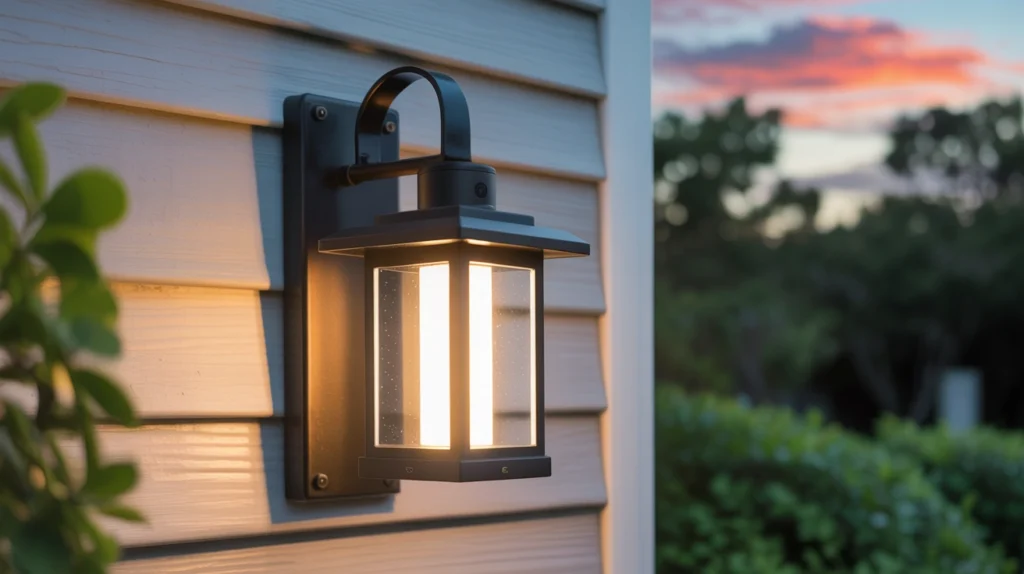
Utility companies often offer rebates for energy-efficient LED or smart lighting, lowering upfront costs.
- How It Saves: Rebates of $2–$20/fixture (e.g., Energy Star programs) offset purchases, reducing payback time.
- Tip: Check Energy Star, DSIRE, or local utility websites for programs (e.g., $10 off per Leonlite Floodlight).
- Example: Amazon Basics LED Wall Sconce (~$40, Amazon) may qualify for rebates.
- Customer Quote: “Rebates made our LED lanterns even cheaper for our light blue home!” – Sarah M., Raleigh, NC.
Additional Energy-Saving Considerations
- Choose Weather-Resistant Fixtures: IP65/IP66 ratings and corrosion-resistant materials (aluminum, stainless steel) ensure longevity, reducing replacement costs. Example: Hinkley Harbor Sconce (~$140, Home Depot) for coastal areas.
- Select Appropriate Color Temperatures: Warm white (2700K–3000K) for ambiance, cool white (4000K–5000K) for security. Test with paint colors to avoid over-illumination.
- Maintain Fixtures: Clean lenses and solar panels monthly; inspect wiring annually to maintain efficiency.
- Combine Strategies: Pair solar motion-sensor LEDs (e.g., Ring Solar Pathlight, ~$35, Amazon) for triple savings: no electricity, reduced runtime, and efficient bulbs.
Cost-Saving Example
- Scenario: Replace 10 incandescent 60W porch lights with 10W LED smart lights (e.g., Philips Hue Inara, ~$130, Amazon) with motion sensors and dusk-to-dawn controls.
- Savings Breakdown:
- Energy: $197/year (incandescent) vs. $33/year (LED) = $164 saved.
- Motion Sensors: Reduce runtime by 50% = $16.50 additional savings.
- Rebates: $10/fixture x 10 = $100 upfront savings.
- Total Annual Savings: $180.50/year; payback in ~1–2 years despite higher initial cost ($1,300 vs. ~$250 for incandescents).
- Customer Quote: “Our smart LEDs paid for themselves fast on our navy house!” – Tom R., Miami, FL.
Installation Tips
- DIY Solar: Stake pathway lights or mount solar lanterns in sunny areas; no wiring needed.
- Hardwired LEDs/Smart Lights: Turn off power, use a voltage tester, and consider an electrician for junction boxes ($100–$300/fixture).
- Smart Setup: Connect via Wi-Fi, Zigbee (e.g., Hue Bridge), or Bluetooth; test app automations.
- Seal Fixtures: Apply weatherproof caulk to prevent water ingress.
- Check Codes: Verify local HOA or building regulations.
Maintenance Tips
- Clean Regularly: Wipe lenses and solar panels monthly to ensure brightness.
- Inspect Wiring: Check hardwired connections yearly for corrosion.
- Replace Batteries: Swap solar batteries every 2–5 years (~$2–$10).
- Update Firmware: Keep smart light apps updated for efficiency.
- Warranties: Use Philips Hue (2 years), Amazon Basics (1 year), Leonlite (3 years).
Where to Buy
- Amazon: Budget-friendly solar, LED, and smart lights like Amazon Basics, Govee, and Lumary.
- Home Depot: Stocks Kichler, Hinkley, Philips Hue, and Leonlite.
- Wayfair: Stylish smart sconces and string lights.
- Manufacturer Sites: Direct purchases for warranties or bundles.
Customer Insights
- Emily T., Seattle, WA: “LED cylinder lights with motion sensors save tons on our gray house!”
- Mark T., Central Iowa: “Solar path lights cost nothing and light our navy walkway!”
- Sarah M., Raleigh, NC: “Smart dusk-to-dawn lanterns cut our bill on our light blue porch!”
- Claire W., Denver, CO: “Dimming our string lights saves energy on our white patio!”
Conclusion
Save energy on exterior house lighting by using LED bulbs, solar lights, motion sensors, dusk-to-dawn controls, and smart automations. Combine strategies like low-lumen spotlights (e.g., Linkind, $30, Amazon) and grouped smart lights (e.g., Philips Hue, ~$180, Amazon) for maximum savings ($50–$200/year for 10 fixtures). Shop at Amazon, Home Depot, or Wayfair, and consider an electrician for hardwired setups. Follow maintenance tips to ensure longevity, and share your energy-saving lighting projects on Pinterest or Houzz to inspire others while illuminating your dream home sustainably!