Creating a minimalist living room can feel a little intimidating. You want a clean, uncluttered space—but not one that feels cold, empty, or impersonal. If you’ve ever looked around your living room and felt stuck between wanting “less” and still craving comfort, you’re definitely not alone.
The good news? You don’t need a full makeover or a huge budget to make your space feel both minimal and cozy. Small, thoughtful decor changes—like layering textures, adjusting lighting, or adding subtle color accents—can completely transform how your living room looks and feels.
In this guide, you’ll find minimalist living room ideas that focus on warmth, personality, and real-life comfort. These are not showroom-perfect spaces—they’re lived-in, inviting, and designed for everyday life. Whether you’re refreshing your space or starting from scratch, these ideas will help you create a calm, cozy, and Pinterest-worthy home.
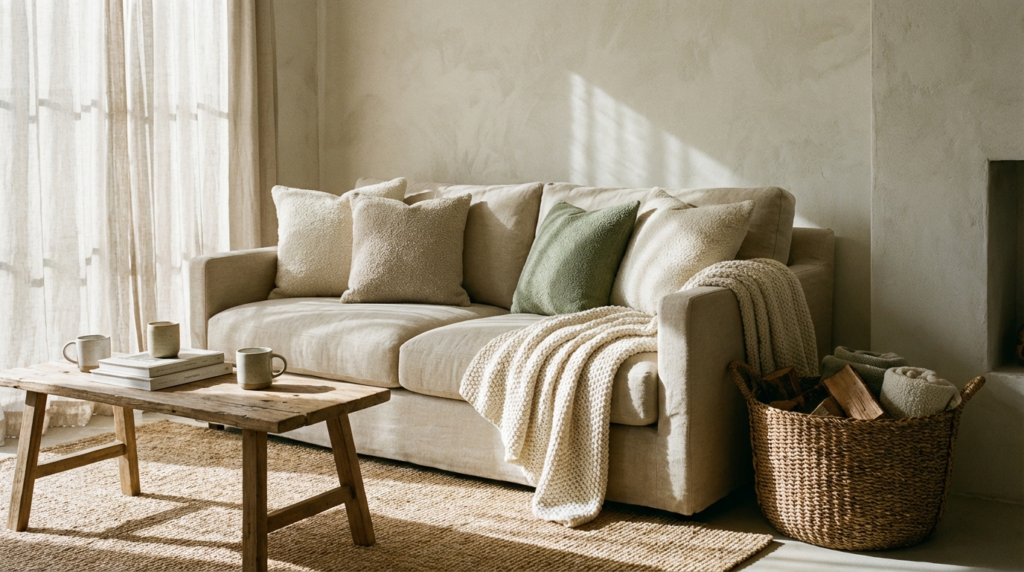
1. Layered Textures for Instant Warmth
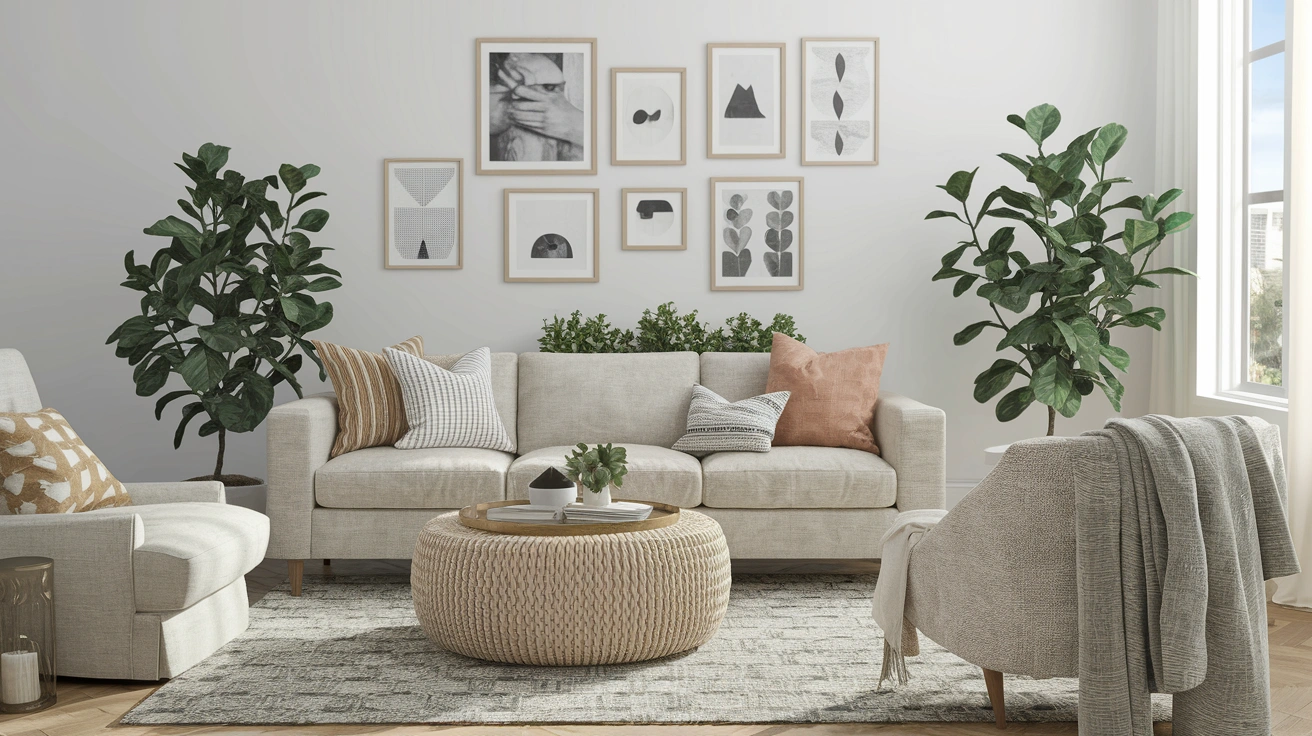
A minimalist living room doesn’t have to feel flat. When soft textures are layered thoughtfully, the space instantly becomes more inviting and relaxed. Think plush cushions, woven throws, and soft fabrics that add depth without clutter.
Start with a neutral base and build in layers using linen, cotton, and knits. Keep the color palette soft and cohesive while mixing textures for visual interest.
2. Soft Lighting That Changes the Mood
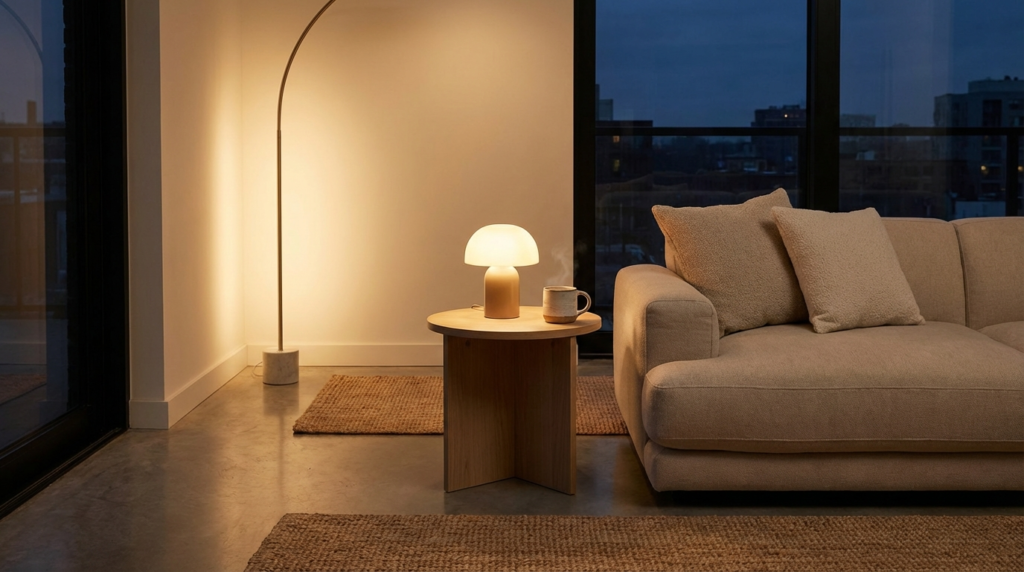
Lighting can completely transform the atmosphere of a minimalist space. Harsh overhead lights often make rooms feel sterile, while warm, layered lighting creates a calm, cozy glow.
Use floor lamps, table lamps, and warm-toned bulbs to soften the space. Position lighting at different heights to create depth and ambiance.
3. A Cozy Neutral Sofa as the Anchor
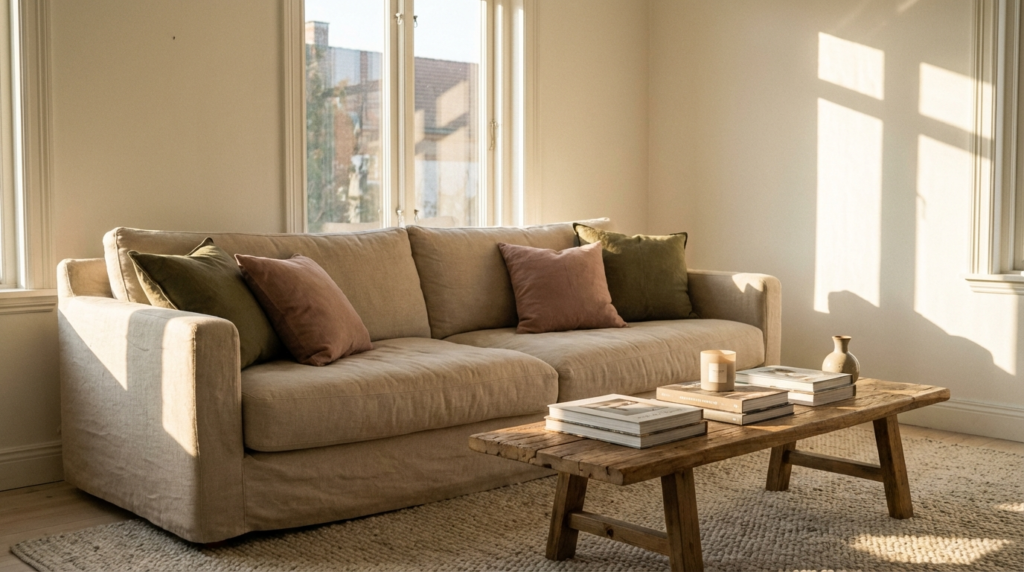
A simple, well-chosen sofa can define the entire room. In a minimalist living room, a cozy neutral sofa becomes the centerpiece that invites relaxation.
Choose soft fabrics like linen or cotton and pair them with a few textured pillows. Stick to tones like warm beige, soft gray, or muted taupe.
4. Statement Wall Art That Feels Personal
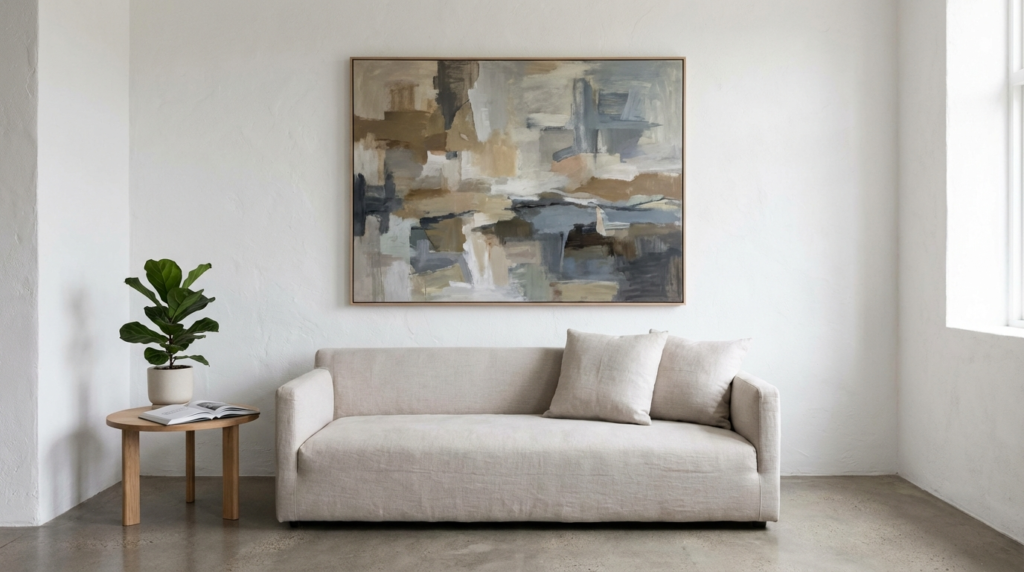
Minimalist doesn’t mean empty walls. A single piece of meaningful art can add personality and warmth without overwhelming the room.
Choose artwork with soft tones or abstract designs. Keep frames simple and let the piece breathe with plenty of space around it.
5. Natural Wood Accents for Warmth
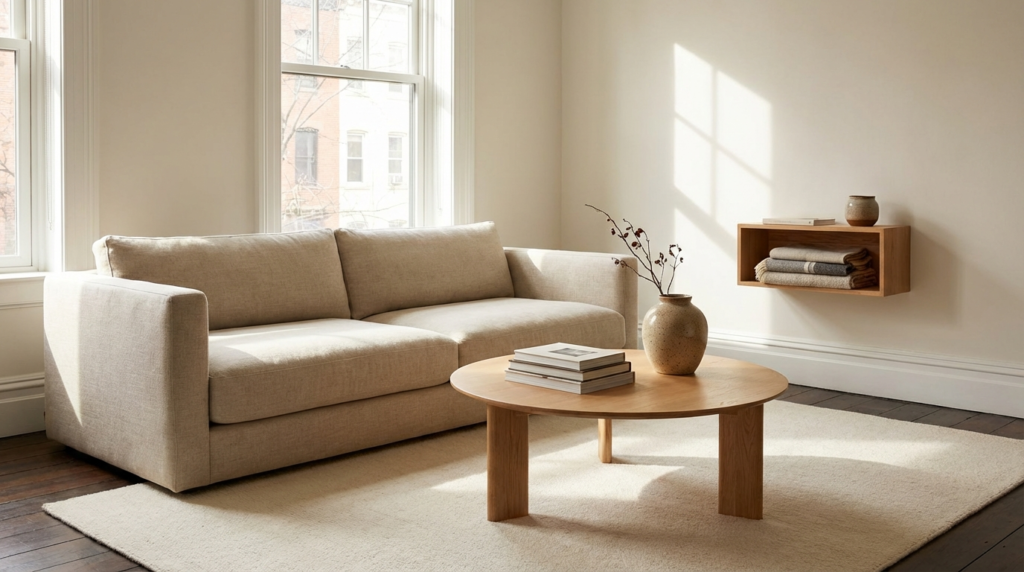
Wood instantly adds warmth to a minimalist living room. It brings in an organic feel that balances clean lines and neutral palettes.
Incorporate wooden coffee tables, shelves, or small decor pieces. Stick to light or medium wood tones for a soft, modern look.
6. Layered Rugs for Depth
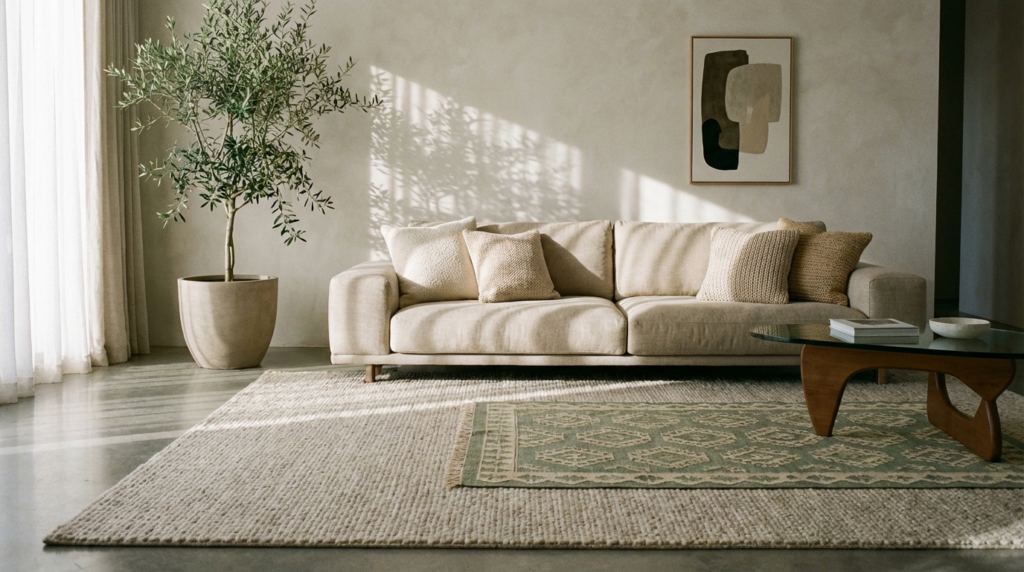
Layering rugs creates visual interest while keeping the space grounded and cozy. It’s a simple trick that adds texture without clutter.
Start with a large neutral rug and layer a smaller textured or patterned rug on top. Keep tones complementary.
7. Soft Curtains That Let Light In
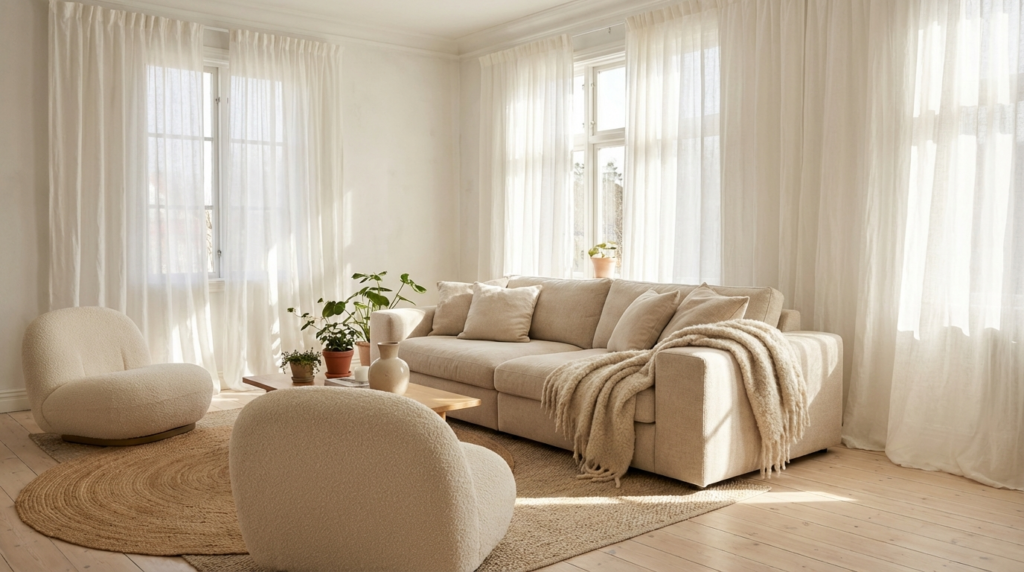
Curtains can soften the entire room while maintaining a light and airy feel. Sheer or lightweight fabrics work best for minimalist spaces.
Choose neutral tones and hang curtains higher than the window frame to make the room feel taller and more open.
8. A Touch of Greenery for Life
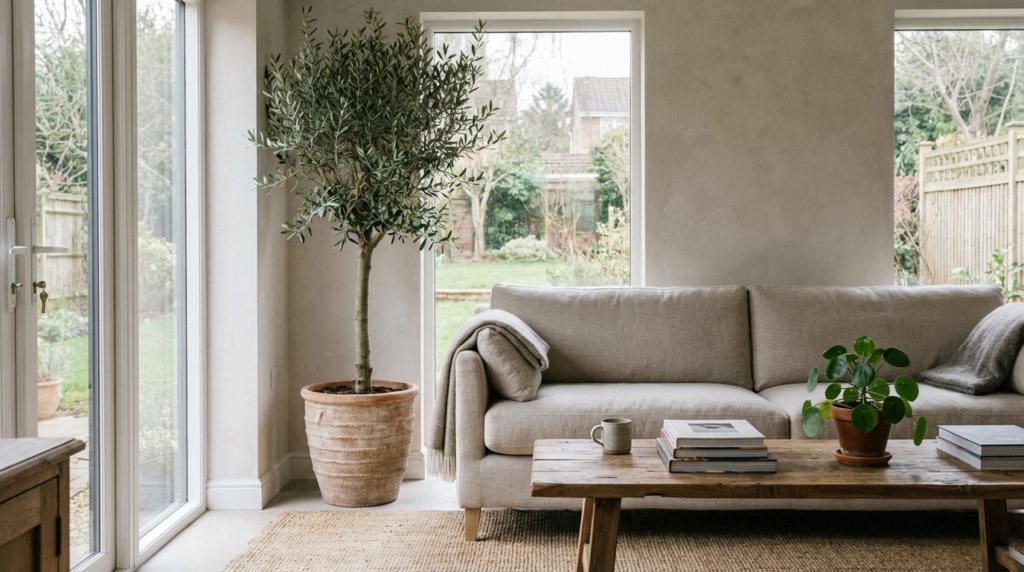
Plants bring life and freshness into a minimalist living room. Even one or two well-placed plants can make the space feel more vibrant and cozy.
Choose easy-care plants like snake plants or olive trees. Keep pots simple and neutral.
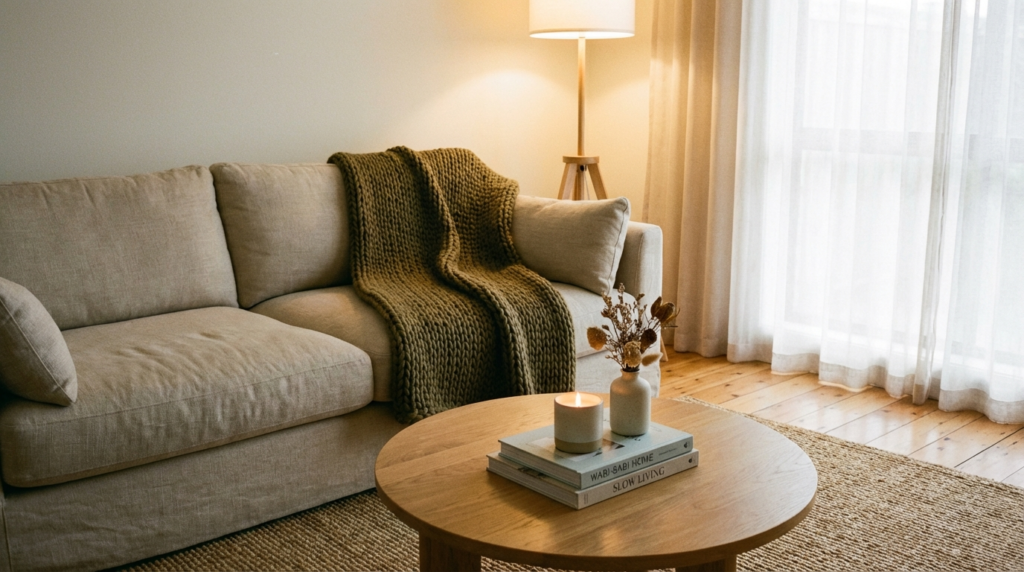
9. Cozy Throw Blankets for Comfort
A casually draped throw blanket instantly makes a space feel lived-in and inviting. It adds both texture and warmth.
Choose soft materials like wool or cotton and drape them loosely over a sofa or chair.
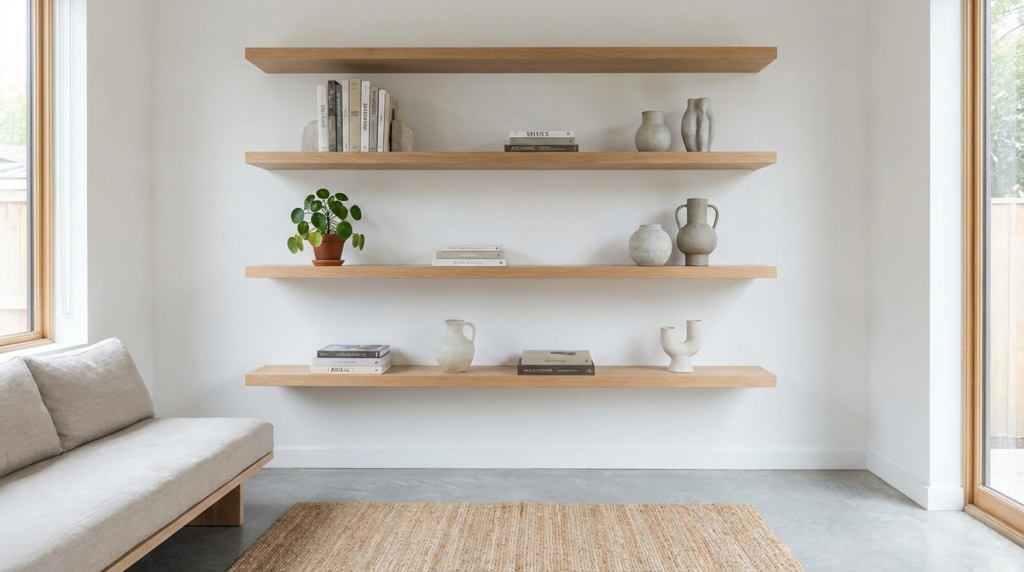
10. Minimalist Shelving with Personality
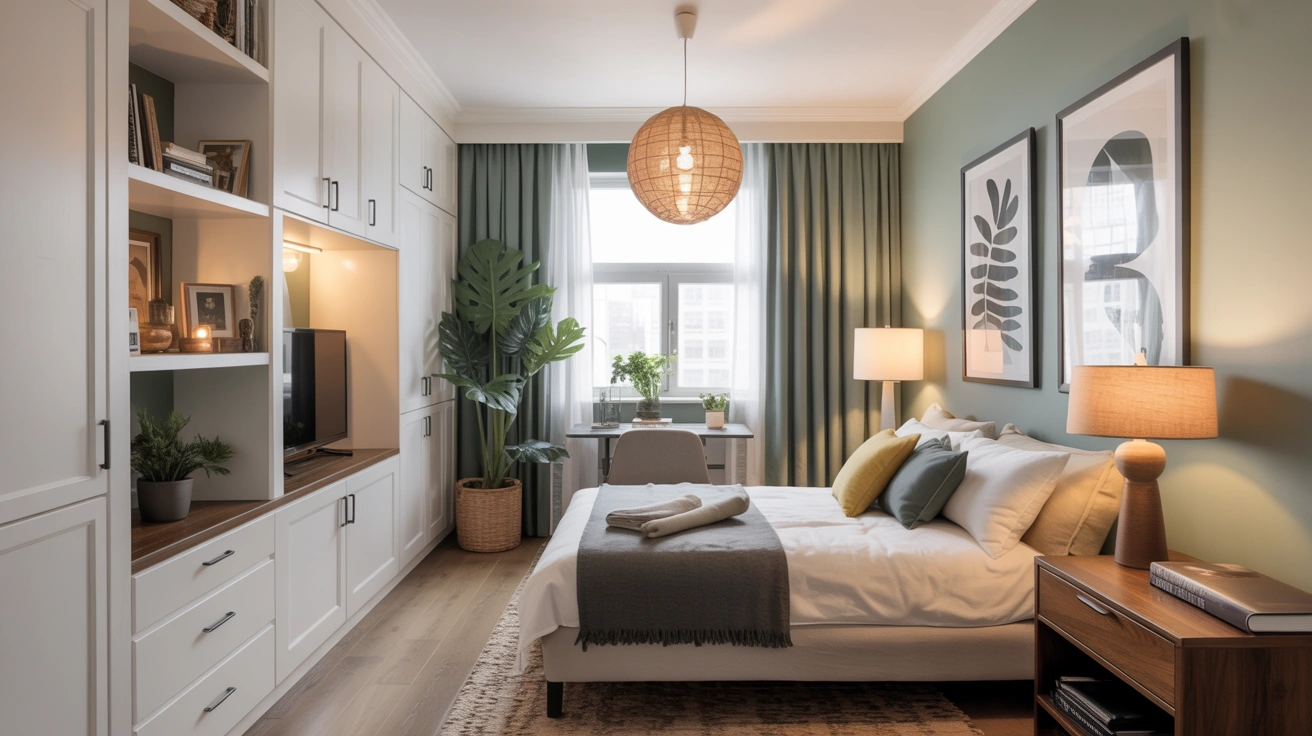
Open shelving can feel cozy when styled intentionally. A few carefully chosen items create a curated, personal look.
Display books, small plants, and ceramics. Avoid overcrowding and leave space between items.
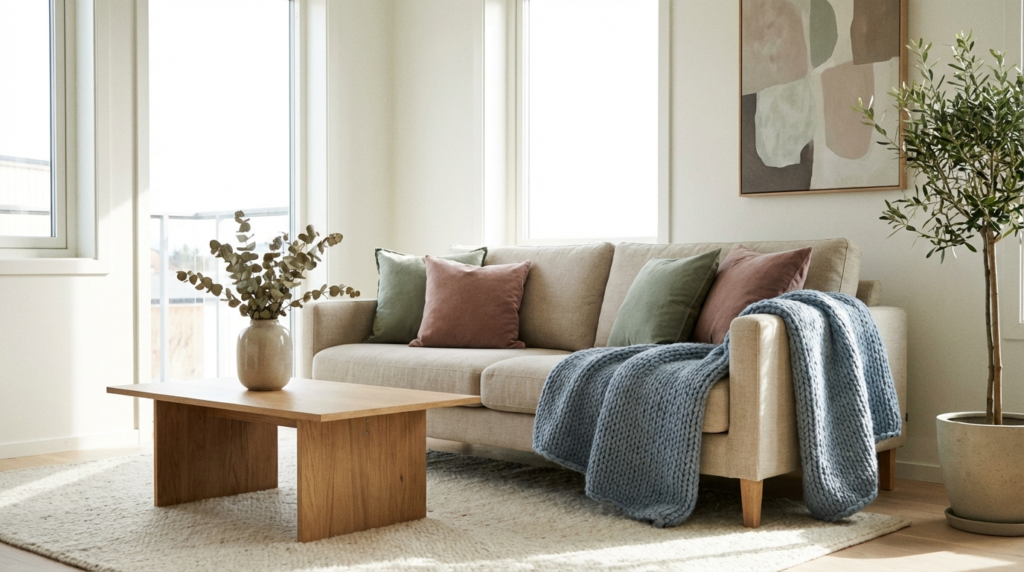
11. Soft Color Accents That Add Warmth
A minimalist palette doesn’t have to be all beige. Subtle color accents can bring warmth and personality.
Use muted tones like sage green, dusty rose, or soft blue in cushions or decor pieces.
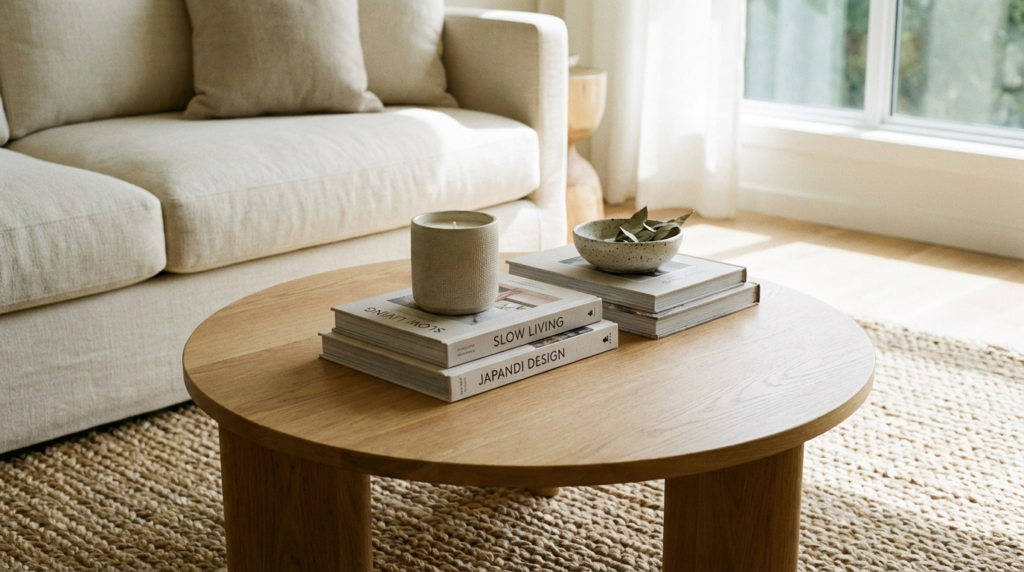
12. A Simple Coffee Table Setup
A thoughtfully styled coffee table adds character without clutter. It’s a small detail that makes a big impact.
Use a stack of books, a candle, and a small decorative object. Keep it simple and balanced.
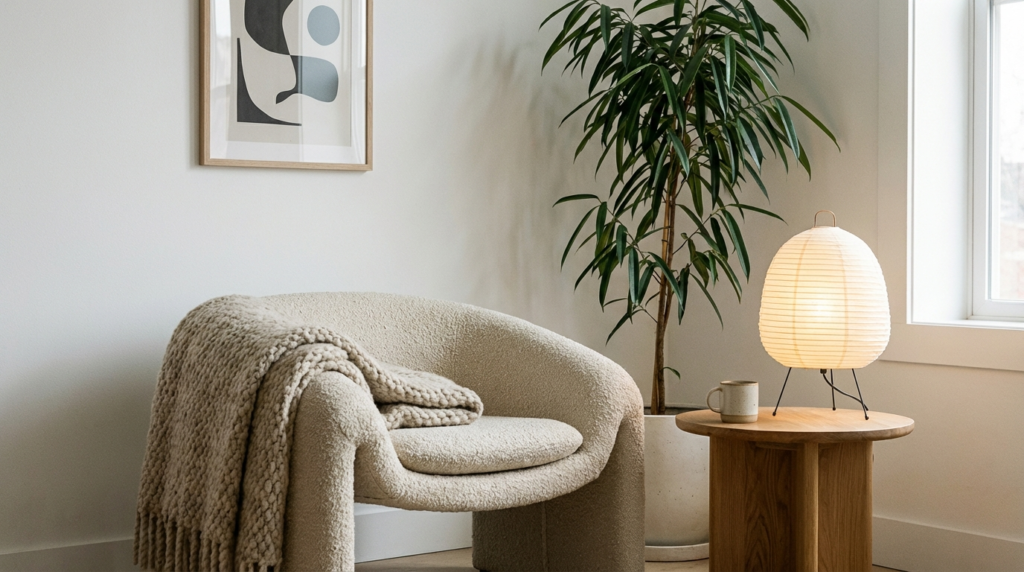
13. Comfortable Accent Chair for Balance
An accent chair adds both function and style. It creates a cozy corner for reading or relaxing.
Choose a chair with soft upholstery and clean lines. Place it near a window or lamp.
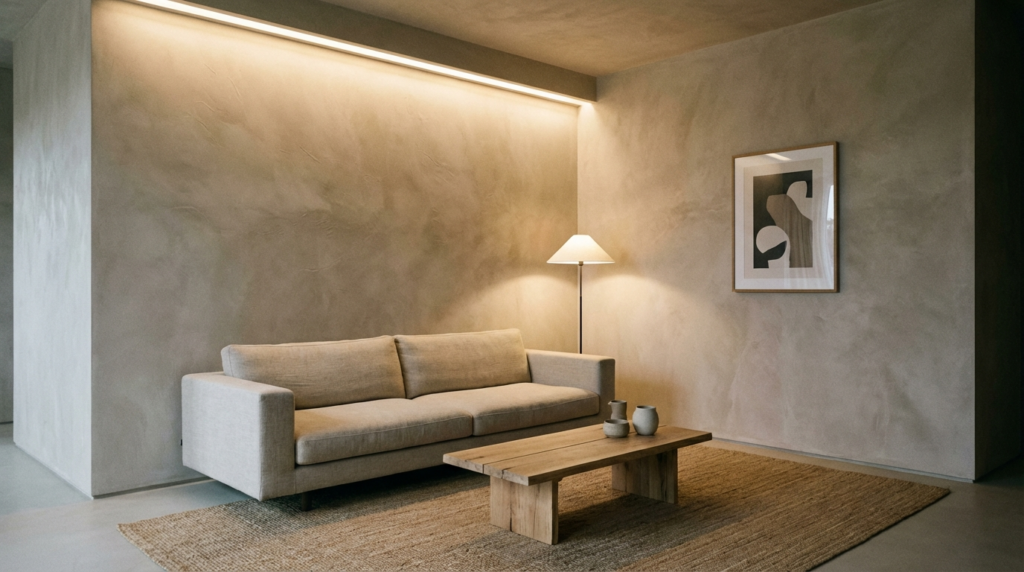
14. Subtle Wall Textures
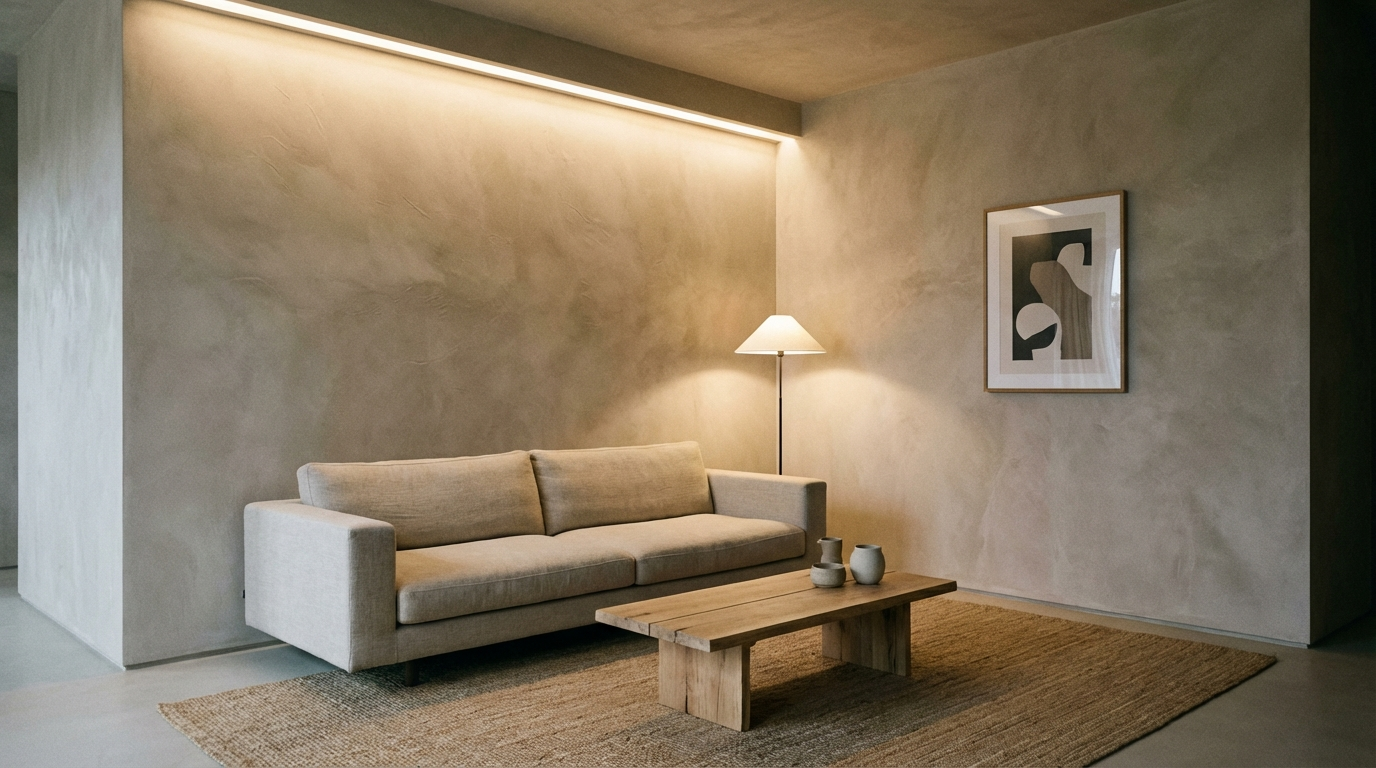
Adding texture to walls can create depth without adding clutter. It keeps the minimalist look while making the space feel rich.
Consider limewash paint or textured finishes in soft neutral tones.
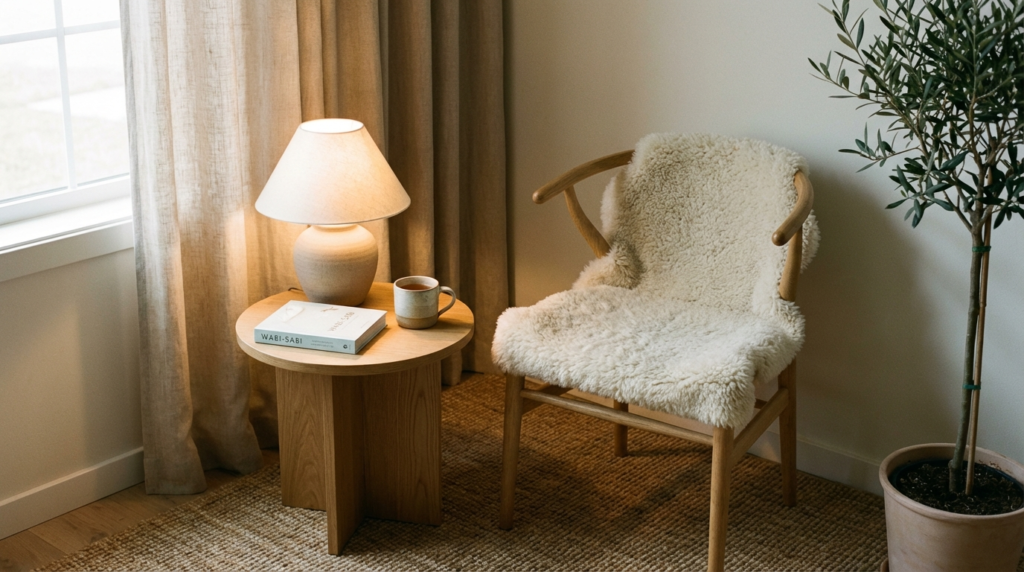
15. Cozy Corner Styling
Creating a small cozy corner makes the room feel more inviting and functional. It gives the space a sense of purpose.
Use a chair, a small table, and a lamp to create a simple, comfortable nook.
Conclusion
Designing a minimalist living room that still feels cozy isn’t about following strict rules—it’s about finding balance. With the right textures, lighting, and thoughtful details, even the simplest spaces can feel warm, inviting, and full of personality.
You don’t need to change everything at once. Start with one or two ideas—maybe a new throw blanket, softer lighting, or a touch of greenery—and build from there. These small updates can make a big difference in how your space feels every day.
The beauty of minimalist living room ideas is that they focus on what truly matters: comfort, simplicity, and intentional design. When done right, your living room becomes more than just a space—it becomes a place where you can relax, recharge, and truly feel at home.
So take inspiration, trust your style, and create a space that feels both calm and cozy—your own perfect balance of minimal and warm.